REVIEW · KATHMANDU
Kathmandu: Pharping Monastery & Asura Cave Meditation Tour
Book on Viator →Operated by Breakfree Adventures Pvt. Ltd. · Bookable on Viator
Caves and chants, just outside Kathmandu. This private half-day visit pairs Pharping Samye Ling Monastery with the Asura (Padmasambhava Yangleshö) Cave, tied to Guru Padmasambhava’s meditation in the 8th century. I love the calm break from the city and the way your guide helps you understand what you’re seeing before you get time for quiet self-meditation. One drawback to plan for: meals and drinks are not included, so bring a food plan.
Hotel pickup and drop-off are part of the package, and you ride in an air-conditioned private vehicle with a professional English-speaking guide. In real life, that matters because Kathmandu traffic can be chaotic, and several guides named in past trips (like Shankar Bhattarai, Dipesh, Lok, Deepak, and Keshar Jung Thapa) are specifically praised for making the day feel smooth and meaningful.
In This Review
- Key Highlights If You Care About Real Calm
- Why Pharping and Asura Cave Feel Like a Reset
- How the Half-Day Plan Works (And What Timing Really Means)
- Pharping Monastery: Murals, Prayer Wheels, and Quiet That Actually Helps
- The Asura (Padmasambhava Yangleshö) Cave and the Meditation Goal
- Why the Guide Matters Here More Than Usual
- Price, Private Transport, and What $60 Actually Buys
- What You Pay Extra For (And How to Avoid That Last-Minute Stress)
- Who This Tour Suits Best (And Who Might Want Something Else)
- Should You Book the Kathmandu Pharping and Asura Cave Tour?
- FAQ
- How long is the Pharping Monastery & Asura Cave Meditation Tour?
- What is the price per person?
- What’s included in the tour price?
- Are admission tickets included?
- Do I need to pay for meals or drinks during the tour?
- Is this a private tour?
- Can children join the tour?
Key Highlights If You Care About Real Calm
- Pharping Monastery + the cave story in one trip so you don’t just snap photos, you get context before you meditate.
- Self-meditation time at Asura Cave, not a rushed hit-and-run stop.
- Hotel pickup with an air-conditioned private vehicle, a big quality-of-life upgrade in Kathmandu traffic.
- Strong guide influence, with multiple named guides praised for history, pacing, and thoughtful explanations.
- Colorful murals and prayer wheels at Pharping that make the place feel alive, not museum-like.
Why Pharping and Asura Cave Feel Like a Reset
Kathmandu can feel loud fast, so I like that this day trip starts by leaving the noise behind. Pharping sits on the southern outskirts of the Kathmandu Valley, and the short drive alone can feel like a mental switch: you trade honks for quiet, green hills, and a slower rhythm.
At Pharping, the big draw is atmosphere. You’ll see prayer wheels and colorful murals, plus an overall meditative mood that makes it easier to sit still and actually notice details. Then you head to the cave, where the point is not sightseeing as a sport. You’re there to do self-meditation in a place associated with Guru Padmasambhava and the legend of his practice.
There’s also a practical upside: the whole thing fits into one afternoon. That means you can do something spiritual without sacrificing your whole day or forcing a long intercity travel plan.
You can also read our reviews of more tours and experiences in Kathmandu.
How the Half-Day Plan Works (And What Timing Really Means)
Expect about 5 to 6 hours total. The drive from central Kathmandu to Pharping is roughly 45 minutes based on guest feedback, and you’ll have time at each site rather than just a quick doorway look.
A simple way to think about pacing:
- Pharping area takes the bulk of your time, including temple/monastery exploring and guided context.
- Asura Cave is shorter, focused, and geared toward meditation time.
The tour is described as private, meaning only your group goes along. That matters for two reasons: you’re not forced to match someone else’s pace, and your guide can slow down where you want more explanation or step back when you want quiet.
Also, plan to be hungry before you go. Meals and drinks are not included, and that’s the one “gotcha” that can sneak up on you if you assume you’ll buy something on the way. If you fix that ahead of time, the rest of the day feels straightforward.
Pharping Monastery: Murals, Prayer Wheels, and Quiet That Actually Helps
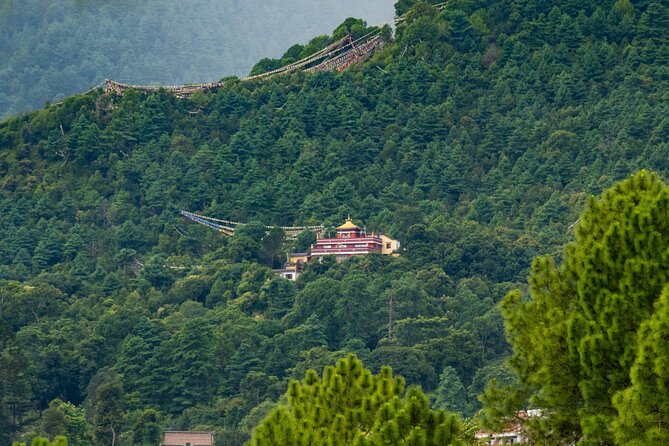
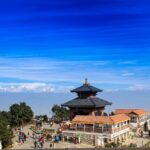
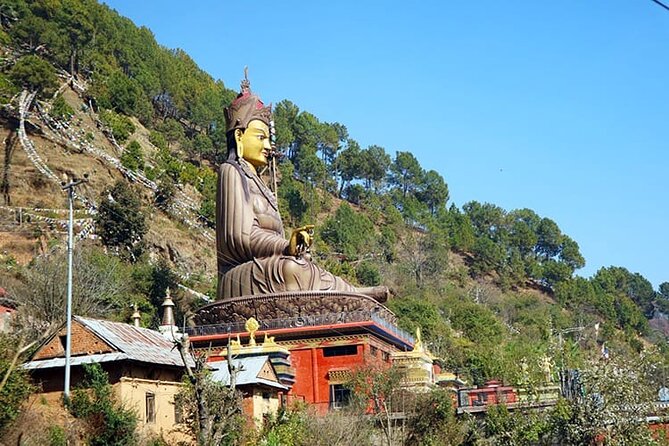
Pharping Samye Ling Monastery is one of the largest monasteries in Nepal, and it’s tied to Tibetan Buddhist practice. When you arrive, what stands out is how much the place feels built for attention. The murals and prayer wheels aren’t just decoration; they’re part of a living visual language.
This is also where your guide really earns their keep. Multiple experiences highlight English-speaking guides giving clear history and religious context at a pace that doesn’t feel like a lecture. One guide named Shankar Bhattarai is praised for offering a lot of background while still giving people time to take it in. Another guide, Dipesh, is specifically mentioned for making the day a peaceful escape from city noise.
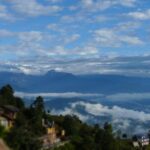
You’ll also get a sense of viewpoint and stillness. The monastery overlooks the valley, and that view changes how the whole space feels. Instead of being surrounded by city walls, you’re framed by hills and open air, which makes it easier to settle your mind.
A small practical note: wear shoes you’re comfortable walking in. You’ll spend real time moving through temple and monastery areas, and you’ll want footing you trust.
The Asura (Padmasambhava Yangleshö) Cave and the Meditation Goal
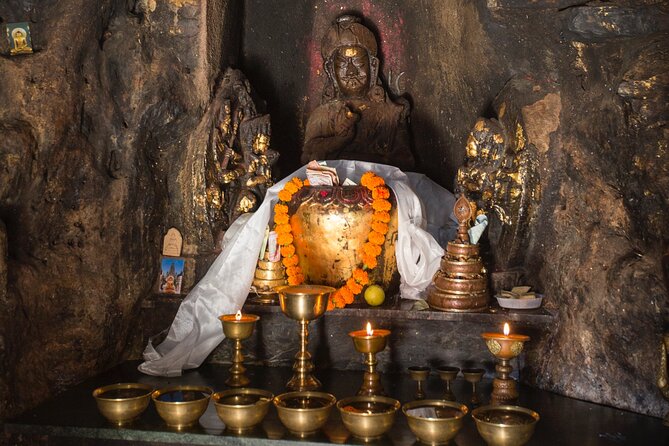
Asura Cave is where the story becomes personal. This site is associated with Guru Padmasambhava (also called Guru Rinpoche in many traditions), and the tour description links him to meditation and attainment of enlightenment in the 8th century.
Your time here isn’t set up like a performance. You’re invited to do self-meditation, which is exactly what you want if you came for more than a photo stop. In feedback, the best moments are described as having enough time to soak things in and sit with the experience.
There’s also an important difference between “hearing about meditation” and being in a place meant for it. Even if you’re not a practitioner, you’ll likely find it helps to have a guide who knows the meaning of what you’re seeing, then gives you room to be quiet.
Admission for the cave stop is listed as included, so you don’t have to manage ticketing mid-day. If you want the spiritual focus to feel smooth, that kind of included detail is more valuable than it sounds.
Why the Guide Matters Here More Than Usual
On paper, this is a short ride and two stops. In practice, it’s a guide-led day where interpretation shapes how you feel in the room.
I noticed a pattern in guide praise: people weren’t only happy with facts. They were happy with pacing and empathy. Shankar Bhattarai gets called out for plenty of time to soak it all in and meditate, and Keshar Jung Thapa is mentioned for being knowledgeable and adjusting the plan to include an insightful visit.
Other named guides in the same spirit include:
- Dipesh, tied to the peaceful escape feeling
- Lok, praised for kind, helpful guiding that made the day
- Deepak, credited for being personable and knowledgeable, and for making the experience a highlight
If you can request a guide, I’d lean toward doing it for this tour. The cave and monastery are meaningful, but they also benefit from explanation. A good guide helps you connect symbols, history, and the purpose of your quiet time without turning the visit into a classroom.
Price, Private Transport, and What $60 Actually Buys
At $60 per person, this tour is priced like a budget day trip but packaged like a comfort upgrade. You get:
- Hotel pickup and drop-off
- Private transportation in an air-conditioned vehicle
- A professional English-speaking guide
- All taxes
The best value is the combination of private transport and guide time. Kathmandu is not a place you want to solve with guesswork on timing and traffic. An AC car plus a driver who can handle traffic makes the trip feel civilized, and that’s often where the hidden cost lies on self-guided trips.
It also helps that the tour includes a mobile ticket and shows group discounts. Even if you’re traveling solo, it’s often easier to plan when the operator handles the basics.
One timing detail: this tour is commonly booked about 35 days in advance. That’s a clue it’s popular, likely because the day fits well with Kathmandu itineraries.
What You Pay Extra For (And How to Avoid That Last-Minute Stress)
Even with the full tour setup, you should budget for the usual extras:
- Personal expenses
- Meals and drinks
- Donations for the monastery
- Gratuities for the guide and driver
The donation piece is worth planning for mentally. You may decide to donate, and you’ll want a way to do that without rummaging around while you’re trying to stay present.
For gratuities, the data doesn’t offer an amount, so treat it like a judgment call based on your guide and driver. If the guide did what the best reviews describe—explaining well, pacing the visit, and giving time to meditate—then tipping usually feels fair.
Most importantly: since meals aren’t included, don’t rely on the tour to solve hunger. Eat before you go, or plan a post-tour meal where you’ll still have energy to enjoy it.
Who This Tour Suits Best (And Who Might Want Something Else)
This tour fits best if you want spiritual context without a long travel day. It’s a great match for people who:
- like Buddhist sites with a clear story tied to the place
- enjoy guided history and religious meaning
- want time for self-meditation rather than constant movement
- are traveling as a family (one experience specifically mentions enjoying it with a nine-year-old daughter)
If you’re expecting a full-on hiking adventure, this probably won’t satisfy that itch. This is about stillness, symbols, and respectful time in sacred spaces. If you’re the type who likes quiet moments and learning what you’re looking at, you’ll likely feel at home here.
Also, this is a private setup, and most participants can join. Children just need to be accompanied by an adult, so family planning is straightforward.
Should You Book the Kathmandu Pharping and Asura Cave Tour?
I’d book it if you want a calm spiritual reset that still feels guided and practical. The big strengths are the private AC transport, the English-speaking guide, and the fact that the cave visit includes time for self-meditation instead of rushing you through.
I’d think twice only if the idea of managing your own food feels annoying. With no meals or drinks included, you’ll need to handle that piece on your own so the day stays peaceful.
If you do book, consider this simple strategy: go a little earlier in your day so you’re not rushing food timing, and if you can, ask for a guide with strong feedback like Shankar. This tour is the kind of Kathmandu experience where the “in between moments” matter, and the right guide helps those moments land.
FAQ
How long is the Pharping Monastery & Asura Cave Meditation Tour?
The tour lasts about 5 to 6 hours.
What is the price per person?
It costs $60.00 per person.
What’s included in the tour price?
The price includes hotel pickup and drop-off by a private air-conditioned vehicle, a professional English-speaking guide, and all taxes.
Are admission tickets included?
Admission is listed as ticket free for the first stop and included for the second cave stop.
Do I need to pay for meals or drinks during the tour?
Yes. Meals and drinks are not included, so plan for your own food.
Is this a private tour?
Yes. It’s a private activity, meaning only your group participates.
Can children join the tour?
Yes, but children must be accompanied by an adult.