REVIEW · KATHMANDU
Kathmandu: 8-Day Annapurna Circuit Trek via Thorong La Pass
Book on GetYourGuide →Operated by MTA Trekking Pvt. Ltd. · Bookable on GetYourGuide
Thorong La starts with a 4 a.m. mission. This 8-day Annapurna Circuit trek is built around the 5,416-meter Thorong La crossing, then pays it back with village days in Pisang and Manang that feel earned. I love the way the route balances big views with practical pacing, especially the acclimatization day in Manang. I also love the cultural payoff of arriving at Muktinath Temple, a sacred stop for Hindus and Buddhists. One consideration: the itinerary is still fairly fast-paced, and the high-pass day is long, so you should go in with solid fitness and a realistic altitude plan.
I also like how much gets handled for you. You get hotel pickup/drop-off, trekking permits and required paperwork taken care of, plus tea house or lodge stays for 7 nights, ending with a hotel night in Pokhara (Hotel Orchid). In guide feedback tied to this trek through MTA Trekking Pvt. Ltd., names like Chakra, San Bhai, Shishir, and Ghanshyam come up often, with a consistent theme of attentiveness and safety-minded organization.
In This Review
- Quick hits before you go
- Thorong La at 5,416 m: views, risk management, and a very early start
- Chame to Pisang through pine and apple country
- Pisang to Manang: monasteries, suspension bridges, and big-name scenery
- Manang acclimatization day: the best tool on this route
- Manang to Yak Kharka to Thorong Phedi: steady climbs and an alpine feel
- Thorong Phedi to Muktinath via Thorong La: sunrise work, Kali Gandaki drama, and temple peace
- Muktinath to Pokhara by bus: a long ride that ends in real comfort
- Price and value: what $348 does and does not cover
- What the organization feels like on the ground
- What to bring (and what can slow you down)
- Who should choose this trek, and who should skip it
- Should you book this Annapurna Circuit via Thorong La?
- FAQ
- How long is the trekking experience?
- What route does this trek follow?
- What is the highest altitude on the trek?
- What time do you start on the Thorong La Pass day?
- Are trekking permits included?
- Where do you stay during the trek?
- Are meals included?
- Is a porter included?
- Do I need a sleeping bag?
- Who is the trek not suitable for?
Quick hits before you go
- Thorong La timing at 4 AM: starting early helps you deal with strong winds on the pass.
- Upper Pisang viewpoints: a classic stop with serious mountain-facing energy.
- Manang acclimatization day: built-in rest plus optional short hikes to glacial lakes.
- Kali Gandaki Gorge descent: the route drops into one of the world’s deepest river-gorge systems.
- Muktinath Temple night: pilgrimage atmosphere right after the pass crossing.
- Value-focused logistics: guides handle permits, paperwork, and guided itinerary flow.
Thorong La at 5,416 m: views, risk management, and a very early start
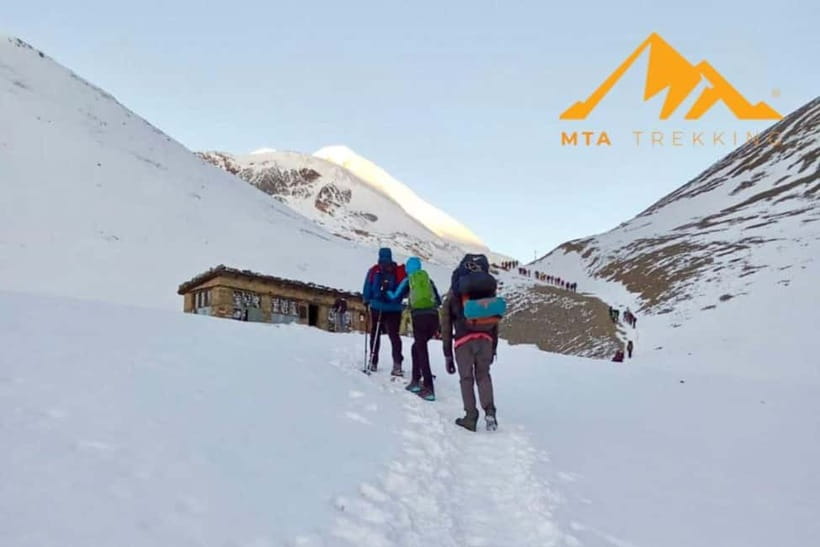
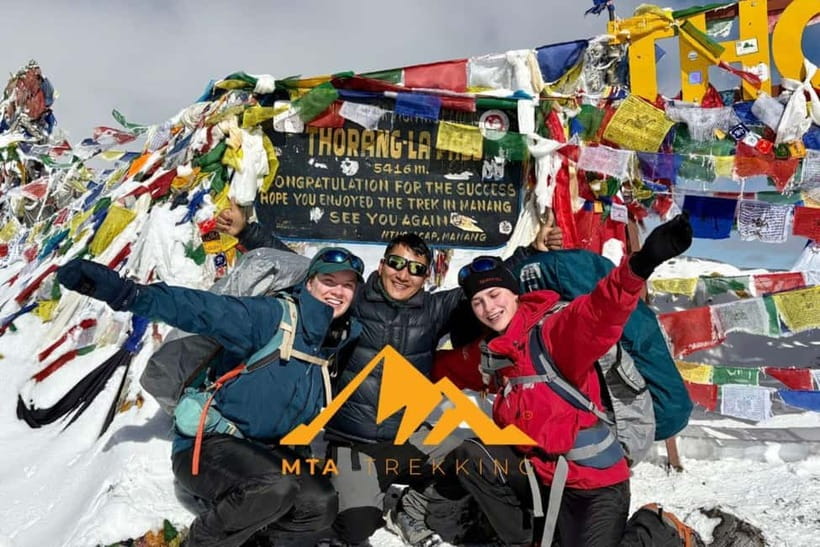
If there’s one day that defines the whole trek, it’s the Thorong La crossing. You start around 4 AM specifically to avoid strong winds on the pass at 5,416 meters. That early departure matters because it’s not just about light and views. It’s about making the crossing more manageable when weather can turn serious.
Once you’re moving, the day becomes a string of sharp contrasts: snow-capped peaks, prayer flags fluttering, then a long descent afterward. Your guide’s role is practical here—keeping the pace steady, helping you cross safely, and managing the reality that altitude changes how your body works. You’ll then drop into the Kali Gandaki Gorge, described as one of the world’s deepest, which makes the landscape feel dramatic in a way that’s hard to fake.
The trade-off is effort. This is a long day (often listed as about 7–8 hours), and it comes after a full week of walking. If you’re the type who hates being rushed, you’ll want to take the early start seriously and not try to power through every section. The best way to enjoy Thorong La is to treat it like a careful climb, not a speed challenge.
You can also read our reviews of more hiking tours in Kathmandu
Chame to Pisang through pine and apple country
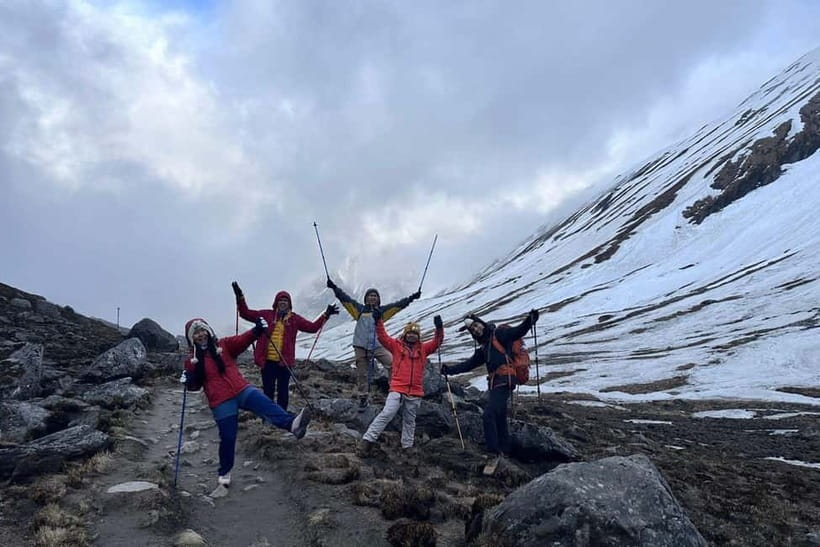
Your trek day starts in Chame, after a long travel day from Kathmandu. The first walking leg (Chame to Pisang) is usually around 4–5 hours, and it’s the kind of day that helps your legs find a rhythm without feeling instantly overwhelming.
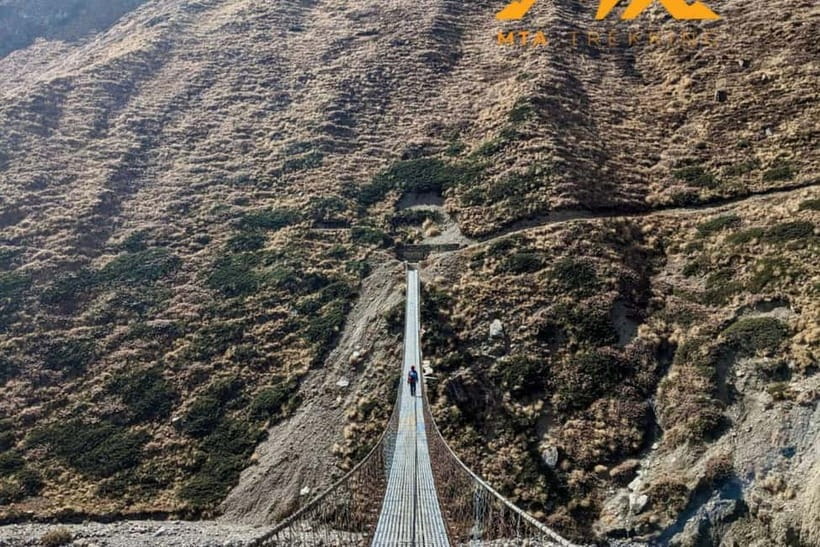
Right away, you’re walking through pine forests and apple orchards, then you reach a suspension bridge. Those bridges do more than check a box on a trek checklist. They break up the walking and give you quick perspective, like a pause button on the trail. After that, you ascend toward Dhukur Pokhari for lunch. It’s one of those places where you can feel the altitude shift even before you hit the big days.
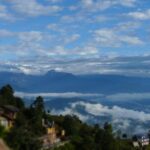
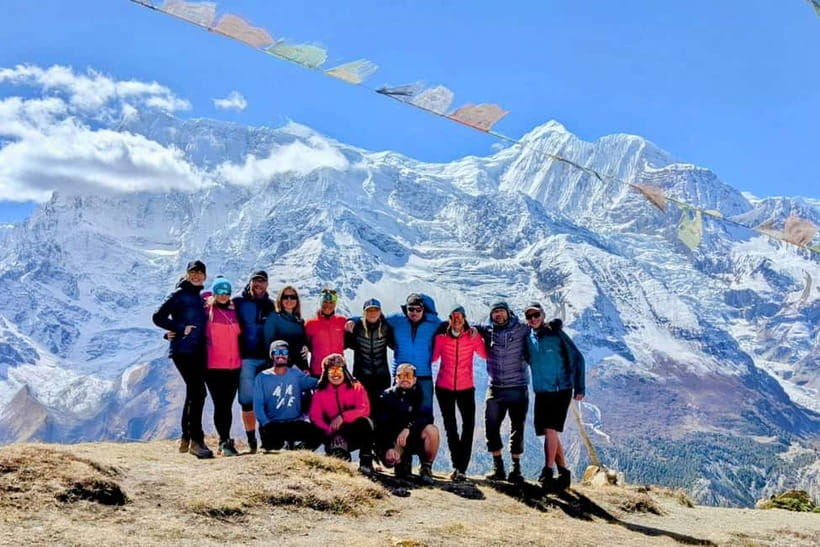
When you finally arrive in Pisang, the payoff is immediate: you’re in a zone with strong views of Annapurna II, Annapurna IV, and Pisang Peak. I especially like how this area encourages you to explore on foot once you arrive, rather than treating the village like a blinking light on a map.
Upper and Lower Pisang are both worth your attention. Upper Pisang tends to feel more like a lookout village, while Lower Pisang is where you get more of the everyday rhythm. On a trek like this, those small differences help you avoid the feeling that every night looks the same.
Pisang to Manang: monasteries, suspension bridges, and big-name scenery
The next day runs about 5–6 hours from Pisang to Manang. The route stays scenic without becoming instantly brutal, moving through pine valleys and past Braga, where you may find a hillside monastery if it’s open.
Even if you only catch part of the monastery setting, it adds something important to the trek: it reminds you that you’re moving through living religious and cultural spaces, not just hiking through scenery. Then you cross suspension bridges again and keep working uphill toward Manang.
When you reach Manang, the views are a headline feature. You’ll be set up for Annapurna and Gangapurna views, and the village itself is a big reason this trek feels more than one long grind. Manang has enough travelers, lodges, and viewpoints that it’s easy to spend time looking, reading the terrain, and planning the next day without feeling stranded.
Manang acclimatization day: the best tool on this route
Altitude is the villain of this trip, and Manang day is where you confront it the smart way. The plan gives you a full acclimatization day (instead of pushing higher immediately). It’s built to help you reduce the risk of altitude sickness, and it gives you a chance to adjust your breathing and sleep before the real height comes.
How do you use the day? You’re set up to explore at a relaxed pace: viewpoints, monasteries, and even a cultural museum. That mix matters. Some acclimatization days feel like you’re just killing time. Here, it’s possible to learn while you rest, which makes the day feel useful instead of repetitive.
There’s also the option of short hikes toward glacial lakes with views of Gangapurna and Tilicho peaks. If you do these side hikes, treat them like height practice, not hero practice. You’re testing how your body responds while still keeping enough energy for the next day’s push.
This is also where you can check your gear and hydration habits. If you’ve been skipping warm layers or drinking too little, this is when you correct it. The people who enjoy Thorong La most are usually the ones who used Manang to get their system steady.
Manang to Yak Kharka to Thorong Phedi: steady climbs and an alpine feel
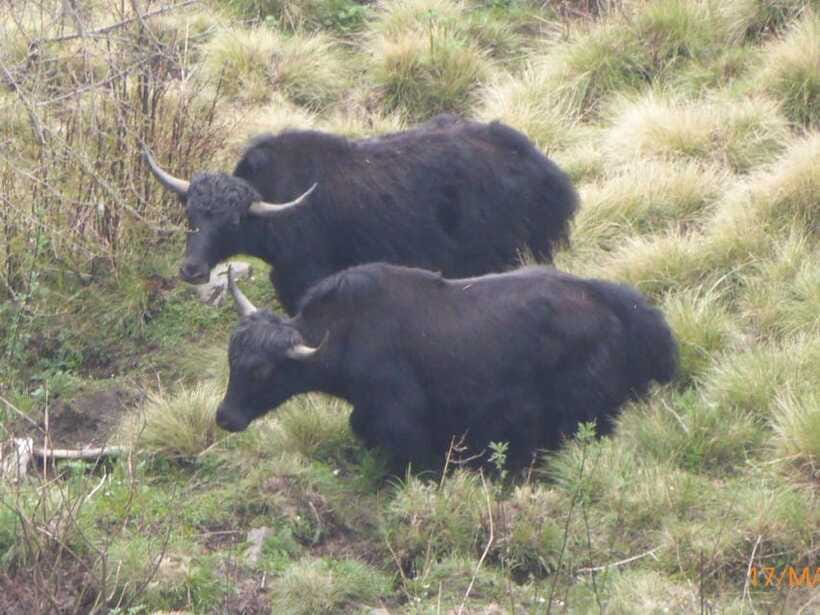
After Manang, the trek breaks into a calmer, step-by-step rise. Day five goes from Manang to Yak Kharka in about 4 hours. You climb steadily past Tengi, and you’ll meet locals and pack animals along the way. Those interactions are more than scenery. They keep your pace grounded and remind you the route works as a route, not just a tourist route.
Lunch stops are scenic too. You’ll stop in Gunsang, with views of Annapurna II and IV, then continue through juniper forests to Yak Kharka. Juniper can look subtle on a map, but on the ground it helps the day feel cooler and more sheltered, which can be a relief as air gets thinner.
Day six runs about 4–5 hours from Yak Kharka to Thorong Phedi, the base for the next day’s pass. This is where the trek shifts into more alpine character. You’ll cross high pastures and may spot roaming horses and Himalayan griffons, depending on conditions.
Thorong Phedi is where you stop being casual. You’re preparing for a high-altitude crossing, which means this night is about sleep, hydration, and packing decisions. The itinerary includes a suspension bridge and then rocky slopes, but the bigger “challenge” is emotional: this is where your brain starts counting hours until dawn.
Thorong Phedi to Muktinath via Thorong La: sunrise work, Kali Gandaki drama, and temple peace
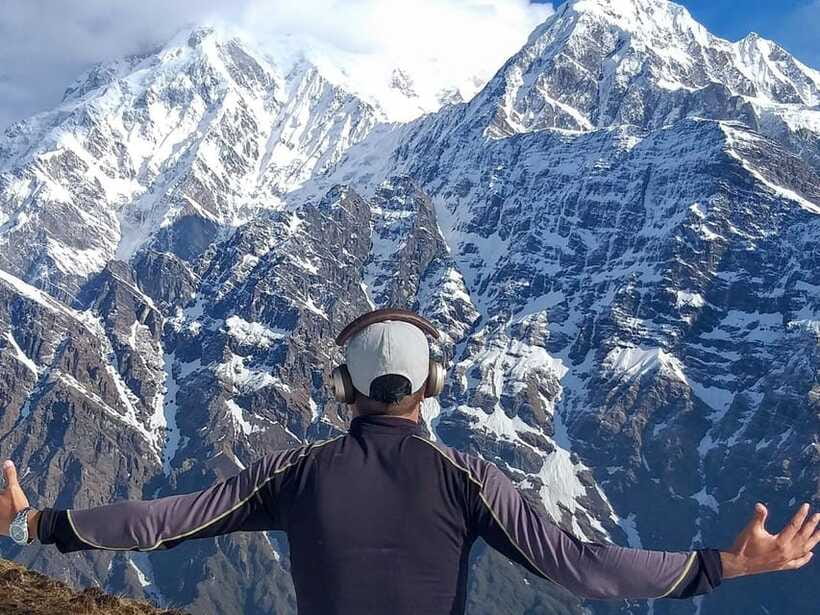
You’ll start very early again, around 4 AM, for the Thorong La crossing. The plan highlights avoiding strong winds on the pass, and that’s exactly the kind of detail that keeps the day safer and more pleasant. At 5,416 meters, every minute feels heavier, so your guide’s safe-crossing approach really matters.
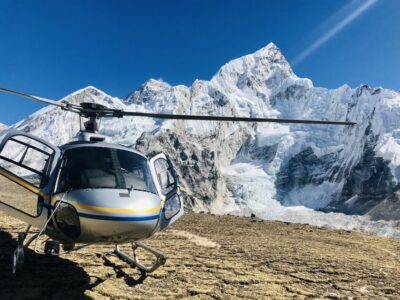
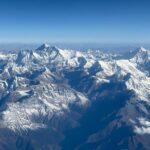
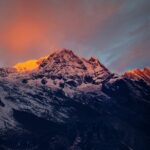
As you ascend, you get that classic high-mountain feeling: prayer flags, snow-capped peaks, and a lot of quiet stretches where you can hear your own breathing. Then comes the descent, which can be tiring on knees even when your altitude struggles ease a bit. The itinerary calls out the descent into Kali Gandaki Gorge, one of the world’s deepest, which makes the downhill feel like you’re entering a different world.
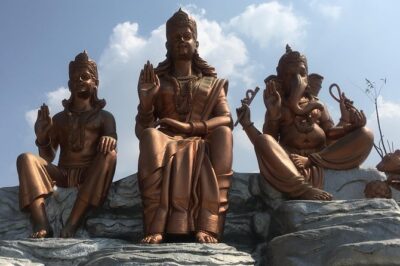
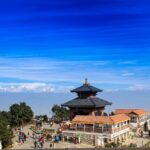
Then you arrive at Muktinath, a pilgrimage site for both Hindus and Buddhists. This is where the trek flips tone. After a day of wind, height, and effort, you get temples, shrines, and an atmosphere that’s calmer and more spiritual. Spend time walking around thoughtfully. If you only rush to the main sites, you’ll miss the point of arriving here after the pass.
You’ll stay in a teahouse after this big day. It’s the kind of night where you’ll probably sleep quickly, not because you’re exhausted, but because your body has finally stopped fighting the altitude long enough to relax.
Muktinath to Pokhara by bus: a long ride that ends in real comfort
The final day is mostly about transport and recovery. You take a scenic 9–10 hour bus ride from Muktinath to Pokhara. The route passes through the lower Mustang Valley, so even though it’s sitting time, it’s not necessarily boring time.
Then you check into a hotel: Hotel Orchid in Pokhara, described as tourist standard luxury, as your last night. This matters because after teahouse nights, even a “regular” hotel feels like a different vacation. You also get a farewell Nepalese typical dinner in Lakeside Pokhara, which helps you end the trip with a sense of closure.
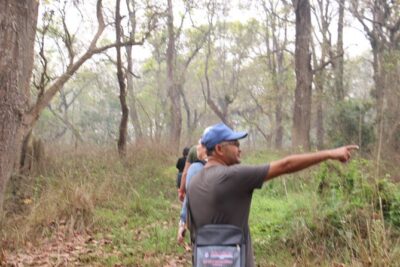
In the evening, it’s easy to drift into Lakeside routines: relaxing by the lake, eating well, and letting your muscles loosen. If you’re the type who wants one last Himalayan moment, you can usually find people who still point out mountains in the distance after the trek is done. Even if the views are muted by weather, it’s still a satisfying landing.
Price and value: what $348 does and does not cover
At $348 per person for 8 days, this trek lands in a range that can feel like a good deal if you compare it to how much is being managed. You get authorized English-speaking guidance, trekking permits and paperwork (including TIMS and applicable government tax), and tea house/lodge accommodation for 7 nights. You also get last-night Hotel Orchid in Pokhara, plus pickup and drop-off.
Transport is included too: road legs from Kathmandu, and a bus ride back from the Muktinath side to Pokhara. For a trek with a high pass and a fixed schedule, logistics are not “extras.” They’re part of the price you pay to avoid scrambling.
Meals are where you need to pay attention. The information says all meals during the trek are included for the Full Package. For a Standard Package, all food and drinks are not included, and you’ll be responsible for things like mineral water and extra coffee or tea beyond breakfast. So before you feel thrilled, make sure you’re comparing the right package level.
One more practical cost: a porter. A porter is not included, but you can hire one for $20 per day. If you plan to carry extra layers, a camera setup, or you simply want to protect your knees and breathing at altitude, paying for a porter can be worth it.
What the organization feels like on the ground
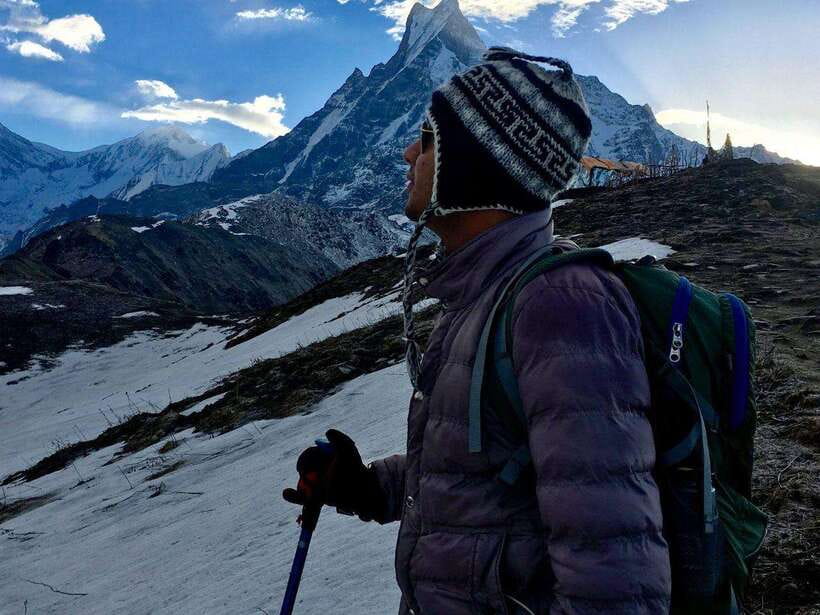
From the guide names and themes tied to this trek, one standout is how often safety and preparation come up. Guides like Chakra and San Bhai are described as friendly, experienced, and attentive, while Shishir and Ghanshyam show up with the same pattern: support, knowledge of mountains and Nepalese culture, and a steady hand during the long sections.
Another good sign is communication before the trek. One account notes quick replies over WhatsApp before departure, which matters when you’re trying to confirm gear basics like sleeping bags for cold months or getting your passport copy to prepare permits.
Now, a balanced view: even with a rest day, the route is still active and the itinerary still moves. One feedback note called the trek quite fast-paced, with limited acclimatization time if you’re not young or well-trained. That’s not a flaw in organization, but it’s a heads-up about fit.
What to bring (and what can slow you down)
The packing list is straightforward, and I’d treat it as non-negotiable for comfort. Bring warm clothing, sunglasses, and sunscreen. Pack comfortable clothes for walking days, plus travel insurance. You’ll also need a passport (a copy is accepted) and an ID card (copy accepted).
For cold-season trekking, the info is clear: if you’re trekking in November–December, bring your own sleeping bag for winter treks, or contact the provider about a rental. If you don’t, you’ll pay for it in sleep quality, and altitude plus bad sleep is a combo you don’t want.
Also plan around hot water. The info says hot water/hot shower is not included, and mineral water is not included. That affects how you budget and how fresh you feel each day. It’s not a reason to skip the trek. It just means you should keep your expectations realistic.
Who should choose this trek, and who should skip it
This trek is a strong fit if you want a classic Annapurna Circuit experience with a major altitude milestone, and if you like being guided by a team that handles paperwork and schedule details. It’s also a good fit if you enjoy mixing hiking with cultural stops, since Pisang, Manang, and Muktinath Temple bring more than just photo stops.
It’s not a good match if you’re pregnant, if you have altitude sickness, or if you’re over 70, based on the tour’s guidance. Beyond that, I’d also be honest with yourself about pace. This route has a Manang acclimatization day, which helps, but Thorong La still asks a lot.
Should you book this Annapurna Circuit via Thorong La?
I’d book it if you want a well-structured trek with permits handled, tea house/lodge nights, and a route that includes both altitude drama and cultural rewards. The early-morning Thorong La strategy and the Manang acclimatization day are the two pieces that make this more than just a checklist hike.
I wouldn’t book it as-is if you know you need more time to adjust, dislike long walking days, or you’re uncertain about your altitude tolerance. In that case, you might look for a slower schedule variant, or plan extra rest days around the high sections.
If you do book, I’d focus on one thing: show up prepared for cold, for altitude, and for a long pass day. The views and the sense of arrival at Muktinath are the reward for taking those details seriously.
FAQ
How long is the trekking experience?
The experience is 8 days.
What route does this trek follow?
It’s an Annapurna Circuit trek that includes trekking through villages like Pisang and Manang, crossing Thorong La Pass, and visiting Muktinath Temple, then finishing with a drive back to Pokhara.
What is the highest altitude on the trek?
The itinerary includes crossing Thorong La Pass at 5,416 meters.
What time do you start on the Thorong La Pass day?
You start very early, around 4 AM, to avoid strong winds.
Are trekking permits included?
Yes. Trekking permits, required paperwork, and TIMS fee(s) are included, along with applicable government tax.
Where do you stay during the trek?
You stay in tea house or lodge accommodation for 7 nights during the trek, plus 1 night at a tourist standard luxury hotel in Pokhara (Hotel Orchid).
Are meals included?
Meals are included for the Full Package (breakfast, lunch, dinner during the trek). For the Standard Package, food and drinks are not included.
Is a porter included?
No. A porter is available to hire for $20 per day.
Do I need a sleeping bag?
For winter treks (November–December), you’re asked to bring your own sleeping bag, or contact the provider to arrange a rental.
Who is the trek not suitable for?
It’s not suitable for pregnant women, people with altitude sickness, and people over 70.