REVIEW · KATHMANDU
Kathmandu: 3-Hours of Cooking Class with Meals
Book on GetYourGuide →Operated by Cordial Trek Pvt. Ltd. · Bookable on GetYourGuide
Nepali cooking in Kathmandu is easier than it sounds. This 3–4 hour, hands-on class is built for real participation: you choose fresh ingredients, cook traditional dishes from scratch, and eat what you make while it’s hot. It’s a practical way to taste Nepali comfort food without needing a kitchen background.
I love the step-by-step guidance from an English- or Hindi-speaking instructor, because it turns recipes into something you can repeat at home. I also love that the menu isn’t just one dish: you work through multiple courses across three menus, with Nepal’s famous momos included so no one leaves hungry.
One drawback to keep in mind: the experience can run closer to 3 hours than a full 4, and during festival season you might miss a market-style ingredient stop. Still, you’ll leave with full meals and a clear sense of how Nepali flavors are put together.
In This Review
- Key things that make this class worth your time
- A cooking class that actually teaches you, not just feeds you
- Three menus, twelve dishes, and the rhythm of cooking
- Ingredient shopping for fresh flavor, and the festival wrinkle
- Cooking step by step: what you’ll learn without any skill stress
- The meals: lunch that feels like a real win, not a side dish
- Kathmandu value: how $2.15 stacks up against what you get
- Logistics that make or break a class day
- Who should book this, and who should skip it
- Should you book this Kathmandu cooking class
- FAQ
- What is the duration of the Kathmandu cooking class?
- Is hotel pickup and drop-off included?
- What meals and drinks are included?
- Are momos included in the class?
- What languages will the instructor use?
- Do I need prior cooking experience?
- What should I bring, and what is not allowed?
Key things that make this class worth your time
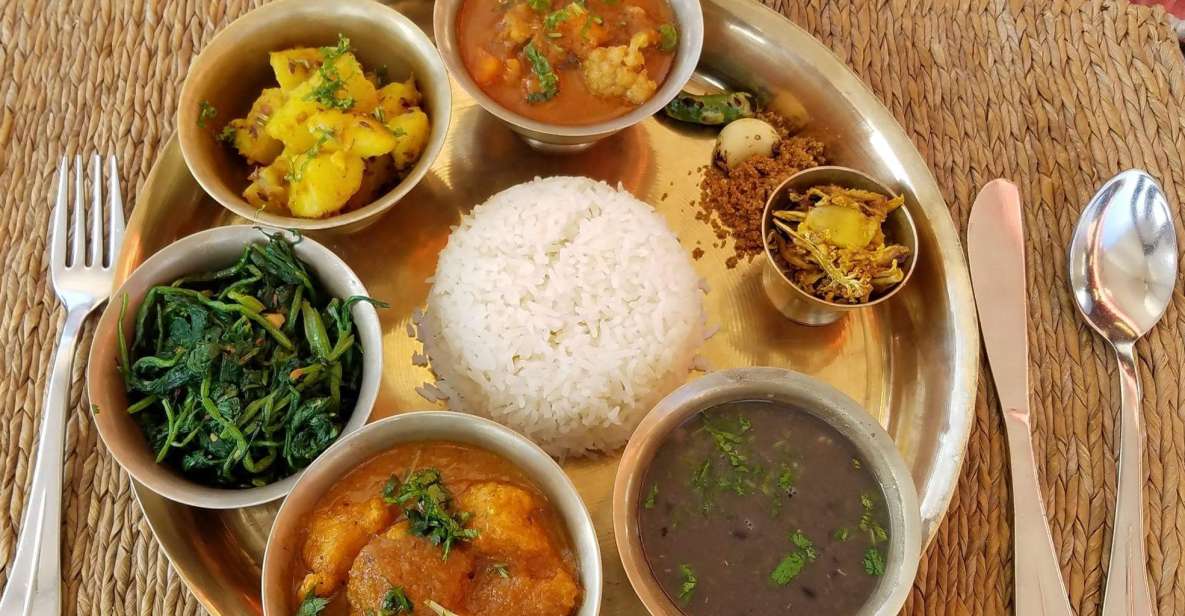
- Hands-on cooking with immediate meals: cook one course, enjoy it fresh and hot
- Three menus with multiple dishes so you get variety, not just one specialty
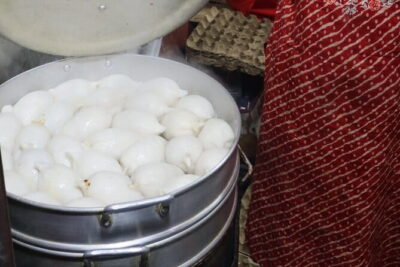
- Momos included, a Nepali classic you can cook yourself
- Spice is adjustable: add chili or keep it mild as you prefer
- Hotel pick-up and drop-off to remove one big hassle in Kathmandu
- English and Hindi instruction, helpful if you’re not fluent in Nepali
A cooking class that actually teaches you, not just feeds you
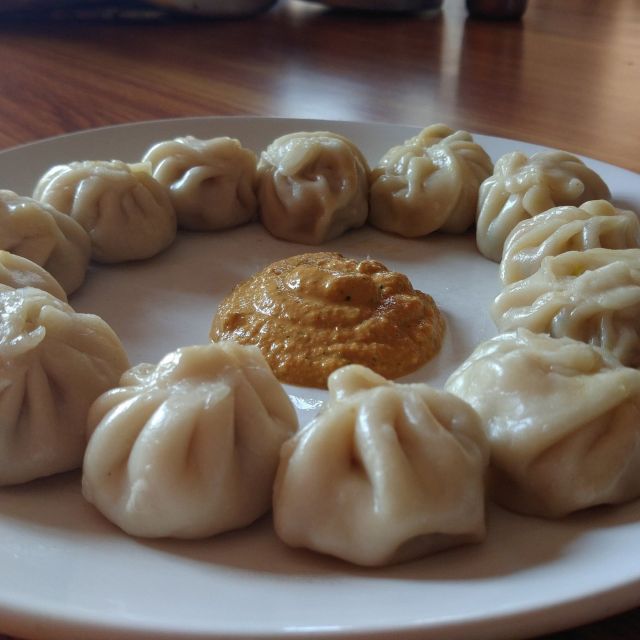
This is the kind of food experience that makes sense in Kathmandu. You’re not standing on the edge watching someone else cook. You’re working with ingredients and techniques, under an instructor’s watch, then eating the results right away.
The class is designed around three different menus, each bringing four traditional Nepali dishes into the rotation. That matters because Nepali cuisine isn’t one flavor or one cooking style. It’s spice, texture, and technique—how legumes are handled, how sauces balance heat, and how dumpling fillings come together. You get that mix in one afternoon.
Also, the included meal setup is a big part of the value. Lunch plus hot drinks (including masala tea) are part of the program, so you’re not forced into finding an extra restaurant later. In a city where time and logistics can add up, this is a simple win.
You can also read our reviews of more cooking classes in Kathmandu
Three menus, twelve dishes, and the rhythm of cooking
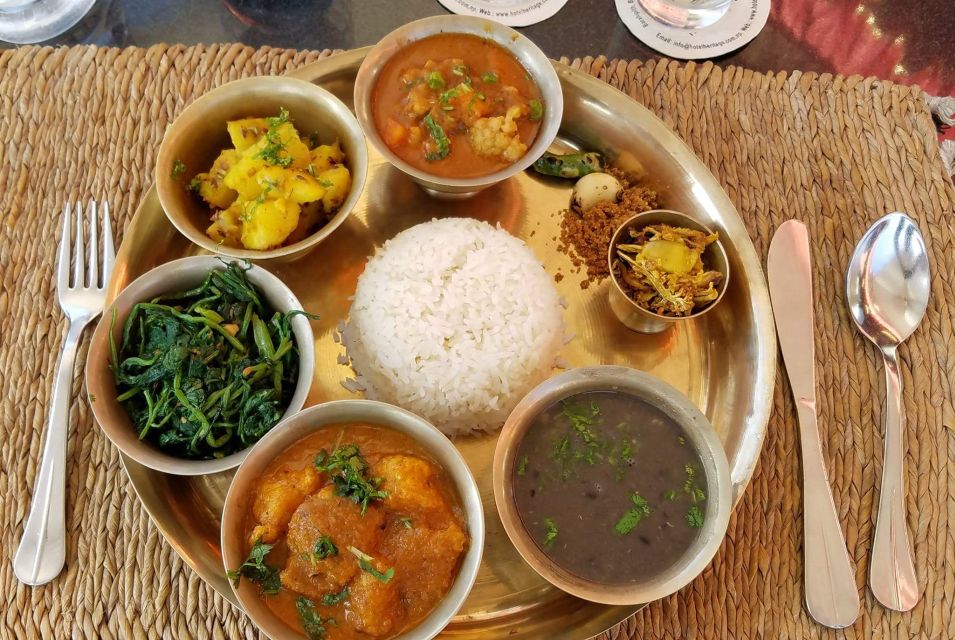
Here’s how the experience is structured in real terms. You’ll follow along dish by dish, and for each part you cook you’ll also sit down to eat what you made. That cook-and-eat rhythm keeps motivation up and makes it easier to connect the technique to the taste.
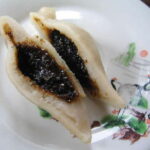
You can expect momos as part of the menus, along with other Nepali dishes that change with the menu option you choose. The program is built to cover enough variety that even picky eaters usually find something they genuinely like.
The chef guides you step by step, and you’re not limited to one way to do it. You can adjust flavors as you go. Want more chili? Add it. Prefer milder food? Keep it lighter. This is one of the best parts for practical travelers, because you’re learning a method you can control, not just copying a finished dish.
A note on timing: at 3–4 hours total, some days feel closer to a shorter cooking session. One reason could be the flow of classes or how the ingredient shopping portion goes. Either way, aim to start with a good appetite and minimal plans afterward.
Ingredient shopping for fresh flavor, and the festival wrinkle
Nepali cooking is closely tied to ingredients, and this class is set up to use fresh produce rather than something pre-made. The experience is intended to begin with choosing what you’ll cook from basic staples, and in some cases that includes a short run through ingredient shops to see what’s fresh.
However, there’s a realistic consideration. If you book during festival season, you might find that you can’t do the market-style ingredient stop in the usual way. You’d still cook and eat, but the front end may be more limited.
So if you’re traveling at a busy time, don’t treat the market stop as guaranteed. Treat it as a bonus. The core value stays the same: you’ll still get hands-on instruction, multiple dishes, and a full lunch.
Cooking step by step: what you’ll learn without any skill stress
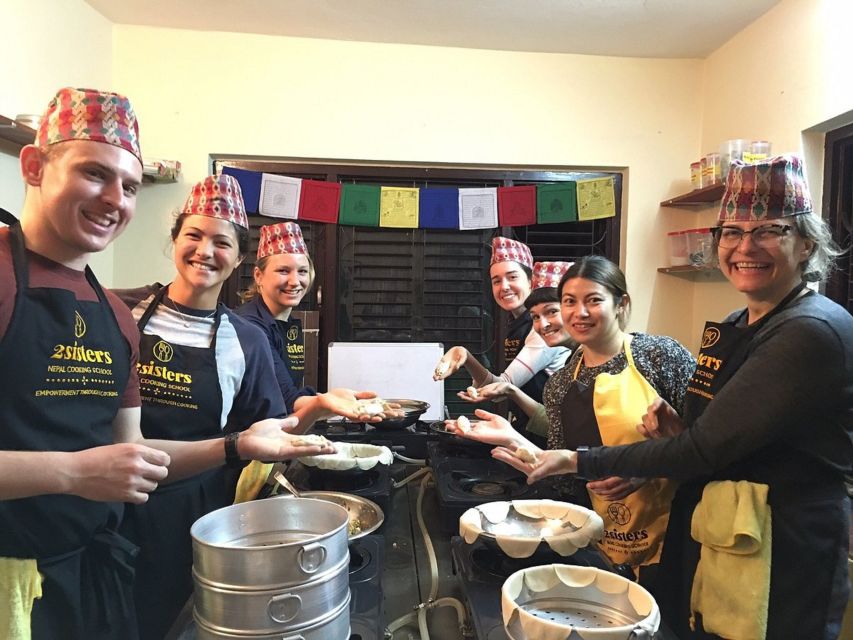
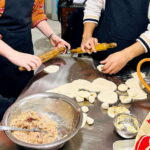
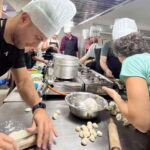
You don’t need cooking skills to do this, and the format supports that. The instructor works with you through each dish, explaining the process as you go, then letting you take the lead while still having someone guide your hands.
In practice, the class teaches you three things you can use later:
- Basic flavor building: when to add spice and how to balance heat with the rest of the dish
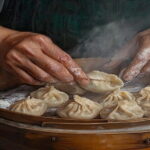
- Texture and timing: how dumpling filling and dough handling affects the final result (especially for momos)
- Decision making: tasting as you cook, then adjusting so the food matches your palate
One of the most comforting parts is that you cook one course and then eat it fresh and hot. That turns the learning cycle into something immediate. You can correct your instincts while the food is still in front of you, not hours later after everything is over.
The instructor team also matters. The English and Hindi instruction makes it easier to ask for adjustments in plain terms. You’re not left guessing what the chef means by a technique. And if you’re traveling with friends who have different spice preferences, you can still keep things moving because the class supports customization.
The meals: lunch that feels like a real win, not a side dish
This isn’t a “snack and a show” class. Lunch is included, and you’ll also have hot drinks, including masala tea. The point is to give you enough food to make the cooking feel worth it, and to let you taste the dishes you made while they’re at their best.
Because you cook multiple dishes across three menus, you’re not stuck with a single plate all afternoon. You’ll likely get a mix that includes momos plus other Nepali favorites from the menu set. That variety helps you understand what Nepali cuisine feels like as a system, not just one iconic dish.
And the fact that you can adjust the seasoning is important. If you grew up eating mild food, you won’t be forced to suffer through intense spice levels. If you love heat, you can push the flavor the way you like.
Just remember: cold beverages and alcohol aren’t included. If you want something specific to drink beyond the hot drinks and masala tea, you’ll need to plan that separately.
You can also read our reviews of more tours and experiences in Kathmandu
Kathmandu value: how $2.15 stacks up against what you get
Let’s talk money, because the listed price is striking. At $2.15 per person, this class reads like serious value on paper—especially once you look at what’s included.
You’re getting:
- Hotel pickup and drop-off
- An expert cooking instructor
- A 3–4 hour hands-on class
- Ingredients and equipment provided
- Lunch included
- Masala tea included
In many cities, paying for just one of those pieces (a cooking lesson, meals, and transport) costs far more. Here you’re buying the full package, including time-saving logistics.
That said, one practical caution: don’t expect a perfectly timed, clockwork 4 hours every day. The program runs within the 3–4 hour window, and some sessions may land closer to 3 hours. You’re not being shortchanged on food, but you might notice the session length varies.
Even with that consideration, the cost-to-experience ratio is hard to beat. You’re paying for instruction plus multiple dishes, and you’ll eat a real meal you made yourself.
Logistics that make or break a class day
In Kathmandu, small details can create big stress. This activity is set up to reduce that stress, but you still want to show up prepared.
Hotel pickup is included, and you’ll want to be ready in your hotel lobby about 5 minutes before your pickup time. If you wander off or wait late, you can end up missing the start.
Packing rules are straightforward:
- You can bring a camera if you want to document your cooking
- Bring comfortable clothes since you’ll be active
- Bring cash as requested
- Luggage or large bags aren’t allowed
That last point matters. It suggests you should travel light that day, or at least keep your cooking-class kit separate from anything bulky.
Also check the timing: the duration is listed as 4 hours, but the class itself is described as 3–4 hours. When you book, use the available starting times to line up with the rest of your itinerary.
Who should book this, and who should skip it
This class is family-friendly in the sense that it’s built to be fun and approachable. It’s described as suitable for people with no prior cooking experience, and it’s aimed at a broad mix of travelers who want to learn.
But there are clear limitations:
- Not suitable for children under 5
- Not suitable for people with mobility impairments
If you’re traveling with kids above that threshold, it can be a good way to get them engaged with hands-on food learning. Still, keep in mind you’ll be cooking and moving through the process for several dishes, so energy level matters.
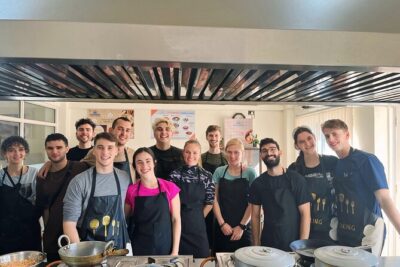
If you’re a solo traveler, this can also be a great pick because you’re busy the whole time. There’s not much idle waiting, and you’ll have a shared experience with other people in the class.
Should you book this Kathmandu cooking class
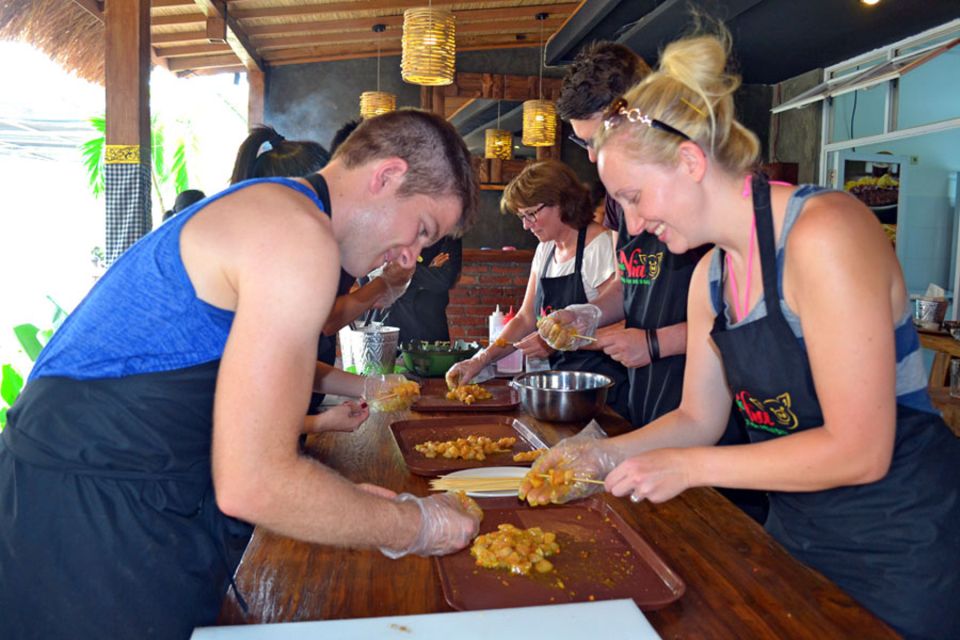
Book it if you want a high-value food activity that teaches you real technique. The biggest selling point is the combination of hands-on instruction, multiple dishes from three menus, and eating what you cooked fresh and hot. If you care about Nepali cuisine beyond the usual restaurant order, this is the kind of class that makes you leave with confidence.
Don’t book it if you’re extremely sensitive to shorter class timing than the ideal 4 hours, or if you rely on mobility assistance, since the program isn’t suited for mobility impairments. Also, if you’re visiting during peak festival season and you’re hoping for a market stop, remember that part may be limited.
If your goal is simple: learn, cook, and eat a real Nepali meal with momos included—this is an easy yes.
FAQ
What is the duration of the Kathmandu cooking class?
The class is listed as 3–4 hours, with a total duration shown as 4 hours. Starting times vary, so you’ll want to check availability for the exact schedule.
Is hotel pickup and drop-off included?
Yes. Hotel pickup and drop-off are included as part of the experience.
What meals and drinks are included?
Lunch is included, along with hot drinks. Masala tea is also included.
Are momos included in the class?
Yes. Nepal’s famous momos are included as part of the menus.
What languages will the instructor use?
The instructor speaks English and Hindi.
Do I need prior cooking experience?
No. The class is designed for beginners and does not require prior cooking skills.
What should I bring, and what is not allowed?
Bring a camera, comfortable clothes, and cash. Luggage or large bags are not allowed.