REVIEW · KATHMANDU
Pashupatinath: Evening tour of temple and Aarati ceremony
Book on GetYourGuide →Operated by Peak to Peak Treks · Bookable on GetYourGuide
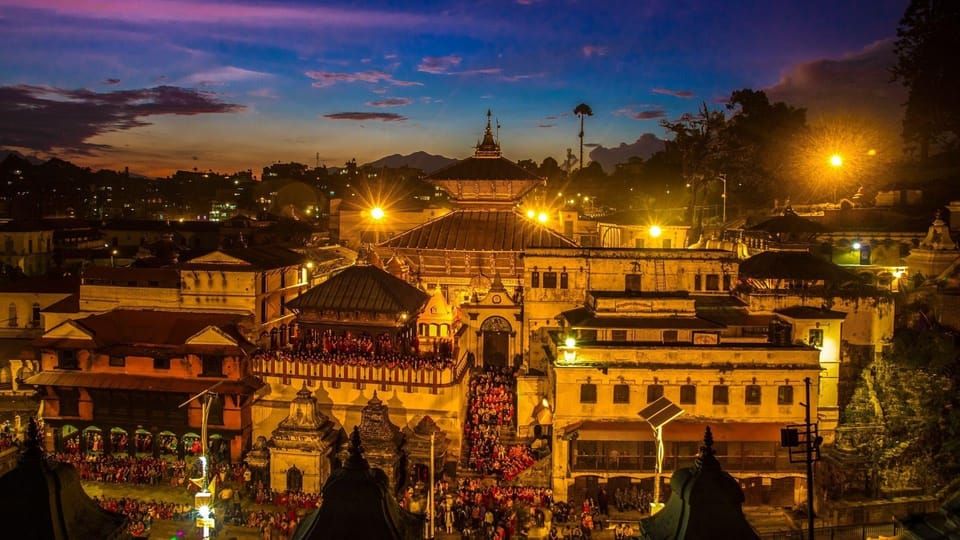
Sacred fire on the Bagmati at night. I love how the Pashupati Aarati turns into a moving mix of oil lamps, chants, and drums, and I also love seeing centuries-old temple architecture close up. One consideration: the cremation rituals at the river ghats are intense and emotional, and they are not a fit for everyone’s comfort.
This is a focused, 3-hour evening visit to one of Nepal’s most important spiritual sites—UNESCO-listed—so you get the big moments without getting lost in logistics. With a private group, transport included, and an English-speaking guide who can explain what you’re looking at, the time feels purposeful, not rushed.
You’ll start on the temple grounds, then walk toward the Bagmati River to witness the solemn practices at the ghats, and finally settle into the sunset rhythm of the Aarati ceremony. It’s a powerful cultural experience that puts life, faith, and death rituals into the same frame.
In This Review
- Key highlights to watch for
- Pashupatinath at dusk: why this evening timing matters
- Entering the Pashupatinath temple complex and understanding the sacred space
- Walking along the Bagmati River ghats and witnessing cremation rituals
- The Pashupati Aarati ceremony: oil lamps, mantras, and drums at sunset
- English-speaking guide and private group: getting meaning fast
- Price and value: why $57 for 3 hours can make sense
- Who should book this tour (and who should think twice)
- How to get the most out of your 3-hour evening
- Should you book this evening tour of Pashupatinath?
- FAQ
- How long is the Pashupatinath evening tour?
- How much does the tour cost?
- What is included in the tour price?
- Is the Aarati ceremony included?
- Will I see cremation rituals at the river ghats?
- What group size is it?
- Can I cancel for a full refund?
- Is this tour suitable for wheelchair users?
- Can I reserve without paying right away?
Key highlights to watch for
- UNESCO-listed Pashupatinath: centuries of Hindu devotion tied to the sacred Shiva lingam
- Bagmati River ghats: you’ll see cremation rituals and learn the meaning behind them
- Aarati at sunset: oil lamps, mantras, and drums in a ritual you can truly follow
- Temple architecture you can’t fake: pagoda-style forms and detailed shrines throughout the complex
- English guide + skip-the-line: helps you spend your time looking instead of figuring
Pashupatinath at dusk: why this evening timing matters
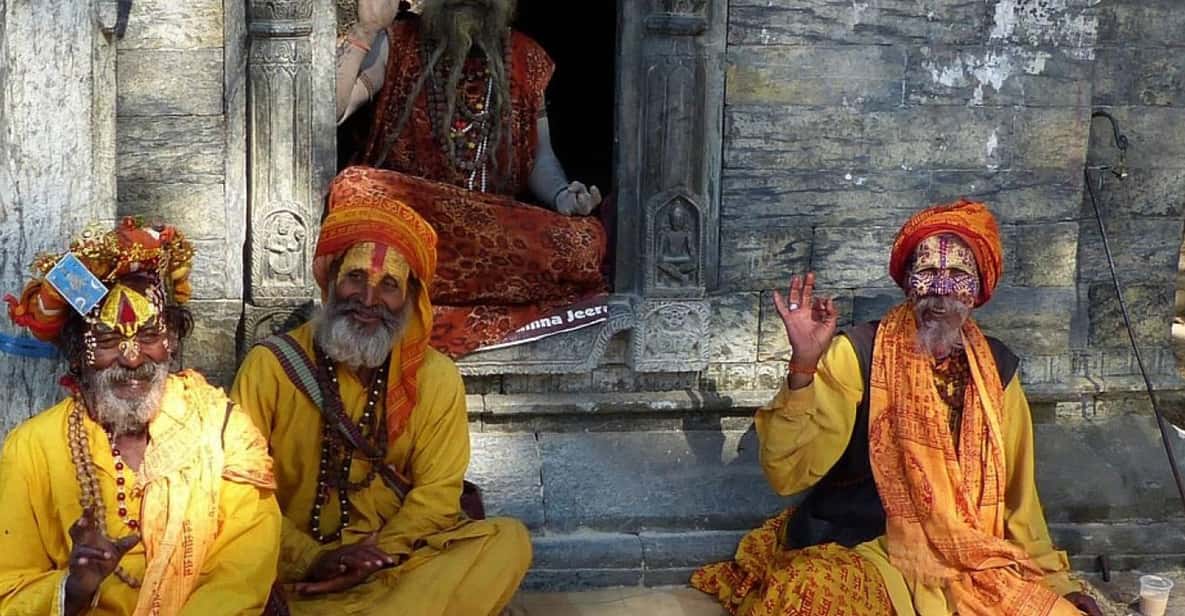
Evening at Pashupatinath has a different pace than daytime sightseeing. You’re not just walking around big stone and carved details—you’re arriving while the temple’s daily spiritual rhythm is shifting toward the night’s ceremony. The air around the complex is filled with incense, bells, and devotees moving with intention, and that atmosphere makes explanations from your guide land differently.
A key reason I like this timing is that it naturally builds toward the main event. First you get oriented to the sacred space—shrines, statues, and the larger setting. Then, as the sun lowers, you’re in the right mood and physical position to watch the Pashupati Aarati unfold near the riverbank.
If you’re hoping for a “quick look and photo” stop, this tour isn’t really built for that. It’s built for understanding what you’re seeing and letting the ritual moments land. The payoff is a much more human, cultural experience—one tied to real daily practice rather than a staged show.
You can also read our reviews of more evening experiences in Kathmandu



Entering the Pashupatinath temple complex and understanding the sacred space
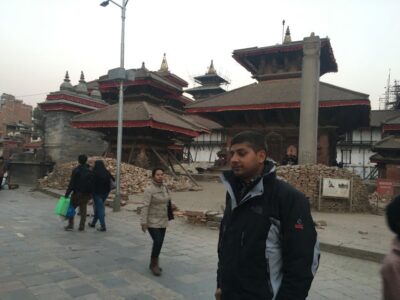
Pashupatinath Temple is known for more than one landmark. What hits first is the architecture: you’ll see the pagoda-style forms and the way the main structure rises with a golden spire. The guide helps connect those shapes to the site’s long-standing religious importance—so it doesn’t just look impressive, it starts making sense.
Inside the grounds, the big focus is the main Pashupatinath Temple, where the sacred lingam of Lord Pashupatinath—revered as a manifestation of Lord Shiva—is housed. Even if you’re not coming as a practicing Hindu, your guide will help you understand why that lingam matters and how devotion is expressed through daily worship.
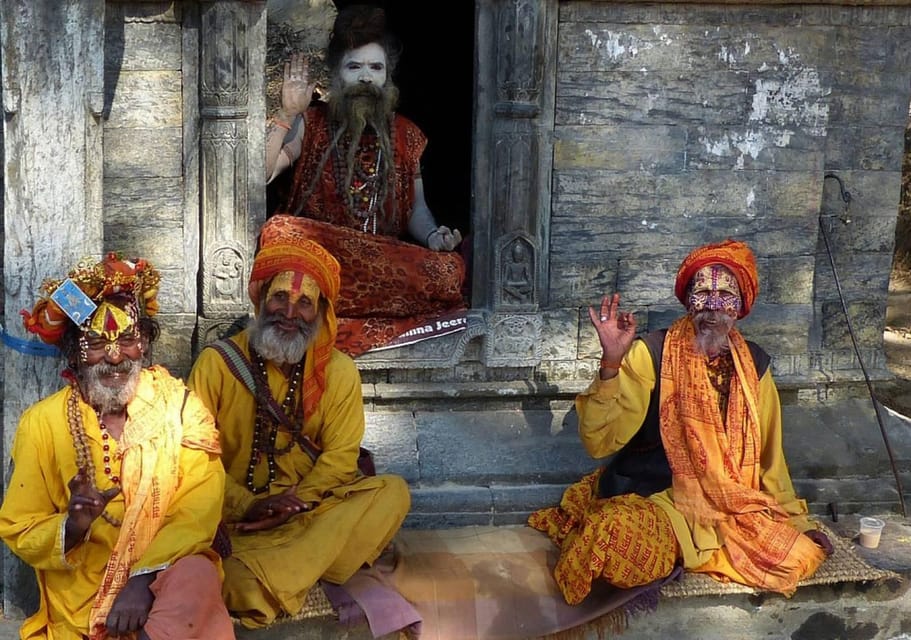
You’ll also move through a series of shrines and murtis (statues) scattered throughout the complex. Each one has its own mythological significance and artistic detail, and that variety is part of what makes the temple grounds feel like a living religious museum. Instead of one big stop, you get a chain of small “look closer” moments, and the guide’s English explanations keep you from missing the meaning behind what you’re seeing.
Practical note: this part of the tour is inside temple grounds and around active devotional areas. Expect ongoing movement—devotees, pilgrims, and other visitors—so you’ll want to keep a respectful distance and follow your guide’s lead on where to stand and when to move.
Walking along the Bagmati River ghats and witnessing cremation rituals
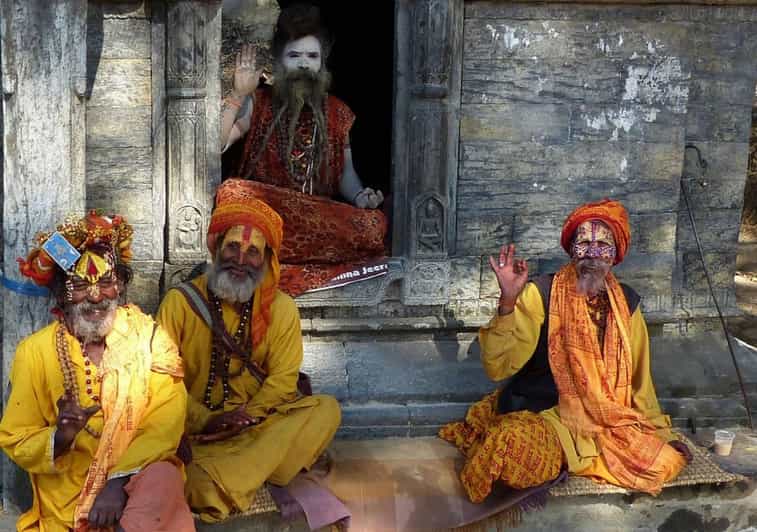
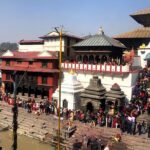
The Bagmati River is not background scenery here—it’s part of the religious practice. As you walk along the banks, you’ll reach the ghats, where cremation platforms host solemn rituals. This is the emotional center of the experience.
What to expect is exactly that: solemnity. Families gather, chanting priests lead the proceedings, and the ritual unfolds with dignified mourning. You’re seeing deeply held cultural beliefs played out in real time—life, death, and the spiritual cycle tied together along the river.
This is also where you should be honest with yourself about comfort. The tour is powerful, but it’s not gentle. If you’re sensitive to funeral practices, you may find this part heavy. On the other hand, if you want cultural understanding that goes beyond monuments and into the realities of belief, this is the moment that often changes people’s perspective.
Respect matters here. Keep your voice down, follow your guide, and avoid turning it into a spectacle. You’ll get more out of the experience by watching carefully than by trying to force photos or act like it’s a normal sightseeing stop.
The Pashupati Aarati ceremony: oil lamps, mantras, and drums at sunset
When the sun starts to drop, the experience shifts into its main ritual: the Pashupati Aarati ceremony. This is the “watch and listen” portion of the tour, where the site’s spiritual meaning becomes more visible and more rhythmic.
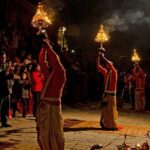
You’ll gather near the riverbank as priests perform intricate movements with oil lamps (diyas). The ceremony is accompanied by chanting of ancient mantras and a hypnotic beat from drums. The combination matters: you’re not only seeing what’s happening, you’re hearing the structure of the ritual and the way it pulls people into shared attention.
Your guide’s job in this segment is crucial. The ceremony can look like a blur if you don’t know what you’re watching. With an English-speaking guide, you can understand the sequence—what the priests are doing and what the final offering represents.
The ceremony culminates in a collective moment of prayers and reverence to Lord Pashupatinath. That collective feel is one of the reasons this tour earns top marks. Even if you come in skeptical of spiritual tourism, you may find yourself paying attention to the details—the lamp movements, the chanting rhythm, and the way the whole riverside area holds still for the key beats.
English-speaking guide and private group: getting meaning fast
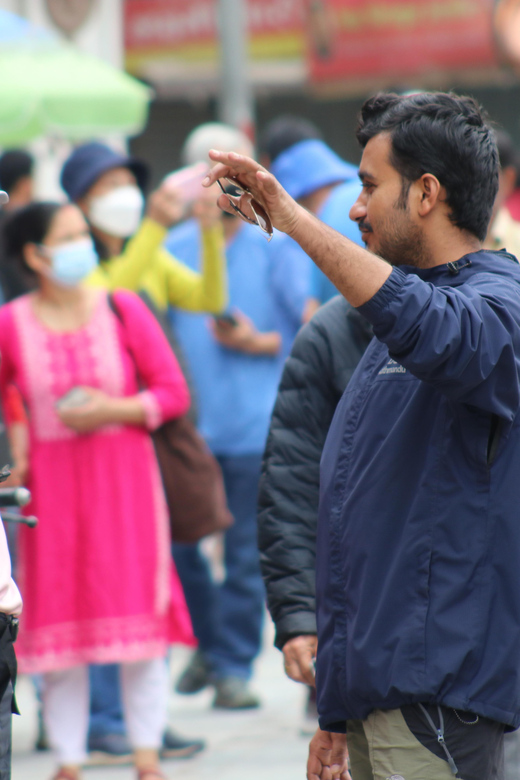
A big advantage of this tour format is time. You have only 3 hours total, and the site can be complex if you’re self-guiding. With transport included, entry fees handled, and skip-the-ticket-line access, you spend your energy on the experience itself.
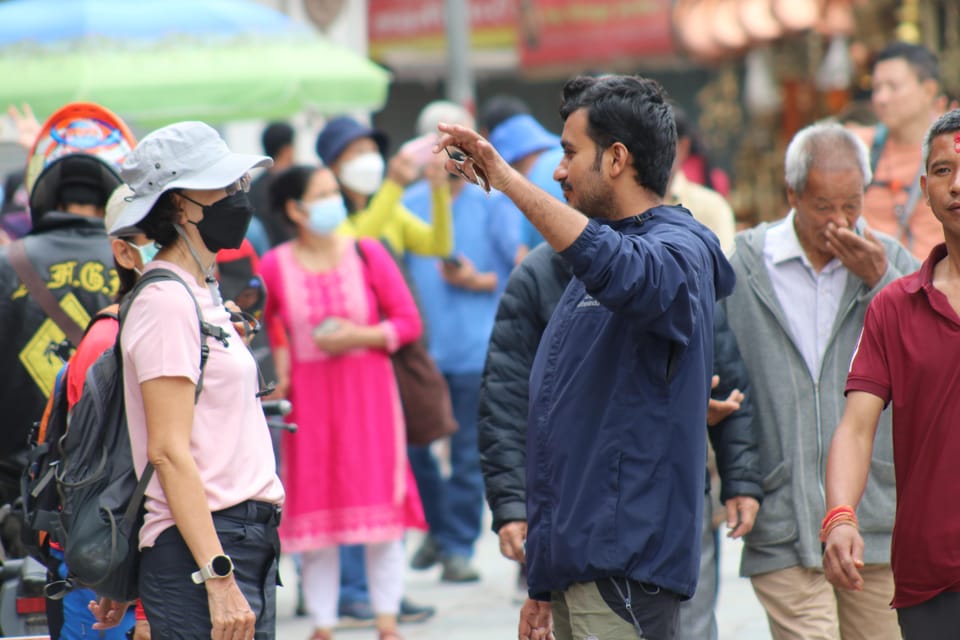
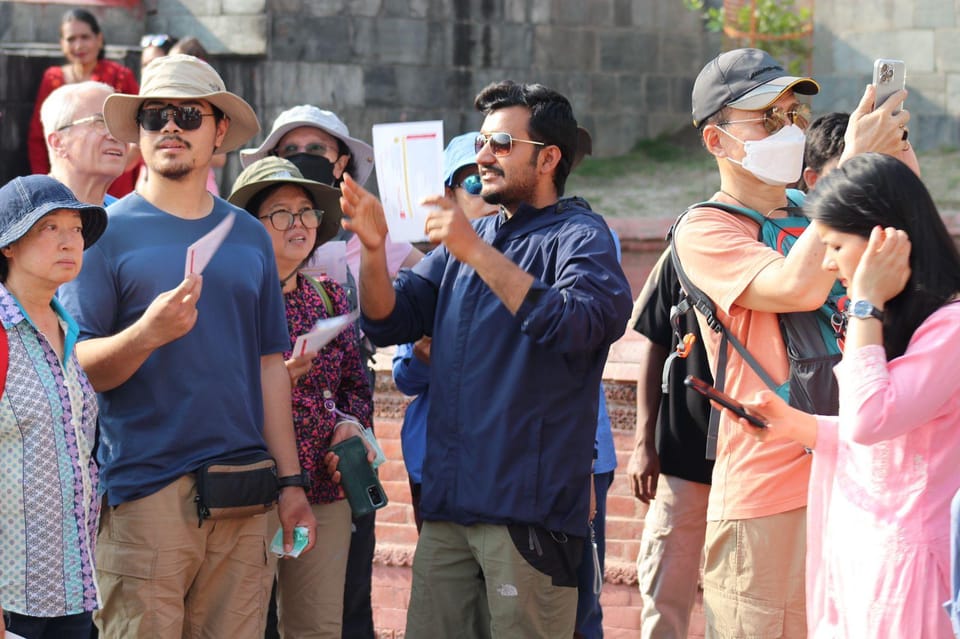
The private group format also changes the feel. You don’t have to fight for space with large crowds, and your guide can slow down when you’re looking at shrines or asking questions. That matters at Pashupatinath, where the details—symbols, statue meanings, the flow of worship—are where the real understanding comes from.
I also appreciate the human touch described by a recent guest: the guide comes across as caring, and there’s even a note about cha being tasty during the outing. That kind of small comfort sounds minor, but in practice it helps you stay focused when you’re standing outdoors near the river and absorbing emotionally heavy rituals.





Price and value: why $57 for 3 hours can make sense
$57 per person sounds like a lot until you break down what’s included. This isn’t just a guide walking you through a museum. You’re getting:
- All transportation
- Entry fees
- An English-speaking guide
- Skip-the-ticket-line access
- A private group
- A compact 3-hour route built around the evening’s main ritual timing
The value is mostly about friction. Without help, it can be harder to plan a tight evening visit that hits both the temple grounds and the Aarati ceremony without losing time. Here, the tour is structured so you arrive at the right moments, and your guide handles the interpretation so you don’t get stuck guessing.
Is it “worth it” if you’re an experienced Kathmandu planner? Maybe you could piece it together on your own. But if you want a low-stress evening that still feels authentic and meaningful, the all-in structure makes the cost easier to justify.
Who should book this tour (and who should think twice)
This is a great fit if you want a Kathmandu experience that feels like real life, not just sightseeing. If you’re interested in Hindu rituals, sacred architecture, and the cultural meaning behind ceremonies, this tour gives you the key components in one evening.
It’s also a solid choice for people who like guided context. The site has enough symbolism that a good English explanation can turn “I’m here” into “I understand what I’m seeing.”
That said, it may be the wrong choice if you know you’re uncomfortable with funeral and cremation rituals. The ghats segment is a core part of the experience, and it’s described in solemn terms for a reason. Also, the tour is not suitable for wheelchair users, so mobility matters.
If you’re traveling with someone who has strong boundaries about death rituals, consider whether they’ll be okay with being present. This tour is respectful and guided, but it doesn’t soften what happens at the river.
How to get the most out of your 3-hour evening
This tour’s structure is tight, so your best strategy is mental, not just physical.
First, go in expecting to switch modes. One hour you’ll be looking at temple details—spires, shrines, and statues. Then you’ll shift to the river ghats and the solemnity of cremation rites. Finally, you’ll watch a ritual performance with oil lamps, mantras, and drums. If you try to treat each phase the same way, you’ll miss what makes each part special.
Second, let the guide do the work. The English explanations aren’t “extras” here. They help you connect the symbolism—especially around the lingam, shrine meanings, and what the Aarati represents—so the ceremony becomes more than movement and light.
Third, keep your expectations grounded. This is a living religious site. That means it can feel emotional, focused, and sometimes intense. The more you let it be what it is, the more you’ll get out of it.
Should you book this evening tour of Pashupatinath?
If you want a short, meaningful Kathmandu experience that covers temple symbolism and a real evening ritual, this tour is an easy yes. The combination of temple grounds, the Bagmati River ghats, and the Pashupati Aarati gives you a full spiritual arc in just 3 hours, with the practical help of transport, entry fees, and an English guide.
I’d only think twice if cremation rituals would be too difficult for you or your travel companion. If you can handle emotionally heavy cultural practices with respect, you’ll likely leave with a stronger understanding of how Nepali spirituality shapes everyday life—and death—along the river.
FAQ
How long is the Pashupatinath evening tour?
The tour lasts 3 hours.
How much does the tour cost?
The price is $57 per person.
What is included in the tour price?
It includes all transportation, entry fees, and an English-speaking guide. You also skip the ticket line.
Is the Aarati ceremony included?
Yes. The tour is designed around the evening Aarati ceremony at Pashupatinath.
Will I see cremation rituals at the river ghats?
Yes. The experience includes time along the Bagmati River to witness cremation rituals at the ghats.
What group size is it?
It’s a private group.
Can I cancel for a full refund?
Yes. You can cancel up to 24 hours in advance for a full refund.
Is this tour suitable for wheelchair users?
No, it is not suitable for wheelchair users.
Can I reserve without paying right away?
Yes. The tour offers reserve now & pay later, with payment deferred.