REVIEW · KATHMANDU
Kathmandu Food Tour
Book on Viator →Operated by Queermandu | Gay Tours Nepal · Bookable on Viator
One good meal can map a whole city. This Kathmandu food tour strings together temples, markets, and seriously specific bites in about three hours, so you’re not just eating, you’re learning what you’re eating and where it belongs. I especially liked the way the guide points out small street-food details you’d miss alone, and I loved the mix of classics like Bara, the fig-shaped Yomari, and spicy Tibetan Laphing. One thing to consider: admission fees for sights are not included, so you may still pay on-site depending on what you stop to enter.
I also like that it keeps things practical. Pickup can be arranged, there’s bottled water, and the group stays small (max 15), which helps when you’re weaving through busy market lanes. For me, the biggest win is the balance: you get lunch-snack energy, but you also get context at places like Basantapur Durbar Square and along the temple route.
In This Review
- Key Things to Know Before You Go
- Kathmandu in 3 Hours: What This Food Walk Really Gets You
- Price and Logistics: Why $32 Makes Sense (and When It Might Not)
- Asan Market: The Alley Where Kathmandu’s Food Culture Shows Up
- Basantapur Durbar Square: Temples and Newar Architecture Between Bites
- Thamel: How the Tour Lands You Back in Kathmandu’s Everyday Loop
- The Food Lineup: Bara, Yomari, Laphing, and That Momos Feeling
- The Guide Makes It: Hidden Spots, History, and a Real Point of View
- Group Size, Pace, and What to Bring for Comfort
- Who This Kathmandu Food Tour Fits Best (and Who Might Want a Different Plan)
- Should You Book the Kathmandu Food Tour?
- FAQ
- How long is the Kathmandu Food Tour?
- How much does the tour cost?
- Is pickup offered?
- Is the tour ticket delivered digitally?
- Are guides available in English and Nepali?
- What food is included?
- Are admission tickets included for sights?
- How large is the group?
- Is there free cancellation?
Key Things to Know Before You Go

- Bite-and-story pacing: you eat across multiple stops, not in one long buffet.
- Market-to-monument flow: Asan market connects food to everyday Kathmandu life, then you shift to historic sites.
- Food highlights include Bara, Yomari, and Laphing plus other Nepali snack-style plates.
- Small group size (max 15) helps the guide manage timing and find good stalls.
- Two-guide setup: you get an English speaking guide and a Nepali speaking guide for smoother communication.
Kathmandu in 3 Hours: What This Food Walk Really Gets You
If you only have a short window in Kathmandu, this kind of tour is the fast lane to the city’s tastes. You’ll walk through neighborhoods where people actually eat day-to-day, then you’ll pause at major cultural landmarks along the way. The format matters: you’re moving often enough to stay hungry, but you’re not sprinting between stops.
What makes it work is the pairing of food and place. The snacks aren’t random. They’re placed where you can make sense of them, like eating street specialties after you’ve seen the market pulse at Asan.
And yes, the food sounds like a greatest-hits menu, but it’s also practical. You’re likely to sample Nepalese staples that feel unfamiliar at first, then suddenly click as you learn what each dish is and why it’s made the way it is.
You can also read our reviews of more food & drink experiences in Kathmandu

Price and Logistics: Why $32 Makes Sense (and When It Might Not)
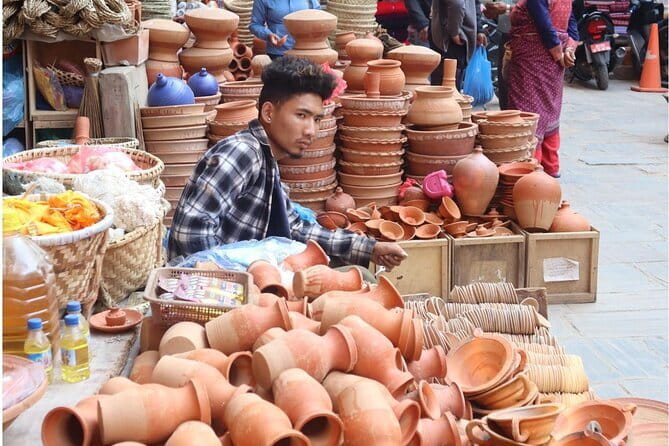
At $32 per person for about three hours, you’re paying for three things: guidance, curated tasting stops, and the convenience of bottled water and snacks. For a walking tour, that’s a reasonable deal—especially in a city where getting local recommendations can save you from the tourist-trap cycle.
That said, your final total might creep up if you decide to enter monuments that require tickets. Admission isn’t included, and the tour also lists all fees and taxes as not included. In other words, you’re not paying twice for the same thing, but you should expect small additional costs depending on what you choose to go inside.
One more practical note: pickup is offered, and there’s a mobile ticket. That combination usually means less hassle finding the group and fewer last-minute surprises if you’re juggling a packed travel schedule.
Asan Market: The Alley Where Kathmandu’s Food Culture Shows Up
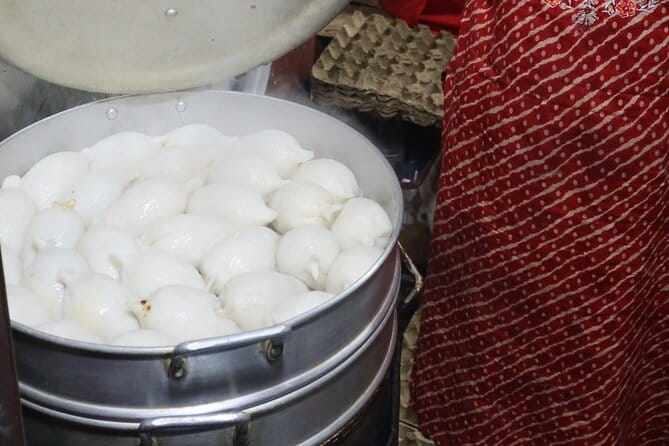
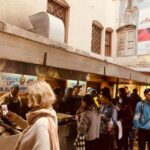
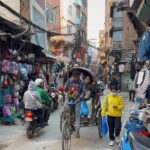
Asan is where Kathmandu food culture feels real and immediate. This stop is built around a set of tasting moments—think multiple food samples rather than one dramatic plate. The tour is structured so you get around the market area long enough to notice patterns: what people reach for quickly, what gets ordered again and again, and how stalls compete with aroma and texture.
This is also where the guide’s job becomes obvious. A good guide doesn’t just translate menus. He helps you find the best places to stand, what to try first, and how to navigate the market without feeling like you’re in the wrong place at the wrong time.
I like markets like Asan because they teach you street-food logic fast. You start to understand why certain flavors are paired, why some dishes show up as quick snacks, and how the city’s daily rhythm shapes what’s served.
Small drawback: markets can be noisy and crowded. If you’re the type who hates close-quarters walking, you may want to mentally prepare for lots of motion and people-watching.
Basantapur Durbar Square: Temples and Newar Architecture Between Bites
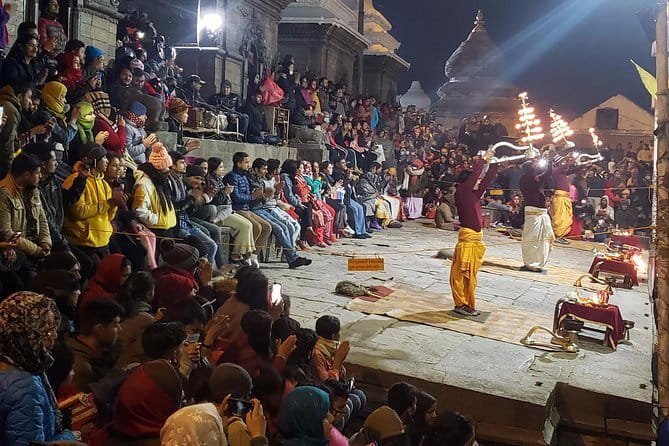
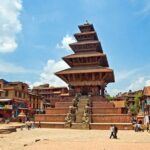
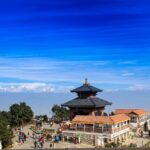
After the market, the tour shifts gears toward Kathmandu’s monumental side, with Basantapur Durbar Square as a key stop. This is a UNESCO World Heritage Site, tied to Nepal’s royal past and known for intricate Newar architecture.
What I like about mixing this with food is that it changes your reading of the city. Market lanes start to make sense when you also understand what kinds of communities built the historic core. You’re not only snapping photos; you’re connecting daily life to the architecture around it.
You’ll get breaks for views and learning, and the overall pace still stays in tour mode, not museum mode. That means you should expect shorter stops to observe and listen, then back to snacks and walking.
Just note the practical piece: admission tickets aren’t included. Some of the most impressive spots can also be the ones that require payment to enter. If you want inside access, budget a little extra.
Thamel: How the Tour Lands You Back in Kathmandu’s Everyday Loop
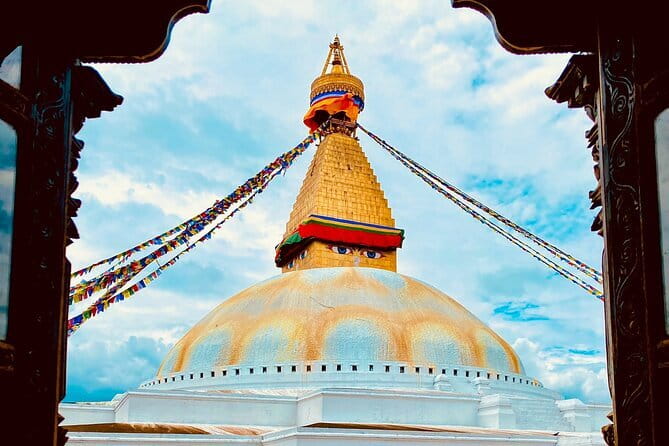
Thamel is next, and it’s a smart closing chapter. It’s the part of Kathmandu that many visitors end up noticing first—shops, eateries, and the kind of street life that makes you feel like you’re inside the city, not beside it.
This stop also helps the tour “stick.” When you finish the tastings and the historic site walk, Thamel gives you an easy transition back into independent wandering. If you liked a dish you tried, you can follow that flavor curiosity while you still have the memory fresh.
One thing I appreciate: this isn’t treated like a showroom. It feels like a continuation of the same Kathmandu energy, just more retail-forward. You’re still surrounded by food choices, and now you understand what to look for.
You can also read our reviews of more tours and experiences in Kathmandu
The Food Lineup: Bara, Yomari, Laphing, and That Momos Feeling
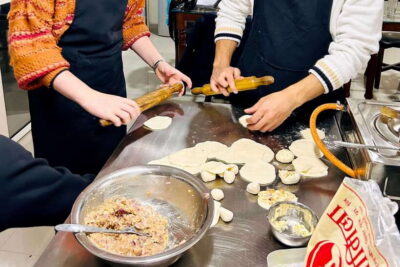
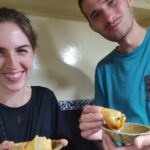
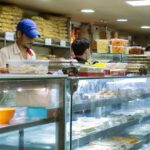
The tour’s food highlights are clear and specific. You’re set up to try dishes like Bara, Yomari, and Laphing. Each one gives you a different angle on Nepalese and Tibetan-influenced street food.
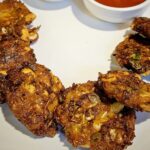
- Bara: a lentil-based pancake you’ll recognize by its savory, pan-grilled feel. It’s the kind of dish that tastes comforting but not boring.
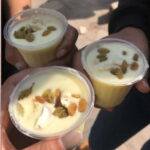
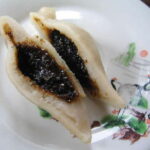
- Yomari: those distinctive, fig-shaped treats filled with molasses. Sweet-spice and sticky richness make it easy to remember.
- Laphing: Tibetan-style noodles with spice and bite. It’s the dish that often decides whether you love spicy street food right away.
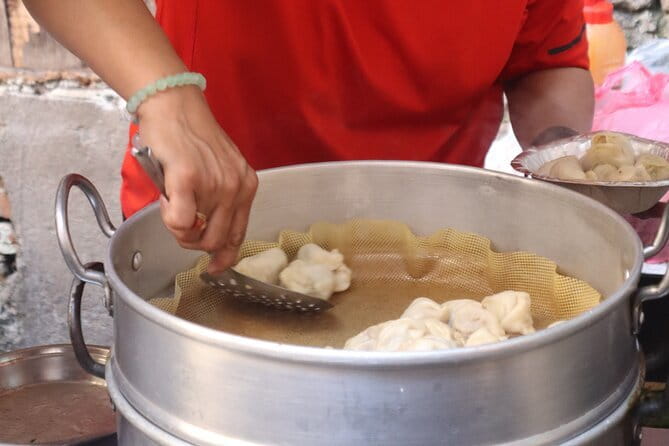
On top of that, reviews point to specific favorites like Chilly Chicken Momos. That matters because it tells me the tour doesn’t only focus on headline dishes. It also pays attention to what people actually order for comfort and crunch.
The tour also includes snacks, bottled water, and guide-led tasting stops. So even if you’re nervous about trying unfamiliar food, you should feel supported throughout the meal course.
One consideration: the food is part of a walking schedule. If you prefer very slow meals, this may feel fast. It’s built for tasting and moving, not for lingering over one huge restaurant plate for an hour.
The Guide Makes It: Hidden Spots, History, and a Real Point of View
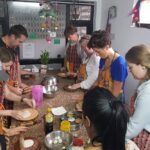
In reviews, the guide quality shows up again and again. The best praise is practical: the guide finds great small spots and explains the meaning behind what you’re eating. It’s not just dates and names. It’s context—why a dish is common, what the setting says, and how the city’s culture shapes daily food choices.
What I really value is the guide’s ability to add his own perspective. That’s what turns a list of dishes into an experience you can repeat. One reviewer even said they did the tour twice, which tells me the tour isn’t a one-and-done script.
Also, there’s a two-language approach: an English speaking tour guide and a Nepali speaking tour guide are included. For you, that usually means fewer gaps when you ask questions about ingredients, spice levels, or how something is traditionally eaten.
Bottom line: if you want food without a homework assignment, pay attention to the guide and ask simple questions as you go. You’ll get more out of the tastings that way.
Group Size, Pace, and What to Bring for Comfort
This is a small group tour, capped at 15 people. I like that number because it keeps the walk from turning into a slow-moving parade. It also helps when you need to adjust quickly around crowds in market lanes.
The duration is about three hours. That pacing is ideal for a first-day city visit or a short stay when you want to avoid spending your entire day in one neighborhood.
For what to bring, keep it boring and functional:
- Wear comfortable walking shoes.
- Bring a light layer if the weather changes.
- Keep some cash or a card handy for any admission fees that show up on-site.
Because the tour includes bottled water, you’re covered there, but you’ll still want to stay comfortable in Kathmandu’s street conditions while you walk.
Who This Kathmandu Food Tour Fits Best (and Who Might Want a Different Plan)
This tour fits you best if you like three things:
- Street food that’s more than just one famous dish.
- City context tied to where you are, not a generic overview.
- A manageable time commitment that doesn’t eat your whole day.
It’s especially good if you’re pairing Kathmandu with temples and cultural stops elsewhere. The tour already gives you both food and key sights, so you don’t have to build the day from scratch.
If you’re traveling with someone who doesn’t want to spend hours on food questions, this still works because the guide does the explaining. You can just show up hungry and curious.
Should You Book the Kathmandu Food Tour?
I think you should book it if you want a fast, food-forward way to understand Kathmandu beyond photos. The tour does a rare thing well: it links market snacks with major historic space, so you walk away with a stronger sense of the city’s culture and not just a full stomach.
Even if you’re not a street-food superfan, the highlighted dishes like Bara, Yomari, and spicy Laphing give you a clear entry point. And if you do have dietary or spice concerns, use the guide during the walk to steer what you try.
Skip it only if you hate walking through crowds or you need long seated meals. This is a tasting and moving tour, not a relaxed restaurant hang.
FAQ
How long is the Kathmandu Food Tour?
The tour lasts about 3 hours.
How much does the tour cost?
It costs $32.00 per person.
Is pickup offered?
Yes, pickup is offered.
Is the tour ticket delivered digitally?
Yes, you get a mobile ticket.
Are guides available in English and Nepali?
Yes. The tour includes an English speaking tour guide and a Nepali speaking tour guide.
What food is included?
The experience includes snacks and traditional dishes. The foods highlighted include Bara lentil pancakes, Yomari, and Tibetan Laphing noodles, with favorites like chilly chicken momos mentioned in reviews.
Are admission tickets included for sights?
No. Admission tickets are not included.
How large is the group?
The group size is limited to a maximum of 15 travelers.
Is there free cancellation?
Yes, you can cancel for a full refund up to 24 hours in advance of the experience’s start time.