REVIEW · KATHMANDU
10 Days Annapurna Base Camp Trek from Kathmandu
Book on Viator →Operated by CAN Travels · Bookable on Viator
The Himalayas make every step feel personal. This 10-day Annapurna Base Camp trek pairs a smooth Kathmandu-to-Pokhara start with a government-licensed English-speaking guide, plus the big payoff: the Annapurna Base Camp area and its early views. It’s built for people who want the hard parts handled and the mountain time maximized.
I like how much of the travel grind is taken care of for you: hotel pickup and drop-off, a tourist bus ride to Pokhara, and official permits handled through the guide. I also like the human side of the trek, with village days such as Ghandruk and Chhomrong and local culture explained along the way by guides like Krishna and Amrit.
One consideration: the trek isn’t all-inclusive on meals. Food and drinks are available to purchase, so you’ll want to budget and carry cash for daily stops, especially as you get tired.
In This Review
- Key highlights worth your attention
- From Kathmandu to Pokhara: the part that sets your mood
- Day by day: what each walking day feels like (and what to watch for)
- Day 2 to Ghandruk: your first real taste of Annapurna villages
- Day 3 to Chhomrong: stepping into Gurung life with big views overhead
- Day 4 to Bamboo: more up-and-down than you expect
- Day 5 to Deurali: rhododendron and bamboo forests before the high zone
- Day 6 to Annapurna Base Camp: the day of early views and avalanche-aware timing
- Day 7 back to Bamboo: recovery by moving downward (not stopping)
- Day 8 to Jhinu Danda: steps, climbs, and a steep day that still has personality
- Day 9 toward Pokhara: the “easier” day that still gets you across the region
- Day 10 back to Kathmandu: long bus ride, quick wrap-up
- Guide quality and why it matters more than you think
- Price and value: is $490 really a good deal for this route?
- Comfort level: what you can expect in Pokhara and on the trail
- Who should book this trek, and who should pause
- Should you book CAN Travels’ 10 Days Annapurna Base Camp trek?
- FAQ
- Is hotel pickup and drop-off included?
- Do I need to arrange trekking permits for this trek?
- What about food and drinks during the trek?
- How many nights will I stay in Pokhara?
- Is this a private trek or a shared group tour?
- What is the start time listed for the experience?
Key highlights worth your attention
- Government-licensed English-speaking guide to manage permits, documents, and day-to-day safety
- Pokhara support with 2 nights in a 2-star hotel plus breakfast, so you’re not trekking nonstop right away
- Classic Annapurna route beats through Ghandruk, Chhomrong, Bamboo, Deurali, and down via Jhinu Danda area
- Base Camp day includes avalanche-prone sections, meaning you’ll follow timing and instructions closely
- Private tour for your group with group discounts available if you book with others
From Kathmandu to Pokhara: the part that sets your mood
Most Annapurna Base Camp plans succeed or fail on day one. This one starts by taking you out of Kathmandu early, then moving you by tourist bus to Pokhara (about seven hours). You’re not hiking yet, but you’re getting the first “yes” moment: the road journey that puts you in the Annapurna region mindset.
Once you arrive, you get time to rest and reset. That matters, because the trek starts with real walking days soon after. You also get two nights in Pokhara at a 2-star hotel with breakfast, which gives you a base to wash up, organize your gear, and sleep without the trekking schedule hanging over your head.
If you’re the type who hates feeling rushed, I think you’ll like this pacing: travel today, hike tomorrow. And if you’ve ever done a trek that starts immediately with a steep trail after a long commute, you’ll appreciate having this breathing space.
You can also read our reviews of more hiking tours in Kathmandu
Day by day: what each walking day feels like (and what to watch for)
Below is how the route unfolds in plain terms, plus the practical stuff to keep in mind.
Day 2 to Ghandruk: your first real taste of Annapurna villages
After reaching Nayapul by taxi/car from Pokhara, you start walking toward Ghandruk via Sauli Bazar. The day is listed at about five to seven hours and involves a steep hill trail. This is a great “warm-up challenge” day: you’ll feel effort, but you’ll also get the reward of crossing into village terrain rather than only forest and rock.
Ghandruk is a classic stop for a reason: it’s the kind of place where culture isn’t an add-on. You’re surrounded by everyday life, and you’re not just counting minutes until the next viewpoint.
Practical tip: start slower than you think you need to. On routes like this, the first steep section can fool you into burning energy early.
Day 3 to Chhomrong: stepping into Gurung life with big views overhead
From Ghandruk, the route continues toward Chhomrong. You trek through Kumrong danda with ascents and descents, and the walking time is listed around six hours. You’ll arrive at a place associated with a typical Gurung people lifestyle, plus natural attractions.
This is where the trek starts to feel more like a journey and less like exercise. Chhomrong is also a strong psychological milestone: the route is trending toward the higher Annapurna zones, and you can feel that in how the scenery changes.
What to watch for: descent days can be tougher on your knees than the climbs are on your legs. If you take shorter steps and keep your balance, you’ll save yourself for later.
Day 4 to Bamboo: more up-and-down than you expect
The next leg takes you from Chhomrong down toward Chhomrong Khola, then up again after crossing the stream. The day is listed at about six hours and includes multiple uphill and downhill sections.
Then you reach Bamboo, a stop that often feels like the “transition” point from village trekking into more alpine-feeling terrain. You’ll likely notice the trail becomes more about forested stretches and steady movement rather than open village edges.
If you’re new to trekking, this day can be the one where you realize the rhythm matters more than speed. Aim for consistent footwork, and try not to “go for it” just because you feel okay.
Day 5 to Deurali: rhododendron and bamboo forests before the high zone
You follow the trail from Dovan to Deurali, and the route is described as short and beautiful through bamboo and rhododendron forests. The walking time is about seven hours, and you’re also told that majestic peaks can greet you along the way.
Deurali is one of those places where the environment starts to feel higher and sharper. Even without guessing exact altitude, you’ll likely notice cooler air and a different kind of light. For many people, this is the emotional lead-in to the Base Camp push.
Practical tip: dress in layers. Even if mornings start cool, the sun can change your comfort quickly once you’re working.
Day 6 to Annapurna Base Camp: the day of early views and avalanche-aware timing
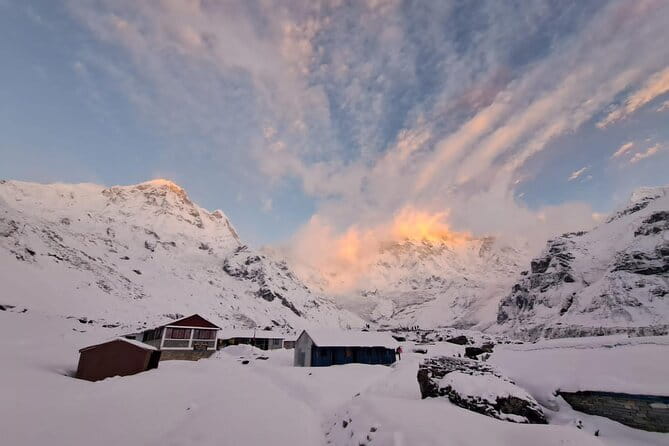
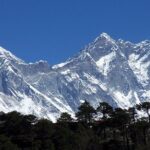
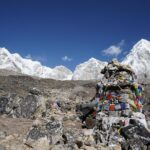
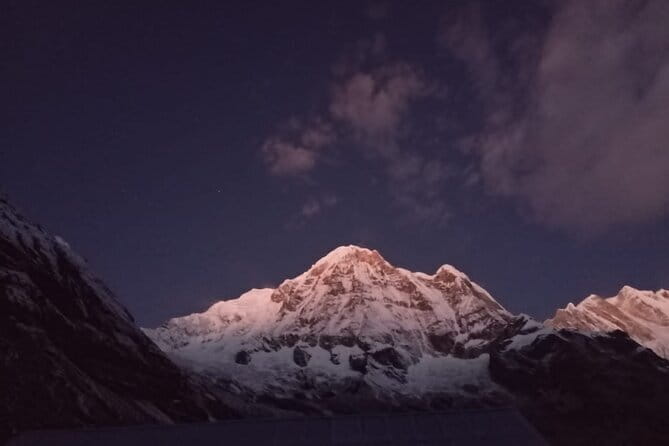
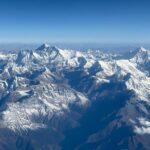
This is the headline day: trekking from Deurali to Annapurna Base Camp (listed about seven hours). The route goes through high alpine forest with “stunning Himalayan views of snow-capped peaks,” and it also passes several spots known for avalanches.
That last detail isn’t there for drama. It’s a reminder to take timing and guidance seriously. Your guide is there to manage the day safely, and you should plan to stick close to the plan rather than improvising around difficult sections.
The overview also promises sunrise views, so you can expect the Base Camp area to be a “wake up and look” kind of moment. This is the day you remember when someone asks why you trekked.
What you’ll likely feel: joy mixed with relief. Many trekkers arrive after a long day and realize they’ve done something bigger than they expected.
Day 7 back to Bamboo: recovery by moving downward (not stopping)
After spending time at the mountains, you trek down to Bamboo. The day is listed at about six hours and follows the same path back. The route description notes a drop of around 1,700m, which tells you why this day often feels both easier and tiring.
Downhill days feel good on the heart because you see progress visually. But your legs still need care. Keep your steps controlled, and don’t let fatigue make your stride careless.
Day 8 to Jhinu Danda: steps, climbs, and a steep day that still has personality
From Bamboo, you trek to Jhinu Danda (about six hours). The description includes a steep ascent to Kuldi Ghar, plus stone steps near Lower Chomrong, and repeated climbing. In other words: this isn’t just a flat walk back.
Jhinu Danda is often connected with hot-springs culture in the Annapurna region. One past highlight tied to this return day is a hot-springs stop on day 10, which many people love after the trekking grind. If your schedule allows, that kind of soak can be the perfect reset.
Even if you don’t plan on hot springs, this day has a clear goal: get your body ready for the easiest-feeling travel day that comes next.
Day 9 toward Pokhara: the “easier” day that still gets you across the region
After breakfast, you start trekking toward Siwai, then take a shared jeep or bus to Nayapul, followed by private transport back to Pokhara. This day is listed around seven hours and is described as one of the easiest days of the whole trek.
I like days like this because they give you movement without the constant threat of a tough incline. It’s also where you shift from trekking brain to transit brain. You’ll be tired, but you’ll also be close to the end, which changes how everything feels.
Day 10 back to Kathmandu: long bus ride, quick wrap-up
Today you follow the highway through rivers, hills, and small Nepalese settlements, with about a seven-hour bus ride back into Kathmandu Valley. The pickup/drop-off is included, so you’re not left to figure out your final transfer alone.
This final day is basically a reset and a landing. You’ll likely think about one thing from each previous day. That’s normal. If you treat it like a landing instead of one last effort, the end of the trek will feel satisfying.
Guide quality and why it matters more than you think
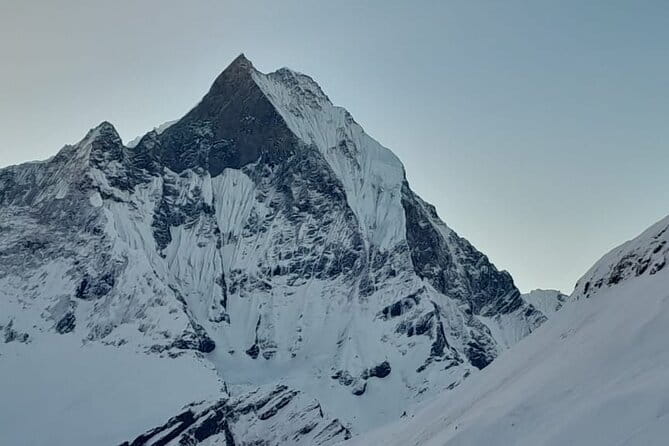
This trek includes an English-speaking guide who is government-licensed, and it also includes a normal first aid kit in an emergency. That’s not fluff. On a trek with multiple uphill/downhill days and avalanche-prone sections around Base Camp, a good guide keeps the route readable and the pacing realistic.
From the kinds of guides mentioned in past departures, you can see a pattern: guides like Krishna, Amrit, Milan, Deepak, Biru, and Prakash are described as friendly, attentive, and good at explaining local culture and what you’re seeing. That matters because the trek isn’t only about scenery. It’s also about understanding what you’re passing—forests, villages, rivers, and daily life in the Annapurna region.
Also, guide organization can save you mental energy. Permits and official documents are included, so you’re not spending your time worrying about paperwork while you should be getting sleep and packing.
Price and value: is $490 really a good deal for this route?
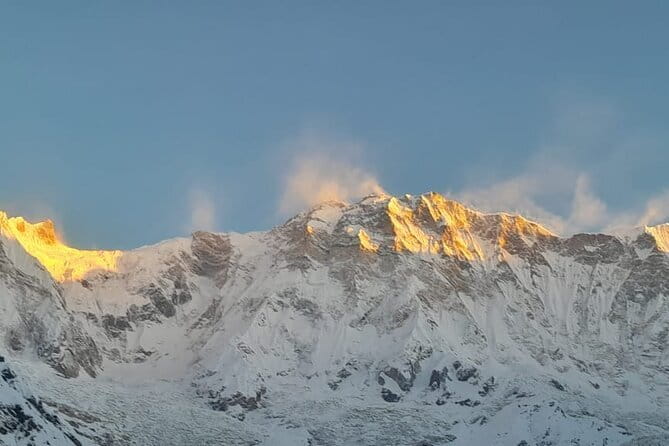
At $490 per person, this is priced like a guided trekking package with the big logistics handled for you. The included items are substantial: hotel pickup and drop-off, Kathmandu-to-Pokhara to Kathmandu transfers by tourist bus, 2 nights in Pokhara with breakfast, a licensed guide, trekking permits and official documents, and transport to/from the trailheads.
What’s not included is the day-to-day reality of daily fueling: food and drinks are available on purchase. That means your total spending will depend on how you eat, but it also gives you control. If you want simpler meals, you can; if you want snacks and drinks more often, you’ll spend more.
When I evaluate value on a trek like this, I look at risk and hassle. Here, the guide and included permits reduce the risk of getting stuck with missing paperwork, while the transfers reduce the hassle of coordinating buses at the last minute.
If you’re traveling solo and want a “hand it to someone” experience with English support, this can be a sensible way to do Annapurna Base Camp without turning the trip into logistics management.
Comfort level: what you can expect in Pokhara and on the trail
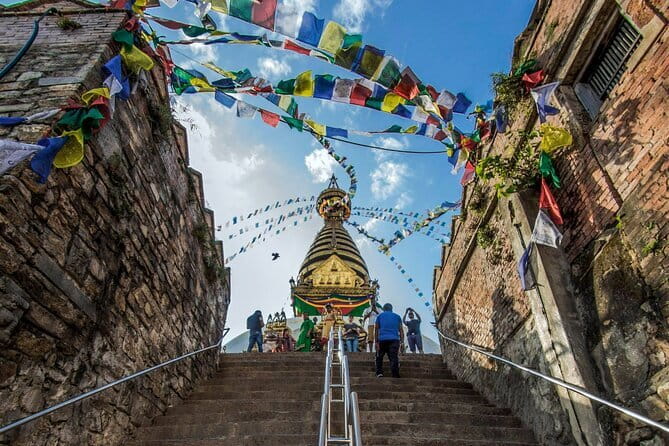
Comfort here is practical rather than luxury. Your overnight stays in Pokhara are listed as 2-star label hotel accommodation with breakfast. That’s the right level for many trekkers: clean enough, close enough to useful services, and not so expensive that you feel forced into a comfort-first mindset.
On the trek days, your comfort will come from pacing and planning: good timing, appropriate layers, and resting when the schedule gives you that chance. The package includes the guide’s food and accommodation, plus their expenses, which usually means the team runs smoothly.
One more thing: because the tour is private for your group, your experience is less about crowd control and more about your party’s comfort. That can be a big deal if you’re sensitive to noise, group pressure, or being rushed.
Who should book this trek, and who should pause
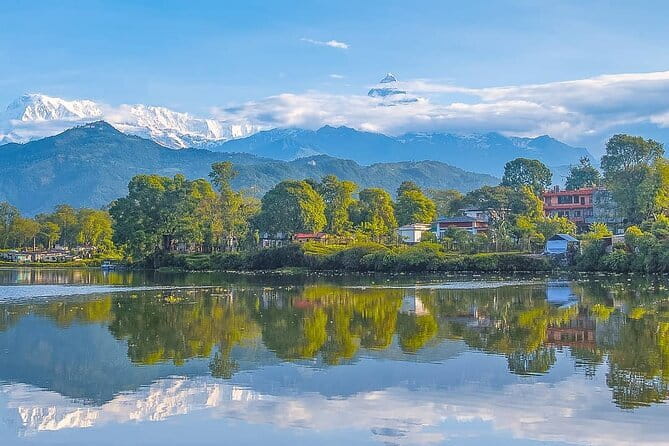
This trek fits best if you:
- want Annapurna Base Camp with a guide handling permits and key transport
- prefer a route that includes Pokhara rest nights before the trekking starts
- can handle a moderate fitness level and multiple days of ascents and descents
- like a mix of mountains and village culture (Ghandruk and Chhomrong are central)
You might pause if:
- you hate managing meals and prefer fully inclusive packages
- you’re looking for a flat, easy hike every day (this route includes steep sections and stone steps)
- you’re not comfortable following a safety-focused plan, especially on avalanche-aware sections near Base Camp
Should you book CAN Travels’ 10 Days Annapurna Base Camp trek?
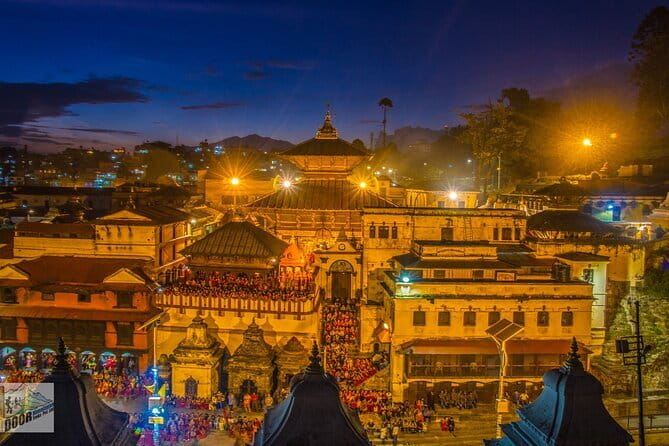
If you want Annapurna Base Camp without turning your vacation into transportation planning, this is a strong choice. The combination of licensed guide + included permits + Pokhara hotel nights + organized transfers hits the sweet spot for many first-time trek readers.
If your budget is tight, remember the missing piece is meals: food and drinks are purchase-only. Still, that doesn’t make the price bad. It simply means you should plan for daily spending rather than assuming the package covers everything.
Overall, I’d tell you to book if you want a classic Annapurna route with clear structure, real village walking, and mountain time that feels rewarded—especially on the Base Camp day.
FAQ
Is hotel pickup and drop-off included?
Yes. Pickup and drop-off are included as part of the package, along with other Kathmandu and Pokhara transfers.
Do I need to arrange trekking permits for this trek?
No. Trekking permits and all official documents are included, handled through the trekking guide.
What about food and drinks during the trek?
Food and drinks are not included. They’re available to purchase along the way, so plan a daily budget and carry some cash.
How many nights will I stay in Pokhara?
You get 2 nights in Pokhara at a 2-star label hotel, and breakfast is included.
Is this a private trek or a shared group tour?
It’s private. Only your group participates.
What is the start time listed for the experience?
The listed start time is 11:15 am.