REVIEW · KATHMANDU
Chisapani – Nagarkot Trek Nepal – 3 Days
Book on Viator →Operated by Alpine Club of Himalaya · Bookable on Viator
Three days can change how you see Nepal. This private trek connects forest trails in Shivapuri National Park to the famous viewpoints around Nagarkot, with guides handling permits, food, and lodging so you can focus on walking and taking in the views. You’ll pass oaks, pines, and rhododendrons, and your route is built around classic viewpoints and cultural stops near Kathmandu.
What I like most is that you get real mountain time without the hassle. I love that round-trip private transportation from Kathmandu is included, plus your National Park entry fees are covered. I also like the human touch in how the trip is run: one review mentioned the guide turning the long trek hours into good vibes, even with music along the way.
One drawback to weigh: you’re relying on weather for the best sightlines. If the skies are cloudy, Nagarkot’s big “see the Himalayas” moment can be muted, so pack for cool mornings and plan to enjoy the hike even when views are hazy.
In This Review
- Key highlights worth the attention
- Price and what you actually get for $425
- How hard is this trek, really? (Timing, terrain, and altitude reality)
- Day 1: Sundarijal to Chisapani through Shivapuri National Park
- Day 2: Chauki Bhanjag lunch views, then the descent into Nagarkot
- Day 3: Ridge walk to Changu Narayan Temple from Nagarkot
- Meals, nights in teahouses, and the included cold-weather kit
- Kathmandu welcome and farewell dinners: more than a nice perk
- Who this trek fits best (and who should plan differently)
- What to pack (so you enjoy it more, not just survive it)
- Should you book this Chisapani to Nagarkot trek?
- FAQ
- What does the trek include regarding transport from Kathmandu?
- How long is the trek from Chisapani to Nagarkot?
- What meals are included during the trek?
- Where do you sleep during the trek?
- Are park permits and entrance fees covered?
- Is trekking gear included for cold weather?
- Is the Nepal visa fee included in the price?
- What’s the cancellation policy?
Key highlights worth the attention
- Private Kathmandu transfers: you avoid shared chaos and get dropped at the start trailhead.
- National Park permits included: your guide organizes the paperwork so you don’t scramble.
- Down jacket and 4-season sleeping bag rental: real gear help, not just advice.
- Teahouse or lodge nights: simple stays that match the trekking rhythm.
- Two dinners in Kathmandu: a welcome and farewell meal, not just “show up and go.”
- Changu Narayan Temple day: a cultural finish that’s more than another viewpoint stop.
Price and what you actually get for $425
At $425 per person for about 3 days, the value mostly comes from what’s included. This isn’t just a guided hike. You’re paying for guided logistics: private transfers from Kathmandu, park permits and entry fees, meals across the trek, lodging for multiple nights, and even cold-weather sleeping setup through the down jacket and sleeping bag rental.
If you’ve trekked before, you know how fast costs add up when you have to piece everything together. Here, the guide organizes permits, food, accommodation, and transportation, which matters because it removes the most stressful parts: paperwork, finding the right teahouse rooms, and guessing what you’ll need for cold nights. You still handle your own visa and any personal expenses, but the trekking core is handled.
Group discount details are mentioned, and the trip is private in the sense that it’s run for your group rather than mixed crowds. That usually means the schedule feels more flexible and coordinated around your start times and walking pace.
You can also read our reviews of more hiking tours in Kathmandu
How hard is this trek, really? (Timing, terrain, and altitude reality)
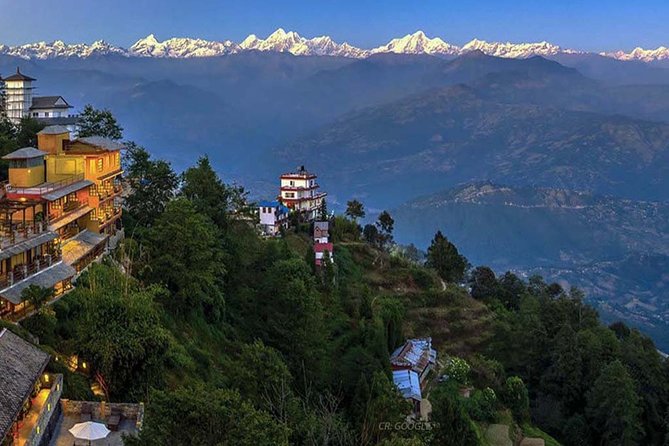
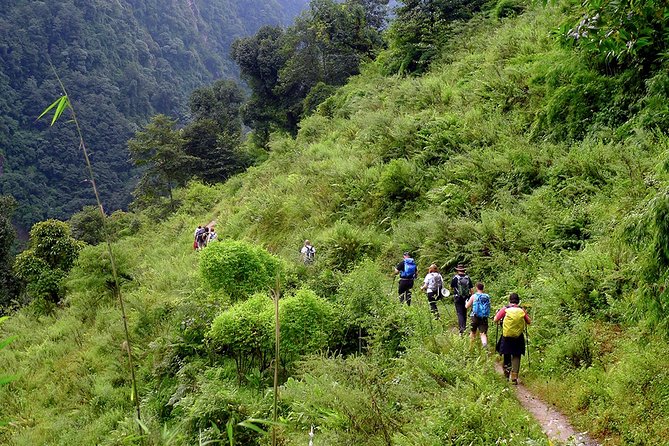
This is a short trek by Nepal standards, but don’t treat it like a casual walk. The day hikes are spaced well, but you’re still covering multiple hours of uphill walking and ridge paths, with descents built in.
You’ll trek:
- Day 1: about 4.5 hours from Sundarijal to Chisapani
- Day 2: about 2.5 hours to Chauki Bhanjag, then about 3 hours downhill to Nagarkot
- Day 3: about 3.5 hours to Changunarayan / Changu Narayan along the ridge down from Nagarkot
Chisapani sits at about 7,545 ft / 2,300 m, and you’ll keep gaining and losing elevation across ridge trails. Even if you’re fit, Nepal trekking is about constant movement—your legs do more than you expect, especially on the downhill sections.
The good news: the trek is described as recommended for all, and it’s “most travelers can participate.” That doesn’t mean it’s effortless. It means the route and guidance are set up for a wide range of hikers who show up ready to walk steadily, take breaks, and keep going with a guide who’s coordinating the day.
Practical note: mornings and nights near hill viewpoints can feel sharply cold. The included rental gear (down jacket and sleeping bag) is there for a reason—use it, especially on lodge/teahouse nights.
Day 1: Sundarijal to Chisapani through Shivapuri National Park
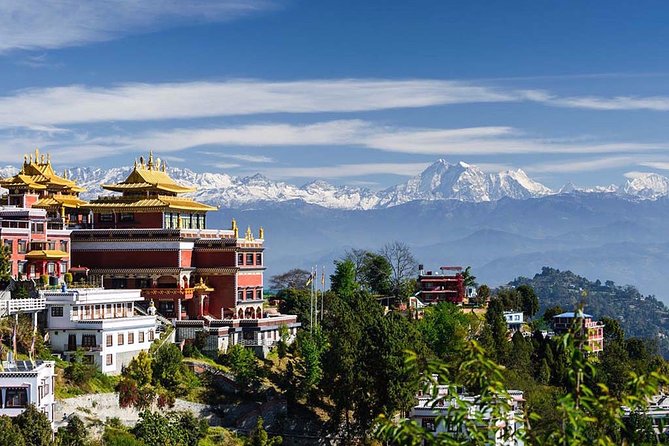
Day 1 starts with a meet-up in central Kathmandu, then a private transfer to Sundarijal. From there, your trek to Chisapani takes about 4.5 hours. Chisapani is your base altitude at around 2,300 m, so expect cool air and slower breath if you’re not used to hiking.
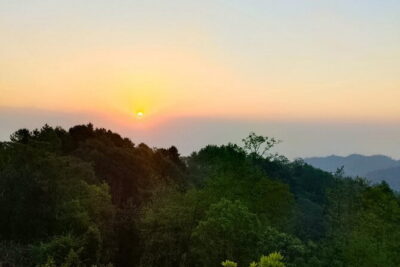
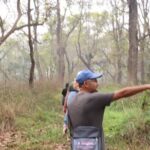
This is where the trek earns its relaxing rhythm. The vegetation is part of the point: you’ll move through oak, pine, and rhododendron zones. That mix matters because it keeps the trail visually interesting and it usually means you’re walking in shaded sections as well as open viewpoints.
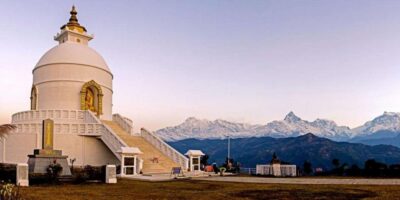
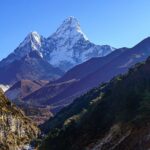
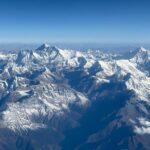
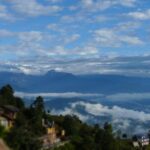
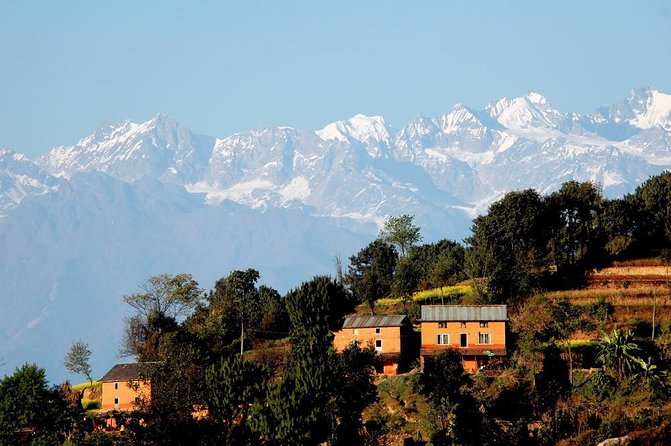
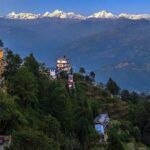
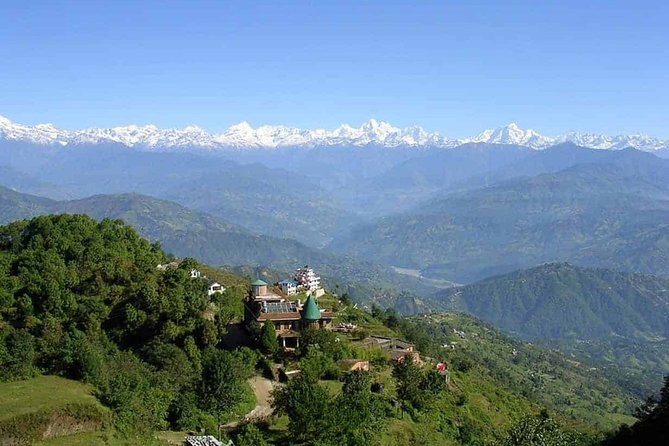
You’ll also get big-peak energy when you look out toward the jagged Himalayan silhouettes from the broader Shivapuri National Park area. This isn’t just postcard scenery. It’s a good “orientation day” where you learn what this region looks like and how the light behaves on ridges.
What can be a drawback on Day 1 is timing and energy management. After the morning drive and an initial uphill, it’s easy to start too fast and then pay for it later. I suggest using the first hour to settle into your pace—your guide will likely build the rest breaks around group comfort.
Day 2: Chauki Bhanjag lunch views, then the descent into Nagarkot
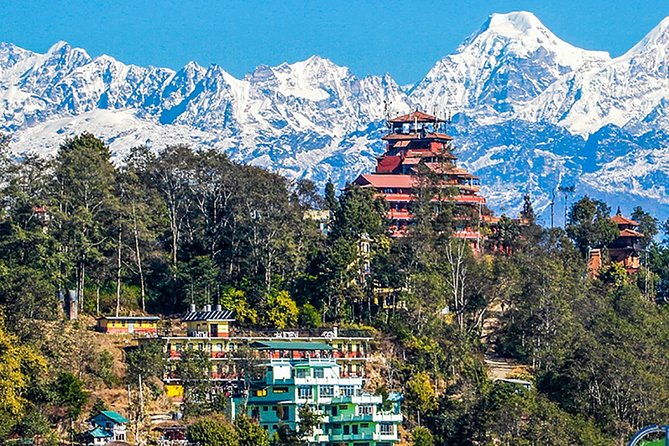
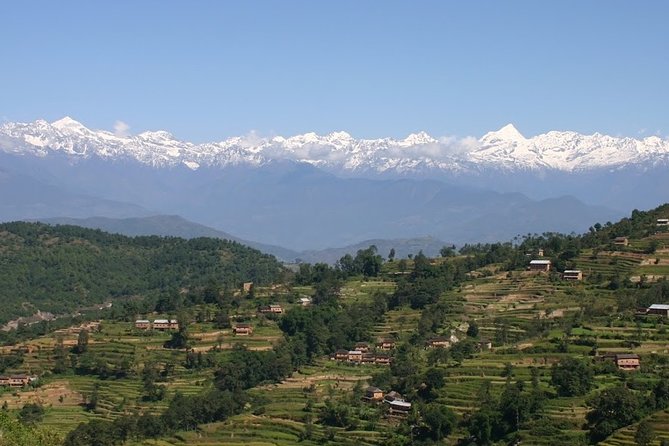
Day 2 is the classic “viewpoint day.” You trek about 2.5 hours to Chauki Bhanjag, and you pause for lunch with snow-capped mountains as your backdrop. Even when visibility is only fair, lunch at this kind of spot tends to feel special because you’re not rushing. You’re stopping at the moment the scenery wants you to stop.
Then comes the second half: after lunch, you descend about 3 hours to Nagarkot. Descents are where your quads work overtime. If your knees get cranky on stairs or downhill steps, plan on shorter strides and frequent micro-breaks.
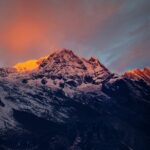
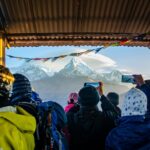
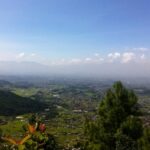
Nagarkot is famous for Himalayan views on clear days, and the experience is built around that. One review specifically mentioned sunrise views from the hotel area, which matches why Nagarkot is so popular: the light changes quickly, and the viewpoints can feel like they’re on stage right outside your lodging.
Even if the skies are cloudy, Nagarkot still works as a rest point. The lodge/teahouse setup gives you a chance to warm up, refill, and reset for the final day’s cultural walk.
Day 3: Ridge walk to Changu Narayan Temple from Nagarkot
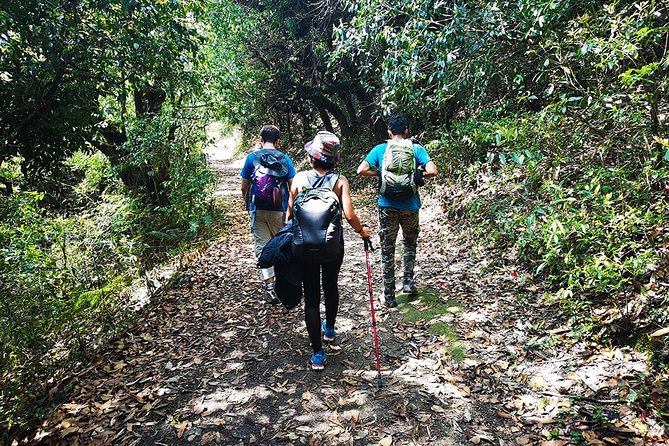
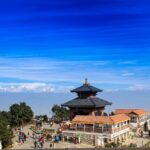
On Day 3 you transition from “look at the mountains” to “walk into Kathmandu’s ancient world.” You trek about 3.5 hours to Changunarayan, finishing at Changu Narayan Temple.
This is a route down a ridge from Nagarkot, and the walk is known as one of the popular treks around Kathmandu because it combines ridgeline walking with a major cultural destination. Your destination is not a random stop: the Changu Narayan Temple is an important landmark built in 323 AD by King Hari Datta Varma.
What makes this ending satisfying is the contrast. You start with high viewpoint trekking energy, then you end with stonework, carved details, and a temple that ties the region to centuries of local devotion. It also gives you a calmer finish than another full day of elevation changes.
If you prefer a trek with a clear “story arc,” Day 3 delivers: mountains and forest on the front end, then culture and structure at the end.
You can also read our reviews of more tours and experiences in Kathmandu
Meals, nights in teahouses, and the included cold-weather kit
Food and sleeping arrangements can make or break a short trek. Here, you’re covered with breakfasts and lunches during the trek, plus three dinners total, including the welcome and farewell dinners back in Kathmandu.
The rhythm is simple: you get morning fuel, you eat lunch while you’re out on trail, and you end each day with a lodge/teahouse dinner arrangement. That matters because trekking days can mess with appetite and energy, and having predictable meal timing is one less thing to manage.
For lodging, you get:
- 1 night in Kathmandu in a twin deluxe shared room
- 2 nights in a teahouse or lodge
And crucially, you get cold-weather rental gear: a down jacket and a 4-season sleeping bag. If you’ve ever regretted bringing too little (or packing the wrong weight), this kind of inclusion is a practical win. You don’t need to guess what you’ll need for chilly nights.
One more practical detail: your guide organizes what’s needed, including gear if you require it. That reduces the chance you’ll show up without something important and then lose time fixing it on the fly.
Kathmandu welcome and farewell dinners: more than a nice perk
This trek doesn’t treat Kathmandu as a fly-in staging area. You get a welcome dinner and a farewell dinner in Kathmandu, included in the package.
That sounds like a simple add-on, but it’s actually useful. The welcome dinner gives you a built-in moment to ask questions and get clarity about tomorrow’s walk, rather than trying to squeeze logistics into an already busy day. The farewell dinner gives you a natural wrap-up and a chance to decompress with your guide after the trek.
It also signals that the trip is designed with an actual schedule for you, not just a transfer and a trail map.
Who this trek fits best (and who should plan differently)
I think this trek is ideal if you want:
- a short, guided trek with defined days and a clear finish
- forest-to-viewpoint scenery without needing weeks on the trail
- covered logistics so you can enjoy Nepal instead of managing details
- a cultural landing point at Changu Narayan Temple
It’s also a good choice if you’re traveling with moderate hiking comfort and prefer to hike with a guide who handles permits and daily planning.
Who might think twice: if you need guaranteed Himalayan views regardless of weather, Nagarkot’s performance can’t be guaranteed. The itinerary is timed for viewpoints, but Nepal weather can be moody. If you’re very sensitive to cold nights, rely on the provided gear and dress in layers—don’t treat the included jacket and sleeping bag as optional.
What to pack (so you enjoy it more, not just survive it)
The trip includes key cold-weather gear rentals, but you still need your own trekking basics. I’d plan on:
- layers for morning chill and afternoon warmth
- a daypack for water, snacks, and a light layer
- comfortable shoes you trust on descents
- a small rain layer if skies turn
- some cash for personal expenses since lunches and city dinners outside the included meals aren’t listed as covered
Also, you’re hiking multiple half-days. Bring your comfort items. Nepal treks reward people who hike smart, not just fast.
Should you book this Chisapani to Nagarkot trek?
If your goal is a three-day trek with genuine structure, this is a strong pick. You get the whole package of what matters: private transfers, park permits, meals, teahouse nights, and included cold-weather sleeping setup. And you finish with a real cultural site at Changu Narayan Temple, not just another lookout.
I’d book this if you want forest scenery, viewpoint payoff at Nagarkot, and a guide-driven trip that takes stress off your plate. I’d hold off or add flexibility if your main priority is guaranteed mountain visibility—clouds can soften the best moments even when everything else goes well.
FAQ
What does the trek include regarding transport from Kathmandu?
You get round trip private transportation to and from Kathmandu, including pickup for the transfer to the trek start area.
How long is the trek from Chisapani to Nagarkot?
The trek is listed as 3 days (approx.).
What meals are included during the trek?
The package includes breakfasts (2), lunches (3), and dinners (3). It also includes welcome and farewell dinners in Kathmandu.
Where do you sleep during the trek?
You’ll have 1 night in Kathmandu in a shared twin deluxe room, plus 2 nights in a teahouse or lodge.
Are park permits and entrance fees covered?
Yes. Shivapuri Nagarjun National Park entry fee and permit are included.
Is trekking gear included for cold weather?
Yes. You can get a down jacket and a 4-season sleeping bag rental.
Is the Nepal visa fee included in the price?
No. Visa fees are not included and are listed as $30.00 per person.
What’s the cancellation policy?
You can cancel for a full refund up to 24 hours before the experience’s start time.
If you want, tell me your hiking comfort level and your travel month, and I’ll help you judge whether this route matches your pace and expectations for sunrise/view conditions.