REVIEW · KATHMANDU
Everest Base Camp Trek
Book on Viator →Operated by Himalayan Leisure, Inc. · Bookable on Viator
One flight can set the whole Everest tone. This trek puts you right in the action of the Khumbu region—Sherpa villages, high passes, and big viewpoints—starting with the famous Lukla arrival and ending with a time-buffer in Kathmandu.
What I like most is how much is handled for you. You get an English-speaking government-licensed guide, strong Sherpa helpers to carry your gear, and support like a first aid kit carried by the guide—so you can focus on walking and acclimatizing instead of logistics.
The other thing I really appreciate is the included package: domestic flights Kathmandu–Lukla–Kathmandu, Everest National Park entry permit, TIMS registration, and even key cold-weather gear like a down jacket and sleeping bag. One consideration: this is very weather-dependent around Lukla, so build flexibility into your expectations even with the Kathmandu buffer day.
Key things that make this Everest Base Camp plan work
- Lukla flights are built into the schedule, plus a Kathmandu day designed for weather/flight hiccups
- Porters carry your trekking gear, while you still move at a pace that feels safe
- Two acclimatization days (including options like Khumjung/Khumde or Everest View Hotel) help you handle altitude better
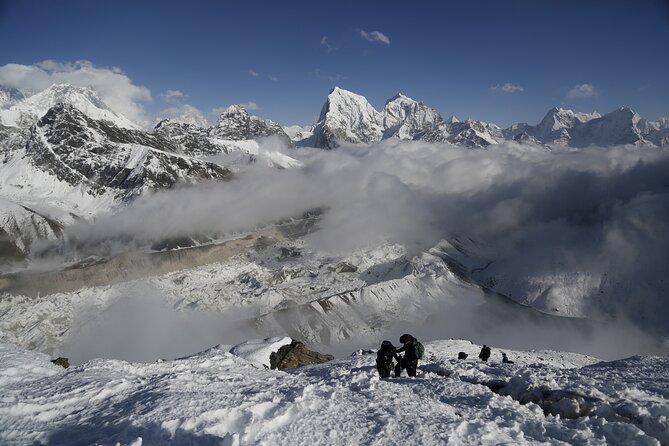
- Kalapatthar at sunrise is the big payoff day after glacier and pass trekking
- Cold-weather gear is included, so you’re not buying or renting critical items at the last minute
In This Review
- Lukla, Sherpas, and the kind of support you actually feel
- Price and included value: what you’re really paying for
- What the 15 days look like, day by day (and why each step matters)
- Day 1: Arrive in Kathmandu and get settled
- Day 2: The Lukla flight to start Everest properly
- Day 3: Gentle uphill to Monjo, then through forests and bridges
- Day 4: Acclimatization day with options (choose your comfort)
- Day 5: National Park headquarter area, Dudh Koshi river, and Kyanjuma direction
- Day 6: Pangboche (around 3,930m) and the Everest climbers vibe
- Day 7: Second acclimatization day and a Nagarkhang Peak push
- Day 8: Getting closer to Base Camp via the ridge to Dughla and the pass climb
- Day 9: Glaciers first, then harder steps with low oxygen
- Day 10: Kalapatthar sunrise viewpoint—the hard climb with a famous reason
- Day 11: Tengboche area, descend to riverbank lunch, then climb onward
- Day 12: Back down toward Jorsalle and Phakding, reaching Lukla to end the walking
- Day 13: Lukla to Kathmandu—breathe easy after the Everest corridor
- Day 14: Kathmandu buffer day for weather and flight timing
- Day 15: Departure day with an early airport drive
- Gear, meals, and the small things that make trekking feel manageable
- Guides and porters: the difference between surviving and enjoying it
- Weather, altitude, and the one “don’t be stubborn” rule
- So who is this trek perfect for?
- Should you book Everest Base Camp with Himalayan Leisure?
- FAQ
- How long is the Everest Base Camp trek?
- Where are pickups and transfers handled?
- Are domestic flights included?
- What trekking permits are included?
- Does the trek include a guide and porters?
- What gear is provided?
- Are meals included?
- What happens if Lukla flights are delayed or canceled due to weather?
Lukla, Sherpas, and the kind of support you actually feel
If Everest has a “front door,” it’s Lukla. The flight is short, but it feels intense because the airport is small and approach conditions can be unforgiving. Either way, you’ll know you’re in the Everest zone the moment you start seeing the terrain tighten up and the villages thicken.
Then there’s the Sherpa culture. This route threads through places like Pangboche and Tengboche area on your way toward Base Camp, where you’re not just passing scenery—you’re moving through communities shaped by mountaineering. You’ll also get that calm, experienced rhythm from your guide and porters. In the notes from past trekkers, guides like Lok and Khila are singled out for taking care of the details and keeping the pace sensible. It’s the difference between trekking like a checklist and trekking like a plan.
Price and included value: what you’re really paying for
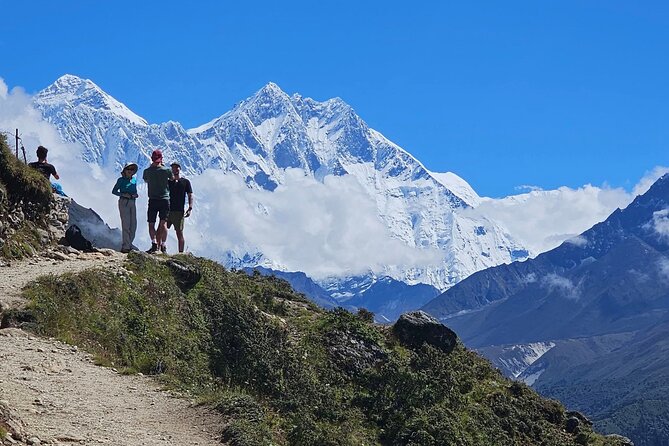
At $1,408 per person for about 15 days, the headline number doesn’t tell the whole story. The real value here is that you’re not piecing together a custom expedition on your own.
You’re paying for:
- Domestic flight tickets Kathmandu–Lukla–Kathmandu, including the guide’s ticket
- Everest National Park entry permit plus TIMS registration handled as part of the trip
- Guide and Sherpa helpers (porters) with meals, accommodation, salary, and insurance
- Cold-weather gear: down jacket, a four-season sleeping bag, and a duffel bag (returned after the trip)
- Meals counted across the trek (breakfast 14, lunch 11, dinner 12)
- Pickup and drop services by private vehicle in Kathmandu before and after
If you’ve ever tried to estimate the cost of a trek like this from scratch, the “hidden” expenses add up fast: permits, flights, guide time, porter support, and the gear. Here, a lot of those pieces are bundled so you can spend your attention on training, packing smart, and acclimatizing.
You can also read our reviews of more hiking tours in Kathmandu
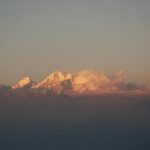
What the 15 days look like, day by day (and why each step matters)
Day 1: Arrive in Kathmandu and get settled
You land in Kathmandu and get picked up by the airport representative, then transferred to your hotel. You’ll also get an early introduction to how the trek is going to run—useful if you’re not familiar with Nepalese travel timing.
Why this matters: you’ll want at least one easy day to manage jet lag, pick up essentials, and let the trip feel real before you start moving upward.
Day 2: The Lukla flight to start Everest properly
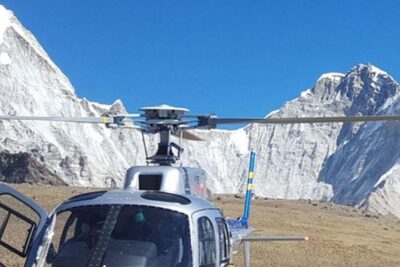
Today is the big jump: a flight to Lukla (about 30 minutes). From there, the walking begins and you’re guided toward Phakding.
The practical upside: you start trekking without spending multiple days commuting through the lower valleys. The trade-off: you’re committing early to that Lukla aviation reality, so keep your schedule flexible.
Day 3: Gentle uphill to Monjo, then through forests and bridges
You’ll start with a gentle ascent before reaching Monjo. After lunch in Jorsalle, the trail continues toward Hilary Bridge through pine forests, then moves into steeper sections.
What I like about days like this: it’s a “warm-up” day where you learn how your body reacts on packed trekking paths. Also, bridges and river crossings tend to feel like mental checkpoints—small wins help when altitude starts creeping in.
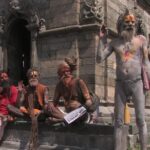
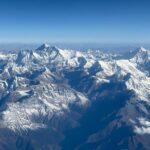
Day 4: Acclimatization day with options (choose your comfort)
This is a rest and acclimatization day. You’ll do short hikes with options such as:
- Khumjung and Khunde hike
- Everest View Hotel hike
- Thame hike
- National Park options mentioned in the plan
Why it’s smart: acclimatization days aren’t just tradition. They help your body adjust, and they reduce the odds you’ll feel wrecked later.
My advice: if you’re cautious (and most people should be at altitude), pick a hike that keeps breathing controlled. Your goal is to go higher without paying for it in exhaustion.
Day 5: National Park headquarter area, Dudh Koshi river, and Kyanjuma direction
You ascend toward the national park headquarters and follow a gentle trail to Kyanjuma. You may stop for a tea break before descending to Phungi Thanga for lunch, then cross the Dudh Koshi river and continue.
Why this day stands out: crossing the Dudh Koshi corridor is part of what makes this region feel alive—water, movement, and a steady valley rhythm. It’s also a classic “you can still talk, but you’re working” day.
Day 6: Pangboche (around 3,930m) and the Everest climbers vibe
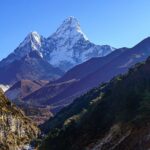
You follow the Imja Khola toward Pangboche (3,930m). Pangboche is home to many renowned Everest climbers, and the village is described as a place of brave Sherpas, with big mountain views.
This is a great day for perspective. Even if you don’t feel like you’re “far” from Kathmandu on a map, your body will tell you you’re in serious altitude country. Take your time, hydrate, and don’t treat this as a power-walk.
Day 7: Second acclimatization day and a Nagarkhang Peak push
Another rest and acclimatization day, with a hike to Nagarkhang Peak (around 5,000m). From there, you get spectacular Himalayan beauty and wide views of surrounding peaks.
The drawback to know: this is higher than many people expect to handle in the middle of a trek. The payoff is the confidence boost you get when your body can still function after going higher.
Day 8: Getting closer to Base Camp via the ridge to Dughla and the pass climb
You follow the ridge above Pheriche toward Dughla. After lunch in Dughla, you start the steep climb toward Dughla pass.
Why this is a turning point: it shifts from steady valley trekking to more demanding “work” terrain. This is where your pacing discipline matters. If you sprint uphill, you’ll feel it later when the air thins and fatigue stacks.
Day 9: Glaciers first, then harder steps with low oxygen
You get an easier segment early, including walking over glaciers, then the trail becomes harder with low oxygen. Crossing glaciers gives you glimpses of the dramatic high-mountain environment you came for.
This is one of those days where your guide’s judgment matters. You’ll want to move steadily, keep your footing careful, and avoid the temptation to “prove” anything when your breathing changes.
Day 10: Kalapatthar sunrise viewpoint—the hard climb with a famous reason
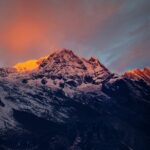
You start early, then hike up to Kalapatthar before sunrise. It’s described as difficult, but worth it, and it’s the most famous viewpoint of the Khumbu valley, known for towering Himalayan peaks.
Even if you’re not chasing “the best photo,” this is a classic Everest reward day. The cold, the steepness, and the early start all make sense when you look out and see why people spend decades dreaming about this view.
Day 11: Tengboche area, descend to riverbank lunch, then climb onward
You pass through Debuche and Tengboche village, then descend steeply to Phungi Tenga for lunch (on the bank of the Dudhkoshi River). After lunch, you ascend toward Kyanjuma again.
This day is about rhythm. You’re not just going up—you’re repeatedly adjusting to climbs and descents. If you tend to go out of breath on descents (some people do), take shorter steps and stay focused on balance.
Day 12: Back down toward Jorsalle and Phakding, reaching Lukla to end the walking
You take steep descending to Jorsalle village, then continue to Phakding for lunch/breakfast. You’re coming toward the end of the trek. Once you reach Lukla, the walking concludes.
Why it feels emotional: reaching Lukla again is like stepping out of the mountain bubble. You’ll likely feel proud, tired, and a bit shocked that the long days are done.
Day 13: Lukla to Kathmandu—breathe easy after the Everest corridor
In the morning, you go to the airport to catch the Lukla flight back to Kathmandu. The plan calls it an adventurous flight experience and suggests seating on the right side for some of the best views.
This is your recovery day in motion. Keep hydrated, eat normally when you can, and don’t “rush” your body back into city mode.
Day 14: Kathmandu buffer day for weather and flight timing
You have a free day in Kathmandu before an international flight. It’s specifically used in case Lukla flights get weather delays or cancellations. You also have time for shopping for gifts and essentials.
This is smart trip design. Everest logistics can change quickly; having a built-in buffer prevents the whole trip from becoming one long waiting game.
Day 15: Departure day with an early airport drive
You get driven to the airport about three hours before your flight time, and you’ll say goodbye.
The key idea: don’t try to squeeze extra plans on the final day. Your body will already be working overtime recovering from altitude and long days on your feet.
Gear, meals, and the small things that make trekking feel manageable
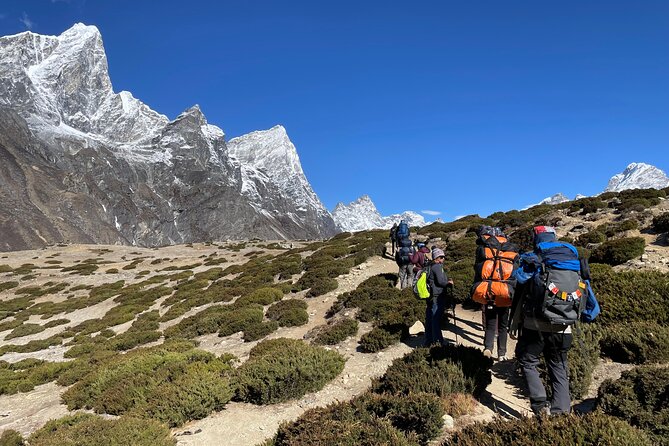
The tour includes a down jacket, four-season sleeping bag, and a duffel bag. That matters because cold at altitude is not a minor inconvenience—it’s a sleep quality issue, and sleep quality can affect how you feel the next day.
Also, porters carry your gear, while your guide organizes what’s needed along the way. That means you can pack to bring only what you personally need each day, instead of hauling everything yourself.
Meals are included across the trek, including breakfast, lunch, and dinner counts listed in the package. The practical benefit: you don’t spend your trekking days hunting for food or worrying about costs. You can also stay on schedule with your energy and hydration.
One more practical benefit you’ll appreciate: your guide has a comprehensive first aid medical kit. Emergency evacuation isn’t included, so you still need common sense on altitude and pace, but having medical support on-hand is reassuring.
Guides and porters: the difference between surviving and enjoying it
This kind of trek lives or dies by pacing and decision-making. Past trekkers highlighted guides like Lok, Khila, Ossman, Hari, and Lal for being attentive, safety-minded, and good at organizing the day’s work.
You’ll also have strong Sherpa helpers (porters) with insurance and support. That’s important because carrying less weight makes it more realistic to stick with a controlled rhythm—especially on harder sections near passes and glacial crossings.
Weather, altitude, and the one “don’t be stubborn” rule
This trip requires good weather. That includes both trekking conditions and those all-important Lukla flight windows. The schedule includes a Kathmandu free day for potential problems, which is exactly what you want on a trek that can’t be controlled minute by minute.
Altitude is the other big variable. Even with acclimatization days, your body may feel off in the higher zones. The safest mindset is simple: go slower than you think you need to, and trust your guide. The goal is to finish feeling strong enough to enjoy the end viewpoint days.
So who is this trek perfect for?
This Everest Base Camp trek fits best if you:
- Want a guided, supported experience with porters and included gear
- Prefer a private small group style rather than dealing with lots of strangers
- Are moderately fit and ready for daily walking with altitude effects
- Like clear structure: flights, permits, meals, and accommodations arranged for you
If you hate early starts or you’re very inflexible about weather changes, you might find this type of plan stressful. But if you can handle a bit of waiting and you want real mountains over complicated logistics, it’s a strong match.
Should you book Everest Base Camp with Himalayan Leisure?
I’d book it if you want a “well-run plan” where guide support, permits, flights, and gear are already lined up. The big reasons are practical: Lukla logistics handled, porters and guide included, and key acclimatization + viewpoint days built in.
I would think twice if you’re the type who gets anxious when schedules shift. Even with the Kathmandu buffer day, high-altitude travel is still high-altitude travel. If that sounds manageable, this trek is a very efficient way to get to Everest Base Camp with the least hassle possible.
If you want, tell me your hiking history (number of recent hikes, highest altitude you’ve done, and how you handle cold). I can help you judge whether the pace and included gear setup makes sense for you.
FAQ
How long is the Everest Base Camp trek?
It’s scheduled for about 15 days.
Where are pickups and transfers handled?
You get airport pickup and drop services by private vehicle in Kathmandu before and after the trek.
Are domestic flights included?
Yes. The package includes Kathmandu–Lukla–Kathmandu domestic airline tickets, including the guide’s ticket.
What trekking permits are included?
The plan includes an Everest National Park entry permit and TIMS registration.
Does the trek include a guide and porters?
Yes. You’ll have an experienced English-speaking government-licensed trekking guide and Sherpa helpers (porters) with meals, accommodation, salary, and insurance.
What gear is provided?
You’ll receive a down jacket, a four-season sleeping bag, and a duffel bag (returned after the trip completion).
Are meals included?
Yes. Breakfast is included 14 times, lunch 11 times, and dinner 12 times.
What happens if Lukla flights are delayed or canceled due to weather?
The itinerary includes a free day in Kathmandu that’s used for potential flight issues. The experience also requires good weather, and if it’s canceled due to poor weather, you’ll be offered a different date or a full refund.