REVIEW · KATHMANDU
14 Days Annapurna Circuit Trek
Book on Viator →Operated by Yolo Hike · Bookable on Viator
One breathless day is the whole point. This 14-day Annapurna Circuit route strings together Kathmandu prep, a steady climb through Manang, and the big payoff at Thorong La with Muktinath afterward. I like that the plan builds in a dedicated acclimatization day in Manang, not just a forced march up the numbers.
My other favorite part is how the trek mixes dramatic high-altitude terrain with cultural stops, then finishes with an easy recovery phase in Pokhara (including International Mountain Museum and Devi’s Fall). One thing to consider: the trip is physically demanding and you’ll still need to budget for some items that aren’t covered, like the Jomsom to Pokhara flight.
In This Review
- Quick highlights: what matters most on this trek
- Why the 14-day Annapurna Circuit plan feels workable
- Kathmandu warm-up: Thamel and temple time before you trek
- Driving to Besisahar and Chame: long hours, big perspective shift
- Chame to Pisang to Manang: village life meets peak views
- The Manang acclimatization day: where progress becomes safer
- Yak Kharka to Thorong Phedi: when the terrain turns tougher
- Thorong La pass day: early start, steep breathing, big views
- Jomsom to Pokhara and the quiet return to comfort
- Pokhara detour: Mountain Museum and Devi’s Fall
- Back in Kathmandu: wrap-up without rushing your last hours
- Price and value of $900: where the money goes
- How the small team support changes your experience
- Best-fit hikers: who this Annapurna Circuit tour suits
- Should you book this Annapurna Circuit trek with Yolo Hike?
- FAQ
- How long is the Annapurna Circuit trek in this tour?
- Where does the tour start and what is the meeting point?
- Is airport pickup and drop-off included?
- What guides and porter support are included?
- Are meals included during the trek?
- Do I need to arrange the flight from Jomsom to Pokhara?
- Is there free cancellation if plans change?
Quick highlights: what matters most on this trek
- Manang acclimatization day to help your body handle the thin air before Thorong La
- Chame to Pisang to Manang route with big peak views along the way
- Yak Kharka to Thorong Phedi transition into rockier, colder trekking territory
- Thorong La pass done early for safer conditions and the best views
- Muktinath temples for a strong cultural moment right after the hardest part
- Pokhara reset with museum time and Devi’s Fall before heading back to Kathmandu
Why the 14-day Annapurna Circuit plan feels workable
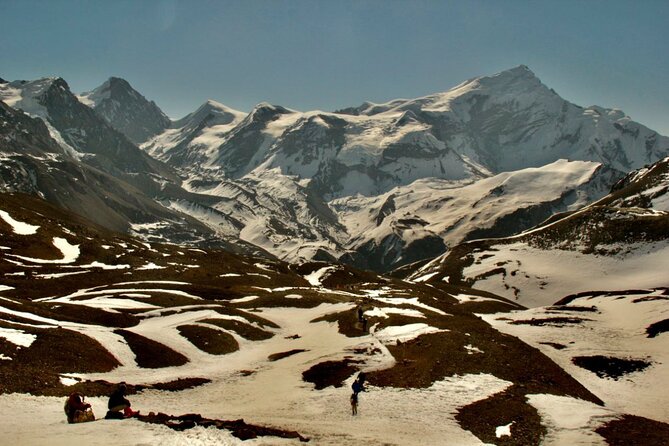
The Annapurna Circuit is famous for a reason: it compresses a lot of Nepal into one route. You get forests and villages early on, then drier high country, then the pass, then a quieter descent toward temples and Jomsom. This specific plan keeps you moving, but it also gives your body a chance to adjust.
Your itinerary is built around a classic altitude pattern: higher altitude exposure, then a deliberate pause in Manang. That acclimatization day matters because Thorong La is not a place to test luck. You’ll feel it most in your breathing and sleep, long before you see the top of the pass.
You can also read our reviews of more hiking tours in Kathmandu
Kathmandu warm-up: Thamel and temple time before you trek
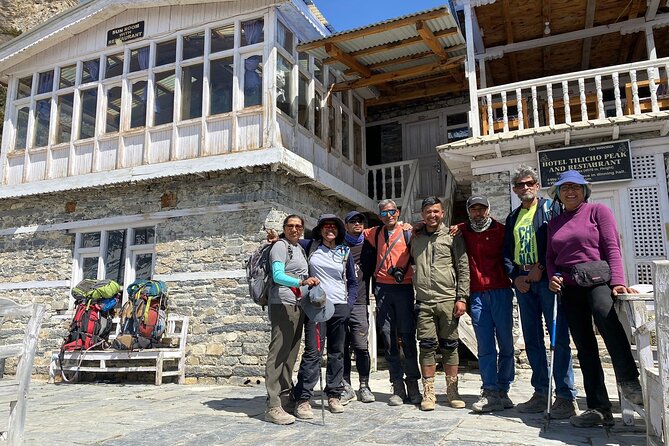
Day 1 starts with an airport pickup and a transfer into Kathmandu, plus time to settle in. You’re not thrown straight onto a bus with heavy bags. You’ll have that first evening to get your bearings and handle small logistics.
In Thamel, the tour includes time for shopping and a relaxed walking look around. This is useful because trek gear is often easier to buy or replace in Kathmandu than on the trail. If your boots aren’t fully ready, this is your window to fix that.
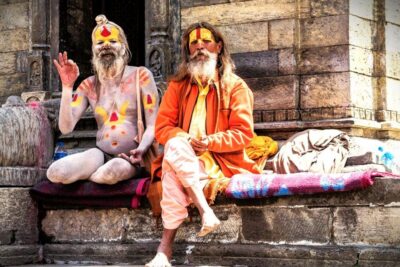
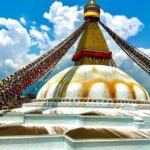
Day 2 is a preparation day in the Kathmandu Valley, with major sights built in: Pashupatinath Temple and Boudhanath Stupa, among other logistics. The practical value here is simple: you get a cultural foundation and you manage permits and planning before you drive out of town.
Driving to Besisahar and Chame: long hours, big perspective shift
The trip moves fast once you leave Kathmandu. Day 3 is a drive to Besisahar (about 175 km, typically 6–7 hours, traffic permitting). Your day can still feel longer because the itinerary’s timing includes extended travel time, not just clock time.
This drive is more than a transfer. It signals the start of your real rhythm: fewer stops, slower roads, and the sense that Nepal changes every few bends. If you tend to get stiff on rides, you’ll want to use the breaks to stretch and drink water before the trekking begins.
Day 4 then takes you from Besisahar to Chame by sharing Jeep, around 10–11 hours. That’s a long day for sitting, so the payoff is that your first trek day after Chame feels like forward motion instead of another slow travel day.
Chame to Pisang to Manang: village life meets peak views
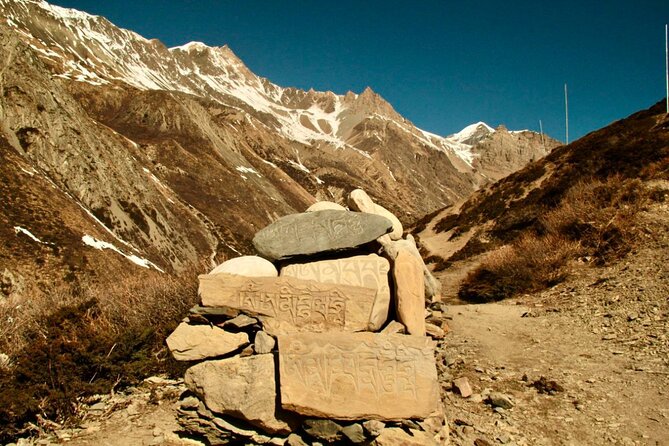
Day 5 is your first trek day, from Chame to Pisang, and it’s designed to get you trekking without instantly crushing you. The route passes through scenery and trail sections that highlight classic Annapurna Circuit variety—views of peaks like Annapurna II and Lamjung Himal, plus bridges and forested stretches.
On a trip like this, Day 5 is where you learn how you’ll manage your pace. You’re not trying to win altitude points. You’re trying to find a walking rhythm you can repeat for days, especially when the air starts to thin.
Day 6 continues to Manang. The trail gradually climbs, and that climb helps the mountains get closer in scale and detail. As you approach Manang, the area takes on a Tibetan-influenced feel, and the village atmosphere shifts from lush beginnings toward higher, drier high-country patterns.
The Manang acclimatization day: where progress becomes safer
Day 7 is your acclimatization day in Manang. This is the moment you’ll be glad you didn’t skip or rush. High altitude doesn’t care about determination, and a rest day can reduce the odds that you’ll spend the next section feeling wrecked.
You’ll have time to explore, but the main goal is adjusting to thin air and learning how your body reacts. If you get headaches, nausea, or abnormal fatigue, you treat that as information, not a challenge. The trek’s structure is built to let you react early.
This day also gives you a psychological reset. After several long travel or trekking days, it’s easier to handle the serious cold and rockier terrain later when you’ve had one day that’s not about pushing higher.
Yak Kharka to Thorong Phedi: when the terrain turns tougher
Day 8 is trekking from Manang to Yak Kharka. The trail moves into more barren terrain, and the day is noted for rugged beauty and panoramic views. What that means for you: the walking can feel more exposed, and the weather matters more because there’s less shelter.
The reduction in vegetation isn’t just scenery trivia. It often changes the temperature fast and makes sun and wind feel more intense. Bring layers you can adjust without losing your pace.
Day 9 goes from Yak Kharka to Thorong Phedi, at the foot of the Thorong La climb. This is a more “pre-pass” day, with rocky terrain and areas associated with glacial moraines. Translation: watch your footing and plan for slower, careful steps.
Also, this is where sleep becomes important. Many people find that the higher they go, the lighter and more fragmented rest can feel. If you’re the type who needs solid sleep to function, start treating bedtime like training, not downtime.
Thorong La pass day: early start, steep breathing, big views
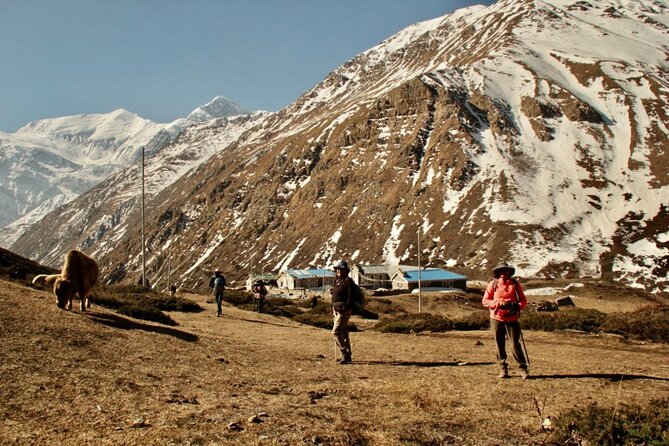
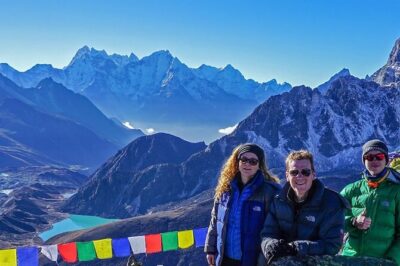
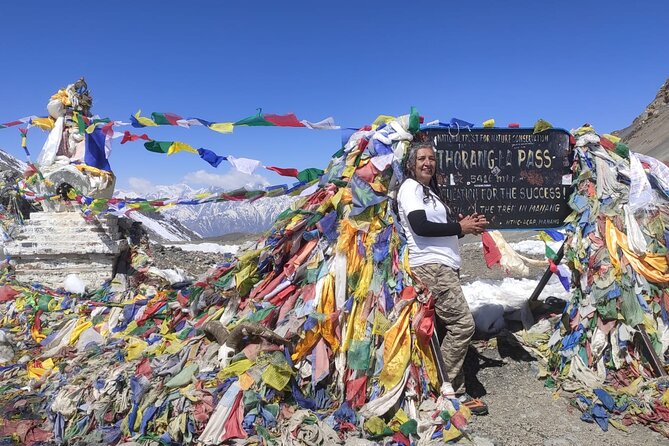
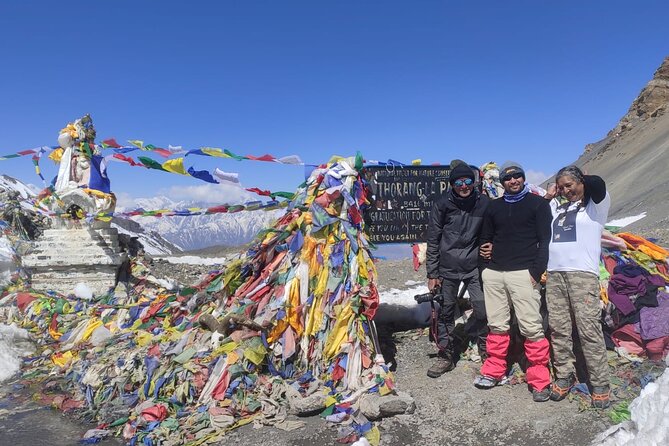
Day 10 is the main event: crossing Thorong La pass and then descending toward Muktinath. The itinerary emphasizes an early start, which is smart. High-altitude conditions can change quickly, and starting early helps you avoid the worst of afternoon weather.
The pass crossing is described as steep with a steep climb to reach the pass at very high altitude. This is not the day to walk like you’re out for a scenic hike. You go slower than you think you need to, and you stop for short breath resets when you must.
Once you’re over the pass, you’ll descend gradually toward Muktinath, a sacred site for both Hindus and Buddhists. The temples and spiritual atmosphere are a powerful contrast to the hard physical climb you just did. It’s a mental reward as much as a visual one.
After Muktinath, the plan continues toward Jomsom, with a windswept valley feel and a contrast to the lush earlier sections. If you’re expecting the Annapurna Circuit to stay green the whole way, this is where it stops. That shift is part of the route’s personality.
Jomsom to Pokhara and the quiet return to comfort
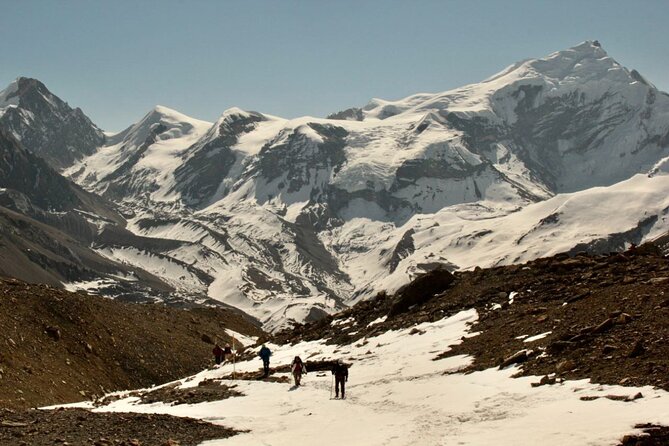
Jomsom (Day 10 onward) is described as calm, with apple orchards and a sense of stillness. In practical terms, this is a place where your body starts transitioning from “trek mode” to “recovery mode.” Even if the schedule keeps moving, the pace feels different here.
From Jomsom, the itinerary heads toward Pokhara, and the plan points to a route through Mustang Valley as part of the journey back. One important note: the package lists the flight from Jomsom to Pokhara as not included. So you should budget for getting to Pokhara, unless your operator provides an alternate transfer arrangement that isn’t stated in the package details.
Day 11 includes a scenic drive back to Kathmandu after a leisurely morning in Pokhara. The drive is described as passing rivers and lush valleys, which is a nice way to end a trek that has already tested you physically and mentally.
Pokhara detour: Mountain Museum and Devi’s Fall
In Pokhara, you get set time for two specific stops: International Mountain Museum and Devi’s Fall (also known as Davis Fall). This is a good combo for a trekking trip.
The museum is helpful because it adds context to what you just walked through. The mountain region is easier to understand once you’ve spent time connecting peaks, culture, and weather patterns in a structured way. If you like learning without getting stuck in lectures, this fits the bill.
Devi’s Fall adds a lighter, local-feeling contrast. It’s a reminder that Nepal isn’t only trekking and passes. You can spend time looking without having to check your altitude gauge every few minutes.
Back in Kathmandu: wrap-up without rushing your last hours
After Pokhara, you’ll drive back to Kathmandu. The itinerary frames it as a scenic journey through countryside and winding roads, which helps you transition out of the intensity of the trail.
Day 12 and Day 13 are both tied to Kathmandu transfers in the provided schedule context, and Day 14 is the final departure day with an airport transfer. In real life, you’ll want to treat your last day as a buffer for packing, checking flight times, and eating something that feels like a celebration.
The big value here is that the tour includes Kathmandu airport pickup and drop-off by private vehicle, so you aren’t hunting taxis or waiting on vague connections.
Price and value of $900: where the money goes
At $900 per person, you’re paying for more than a route. You’re buying the setup that makes a high-altitude trek safe and efficient: guide support, porter labor, trekking-area accommodations, and most of your meals.
Here’s what’s included that adds real value:
- Professional certified trekking guide plus 1 assistant guide for each 6 trekkers
- Porter support at 1 porter per 2 trekkers
- 2 nights in Kathmandu and 2 nights in Pokhara on a twin-sharing basis
- 9 nights accommodation in the trekking area on a twin-sharing basis
- A large share of meals: breakfast (13), lunch (9), dinner (9)
- Logistics like all fees and taxes and airport transfers by private vehicle
What you should still plan for:
- Personal expenses like bar bills and shopping
- Tea, coffee, and hot water
- Personal expenses
- The flight from Jomsom to Pokhara (explicitly listed as not included)
So is it good value? For most people, yes—if you want the comfort of a prepared team and a clear structure. The most cost-sensitive point is the Jomsom-to-Pokhara transfer, plus your personal spending. If you’re strict about your budget and travel light, the package cost tends to feel fair for the level of support.
How the small team support changes your experience
This trek isn’t “just hire a guide and figure out the rest.” The ratio is spelled out: a guide and assistant guide for every 6 trekkers, plus porters assigned per two people. That staffing level matters because it reduces decision fatigue.
When you don’t have to carry everything, you move with less strain and more control over your pace. Less strain usually means better mood, and better mood makes the harder days feel more manageable.
On top of that, accommodations and meals in the trekking area are handled as part of the package. That doesn’t make the trail easy, but it does make your day-to-day less chaotic.
Best-fit hikers: who this Annapurna Circuit tour suits
This is a strong choice if you:
- Want a classic Annapurna Circuit experience with a structured acclimatization day in Manang
- Like having planning taken care of, especially drives, lodging, and meals
- Can handle a demanding itinerary with steep climbs and high-altitude walking
You should think twice if you’re carrying injury or you don’t have the fitness base for long trekking days. The experience states you should have a strong physical fitness level. Treat that as honest guidance, not marketing.
It also helps if you’re okay with mixed conditions: colder nights at altitude, rocky footing near the pass, and then a shift in terrain once you descend toward Muktinath and Jomsom.
Should you book this Annapurna Circuit trek with Yolo Hike?
If you want a well-organized Annapurna Circuit that spends time on the places that matter—Manang acclimatization, Thorong La, and the spiritual stop at Muktinath—this is a solid option. The support structure (guide and porters) is a big reason why this type of trek feels doable instead of random.
I’d book it if you’re comfortable with the physical side and you’re willing to plan for the one key transfer not included: getting from Jomsom to Pokhara. If you know you’ll want lots of extras like shopping, drinks, or lots of paid hot beverages, budget ahead so you don’t feel squeezed.
FAQ
How long is the Annapurna Circuit trek in this tour?
The itinerary runs for about 14 days.
Where does the tour start and what is the meeting point?
The start point is Tribhuvan Airport in Kathmandu, Nepal.
Is airport pickup and drop-off included?
Yes. The package includes Kathmandu airport pickup and drop-off by private vehicle.
What guides and porter support are included?
You get a professional certified trekking guide, plus an assistant guide for each 6 trekkers. Porters are provided at a ratio of 1 porter for each 2 trekkers.
Are meals included during the trek?
Yes for many meals: breakfast is included 13 times, and lunch and dinner are included 9 times each (as listed in the package details).
Do I need to arrange the flight from Jomsom to Pokhara?
Yes. The flight from Jomsom to Pokhara is listed as not included.
Is there free cancellation if plans change?
Yes. Free cancellation is available up to 24 hours in advance for a full refund.
If you want, tell me your trekking dates and fitness level (and whether you’ve done altitude before). I can help you sanity-check if this pacing feels right and what to pack for Thorong La weather.