REVIEW · KATHMANDU
From Kathmandu: Everest View from Nagarkot & hike to Changu
Book on GetYourGuide →Operated by Alpine Asian Treks and Expedition P Ltd · Bookable on GetYourGuide
Himalayas at dawn, then local life on foot. This Nagarkot-to-Changu day trip blends clear-sky mountain viewing with a relaxed hike through working villages, ending at UNESCO Changunarayan.
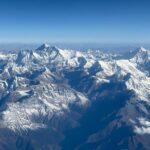
I love the chance to see a big sweep of peaks from Nagarkot—often including Mt. Everest—plus other ranges like Langtang and Ganesh Himal. I also love the finish at Changunarayan Temple, famous for intricate stone and wood carvings and religious icons, with guides like Sagar and Shekhar explaining what you’re seeing as you go.
The main consideration is that the mountain view is weather-dependent, so on misty or cloudy days you’ll still get a great walk and temple, just not the same summit lineup.
In This Review
- Key Things That Make This Day Trip Worth Your Time
- Nagarkot Morning: Why the Viewpoint at 2175m Matters
- The Sunrise Rhythm: Timing, Tea Breaks, and Weather Reality
- From Nagarkot to Changu Narayan: A Village Walk You Can Actually Feel
- Temples Along the Way and Why That Stops You from Rushing
- Trisul Dada: The Quick Photo Stop That Adds Variety
- Changu Village and Lunch: Fuel That Keeps the Day Comfortable
- Changunarayan Temple (UNESCO): Stone Carvings, Woodwork, and Devotional Details
- The Suspension Bridge Moment: A Small Thrill Mid-Hike
- Pace and Fitness: Who This Works Best For
- Guides and Group Size: The Difference Between a Day Trip and a Real Experience
- What’s Included (and What You’ll Pay Separately)
- Price and Value: Why $43 Feels Fair for What You Get
- What to Pack and How to Stay Comfortable
- Should You Book This Nagarkot to Changu Day Trip?
- FAQ
- How long is the Nagarkot to Changu tour?
- Where does pickup happen in Kathmandu?
- How long is the hike to Changu Narayan Temple?
- Is lunch included?
- Are temple entry fees included?
- What kind of guide will I get?
- Is this tour private or in a group?
- Will I definitely see Mt. Everest?
- What should I bring?
- Is this tour suitable for everyone?
Key Things That Make This Day Trip Worth Your Time
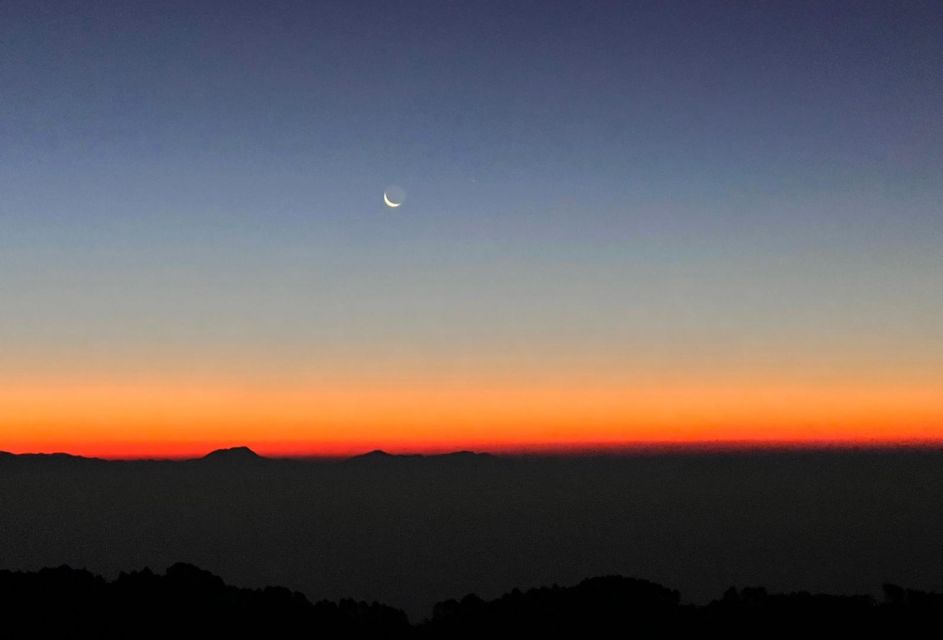
- Nagarkot (2175m) for sunrise views of Everest and multiple Himalayan ranges when skies cooperate
- A village hike that feels local, with seasonal farming, goat grazing, and even alcohol-making along the route
- Changunarayan Temple (UNESCO) with detailed carvings and multiple Hindu devotional figures
- Photo stops like Trisul Dada, built in so you’re not rushing between big moments
- A suspension bridge moment, a small thrill in the middle of a mostly easy trail
- A real-family-style Nepali dinner option, adding culture beyond the sightseeing boxes
Nagarkot Morning: Why the Viewpoint at 2175m Matters
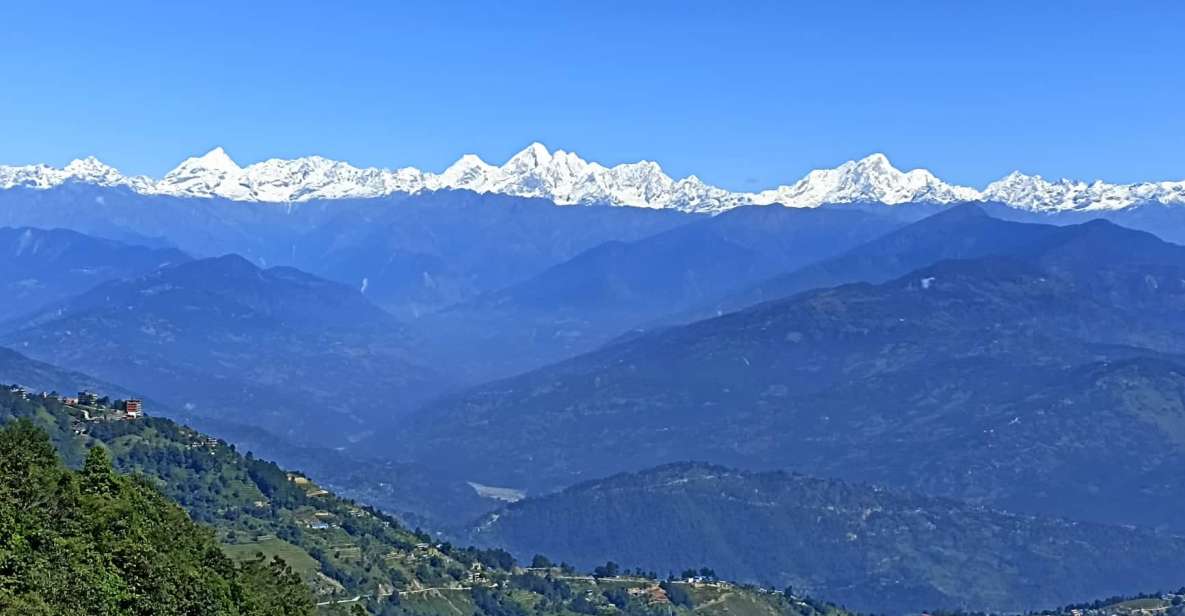
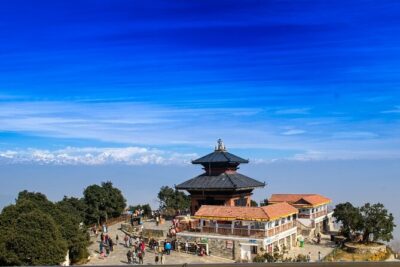
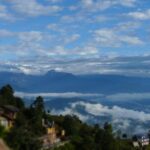
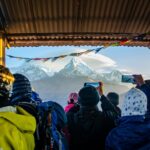
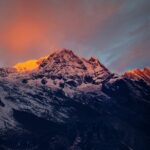
This tour starts with a private car transfer from Kathmandu (often around 1.5 hours) to Nagarkot’s viewpoint at 2175 meters. You’re up early enough to catch the sunrise look, which is half the magic here—brightening the ridgelines and giving you the best shot at clear Himalayan visibility.
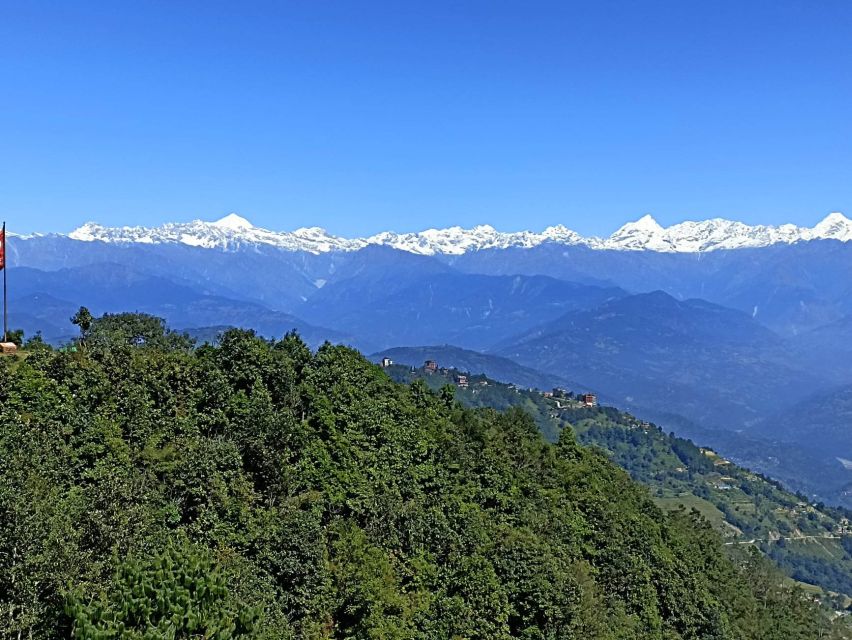
On good mornings, the panorama can stretch across major ranges listed for the trip, including Mt. Everest, plus Gauri Shanker, Dorje Lakpa, Langtang, and Ganesh Himal. On hazy days, you may not see the peaks sharply, but you’ll still get a dramatic layer-cake of valleys and hills around Kathmandu.
You can also read our reviews of more hiking tours in Kathmandu
The Sunrise Rhythm: Timing, Tea Breaks, and Weather Reality
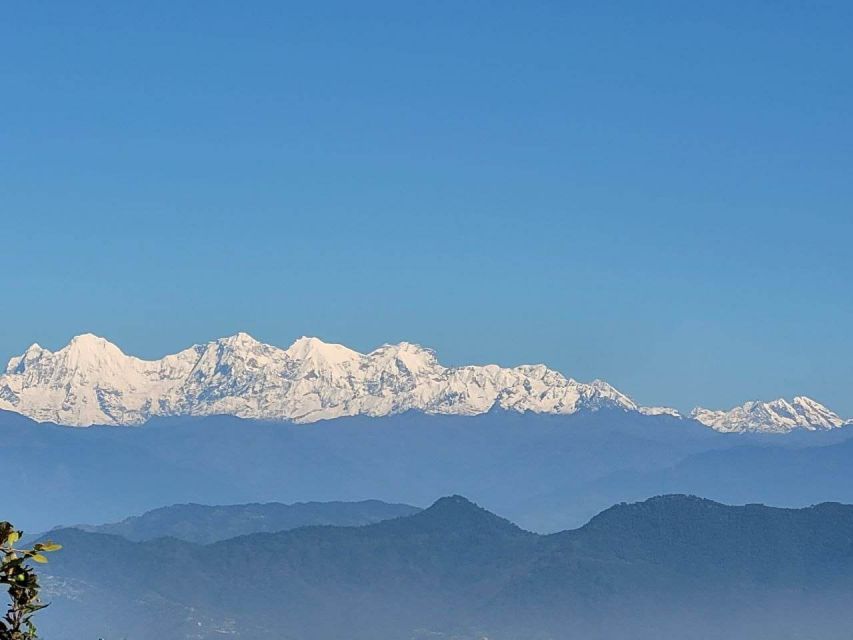
The tour is built around waking up early, not sleeping in. That means you’ll want a proper breakfast at your hotel, then keep your day pack light—water, a few snacks, and what you need for sun or chill.
You’ll also stop briefly for tea/coffee and a toilet break at the viewpoint area. This isn’t just convenience; it helps you stay alert during the moment when the sky is doing something cool and changeable.
Here’s the reality check: skies can turn fast in the hills. Multiple guides on this route (including Sagar and Shekhar) handle it well—if Everest isn’t visible, the day still works because the hike, villages, and temple are strong even without peak views.
From Nagarkot to Changu Narayan: A Village Walk You Can Actually Feel
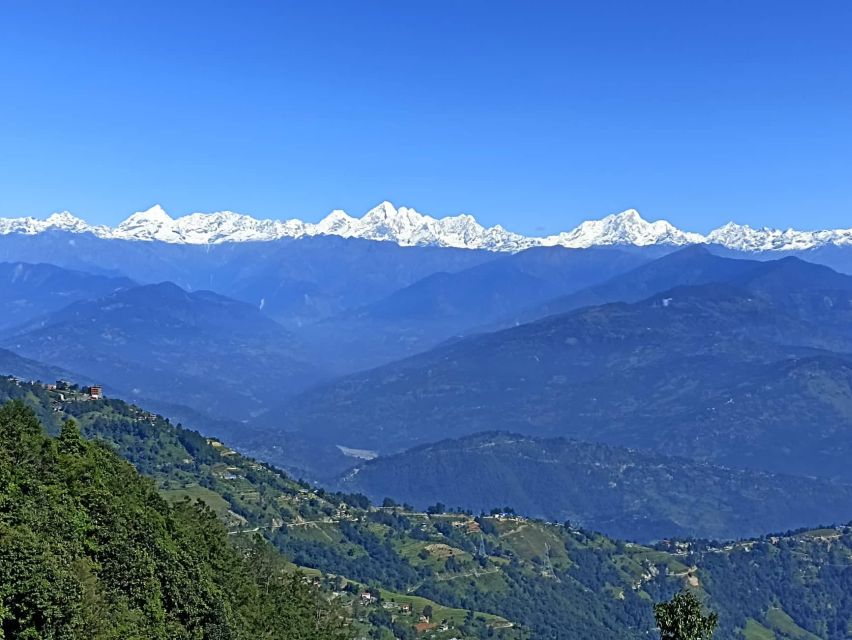
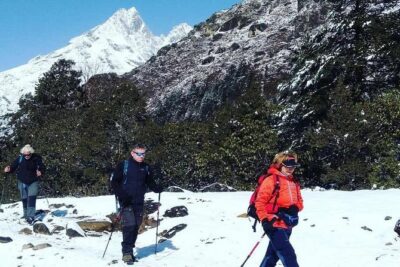
After a short drive onward, you start hiking toward Changu Narayan Temple, with an overall hike time of about 3 hours. The route is described as flat walking at the beginning, then a section that climbs up before easing out again with a little down at the end.
What makes this part special isn’t just scenery. You get glimpses of everyday rural life: seasonal farming, goats grazing, and local production like homemade alcohol-making—the kind of details that don’t show up in city-only days.
Expect a mix of trail feel. Some stretches are easy rhythm walking; other spots ask for attention on footing, especially after rain or in damp conditions. Plan to wear hiking shoes, not just city sneakers—your knees and ankles will thank you.
Temples Along the Way and Why That Stops You from Rushing
This hike includes a stop at a Hindu temple on the way, so you’re not hiking in silence the whole time. It gives you a natural reset and helps break the route into smaller “chapters,” which is great when you’re balancing view-chasing with a steady pace.
Along the trail, you’ll also get photo opportunities as the day moves between viewpoints and village lanes. One theme that shows up repeatedly with guides here: they’ll point out religious and cultural context as you pass it, so the walk becomes a living education instead of only a workout.
Trisul Dada: The Quick Photo Stop That Adds Variety
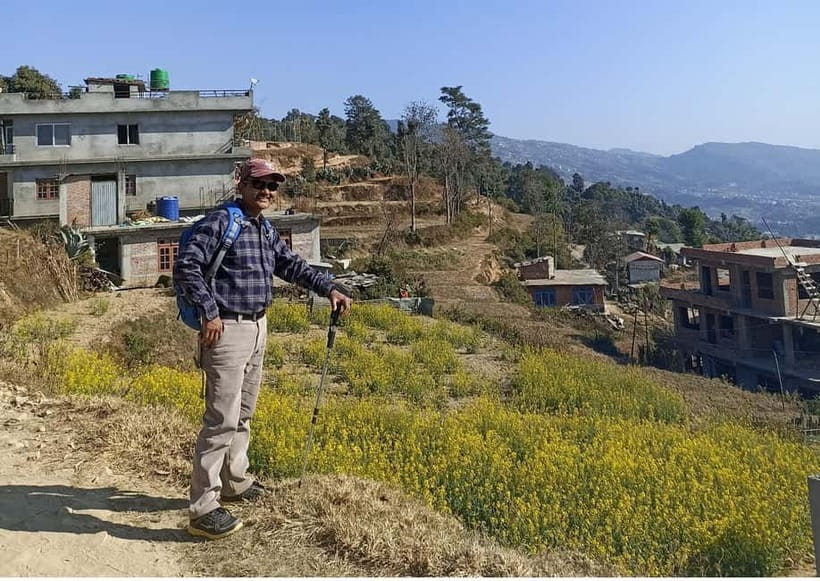
Midway, there’s a Trisul Dada photo stop lasting about 20 minutes. It’s short by design, but it’s useful. These quick breaks help you stretch, take a few photos, and keep the day from feeling like nonstop transport and hiking.
If the weather is cooperating, this is often a moment to catch wider hill views. If visibility is limited, it still works because you’re seeing the terrain you’re walking through, not just the destination at the end.
Changu Village and Lunch: Fuel That Keeps the Day Comfortable
When you arrive closer to Changu village, the plan includes lunch at a local restaurant. Lunch is an important part of making this outing enjoyable—especially because you’re combining altitude viewpoints with walking.
One practical note: your tour price does not include lunch/tea/coffee, so budget for it separately. Bring a little cash if that’s your normal travel style; having some flexibility helps when you’re hungry and you don’t want to hunt around.
This is also where the day shifts from “journey” to “celebration.” After eating, the temple visit feels more relaxed and less like you’re pushing through to make it on time.
Changunarayan Temple (UNESCO): Stone Carvings, Woodwork, and Devotional Details
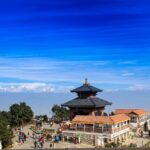
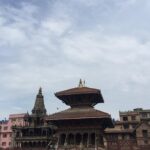
The highlight finish is Changu Narayan Temple, a UNESCO World Heritage site. Plan on about 45 minutes for sightseeing here, which means you’ll have time to look closely without feeling dragged through.
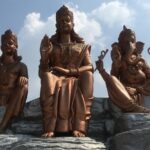
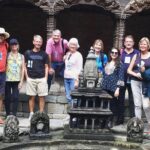
What to watch for: the temple is known for masterpiece-level stone carvings and wood carvings, plus God and Goddess icons in the devotional artwork. If you’re the type who likes to understand what you’re seeing, this is where a guide like Shekhar can seriously elevate the visit—sharing stories about the icons and what they represent in Nepalese religious life.
One standout cultural detail you might hear about during the visit is a rare 4th-century Sanskrit pillar associated with the site. Even if you don’t memorize dates, it gives you a sense of depth: this is not a quick “pretty temple” stop.
There’s also a little time for shopping in the area. It’s not about souvenir shopping nonstop—it’s more about having a chance to pick up something small (or just browse) after you’ve taken in the carvings.
The Suspension Bridge Moment: A Small Thrill Mid-Hike
A few days on this route include a suspension bridge crossing, and it’s often the kind of moment people remember because it feels unexpected in the middle of a mostly gentle walk. It adds variety to the trail without making the day suddenly technical or intense.
If you’re nervous around heights, take it slow and follow your guide’s pacing. If you’re comfortable, treat it like a quick breath of adrenaline before you continue into the villages.
Pace and Fitness: Who This Works Best For
This trip is generally described as not too challenging: flat at the start, then some uphill, then a lighter end. In practice, you’re looking at roughly 7.5 km of walking for an average day (as noted by one participant’s experience), plus stairs and uneven ground near temples and villages.
This is not for everyone. The tour data flags it as not suitable for people with:
- Back problems
- High blood pressure
- Pregnancy
- Wheelchair users
- People over 70
So if you’re right on the edge fitness-wise, be honest with yourself. It’s manageable for many people, but it’s still a hike with uneven ground.
For those who want an active day but don’t want a multi-day trek, this fits well. It’s also a strong match for solo travelers who value having a guide and driver handling the route.
Guides and Group Size: The Difference Between a Day Trip and a Real Experience
You get a licensed tour guide. The tour can run as a private or small group, and one reason this works is that guides can adjust pace and attention based on who’s in front of them.
Many visitors highlight guides such as Sagar and Shekhar for being friendly, organized, and willing to answer questions. You’ll get more than directions—expect explanations about Nepal’s culture, religions, and the landscape around you.
One nice perk: you may learn a few useful local phrases. For example, some guides teach small Nepali phrases during the walk, which makes the rural interactions feel more respectful and less like you’re just passing through.
What’s Included (and What You’ll Pay Separately)
Included:
- Private transport from your hotel and return
- Drop-off to your hotel or pickup location
- Licensed tour guide
Not included:
- Hotel accommodations
- Lunch and tea/coffee
- Drinks including bottle water and snacks
- Attraction entry fees while sightseeing
This matters for value. The $43 per person price is doing the heavy lifting by covering the car transfer and guide time. Your extra costs are mostly meals and any temple entry fees, so the total day cost can be higher than the headline price—plan for that early so it doesn’t surprise you.
Also, the tour is offered in English and other languages (Japanese, Hindi, Chinese), which helps a lot if you’re not comfortable with English-only explanations.
Price and Value: Why $43 Feels Fair for What You Get
At $43 per person, the value is strongest if you’re craving three things in one day:
1) a mountain viewpoint that takes real effort to reach from Kathmandu,
2) a guided cultural walk, and
3) a UNESCO temple visit without the hassle of planning buses, permissions, and route timing.
Because transport is private and the guide is included, you’re paying for convenience and guidance, not just a walking route. If you were to DIY it, you’d still be solving the same timing problem: sunrise requires early departure and a clear plan for the hike and temple stop.
If your priority is only temples, you might find cheaper options. If your priority is a balanced day—views, villages, temple art—this price usually lands as fair.
What to Pack and How to Stay Comfortable
This tour asks for basic hiking readiness:
- Hat and sun protection
- Camera
- Snacks
- Drinks
- Hiking shoes
- Comfortable clothes
A couple weather notes from real-world conditions on this route:
- In colder early hours, you may want a warm layer for sunrise.
- In rainy season, bring an umbrella and be ready for damp trail sections.
Also, carry water. Even if the breaks are there for tea/coffee, you don’t want to rely on finding supplies mid-hike.
Should You Book This Nagarkot to Changu Day Trip?
If you want a single-day escape from Kathmandu that still feels authentic, this is a smart pick. I’d recommend it especially if you care about both sides of Nepal: the Himalayan skyline at dawn and village life during the walk.
Book it if:
- you can handle an early start
- you’re comfortable with a roughly 3-hour hike with some uphill
- you want a guided explanation at both the temple and along the trail
Skip it if:
- your weather tolerance is low and you can’t handle cloudy skies (peak views aren’t guaranteed)
- you fall into the tour’s “not suitable” categories (back problems, high blood pressure, pregnancy, wheelchair users, or age over 70)
If you’re deciding between this and another Kathmandu day, I’d lean toward this one for the combination of Nagarkot sunrise viewing and Changunarayan’s UNESCO carvings, plus the village walk that gives the day its real character.
FAQ
How long is the Nagarkot to Changu tour?
The tour runs about 6 to 6.5 hours.
Where does pickup happen in Kathmandu?
Pickup is available from Kathmandu or Thamel (and you can also use hotel details for pickup).
How long is the hike to Changu Narayan Temple?
The hike is approximately 3 hours.
Is lunch included?
Lunch is not included in the tour price. You’ll stop for lunch at a local restaurant during the day.
Are temple entry fees included?
No. Attraction entry fees are not included while sightseeing.
What kind of guide will I get?
You’ll have a licensed tour guide. Languages offered include English, Japanese, Hindi, and Chinese.
Is this tour private or in a group?
It can be private or in a small group, depending on availability.
Will I definitely see Mt. Everest?
No. Mountain visibility is weather-dependent, so clear peak views aren’t guaranteed.
What should I bring?
Bring a hat, camera, snacks, drinks, hiking shoes, and comfortable clothes. A light day pack and water are also recommended.
Is this tour suitable for everyone?
It’s listed as not suitable for pregnant women, people with back problems, wheelchair users, people with high blood pressure, and people over 70.