REVIEW · KATHMANDU
Nepal Classic Tour -12 Days
Book on Viator →Operated by Himalayan Adventure Treks and Tours Pvt Ltd · Bookable on Viator
Big views, temples, and jungle crocs. This 12-day Nepal Classic Tour packs UNESCO sights and Chitwan National Park activities into a smooth route, and I like that it feels organized without being rigid. One drawback to plan for: you’ll spend a lot of time on overland roads, so road comfort can vary.
What really makes the trip click is the human touch. In the reviews, the owner Bhagwat Simkhada gets praised for quick replies, and the driver Subash is repeatedly mentioned as punctual and safe, with communication handled through WhatsApp. If you want a “first time in Nepal” itinerary that manages the moving parts for you, this is a strong fit.
In This Review
- Key Things I’d Bet On Before You Go
- 12 Days That Blend UNESCO Temples With Real Safari Time
- Price and What You Actually Get for $1,450
- Getting In: Airport Pickup, Mobile Ticket, and Private Transfers
- Kathmandu Valley: Pashupatinath and the Durbar Squares (Days 2–3)
- Pashupatinath Temple (Day 2)
- Patan Durbar Square and Bhaktapur Durbar Square (Day 3)
- Chitwan National Park Jungle Days: Tharu Culture, Canoes, and Jeep Safaris (Days 4–5)
- Day 4: Arrival, Tharu Village, and Sunset Viewpoints
- Day 5: Jungle Walk, Bird Watching, Canoe, and Jeep Safari
- Lumbini to Palpa: Buddha’s Birthplace and Hill-Town Scenery (Days 6–7)
- Lumbini (Day 6)
- Palpa (Day 7)
- Sunrise Views From Sarangkot and Rani Mahal Stops (Days 8–9)
- Day 8: Early room sunrise and Rani Mahal
- Day 9: Sarangkot sunrise over Annapurna, then Pokhara sightseeing
- Bandipur’s Newari Charm and the Trishuli River Drive Back (Days 10–11)
- Bandipur (Day 10)
- Back to Kathmandu (Day 11)
- Farewell Dinner in Kathmandu: The Last Night That Feels Like Nepal (Day 12)
- Who This Tour Is Best For (and Who Might Want to Adjust)
- Should You Book Nepal Classic Tour -12 Days?
- FAQ
- What cities are included on the Nepal Classic Tour?
- Is airport pickup included?
- Are Chitwan National Park activities and fees included?
- What kind of hotels do you stay in?
- Can I get a vegetarian meal option?
- Can I cancel for a full refund?
Key Things I’d Bet On Before You Go
- Chitwan park activities are handled: canoe, jungle walk, bird watching, jeep safari, plus the fees
- UNESCO temple days in the Kathmandu Valley: Pashupatinath, Patan Durbar Square, and Bhaktapur Durbar Square
- A good hotel mix: mostly 3-star, with 4-star nights in Lumbini and Palpa
- Overland transfers in private vehicle: you’re not hopping between random buses
- Sunrise moments built in: early starts for serious mountain views
- Farewell dinner with cultural performance: a nice closing ritual
12 Days That Blend UNESCO Temples With Real Safari Time
This tour’s rhythm is the main reason it works. You start in Kathmandu with major temple sites, then shift gears hard into Chitwan for jungle wildlife, then move back to cultural and spiritual stops before finishing with hill towns and mountain viewpoints.
I like how the days don’t all feel the same. You get ritual and architecture in the morning, nature and animals in the middle stretch, and viewpoint time layered in at the ends of travel days.
You should know the vibe upfront: it’s a sightseeing-and-transport itinerary, not a slow, wandering travel style. If you’re the type who likes having a plan (and a driver), you’ll appreciate how much they fit in.
You can also read our reviews of more tours and experiences in Kathmandu.
Price and What You Actually Get for $1,450
At $1,450 per person, you’re not paying for just a list of places. You’re paying for the pieces that make Nepal easier for a first visit: English-speaking local guides for key sightseeing days, private overland transfers, hotel support, and Chitwan National Park fees that are included for the park activities.
The accommodation level helps too. You’ll stay in 3- or 4-star hotels with breakfast, and the itinerary spreads the nicer-category nights into the spots that feel more “base-camp” than transit.
Is it luxury? The tour reads as comfortable and well managed, not ultra-fancy. If you’re expecting a smooth road experience every single day, keep expectations realistic. One past guest flagged that road conditions (including road demolition) can affect the comfort of the drive between Chitwan and Lumbini, even when the plan is solid.
Getting In: Airport Pickup, Mobile Ticket, and Private Transfers
Your day begins the practical way: pickup from Tribhuvan International Airport to your Kathmandu hotel by private vehicle. You also get a mobile ticket, and the start time listed is 7:00 am, which helps you plan around the first morning.
The tour is described as private, meaning it’s only your group. That matters more than it sounds, because you’re not stuck timing your pace around strangers who want to speed up or linger.
If you’re sensitive to travel day stress, the private vehicle and an ongoing driver approach (mentioned in reviews as consistent and safe) can reduce friction. You still travel between regions, but you’re not constantly reorganizing logistics.
Kathmandu Valley: Pashupatinath and the Durbar Squares (Days 2–3)
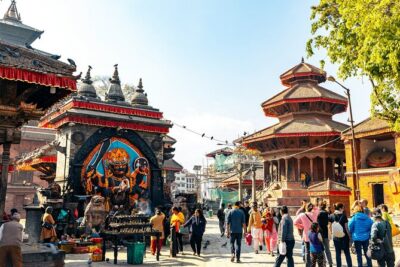
Kathmandu is where this itinerary earns its cultural weight. Two days in the Kathmandu Valley focus on UNESCO-listed religious and historic sites, and the route keeps you from trying to do too much on your own with limited time.
Pashupatinath Temple (Day 2)
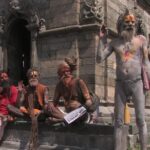
You’ll start with a Kathmandu city tour that includes Pashupatinath Temple. This is one of the most sacred Hindu pilgrimage sites in Nepal, so expect spiritual energy rather than museum quiet.
This kind of stop is best approached with patience. People come here for devotion, rituals, and observation, and your guide can help you understand what you’re seeing—especially the ceremonies and temple layout.
A practical tip: plan for crowds and movement. Even on a tour schedule, you’ll want to keep your camera ready but not in a way that blocks others.
Patan Durbar Square and Bhaktapur Durbar Square (Day 3)
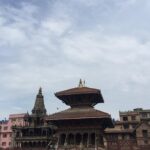
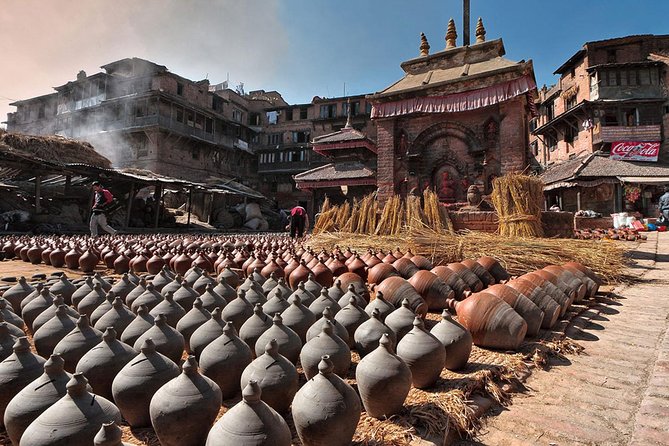
The next day goes to Patan and Bhaktapur Durbar Square, also UNESCO sites. Patan’s complex includes major temple landmarks, and Bhaktapur’s square is famous for its dense, old-city feel.
This is where you really see how Nepal’s culture is built into the streets. Unlike a single standout monument, these squares are about the whole built environment—temples, courtyards, and architecture that shaped everyday life.
The drawback? Durbar square days can feel like you’re walking non-stop if you rush. Wear comfortable shoes and let your guide pace you through the highlights, rather than trying to conquer every corner.
Chitwan National Park Jungle Days: Tharu Culture, Canoes, and Jeep Safaris (Days 4–5)
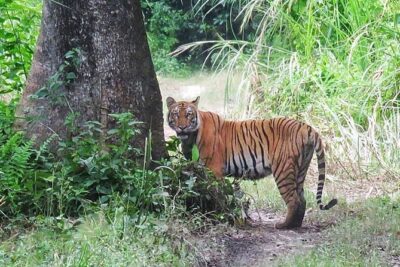
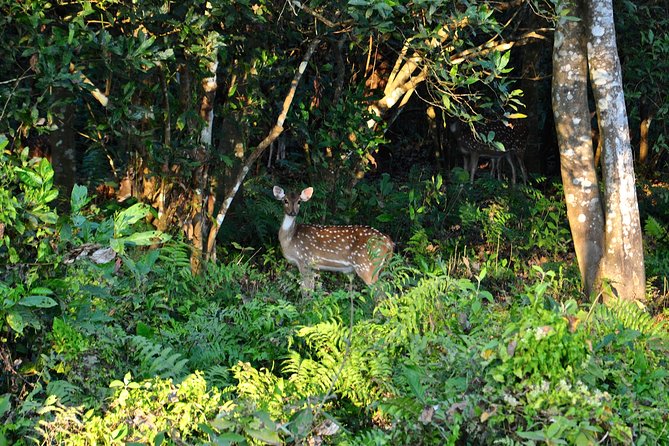
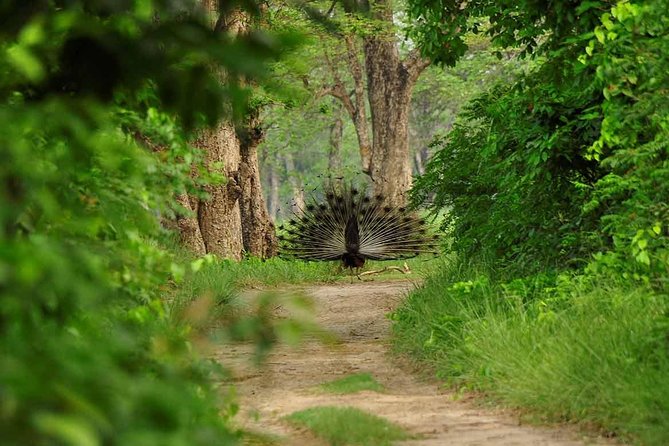
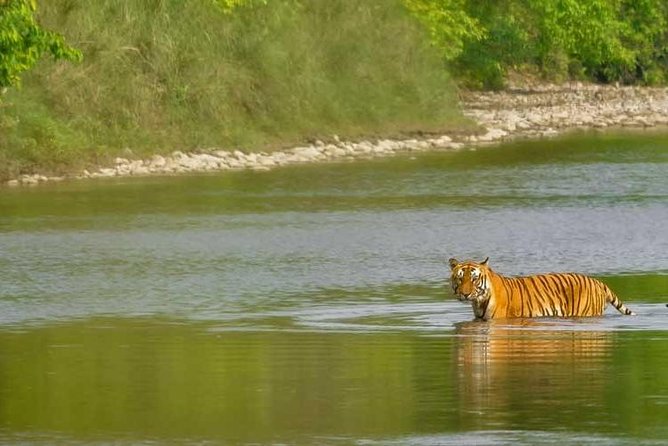
Chitwan is the emotional center of the tour for many people, and the structure is smart. You don’t just do one safari moment—you get multiple wildlife-focused activities across two days, with national park fees covered.
Day 4: Arrival, Tharu Village, and Sunset Viewpoints
You drive to Chitwan, and the drive time is noted as around 6 hours. That’s a long stretch, but the payoff is you get to start enjoying the park area that same evening.
In the late-day program, you’ll explore:
- Tharu village and a Tharu cultural museum
- Elephant stable
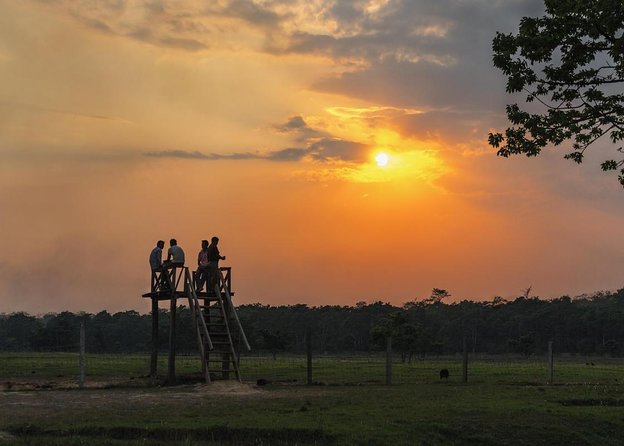
- Sunset viewpoint
- Park sightseeing
The Tharu elements are more than a side show. They help you understand the local communities that live alongside the wildlife and shaped the region’s traditions.
Day 5: Jungle Walk, Bird Watching, Canoe, and Jeep Safari
After breakfast, the schedule is packed but clearly organized:
- Jungle walk
- Bird watching
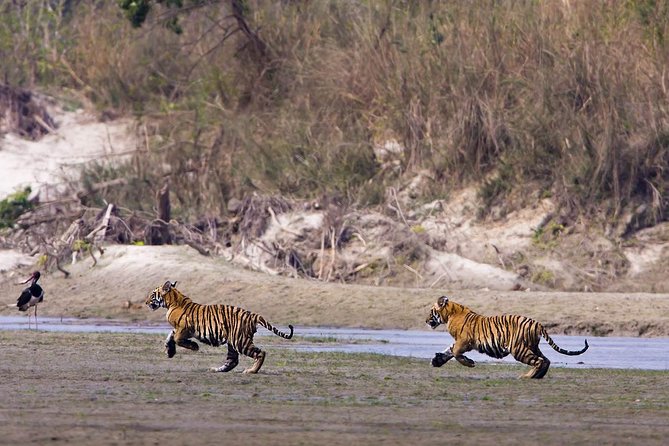
- Canoe time (with crocodiles possible)
- Then lunch
- Jeep safari for around 4 hours, with an option for an elephant safari depending on the plan
This is one of the biggest strengths of the tour. Canoeing and jeep safaris give you different “angles” on the park, and your odds of seeing wildlife often improve when the day includes more than one method of moving through habitat.
If you get motion-sensitive on boats or jeeps, consider that you’ll be active on safari days. Bring what you need for long time outside: water, sun protection, and a hat if you like them.
Lumbini to Palpa: Buddha’s Birthplace and Hill-Town Scenery (Days 6–7)
After Chitwan, you shift from jungle to spiritual history. The move to Lumbini takes about 4 hours by road, and then you spend the day exploring the heritage sites with a local guide.
Lumbini (Day 6)
Lumbini is the birthplace of Lord Buddha. You’ll start with lunch, then head out for heritage-site exploration with your guide, including stops like the broken Ashoka Pillar.
This kind of day is worth slowing down. Even if you’re not religious, the symbolism and historical significance can be moving—especially in a place where many pilgrims come for reflection rather than sightseeing checklists.
Palpa (Day 7)
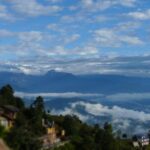
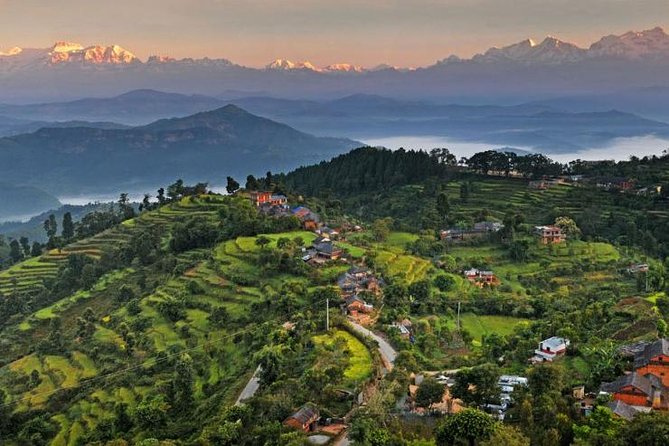
Then you drive to Palpa, and the highlight is the hill-town view from Palpa Tansen. Palpa is described as a bright Himalayan town on the slopes of Shreengar Danda, and it’s known for its attraction as a perspective point over the region.
This is also the day that helps break up the bigger travel stretches. You’re not only driving or only touring—you get a change of scenery and a sense of Nepal’s variety beyond temples and national parks.
Sunrise Views From Sarangkot and Rani Mahal Stops (Days 8–9)
Two early starts anchor the mountain side of the trip. They’re the days when Nepal feels like it’s showing off.
Day 8: Early room sunrise and Rani Mahal
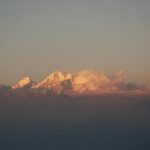
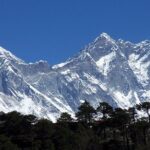
Day 8 begins with early sunrise views. The itinerary notes views of Dhaulagiri in the west and Gauri Shankar in the north, followed by a morning visit to the Rani Mahal (Historical palace).
It’s a good pairing: one moment of pure scenery, then a cultural stop that helps you connect the setting to human stories. Without overloading the day with too many extra activities, you still leave with clear memories.
Day 9: Sarangkot sunrise over Annapurna, then Pokhara sightseeing
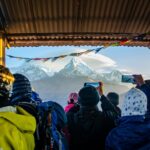
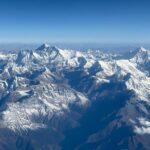
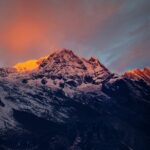
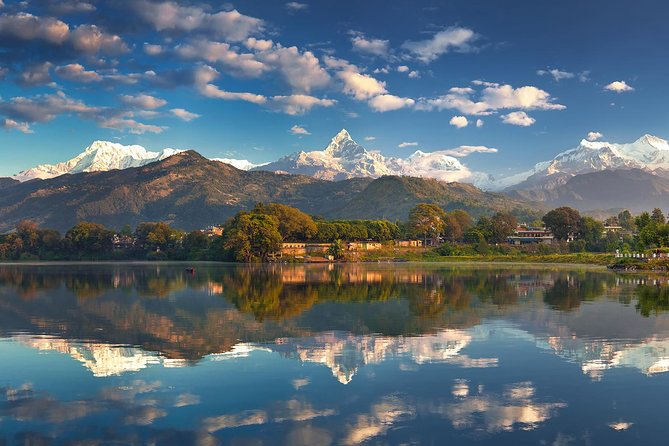
Day 9 starts with a drive to Sarangkot viewpoint for sunrise over the Annapurna mountain range. After that, you return to the hotel for breakfast and then do sightseeing around Pokhara.
Pokhara sightseeing is intentionally lighter here than the sunrise moment. That’s a smart design choice, because Pokhara can be physically tiring if you try to do too much after an early start.
My advice: treat the sunrise like the main event. If you’re chasing photos, go anyway—but don’t forget to take in the atmosphere. Nepal’s mountain light changes fast.
Bandipur’s Newari Charm and the Trishuli River Drive Back (Days 10–11)
This section gives you a slower, more local feel. Bandipur is described as a cultural town with ethical Newari people and classic old houses—so it’s more about atmosphere than big-ticket monuments.
Bandipur (Day 10)
The morning drive brings you back toward Bandipur from Pokhara, with views of the Marshyandgi river. Then you tour Bandipur, focused on its old houses and local culture.
Bandipur days are usually easiest to enjoy when you stop trying to “collect” every sight. Instead, think of it like a guided walk through how people live and built their town.
Back to Kathmandu (Day 11)
On day 11, you return to Kathmandu with scenic views along the Trishuli River meandering through a deep valley. En route, you also stop at Manakamana temple.
That day’s strength is the travel itself. If you like watching terrain change—from river valleys to hill towns—this drive becomes part of the experience instead of just transportation.
Farewell Dinner in Kathmandu: The Last Night That Feels Like Nepal (Day 12)
On the final day, you’re transferred back to the airport about 3 hours before your scheduled flight. That timing is practical, and it gives you enough buffer after a day that’s mostly travel.
Before you leave, the itinerary includes a last-night farewell dinner at an authentic Nepalese restaurant with a cultural performance. This is the kind of ending that helps everything feel connected: temples, jungle, heritage sites, then a shared cultural moment before you fly out.
If you’re deciding whether to pack extra time for shopping or souvenirs in Kathmandu, this farewell dinner is a great “don’t over-schedule” anchor. You’ll appreciate having a final evening that’s planned.
Who This Tour Is Best For (and Who Might Want to Adjust)
This Nepal Classic Tour -12 Days fits best if you:
- want a first trip to Nepal that covers big sights without planning the whole route
- like the balance of culture + wildlife + sunrise viewpoints
- prefer having private transfers and local English guides doing the heavy lifting
It may feel less ideal if you:
- hate long road days and want minimal driving
- expect a flawless road experience at all times (one negative review pointed to road demolition impacting comfort on a route segment)
For families and mixed-interest groups, this kind of itinerary can work well. You get temple days for culture lovers and safari time for nature fans, and the schedule gives each interest a place to land.
Should You Book Nepal Classic Tour -12 Days?
I’d book it if your priority is a well-structured “starter Nepal” itinerary with fewer planning headaches. The value comes from how many moving parts are covered: park fees in Chitwan, English-speaking guides for sightseeing, comfortable hotels with breakfast, and private vehicle transfers that keep things manageable.
I’d hesitate only if you’re extremely sensitive to road comfort or you need a slower pace. The tour moves, and a bit of travel discomfort is part of the tradeoff for reaching Kathmandu, Chitwan, Lumbini, hill towns, and Pokhara within 12 days.
FAQ
What cities are included on the Nepal Classic Tour?
The tour is based in Kathmandu and includes stops in Chitwan National Park, Lumbini, Palpa, Pokhara, and Bandipur, ending back in Kathmandu.
Is airport pickup included?
Yes. You get pickup from Tribhuvan Airport and transfer to your hotel by private vehicle.
Are Chitwan National Park activities and fees included?
Yes. The itinerary includes national park fees for activities in Chitwan National Park, and it covers activities such as jungle walk, bird watching, canoeing, and a jeep safari.
What kind of hotels do you stay in?
You’ll stay in 3- or 4-star accommodation, with specific nights in Kathmandu, Lumbini, Bandipur, Palpa, Pokhara, and Chitwan as listed in the tour inclusions.
Can I get a vegetarian meal option?
Vegetarian option is available. You should advise at booking if you need it, along with any specific dietary requirements.
Can I cancel for a full refund?
Yes. Free cancellation is offered if you cancel up to 24 hours in advance for a full refund, based on local time.