REVIEW · KATHMANDU
From Kathmandu: 2 Stupas and Kopan Monastery Spiritual Tour
Book on GetYourGuide →Operated by Enticing Himalayas Travels Private Limited · Bookable on GetYourGuide
Three sacred stops, one calm afternoon. This is a tight 5-hour loop around Kathmandu’s Buddhist heart, starting at the quiet Jamchen Vijaya Stupa, moving to monks at Kopan Monastery, and ending at huge Boudhanath Stupa with prayer wheels going. The flow makes it easy to wrap your head around Buddhism without cramming a full day of sites.
I like the way this tour mixes simple sightseeing with moments that actually slow you down. You get guided time at Jamchen Vijaya, then you spend real time at Kopan with a class and a meditation moment with a local.
One consideration: the walking is part of the experience, and it’s not suitable for people with mobility impairments or wheelchair users.
In This Review
- Key highlights worth knowing
- How a 5-hour stupas-and-monastery loop makes sense in Kathmandu
- Jamchen Vijaya Stupa: a quieter start for focus
- Kopan Monastery: monks, class time, and meditation practice
- Boudhanath Stupa: the big UNESCO moment with prayer wheels spinning
- How the guide experience shapes everything (and why it matters)
- Timing and pace: not rushed, but still efficient
- Price and value: why $6 can be a smart deal
- Practical tips before you go
- Who this tour fits best
- Should you book this Kathmandu tour?
- FAQ
- How long is the Kathmandu spiritual tour?
- Where are you picked up and dropped off?
- Which places does the tour visit?
- Is meditation included?
- Is the tour guide available in English?
- Is this tour a private group?
- Does the tour include skipping the ticket line?
- How much does the tour cost and what’s included?
- Can I bring luggage or large bags?
- Is the tour suitable for wheelchair users or people with mobility impairments?
- Can I cancel and get a full refund?
Key highlights worth knowing
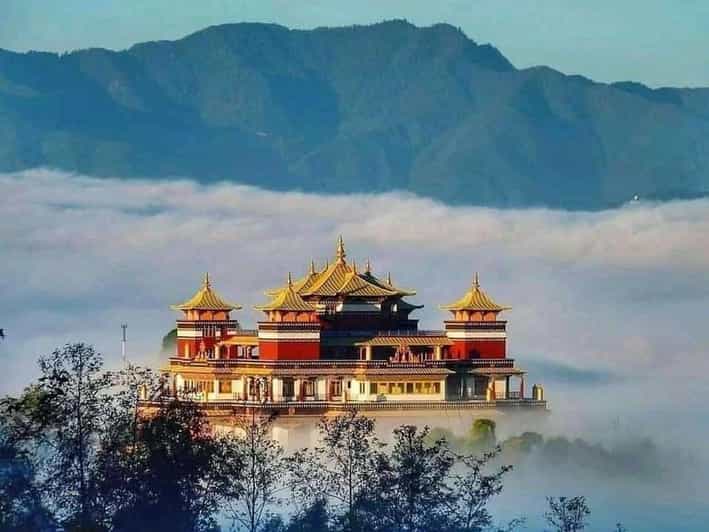
- Jamchen Vijaya Stupa, off the main rush: a calmer start for reflection before the bigger stops.
- Kopan Monastery includes a class and meditation: not just photos, but a chance to learn and sit quietly.
- Boudhanath Stupa is UNESCO-scale sacred: massive white dome, Buddha’s eyes, prayer wheels, and Tibetan culture nearby.
- English-speaking licensed guide with private pacing: you can ask questions and go at a comfortable speed.
- Hotel pickup and drop-off in Kathmandu by car: less hassle, more time with the sites.
How a 5-hour stupas-and-monastery loop makes sense in Kathmandu
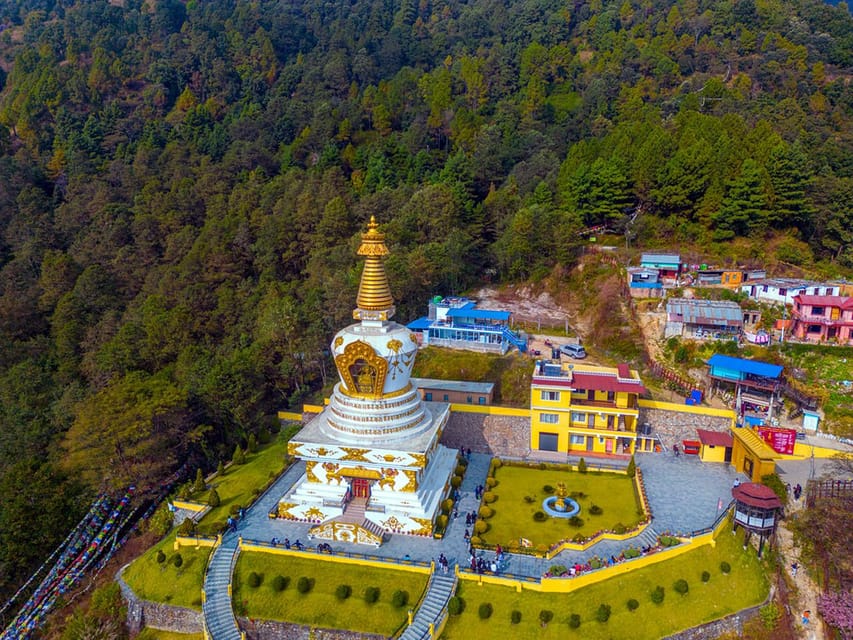
Kathmandu can feel like a lot fast. This tour is built like a reset: three spiritual stops, each with its own mood, all within about 5 hours. That shorter timeline matters if you’re jet-lagged, have limited days, or just don’t want to spend your whole afternoon battling traffic and schedules.
The value here is the balance of structure and breathing room. You’re not left wandering with a map; you have a licensed guide in English for the guided bits, plus breaks and free time at the bigger locations.
And yes, the price is striking. At $6 per person (with car transport, pickup/drop-off, and a guide), it’s one of those rare deals where you’re not paying premium prices to sit in a waiting room.
You can also read our reviews of more tours and experiences in Kathmandu.
Jamchen Vijaya Stupa: a quieter start for focus
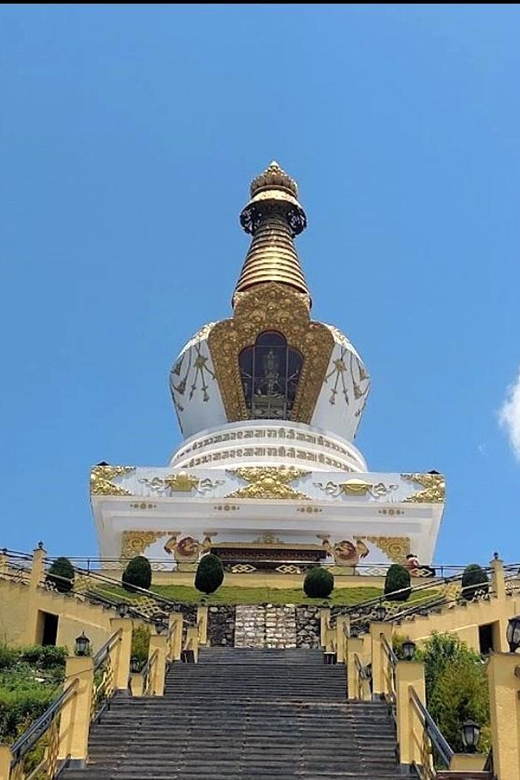
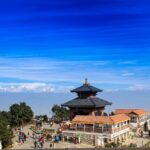
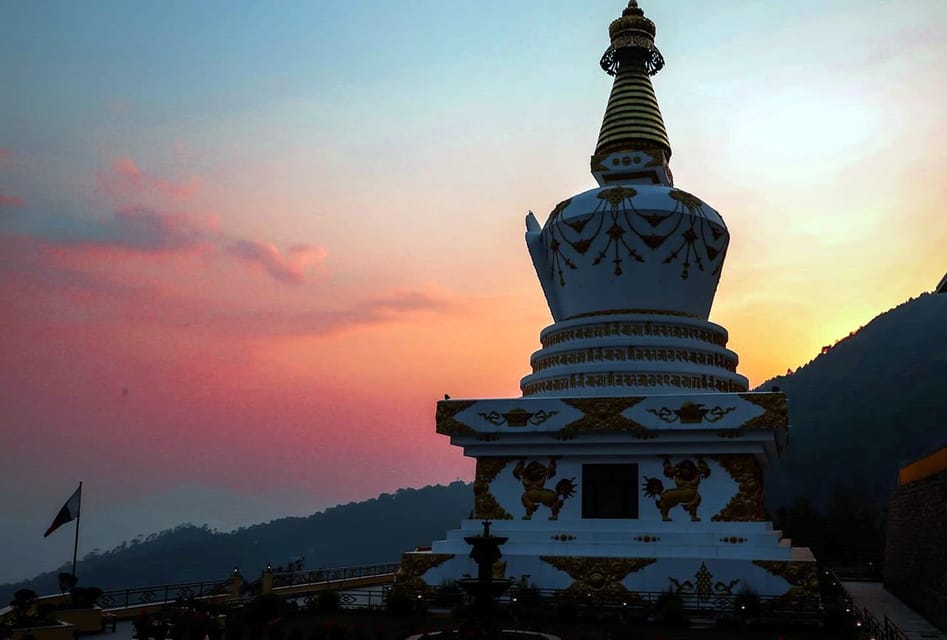
Your morning (or afternoon) begins at Jamchen Vijaya Stupa for about one hour, with guided time and a walk on the grounds. This stop is described as a lesser-known place with a serene feel, and that’s exactly why it works. You ease in rather than jumping straight to the busiest “headline” monument.
What I like about this opening is the intention. A smaller stupa stop gives you time to understand the basic language of Buddhist sacred space—how the architecture, the setting, and the act of observing all carry meaning. If you’re the type who needs a little context before you start spinning prayer wheels, this sets you up.
The possible drawback? Because it’s calmer and less central, you might feel like it’s more about atmosphere than “big photo moments.” If you’re only chasing the most famous views, this may feel slightly more subtle than the later stops.
Kopan Monastery: monks, class time, and meditation practice
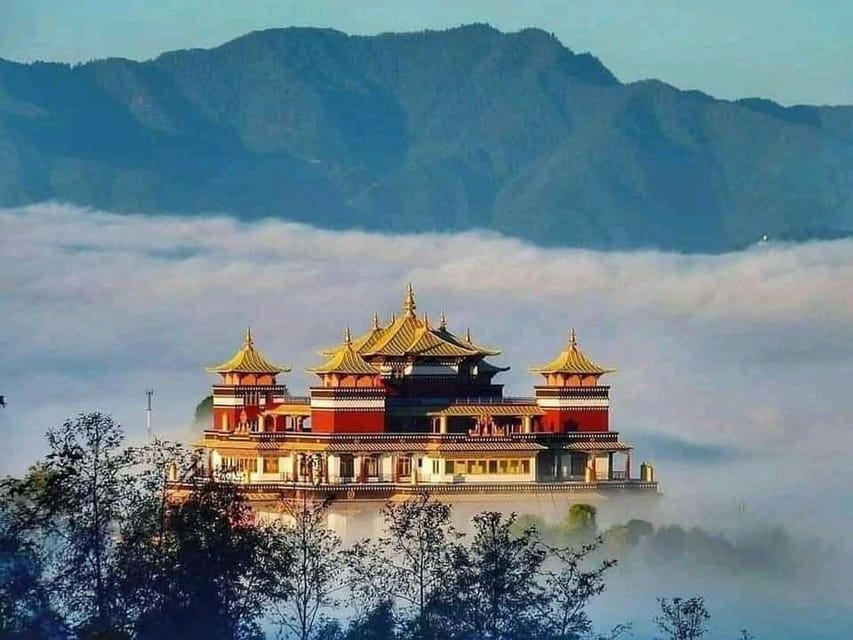
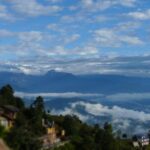
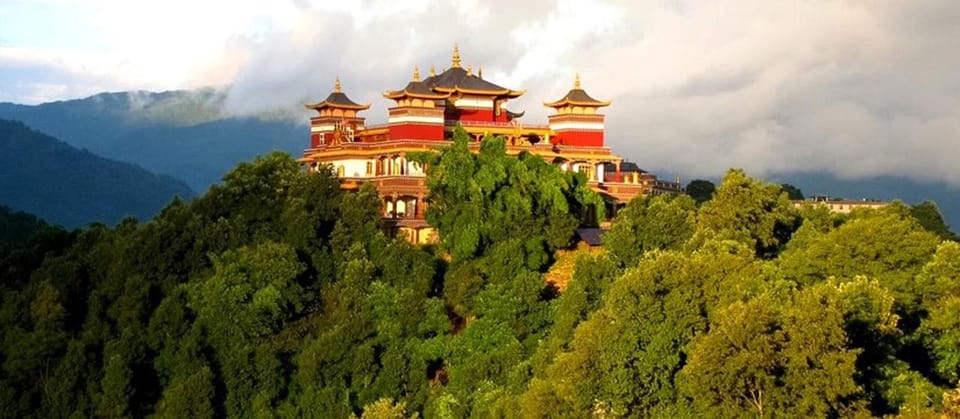
Next comes Kopan Monastery, also around one hour. Expect a photo stop, a visit, time to walk around, and a class. The hilltop setting matters too: you get scenic views of the Kathmandu Valley on the way and from the general area.
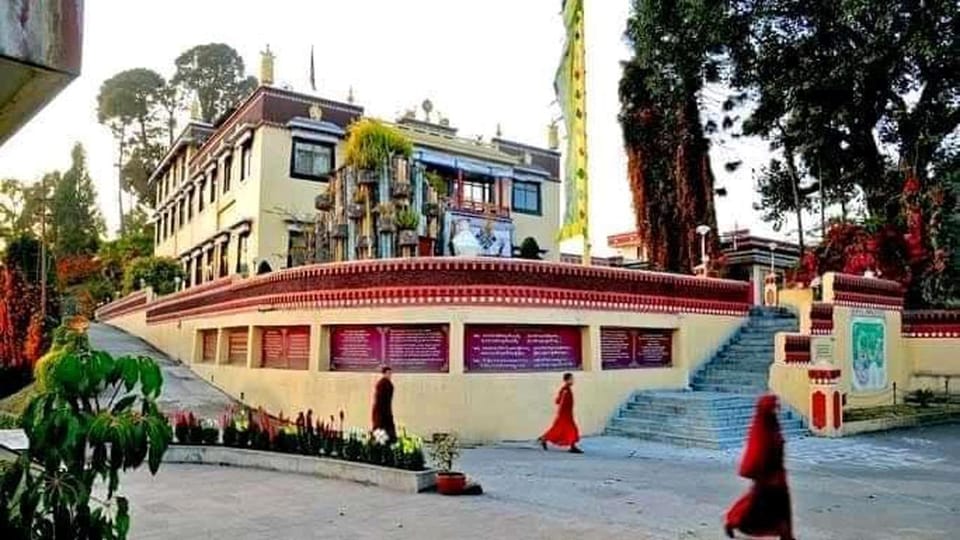
This is the part of the tour that feels most “alive” because you’re not just looking at religion from outside. You’re interacting with the monastic world—listening, observing routines, and learning how teachings translate into daily practice. Prayer wheels, colorful murals, and peaceful gardens show up in the experience, not as decorative extras, but as part of how the monastery communicates devotion.
Then there’s the meditation component. The tour highlights a spiritual journey for personal reflection during meditation with a local, and some past participants report getting close to an hour to sit. For me, that’s the best reason to pick this tour over a pure sightseeing option. You leave with a memory that’s quieter than a thumbnail.
One practical note: Kopan Monastery can have schedule and access variability. A past experience also mentioned Kopan being closed at the time of the visit, so it’s smart to ask your guide on the day how the program will run for your date.
Boudhanath Stupa: the big UNESCO moment with prayer wheels spinning
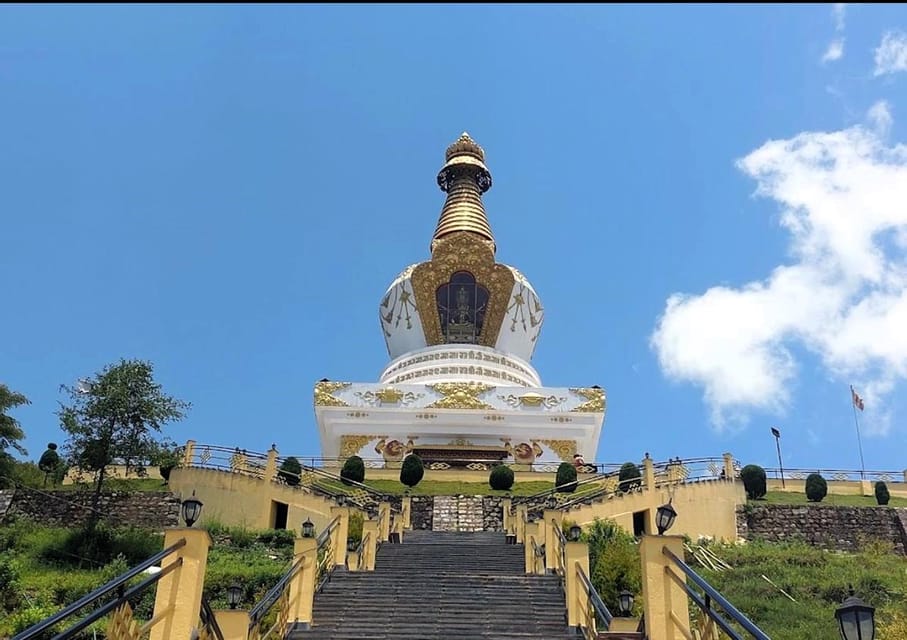
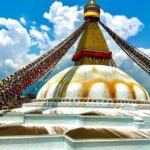
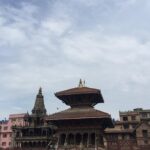
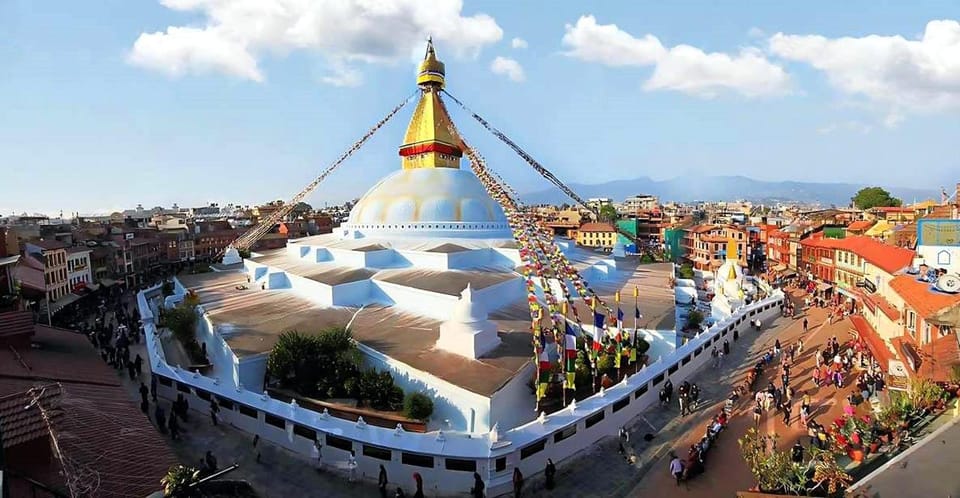
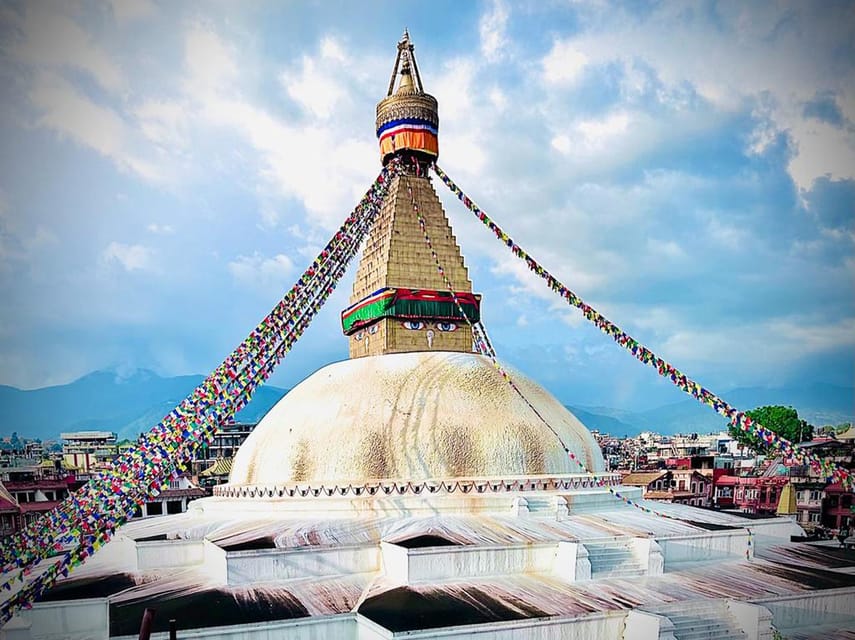
You finish at Boudhanath Stupa (about one hour of guided time plus breaks). This is the UNESCO-level stop: the huge white dome, the Buddha’s watchful eyes, and a constant flow of pilgrims moving around the stupa. The area around it brings in Tibetan culture in a way that feels immediate—chanting, prayer wheels, and nearby shops and eateries with prayer flags out front.
What makes this ending strong is the contrast. After the hilltop atmosphere of Kopan, Boudhanath is communal. People circle the stupa, spin prayer wheels, and chant mantras—so you get to see Buddhism as something practiced by real communities, not just preserved as monuments.
This portion includes a guided tour, photo opportunities, and free time. That free time matters because Boudhanath is one of those places where you’ll spot details the guide can’t cover in one pass—patterns in the artwork, the way people move in rhythm around the stupa, and the textures of daily devotion.
If you’re sensitive to crowds, you’ll want to manage expectations. Boudhanath is popular, and it can feel busy. Still, “busy” here is different from city chaos—it’s energy tied to ritual.
How the guide experience shapes everything (and why it matters)
In a tour like this, your guide isn’t a bonus. They’re the translation layer. The tour is run with an English-speaking live guide, and the standout quality in past experiences is how clearly the guide connects symbolism to everyday practice.
People have praised guides for patient answers and straightforward explanations—especially when it comes to the meaning of rituals and the symbolism behind things you’d otherwise just treat as decoration. Names you may see associated with strong tours include Aneel, Pranav, Karma, and Pooja. When you get a guide with that kind of clarity, the same stupa looks less random and more intentional.
I’d also watch for the “local tips” effect. One guide reportedly shared pointers like where to get some of the best momo’s nearby. That small detail can turn a stop from a box-check into a day that feels like you lived Kathmandu for a bit, not just toured it.
Timing and pace: not rushed, but still efficient
This is built to fit in your schedule without making you feel dragged from place to place. Each main stop is about one hour, and the rest is transit plus short breaks. It’s enough time to feel like you were “there,” but not so long that you lose the thread.
The other pace win: private group format. Even when you’re traveling solo, you’re not trapped in a big pack that forces you to move at the pace of the slowest walker. The guide can adjust timing to your comfort level, and you get breathing room during the free-time windows at Kopan and Boudhanath.
Still, keep your expectations grounded. This is a walking-in-temple-areas type of day. Wear shoes you trust. Bring a light layer, because Kathmandu weather can change during the day.
Price and value: why $6 can be a smart deal
At $6 per person, you’re paying for more than transport. You’re getting:
- hotel pickup and drop-off in Kathmandu
- car transportation
- a licensed guide in English
- guided time at each stop
- and a “skip the ticket line” convenience
In other words, you’re not just buying access—you’re buying time with context. A guided explanation at Boudhanath is where many self-guided visits feel flat, because you miss the meaning behind what you’re seeing.
What you won’t get (and you’ll likely want) is lunch. The tour includes a chance to buy an authentic Nepalese lunch along the way, and that’s a practical way to manage food without forcing an extra plan into your day.
If you’re the kind of traveler who usually pays for “cheap transport + free wandering,” this tour can feel like a better deal because it gives you structure and interpretation.
Practical tips before you go
A few details will help you have a smoother day.
First: bring an ID. You’ll need a passport or ID card (a copy is accepted). Keep it handy since you’re moving around secured places and local checks can vary.
Second: pack light. Luggage or large bags aren’t allowed, so plan for just what you need. A small day bag is usually the sweet spot.
Third: dress respectfully. You’ll be at stupas and a monastery, and you’ll be walking around temple-area paths. I’d aim for clothing that covers shoulders and knees. (That isn’t about rules for rules’ sake—it’s about not drawing attention in a sacred space.)
Finally: mobility needs matter. This tour is not suitable for people with mobility impairments and it’s not for wheelchair users. There are walks at each stop, plus uneven ground.
Who this tour fits best
This experience is ideal if you want a Buddhism-focused day in Kathmandu without building your own route from scratch. It’s also a strong fit if you like spiritual sites but you also want explanations—symbolism, rituals, and how practice works on the ground.
I’d especially recommend it for:
- solo travelers who want an easier way to understand local religious culture
- visitors who prefer a guided plan but still want quiet time for reflection
- people who want a meditation moment, not just monument photos
If you only want famous “postcard” stops and hate walking, you may find the tone shifts from quiet (Jamchen Vijaya) to crowded ritual (Boudhanath). But if that contrast sounds interesting, this works.
Should you book this Kathmandu tour?
Yes, I think you should book it if you want a short, meaningful Buddhist circuit with real interpretation and a meditation pause. The combination of hotel pickup, private pacing, and a licensed English guide makes it easier than doing this on your own—especially if you’re not fluent in the cultural context.
Book it on your best remaining half-day if you can. And choose it with eyes open: it’s walking-heavy and not accessible for wheelchairs. Also, monastery access can vary by day, so don’t be surprised if the program timing shifts.
If you want a day that feels more like understanding than collecting stamps, this one is a good match.
FAQ
How long is the Kathmandu spiritual tour?
The tour lasts 5 hours.
Where are you picked up and dropped off?
Pickup and drop-off are included in Kathmandu, by car from your accommodation.
Which places does the tour visit?
The tour visits Jamchen Vijaya Stupa, Kopan Monastery, and Boudhanath Stupa.
Is meditation included?
Yes. The tour includes a meditation experience with a local as part of the spiritual journey.
Is the tour guide available in English?
Yes. The live tour guide works in English.
Is this tour a private group?
Yes. It is listed as a private group.
Does the tour include skipping the ticket line?
Yes, it includes skip the ticket line.
How much does the tour cost and what’s included?
The price is listed as $6 per person. It includes hotel pickup and drop-off, car transportation, and a licensed guide.
Can I bring luggage or large bags?
No. Luggage or large bags aren’t allowed.
Is the tour suitable for wheelchair users or people with mobility impairments?
No. It is listed as not suitable for people with mobility impairments and for wheelchair users.
Can I cancel and get a full refund?
Yes. You can cancel up to 24 hours in advance for a full refund.