REVIEW · KATHMANDU
Manaslu Circuit Trek – 14 days of Himalayan Adventure
Book on Viator →Operated by Wonder Himalaya · Bookable on Viator
Big views start the moment you climb. This 14-day Manaslu Circuit Trek puts you on a Himalayan route around Mt. Manaslu with Tibetan-influenced villages and monasteries—plus the kind of quiet that makes a big trek feel personal.
I love that the journey is built around 360 close views of the Manaslu massif and repeated chances to look up and still not get bored. I also like how the route mixes nature with human culture, from Buddhist walls and chortens to the daily rhythm of the villages.
One drawback to plan for: cost creep. Bottled water, coffee/tea, snacks, and travel insurance are not included, and you’ll want to budget for those so you’re not scrambling later.
In This Review
- Key things that make this trek worth your time
- Why Manaslu feels more real than a checklist trek
- Value for the price: what $1,099 really covers
- Getting from Kathmandu into trek mode (Days 1–2)
- Maccha Khola to Jagat: subtropical forests and first suspension-bridge thrills (Day 3–4)
- Jagat to Namrung: villages, Tibetan influence, and bridge-and-ridge walking (Day 5)
- Namrung to Shyala and on to Sama Gaon: mani walls, rhododendron, and ridges with attitude (Days 6–7)
- Day 8: the acclimatization day that keeps you safer (and lets you enjoy it)
- Samdo and the approach: higher terrain, more rock, and prayer flags overhead (Days 9–10)
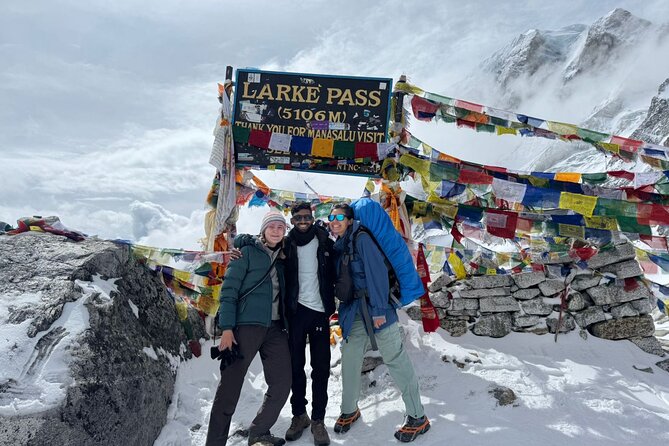
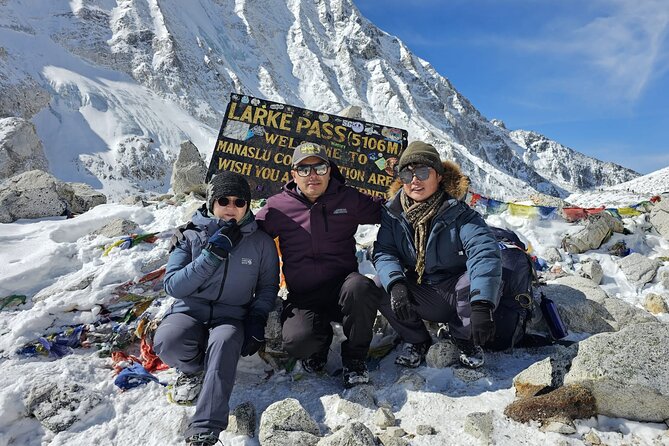
- Day 11: crossing Larkya La Pass and stepping into Bhimtang
- Day 12 to Day 13: descent relief, then the long ride back to Kathmandu
- Day 14: leaving the mountains behind, with one last checklist
- The guide and support side: why it matters more on Manaslu
- Who this trek suits best (and the one thing to watch)
- Should you book this Manaslu Circuit Trek with Wonder Himalaya?
- FAQ
- Where does this Manaslu Circuit Trek start and end?
- How long is the trek?
- What’s the price per person?
- Does the tour include pickup in Kathmandu?
- What permits are included?
- Is there a guide included?
- Is oxygen monitoring included?
- What trekking gear is included?
- What meals are included?
- What is not included?
- Is there free cancellation?
Key things that make this trek worth your time
- Manaslu Conservation Area trekking with wildlife habitat like Himalayan tahr, blue sheep, and snow leopard territory
- A true acclimatization/rest day in Sama Gaon, with Birendra Taal Lake and a monastery visit
- Oxygen checks built in using an oxi-meter, not just good intentions
- A guide-focused experience (in the feedback I saw, Santosh stood out for staying on top of the group)
- Included trekking essentials like a down sleeping bag and walking poles
- Private group format, so you’re trekking with only your own group
Why Manaslu feels more real than a checklist trek
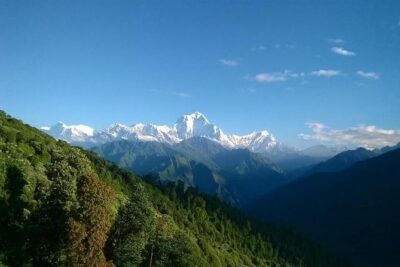
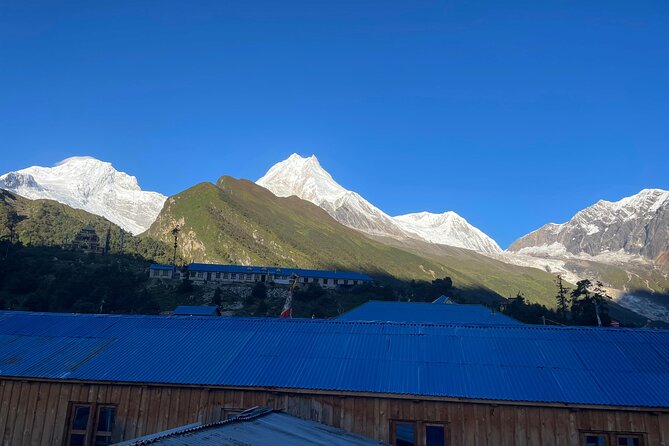
Manaslu Circuit is famous for the view—Mt. Manaslu (8,163 m) dominates the mental picture from day to day. You’re not just “passing through scenery.” You’re walking through a landscape tied to a living conservation area, the Manaslu Conservation Area, which wraps around the mountain.
And the route gives you those moments that make trekking feel bigger than effort. You move past Ganesh Himal and the Annapurna Massifs, then keep returning to the Budhi Gandaki River as it shapes the valley life around you. If you like wildlife odds (without expecting a guarantee), this is the kind of trek where you’re technically in habitat for Himalayan tahr, blue sheep, and even snow leopard territory.
The culture side is the other big reason this trek doesn’t feel like a pure “mountain workout.” As you go higher, you’ll see more Tibetan influence—mani walls, chortens, monasteries, and prayer-flag patterns that help the trail feel connected to belief and daily tradition, not just altitude.
You can also read our reviews of more hiking tours in Kathmandu
Value for the price: what $1,099 really covers
At $1,099 per person for about 14 days, the biggest value is that you’re not funding everything piece by piece. This package includes:
- Permits: Manaslu Conservation Area Permit, Annapurna Conservation Area Permit, and a Restricted Area Permit
- A govt-registered trekking guide, plus strong support from porters and crew
- An oxi-meter to check oxygen saturation/heart status
- Trek gear: a down-filled sleeping bag and walking poles
- A route map
- Meals: breakfast (13), lunch (11), dinner (11)
That matters because permits on constrained routes can be the difference between a smooth plan and a “where do we even start” mess. And permits plus a restricted-area component usually mean you’re trekking within a more organized framework, which is what most people want when altitude and logistics start playing together.
Where you’ll need to add your own spending: bottled water, snacks, coffee/tea, alcoholic beverages, and personal expenses. Also, travel insurance and medical evacuation are not included. In other words, you should buy insurance separately (and do it early), because that’s the one “adulting” item you never want to treat as optional when you’re far from help.
Getting from Kathmandu into trek mode (Days 1–2)
Day 1 is straightforward. You arrive at Tribhuvan International Airport, and a Wonder Himalaya representative meets you in Kathmandu holding a name placard. That kind of “first-touch” support matters in Nepal, especially if you’re solo or jet-lagged and trying to sort out SIM cards, money, and timing.
Day 2 starts with an early breakfast in Kathmandu, then a scenic drive toward Maccha Khola. Along the way you’ll see views related to the Trishuli and Budhi Gandaki River areas. This day is more than transport. It’s your transition from traffic noise to river valleys, and it sets expectations for what the trek rhythm will feel like later.
A practical point: if you’re sensitive to road discomfort, the jeep/bus sections can be fatiguing. Build in a little patience. Think of Day 2 as “reset your legs,” not “train for the pass.”
Maccha Khola to Jagat: subtropical forests and first suspension-bridge thrills (Day 3–4)
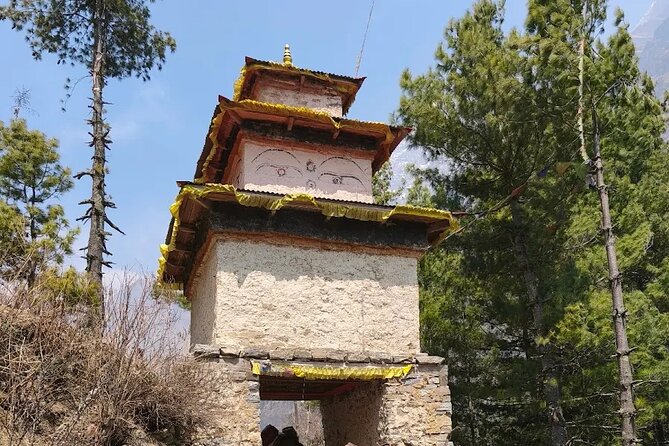
After a night in Maccha Khola, Day 3 begins with trekking to Jagat through lush subtropical forest and along the banks of the Budhi Gandaki River. This is the section where the trek feels like it’s waking up slowly. You’re moving through greenery while the river keeps reappearing, which gives your brain something familiar to track.
Day 4 continues with early trekking from Jagat into dense forests with tall trees and colorful rhododendron. You’ll also cross multiple suspension bridges over rushing streams and rivers. This is one of those “small moments” days: bridges can feel adrenaline-y at first, but they’re also a signal that the trail is active and alive—always moving, never totally flat.
If you’re someone who gets uneasy on hanging bridges, you’ll still be able to do this. Just bring a steady pace and remember: the guide’s job includes keeping the group together, not forcing speed.
Jagat to Namrung: villages, Tibetan influence, and bridge-and-ridge walking (Day 5)
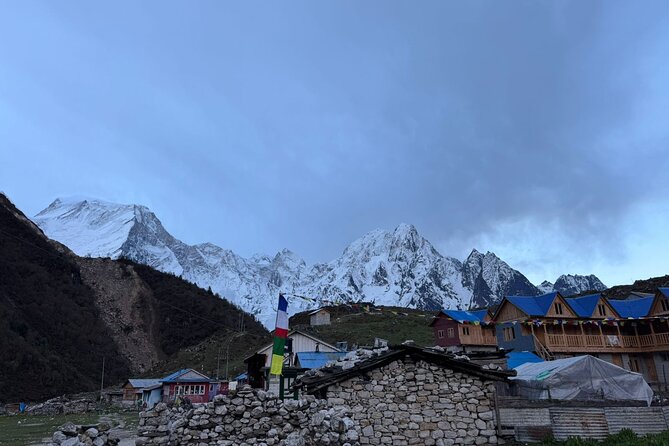
Day 5 is when the cultural side starts to become more obvious. You trek from Deng to Namrung, passing through Bihi Phedi and Bihi, both described as culturally rich villages. This is where the Tibetan influence shows up more clearly, and you’ll likely notice the architecture and daily life shifting from what you saw lower down.
The trail continues through dense forests, and the walking style becomes a blend: some forest shade, some trail edges that feel more exposed as you move toward higher settlements.
This is also a good day to practice your “day discipline.” Trekking works best when you keep your effort controlled early so you’re not paying for it on steeper sections later.
Namrung to Shyala and on to Sama Gaon: mani walls, rhododendron, and ridges with attitude (Days 6–7)
Day 6 takes you from Namrung to Shyala. Expect an ascent through forests filled with rhododendron and pine trees. You’ll pass traditional Buddhist mani walls and chortens, which are the kind of details that make a trek feel respectful rather than anonymous.
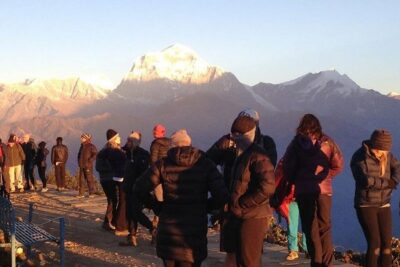
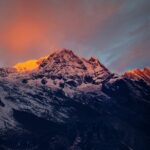
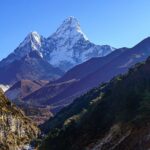
Day 7 continues toward Sama Gaon. You’ll walk through alpine forests and open ridges surrounded by major views of the Manaslu massif. This is one of the best mental shifts: the higher the trail goes, the more the mountain takes over your attention.
Here’s the thing I’d encourage you to do: slow down enough on ridge sections to actually look. Not for long. Just long enough that the view changes how you pace your day.
Day 8: the acclimatization day that keeps you safer (and lets you enjoy it)
This trek includes a dedicated acclimatization/rest day in Sama Gaon (Day 8). It’s there for a reason: after days of climbing and moving, your body needs time to adjust before the higher push.
On top of resting, you’ll get a short hike to Birendra Taal Lake, named after the late King Birendra of Nepal. You’ll also visit Labrang Gompa or Kargya Chholing monastery for monks’ blessing ceremonies (as described in the itinerary).
This day is valuable in two ways:
1) It reduces the “rush” toward higher elevations.
2) It adds a cultural anchor so you don’t only measure the trek by altitude.
Practical tip: treat this like a training day for your future self. Hydrate, eat well, and don’t turn the rest day into a challenge hike that steals energy.
Samdo and the approach: higher terrain, more rock, and prayer flags overhead (Days 9–10)
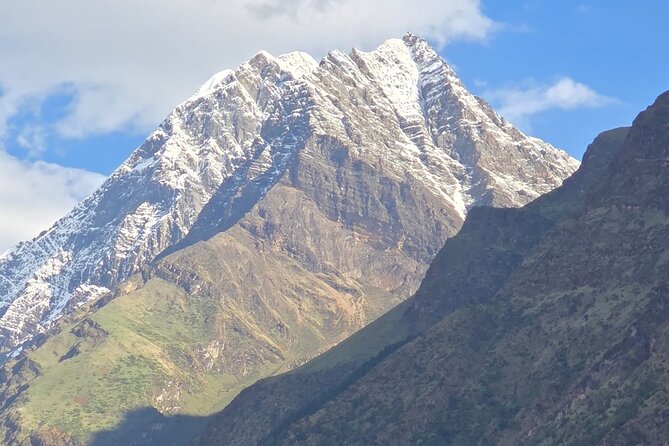
Day 9 brings you to Samdo Village, with the Manaslu peak watching over you as you climb higher. As the route ascends, the terrain becomes more challenging—described as changing as you move into higher country. This is the phase where trekking stops being “pretty forest days” and becomes “serious mountain movement.”
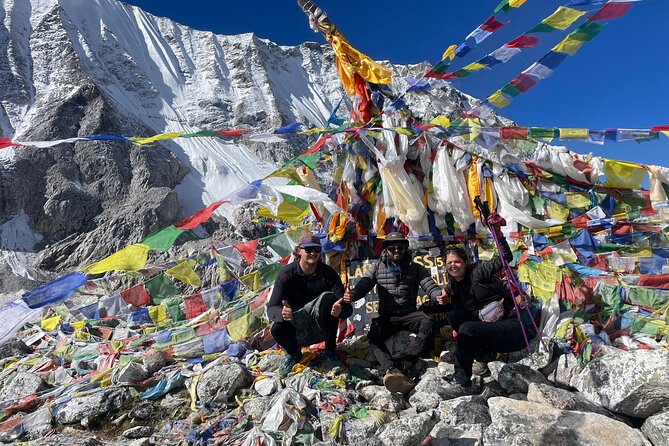
Day 10 continues with climbing higher into the mountains through rockier trails. The itinerary notes amazing views of tall peaks including Manaslu and other nearby mountains. You’ll also see prayer flags fluttering along the way, which helps turn “work” into something you can appreciate.
The main consideration here is mental: if you’re feeling pressure to keep up, remember that your best mountain day is the one you live through comfortably. Use the guide and group pace. That’s why support matters.
Day 11: crossing Larkya La Pass and stepping into Bhimtang
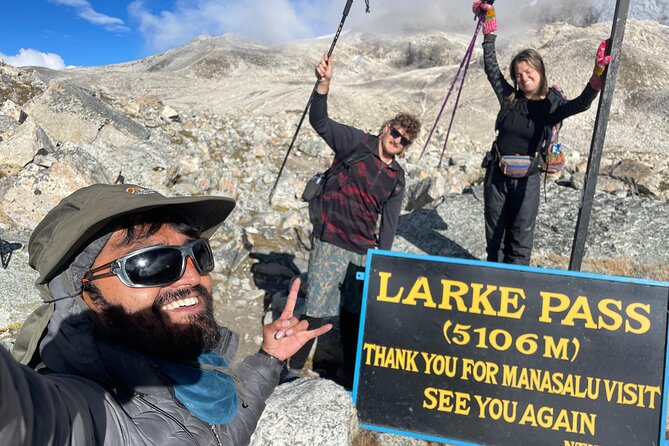
Day 11 starts early with breakfast and then the big moment: crossing Larkya La Pass. After the pass crossing, the trek heads toward Bhimtang, crossing small streams along the way. The itinerary describes walking for two to three hours before continuing.
Then comes the long downhill section. You continue descending for the next four to five hours through rocky paths and open valleys until you reach Bhimtang. You stay there for the night and enjoy views of snow-capped mountains.
This is the day where the oxi-meter becomes more than a gimmick. Since oxygen saturation and heart rate checks are built in, you get a tool to help you respond to your body instead of ignoring warning signs. You still need to listen to how you feel, but it helps to have data in a high-stakes environment.
Also: pass days can feel like weather roulette even if the sky is okay earlier. No one can promise conditions. So pack for the possibility of wind and temperature swings and dress in layers you can manage quickly.
Day 12 to Day 13: descent relief, then the long ride back to Kathmandu
Day 12 focuses on descent into lower elevations. You leave Bhimtang after breakfast and walk through lush forests of pine and rhododendron, with occasional distant mountain glimpses. This is the “breathing room” day. Trails tend to feel more forgiving than the higher rockier sections, but don’t treat it like a free day. Your legs still work.
Day 13 is the big transition: a long journey to Kathmandu. You’ll drive by jeep to Besisahar, and the itinerary notes enjoying the beauty from the window as you roll over rough roads. You reach Besisahar from Tilije within about two to three hours (as described), then continue toward Kathmandu by public transportation.
This day can feel like a travel day inside a travel day. The best strategy is to keep expectations low: you’re not sightseeing all day. You’re getting back safely and on time.
Day 14: leaving the mountains behind, with one last checklist
On Day 14, the trek ends and you’re transferred to Tribhuvan International Airport. The itinerary encourages you to pack luggage carefully and double-check you didn’t leave items behind.
It sounds obvious, but after days of trekking routines, it’s easy to forget something small like a charger cable or a forgotten layer. Do a quick inventory the night before departure. Your future self will thank you.
The guide and support side: why it matters more on Manaslu
This trek is led by an experienced govt-registered trekking guide, with support from porters and crew members. In the feedback I saw, guide Santosh was specifically praised for staying aware of the group and making sure no one got left behind, including waiting or looking out if anyone lagged.
That kind of attention changes the trek experience. It means your pace isn’t only about endurance. It’s also about coordination, especially on longer descent segments and pass-adjacent days when energy and focus can dip.
The oxi-meter inclusion is another practical plus. It’s not a guarantee against altitude issues, but it’s a smarter way to monitor what your body is doing during climbs. And since the tour includes an acclimatization day at Sama Gaon, you have both a schedule tool and a monitoring tool.
Finally, remember this is a private tour/activity where only your group participates. That usually translates to less waiting, less guesswork, and a more personal pace. It can also mean you’ll want your group to be honest about comfort levels so the guide can manage everyone.
Who this trek suits best (and the one thing to watch)
This trek says it’s for moderate physical fitness trekkers. That’s a good fit if you can walk multiple hours and handle elevation changes without needing a daily rescue plan.
You’ll likely enjoy it most if you:
- Want big Himalayan views without extreme peak climbing
- Like a mix of nature and Tibetan/Buddhist culture, including monasteries and mani walls
- Prefer a trek that’s described as less crowded than many other Nepal destinations
The main consideration is that you’re still trekking in high country. “Moderate” doesn’t mean “easy.” You need consistency: eat, hydrate, follow the guide’s pace, and take the acclimatization day seriously.
Should you book this Manaslu Circuit Trek with Wonder Himalaya?
I’d book it if your priority is a well-structured, cultural-and-view-forward circuit around Manaslu, with permits, guide support, and oxygen checks handled for you. At $1,099, the value is strongest when you compare what’s included: permits, guide, oxi-meter, key equipment, and most meals.
Skip or reconsider if you know you’ll struggle with the practical extras: you’ll need to budget for bottled water, snacks, coffee/tea, and travel insurance. Also be realistic about your stamina for a high pass day and a long descent day afterward.
If you want a trek that feels human, not just scenic, this circuit is built for that kind of experience.
FAQ
Where does this Manaslu Circuit Trek start and end?
It starts in Kathmandu, Nepal, with airport arrival support. It ends with a transfer to Tribhuvan International Airport on the final day.
How long is the trek?
The duration is 14 days (approx.).
What’s the price per person?
The price is $1,099.00 per person.
Does the tour include pickup in Kathmandu?
Pickup is offered.
What permits are included?
The itinerary includes Manaslu Conservation Area Permit, Annapurna Conservation Area Permit, and Restricted Area Permit.
Is there a guide included?
Yes, you get an experienced govt. registered trekking guide.
Is oxygen monitoring included?
Yes, the tour includes an oxi-meter to check heart rating and oxygen saturation.
What trekking gear is included?
A down-filled sleeping bag and walking poles are included.
What meals are included?
Breakfast is included (13), and lunch and dinner are included (11 each).
What is not included?
Not included are coffee and/or tea, alcoholic beverages, private transportation, travel insurance and medical evacuation, bottled water, snacks, personal expenses, and electronic device re-charge.
Is there free cancellation?
Yes. You can cancel up to 24 hours in advance for a full refund.