REVIEW · KATHMANDU
Everest base camp Helicopter Tour
Book on Viator →Operated by Exciting Nepal Treks and Expedition · Bookable on Viator
Want Everest without the climb? This half-day helicopter plan gives you big Himalayan views fast, plus small-group attention from your guide. I especially like the photo time you get around Kala Patthar and the clear sightlines from the helicopter windows. The itinerary also includes culture stops in Sherpa villages, so it’s not just sky and snow.
The main thing to watch is the weather. The whole experience needs good conditions, and if visibility is poor you may be rerouted or your date may shift.
In This Review
- Key Highlights You’ll Care About
- Why This Helicopter Everest Day Works
- Kathmandu Timing and Transfers: Less Stress, More View
- From Lukla to Kala Patthar: Your Best Photo Windows
- Sherpa Village Stops and Optional Monastery Time
- Everest Viewpoint Breakfast Stop: The Morning Reset
- Price, Fees, and Weather Risk: What You’re Really Paying For
- Who Should Book This (and Who Should Skip It)
- Should You Book the Everest Base Camp Helicopter Tour?
Key Highlights You’ll Care About
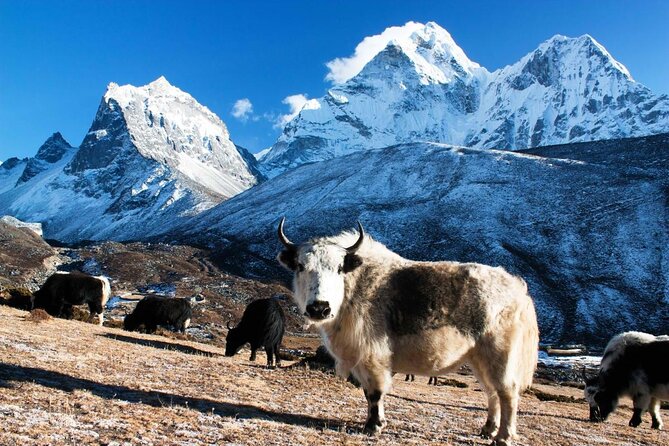
- Kala Patthar views in a short window: Fly up high and build in time for photos.
- Small group feel: A maximum of 5 people per tour helps you get more from the guide.
- Sherpa village + Buddhist culture stops: Old monasteries are optional, depending on the flow of the day.
- Hotel convenience in Kathmandu: Pickup and drop-off reduce stress on a very early morning.
- Big scenery, fast timing: About 5 hours 30 minutes total, with around 4 hours 30 minutes of flying.
- Clear morning departure: Start time is 6:15 am, so you get the best shot at weather.
Why This Helicopter Everest Day Works
If your Nepal trip is short, this tour makes sense. You’re not trying to hike out to Everest Base Camp over days. You’re buying time back, in exchange for comfort and serious airfare vibes. With roughly 5 hours 30 minutes total and about 4 hours 30 minutes in the air, you get a full-and-quick taste of the Khumbu region.
What I like most is that the day is built for viewing, not endurance. You’ll spend your energy looking out the windows and snapping photos, instead of climbing uphill until your legs file a complaint. And because the group is small, you’re not stuck watching through the shoulder gap of a large bus crowd. You can actually listen when the guide talks about the area’s history and geology.
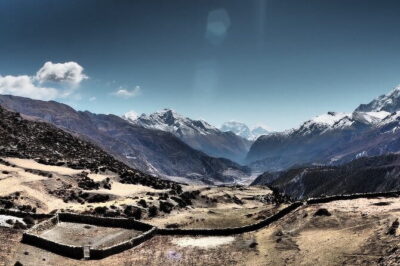
A practical bonus: the route is designed around key altitude viewpoints. You fly to Kala Patthar at about 5,550 meters, and you’ll also get time around the Everest View area. Those are the kinds of places people aim for on longer treks, just compressed into a half-day.
You can also read our reviews of more tours and experiences in Kathmandu
Kathmandu Timing and Transfers: Less Stress, More View
The day starts early: the meeting time is 6:15 am. You’ll be picked up from your hotel and taken by air-conditioned vehicle for the start of the experience. That matters more than it sounds, because Kathmandu mornings can be chaotic and cold, and you don’t want to waste the small window you have for good weather.
This is also a private transfer setup for your group, with round-trip private transportation included. You’re not fighting for seats on shared vans. Instead, you’re moving as one unit, which keeps the schedule tighter and reduces the risk of missing the helicopter due to traffic or confusion.
There’s another detail that helps on a day like this: mobile ticketing. It means fewer printed items to wrangle at the start of the trip, and it tends to make check-in smoother when you’re moving quickly.
One more reality check: you’ll be dealing with a big altitude jump through the day. Even if you’re not hiking, it’s still smart to move slowly, keep water nearby, and avoid doing anything that feels like a sprint. If you’re prone to altitude sensitivity, talk to your doctor before you go.
From Lukla to Kala Patthar: Your Best Photo Windows
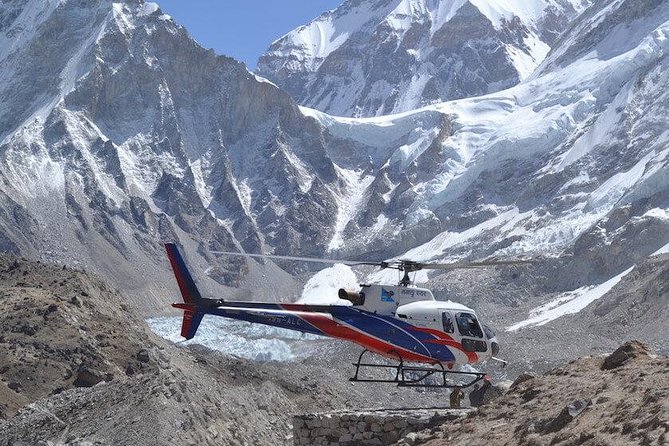
The core of the morning is flight time and vantage points. You’ll start with a flight from Kathmandu to Lukla (about 45 minutes). From there, you continue onward toward Kala Patthar.
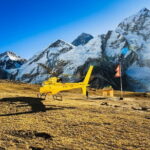
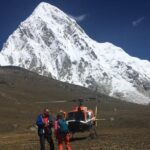
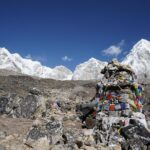
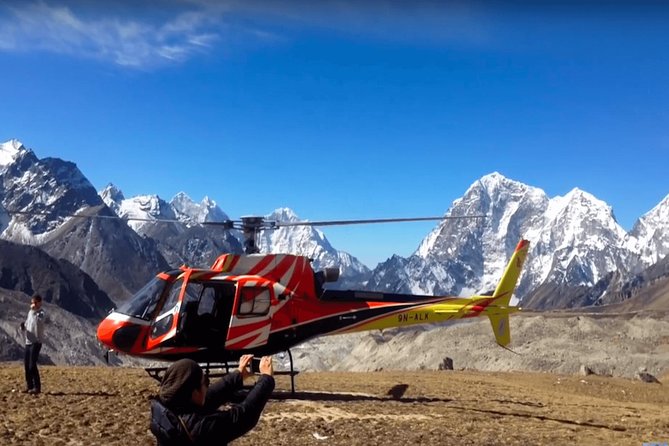
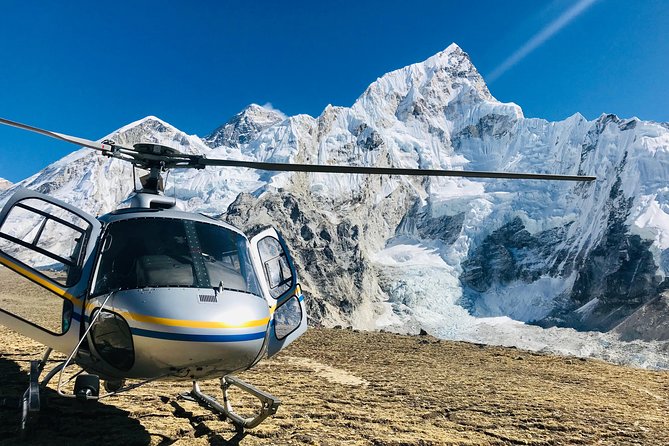
Kala Patthar is where the money shot usually lives. You’ll fly to Kala Patthar at roughly 5,550 meters for about 15 to 20 minutes, which gives you a workable chunk of time for wide-angle photos and the kind of views you can’t replicate from lower elevations. Even short stops matter up here because cloud breaks and light changes can happen fast. This schedule is built to catch what you came for without turning the day into a long wait.
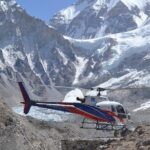
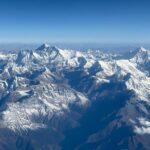
If you’re chasing window seats, you’ll like this part of the plan. The flow includes fly-overs around the Everest Base Camp and Kalapatthar areas, with the idea of getting good viewing angles from the helicopter. You’re basically getting multiple chances at framing the peaks, instead of relying on one perfect moment.
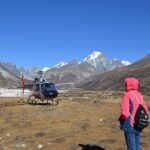
One detail worth knowing: the day also includes shuttle movement around the Phiriche area toward Everest Base Camp and Kalapatthar. This is short, not a full trek, but it adds variety. You’ll get a mix of time from the air and time on the ground so the day feels like more than just scenic transportation.
Based on a clear-day experience in November (which is often when air visibility is at its best), the combination of short ground time and helicopter viewing tends to land well. If the weather is cooperative, you can come away feeling like you actually did more than you paid for.
Sherpa Village Stops and Optional Monastery Time
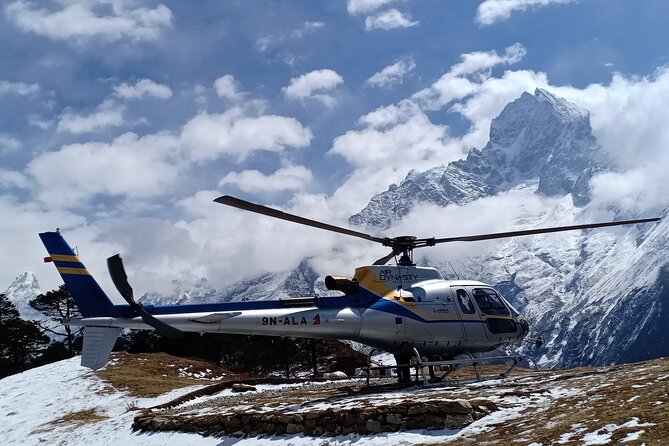
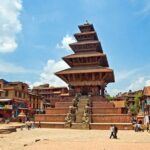
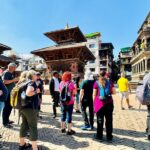
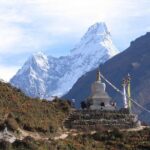
This tour doesn’t treat Everest like a parking lot view. You’ll also spend time with local culture. There’s a stop for learning about the Sherpa of Everest—especially their Buddhist culture and colorful customs. That kind of orientation is useful because it gives meaning to what you’re seeing above the villages and prayer flags.
You may also stop in or near Sherpa villages while flying high between viewpoints. In some cases, there are optional visits to old monasteries tied to ancient heritage. The big advantage of an optional element is flexibility: if conditions and timing allow, you can add that layer of context without derailing the whole itinerary.
Here’s how to think about this as a value move. Many people spend a lot of Nepal time chasing photos. This adds a cultural layer that helps you understand why the region looks the way it does, and why religious sites and mountain routes matter to local life. Even if you don’t go inside every monastery opportunity, you’ll likely pick up enough background from your guide to make the day feel less like a checklist.
A small heads-up: monastery visits can depend on weather and timing, so don’t plan your whole mindset around getting every option. Bring the attitude of flexible curiosity.
Everest Viewpoint Breakfast Stop: The Morning Reset
One of the nicest breaks on this kind of day is food time with altitude views. You’ll stop at the Everest View Hotel area for breakfast, with about 30 to 50 minutes there. This is long enough to eat, check your photos, and reset your brain after the flight legs.
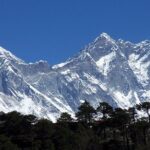
The location also makes practical sense. You get a view of Mount Everest from a hotel viewpoint area, which helps you connect the dots between what you saw from the air and what you’re seeing now. It’s a clean transition: helicopter up, viewpoint down, breakfast in between.
Two practical notes so you’re not surprised:
- Breakfast time is scheduled, but breakfast is listed as not included. That means you should plan for the cost of your meal at the hotel.
- You’ll be outdoors or near cold morning air, depending on conditions. Dress in layers. Easy win: bring something warm you can tolerate while standing around for photos.
If you’re traveling with limited time and want the day to feel grounded, this stop helps. It turns the helicopter portion from a nonstop ride into a structured experience with a pause.
Price, Fees, and Weather Risk: What You’re Really Paying For
Let’s talk money without drama. The base price is $1,700 per person, and the average booking window is about 46 days in advance. That already signals a key point: this is a premium service, and it gets scheduled early.
What makes the price feel less random is what’s included: hotel pickup and drop-off, round-trip private transfer, air-conditioned vehicle, and private transportation. You’re also getting a large chunk of flying time and multiple viewpoints, which is not typical for a standard half-day. For people who are short on time in Nepal, paying more can still be a good deal if it replaces a longer trek you can’t physically or logistically do.
Now add the extras you should budget for:
- Airport tax is listed at $8 per person.
- National park entrance fee is listed at $43 per person.
- Breakfast isn’t included, even though you’ll have time for it at the Everest View Hotel.
So the real total can climb above the headline price once you factor in those add-ons.
Then there’s the big risk: weather. This experience requires good weather, and if it’s canceled due to poor conditions, you’ll be offered a different date or a full refund. That’s comforting. Still, it’s wise to plan this tour on a day where your schedule has some flexibility, since postponements can happen.
Also note the limits: there’s a maximum weight per passenger of 243 lbs. There’s also a small group size (maximum 5 travelers) and a cap of 10 people per booking. If you’re booking late, you might lose availability because these groups are kept small.
Who Should Book This (and Who Should Skip It)
This is a strong fit if you:
- Want Everest area views but you don’t have days for a trek.
- Prefer comfort, speed, and guided commentary over walking for hours.
- Love photography and want multiple high vantage chances in one day.
- Like the idea of Sherpa culture context alongside the big peaks.
You should think twice if you:
- Have a tight schedule where a weather-related date change would wreck your trip.
- Want a long, hands-on trek experience on the ground. This is mostly flights plus short stops.
- Are sensitive to altitude or have health concerns without medical clearance.
My rule of thumb: book it when you can’t do the long hike and you still want the emotional payoff of seeing Everest up close. This tour is designed for that exact trade-off.
Should You Book the Everest Base Camp Helicopter Tour?
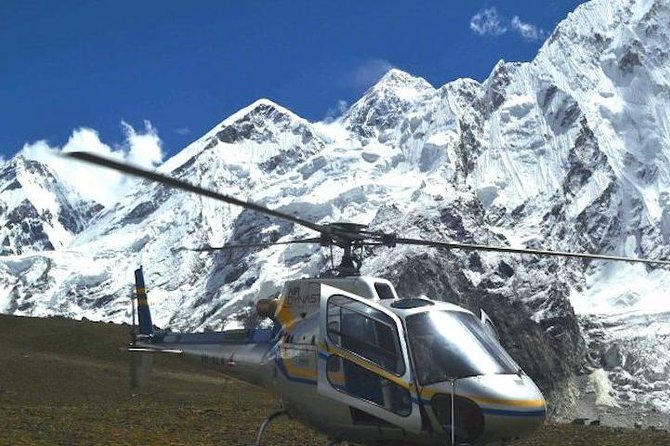
If you want Everest views quickly, this is one of the most practical ways to do it. The small group size, the focus on key viewpoints like Kala Patthar, and the structured stops (including Sherpa culture time and the Everest View Hotel breakfast window) all point to a day that’s planned for results, not wandering.
Just go in with clear eyes: it costs real money, breakfast and key fees cost extra, and weather is the final boss. If you can schedule it with some flexibility and you’re okay with a short ground day, you’ll likely feel like you bought a front-row seat.
If you want to replace a multi-day trek with a half-day experience, I’d say yes—book it early and dress for cold mornings.