REVIEW · KATHMANDU
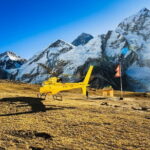
Everest Base Camp Helicopter Tour landing at Hotel Everest View
Book on Viator →Operated by Adventure White Mountain Pvt.Ltd · Bookable on Viator
Everest Base Camp by helicopter feels surreal. In a few hours, you get dramatic aerial views of the Khumbu, plus a chance to step into the mountain-view comfort of Hotel Everest View if the weather allows.
I especially like the focus on Kala Patthar-style close-up views from the air, not just a quick pass over the region. And I love the smart window-seat setup: the flight can split within the group so you’re more likely to get a better view during the Everest Base Camp portion.
The main trade-off is also the most important one: weather can change landing points, including whether you can land for breakfast at Hotel Everest View.
In This Review
- Key highlights that matter before you book
- Flying from Kathmandu to Everest Base Camp in a half-day
- Hotel pickup and your start time in Kathmandu
- First flight segment: Kathmandu to the Base Camp viewpoint zone
- Lukla fuel stop: short, but strategically important
- Pheriche timing and the window-seat strategy
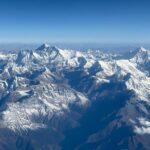
- The main event: Everest Base Camp flyover and Kala Patthar angles
- Syangboche Marg and the Hotel Everest View breakfast landing
- Return routing: Lukla or direct back to Kathmandu
- Price of $1,600: what you’re actually buying
- What conditions can change your landing plans
- Weight limit and health logistics you should take seriously
- What to pack for a cold helicopter day
- Who this helicopter tour is best for
- Should you book the Hotel Everest View landing EBC helicopter tour?
- FAQ
- Will hotel pickup and drop-off be included?
- How long is the helicopter tour and how much is flying time?
- Are there landing points besides Everest Base Camp and where do they happen?
- Is breakfast included at Hotel Everest View?
- What fees are not included in the tour price?
- What documents do I need to bring?
- What happens if poor weather cancels the experience?
Key highlights that matter before you book
- Kala Patthar flyover focus: you’re aiming for the sharp, iconic Everest angles, not just generic mountain scenery.
- Multiple landing points: you’re building in photo chances at different spots during the day.
- Hotel Everest View landing (weather-dependent): you may get a full stop with a warm pause and a structured breakfast option.
- Group format with a window-seat strategy: small-group sharing (5–6 with a pilot) and a split-up approach for window views during the key part of the flight.
- Real logistics, not just boarding: fuel stop timing and flight routing (via Lukla or direct) are handled by the operator team and pilot.
Flying from Kathmandu to Everest Base Camp in a half-day
This tour is built for people who want Everest without spending weeks on the trail. You start in Kathmandu, then spend most of the day on a helicopter schedule designed around views, short stops, and practical routing back to Kathmandu.
The helicopter flight time is listed as about 4 to 6 minutes of actual flying for the key segments, but the total experience runs about 4 to 6 hours. That includes transfers, ground time at airports/stops, and time at the mountain viewpoint/breakfast location (when conditions allow). In plain terms: it’s fast, but it’s not instant. You’ll feel the rhythm of a real flight day.
You can also read our reviews of more tours and experiences in Kathmandu
Hotel pickup and your start time in Kathmandu
Hotel pickup and drop-off are included, but you’ll need to send your hotel name and address so they can set your pickup time. That matters because you don’t want to show up late for airport check-in, especially when your experience is tied to good weather windows.
You’ll also be using a mobile ticket, which is handy if you like to travel light. The operator hours shown are Monday–Friday, with a long service window, so it’s typically easier to place this early in a Nepal trip rather than waiting until your last day.
First flight segment: Kathmandu to the Base Camp viewpoint zone
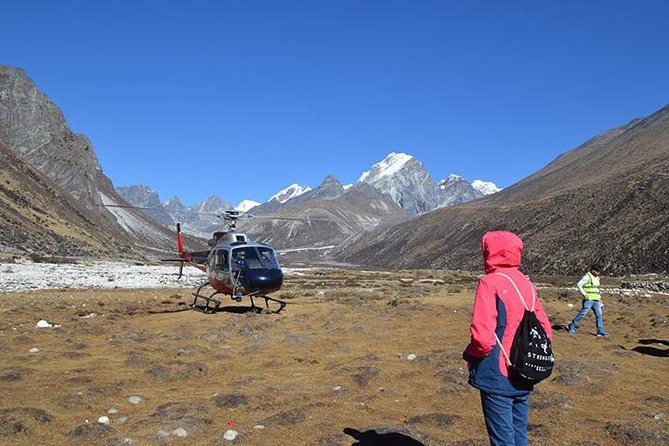
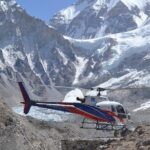
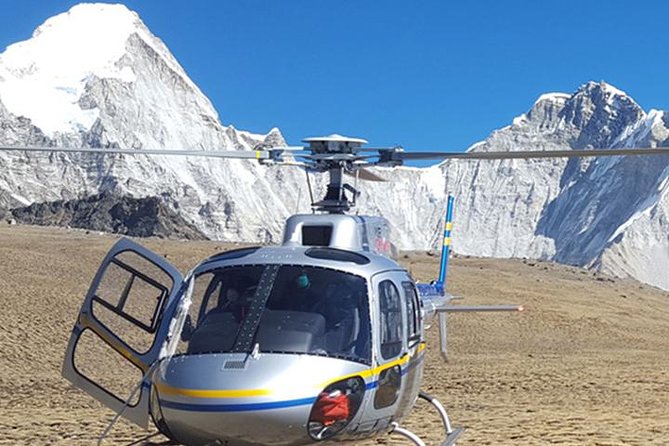
From Kathmandu airport, the day starts with a helicopter flight that includes a flyover of the highest viewpoint near the Base Camp area, followed by continuation toward Lukla by helicopter. The aircraft model mentioned for this part is Airbus H125 / Eurocopter 350.
This first segment is your visual warm-up. I think this is where you form your mental map: Everest towers over the Khumbu, and once you see how valleys, ridges, and ice formations line up from above, the rest of the day makes more sense.
The downside here is simple: helicopters don’t fly on your schedule. If the weather is marginal, you may not get the same landing opportunities you planned for.
Lukla fuel stop: short, but strategically important
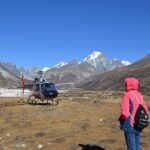
You stop at Lukla and it’s described as a fuel purposes stop, lasting about 10 minutes. This is also the airport where many trekkers land and start their trek toward Everest Base Camp, which is a neat reality check.
From your side, the practical takeaway is: treat this as a photo-and-stretch break, not as an extended sightseeing stop. The time is tight, and most of your attention will be on boarding and getting ready for the next leg.
Pheriche timing and the window-seat strategy
Next comes Pheriche, shown as a spot connected to how groups can be split. The key detail: if there are more than 3 people, they may fly 2 people first, then 3 people, specifically to help guarantee window seats for the Everest Base Camp portion only.
That’s a big deal. In a small helicopter, where you sit affects what you can shoot and what you can actually see clearly. So even though the stop itself is only about 20 minutes, the window-seat strategy improves your odds of getting the photos you came for.
One consideration: this “splitting” approach is good for viewing, but it also means your group may not experience every moment as a single unified unit. If you’re the type who hates waiting, keep your expectations flexible.
The main event: Everest Base Camp flyover and Kala Patthar angles
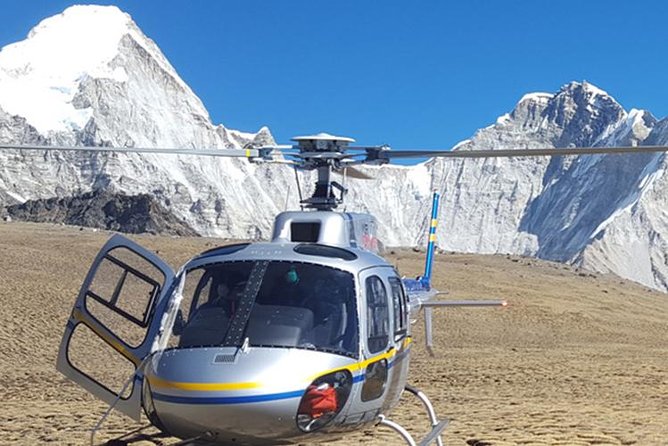
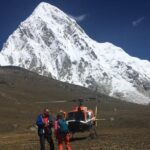
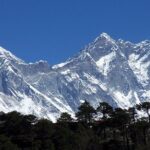
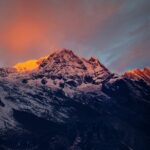
This is the part that people talk about for a reason. The tour includes enjoying the Base Camp area with strong Mount Everest viewing opportunities, with a flight plan that also takes you past dramatic high points like Kala Patthar.
Your exact landing and viewpoint moments can vary with weather, but the intent stays consistent: you’re going after that “close-up” feeling of Everest—ice cliffs, glacial rivers, and the steep, layered look of the mountain faces. Reviews describe the experience as intensely visual from lift-off onward, with jagged peaks and glaciers looking almost unreal.
I’d plan your photo approach like this: start with wide shots for context, then switch quickly to tight framing as you spot the cleanest lines of sight. Helicopter viewing is quick, and you don’t want to burn all your battery before the best light hits.
Syangboche Marg and the Hotel Everest View breakfast landing
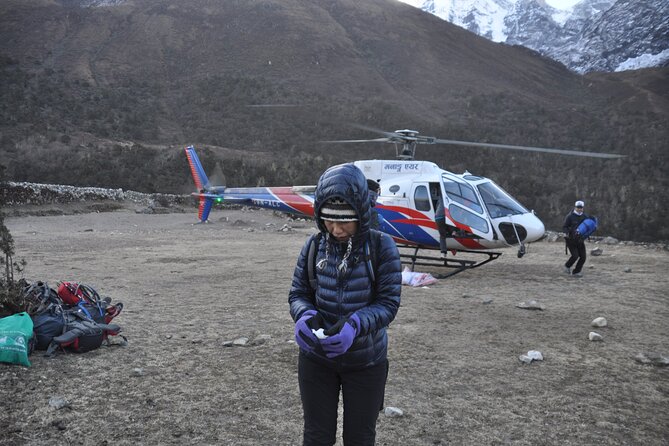
This is the stop that ties directly to your request: a landing at Hotel Everest View via Syangboche Marg. It’s listed as a breakfast point during the Everest helicopter flight and is explicitly subject to weather.
When weather cooperates, the stop is usually about 1 hour. That’s enough time to get oriented, warm up if needed, and take a break from the constant “watch the sky” focus of helicopter time.
Breakfast is not included, and the tour notes a set breakfast cost of USD 31 per person, with the important catch that it’s subject to weather conditions. So the hotel stop isn’t just a nice extra—it’s a variable part of the tour.
If you’re a little food-sensitive in cold air, this stop is also a psychological win. You’re not only chasing views; you’re building in a human moment with service, seating, and time to regain comfort.
Return routing: Lukla or direct back to Kathmandu
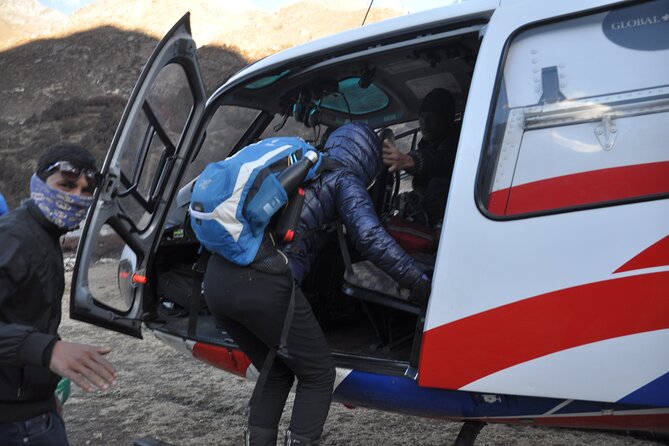
After the mountain segment, the tour returns to Kathmandu by helicopter with a possible landing route that goes via Lukla or may fly directly, depending on fuel situation. The time listed for the return is about 1 hour.
From a traveler perspective, this matters because it changes your expectations for the “last stretch” of the day. If you return via Lukla, you’ll likely feel a bit more of the day’s stop-and-go character. If you return direct, it tends to feel smoother, more continuous.
Either way, your main job is to stay ready: be prompt when they call your group, and keep your layers accessible so you can handle temperature swings.
Price of $1,600: what you’re actually buying
At $1,600 per person, this is not a budget tour. So you should ask whether it replaces something costly in time and effort—or adds something a hike can’t.
Here’s the value logic that makes sense: you’re paying for a helicopter experience that compresses a massive region into a half-day itinerary, with multiple viewing moments and potential landing at a comfortable hotel. If you only have a short stay in Nepal, or if your itinerary can’t support trekking altitude and multi-day logistics, that’s a real economic argument, even if it still feels expensive.
Also note what’s not included:
- National park fee (USD 26)
- Airport tax (USD 8)
- Khumbu village development fees (USD 16)
- Optional breakfast at Hotel Everest View (USD 31 each)
So your real budget is “tour price + mandatory fees + possible breakfast.” If you know you’ll want the hotel stop, assume you’ll add that USD 31 unless weather cancels it.
Finally, the flight is operated in a group sharing format (5–6 passengers plus a pilot). That group size helps keep costs down compared with private helicopter models, and it also shapes your experience: expect less privacy than a private charter, but more social energy than a solo transfer.
What conditions can change your landing plans
This tour is clearly tied to weather. The experience notes you’ll fly on beautiful weather only, and it also states that if the experience is canceled due to poor weather, you’ll be offered a different date or a full refund.
Weather matters most for:
- Whether you land at Hotel Everest View
- The specific timing and ability to execute multiple landing points
A practical tip: don’t schedule this as your very last plan in Kathmandu. If weather forces a change, you’ll want backup time to protect your overall trip.
Weight limit and health logistics you should take seriously
There’s a total weight per passenger of 221 lbs. The tour also asks that anyone over 100 kg text the operator after booking.
This isn’t a minor detail. Helicopter operations depend on weight limits for safe performance and planning. If you fall near or above the limit, address it early so they can confirm feasibility without last-minute stress.
What to pack for a cold helicopter day
Cold is not optional here. The tour information asks you to bring warm dress for freezing temperatures:
- Summer: around 0°C
- Winter: around -10°C for higher points
- General guidance also calls for layers for -2°C in winter, 0°C in summer, and it mentions -2° celsius in winter, 0° celsius in spring/summer for certain conditions, plus carrying a warm jacket from home or buying in Kathmandu.
Even if you’re only on the ground briefly, you’ll feel wind chill. I’d pack for cold hands and a cold neck, not just a cold torso. A warm hat and gloves are the difference between “wow views” and “I can’t feel my fingers.”
Who this helicopter tour is best for
This is a smart fit if:
- You’re short on time in Nepal but still want Everest-level views
- You want to avoid trekking hours and daily altitude gains
- You like structured sightseeing with small-group management
- You value a possible hotel landing for comfort and a break from wind
It’s also a good choice if you’re bringing someone who can’t handle the physical demands of the trek but still wants the Everest moment.
Who should think twice:
- If you hate waiting for weather-based changes
- If your schedule has zero flexibility
- If you’re uncomfortable with cold and can’t layer properly
- If you expect guaranteed landings at every stop no matter what (weather drives this)
Should you book the Hotel Everest View landing EBC helicopter tour?
If you want the Everest Base Camp area and the iconic angles near Kala Patthar, and you’d rather pay for time saved, I think this tour can be worth it. The biggest quality here is the way it mixes aerial time with photo-oriented viewing moments and a chance at a real stop at Hotel Everest View.
Book it if your schedule allows weather contingency and you’re ready for cold. Consider skipping or choosing a different plan if you can’t handle “subject to weather” landings.
FAQ
Will hotel pickup and drop-off be included?
Yes. Hotel pickup and drop-off are included, and you’ll need to provide your hotel name and address so the team can share your pickup time.
How long is the helicopter tour and how much is flying time?
The total experience is listed as about 4 to 6 hours. The flight time is listed as approximately 4 to 6 minutes for the helicopter flying portion.
Are there landing points besides Everest Base Camp and where do they happen?
The tour includes multiple landing points and viewpoints. A key one is a potential landing for breakfast at Hotel Everest View (subject to weather). There are also stop points such as Lukla and Pheriche during the route.
Is breakfast included at Hotel Everest View?
No. Breakfast is optional and listed as a set breakfast for USD 31 per person, and it is subject to weather conditions.
What fees are not included in the tour price?
National park fee is listed at USD 26, airport tax at USD 8, and Khumbu village development fees at USD 16. Breakfast at Hotel Everest View (USD 31 per person) is also not included and is subject to weather.
What documents do I need to bring?
You should carry a passport copy. The information notes that a picture on your phone also works, and you do not need the original passport.
What happens if poor weather cancels the experience?
The tour requires good weather. If it’s canceled due to poor weather, you’ll be offered a different date or a full refund.
If you want, tell me your travel dates and whether you prefer a morning or later slot, and I’ll help you think through the best day to schedule this so weather has fewer chances to mess with you.