REVIEW · KATHMANDU
Everest Base Camp Trek with Helicopter Return from Gorakshep to Lukla
Book on Viator →Operated by Ace the Himalaya · Bookable on Viator
A helicopter makes the EBC ending feel different. This 12-day Khumbu trek pairs classic Himalayan trail days with a 20-minute heli ride back to Lukla. You’ll walk through prayer-flag suspension bridges, past monastery walls, and up to the glacier edge—then swap the long trek-down for airlift convenience.
What I like most is the way the plan handles the big moving parts: airport pickup, Kathmandu hotel, Lukla flights, and a licensed guide team from Ace the Himalaya. The second thing I really appreciate is the support kit for the altitude reality—there’s an oxymeter in the first-aid setup and a trained guide, plus filtered-water systems on the trail.
One drawback to think about: the whole schedule depends on weather. Flights into Lukla and the helicopter segment both run only when conditions allow, and poor weather can mean a different date or a refund.
In This Review
- Key things to know before you go
- A 12-Day Everest Base Camp Plan With a Heli Safety Net
- The Kathmandu-to-Lukla Jump: Flights, Transfers, and the Real Meaning of Day 2
- Lukla to Namche: Suspension Bridges, River Crossings, and Getting Your Legs Back
- Namche, Everest View Point, and the Acclimatization Logic That Saves You
- Tengboche to Dingboche: Monastery Stops, Mani Stones, and Real Khumbu Scenery
- Lobuche and the Glacier Edge: Memorials, Moraine, and the Moment It Gets Serious
- Everest Base Camp Day: 5,365 Meters and the Walk That Feels Like a Threshold
- Kala Pattar: The Hardest Rewarded Climb at 5,555 Meters
- Gorakshep to Lukla by Helicopter: Why That 20 Minutes Changes Everything
- What the $3,000 Covers—and What You Should Budget for
- Who This Trek Fits Best (and Who Should Rethink It)
- Should You Book Everest Base Camp With Heli Return from Gorakshep to Lukla?
- FAQ
- FAQ
- How long is the Everest Base Camp trek with helicopter return?
- What time is the meeting in Kathmandu?
- How do you get to Lukla from Kathmandu?
- Is the helicopter ride included?
- What happens after you land back in Lukla?
- What kind of lodging is included during the trek?
- Are permits included?
- What meals are included during the trek?
- Is medical and oxygen monitoring included?
- What isn’t included in the $3,000 price?
Key things to know before you go
- Shared helicopter from Gorakshep to Lukla cuts the toughest return stretch
- Max group size of 14 keeps the trek feeling more personal on busy days
- Licensed English-speaking guide + porter support (1 porter for every 2 people)
- Altitude monitoring included with a first-aid kit and oxymeter
- Katadyn Pocket water filter on the trail plus seasonal fruit during the trek
- Permits handled (TIMS and Everest National Park) so you don’t chase paperwork
A 12-Day Everest Base Camp Plan With a Heli Safety Net
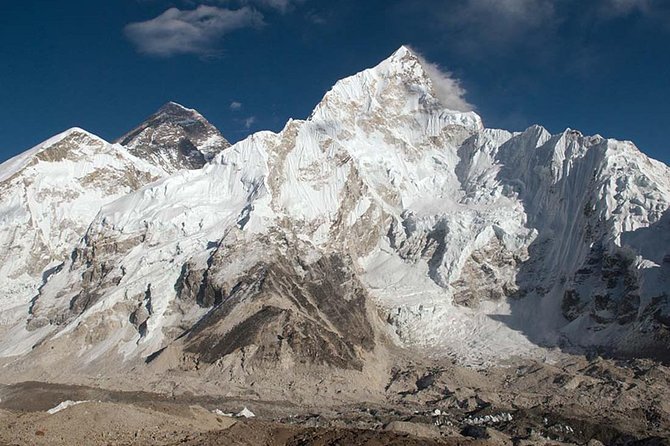
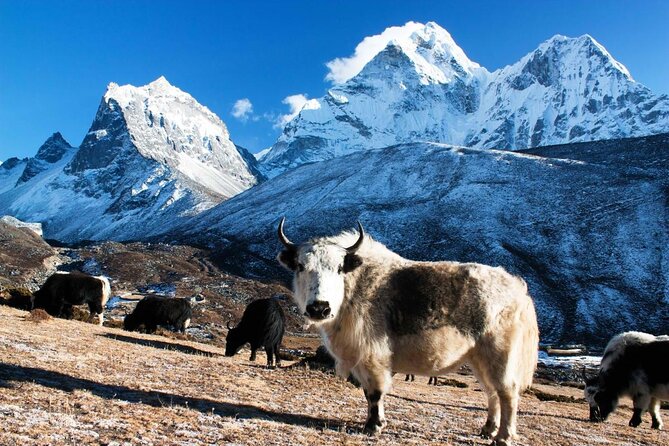
Everest Base Camp is famous for a reason. It’s not just about seeing Everest—it’s the grind of the Khumbu, day after day, with altitude that keeps nudging you to slow down and pay attention. This version adds a key modern twist: you still earn the views on foot, but you return from Gorakshep to Lukla by helicopter (about 20 minutes). That changes how the last days feel.
I also like that this trip is structured around practical checkpoints, not just big-name sights. You get acclimatization time built in before the highest pushes: Namche’s altitude ramp-up, an Everest View Point adjustment day, and a separate hike day to Nangkartshang Peak above Dingboche. That rhythm matters because the Khumbu punishes rushing.
And you’re not doing this as a do-it-yourself operation. Your team includes a local, licensed English-speaking trekking guide and porters. In multiple real-world accounts, guides like Raj and Ram have been singled out for keeping the group steady and motivated. You’re still hiking hard, but the logistics don’t become your second job.
You can also read our reviews of more hiking tours in Kathmandu
The Kathmandu-to-Lukla Jump: Flights, Transfers, and the Real Meaning of Day 2
Most people focus on base camp. I think the trip actually starts the moment you land in Kathmandu.
On arrival at Tribhuvan International Airport, you’re met by an official and transferred by private tourist vehicle to your Kathmandu hotel for pre-trip setup. A pre-meeting means you’ll know who your guide is, how the group will move, and what to expect for the first flight.
Then comes Lukla. The flight from Kathmandu to Lukla is short—about 35 minutes—but it’s one of the most important links in the chain. You’re starting a trek at around 2,804 meters, so every bit of time and energy you conserve on this stage helps once the trail begins.
If you’re the kind of person who gets stressed by tight connections, this trip’s inclusion of Kathmandu–Lukla–Kathmandu airfare makes planning simpler. Still, it helps to understand the reality: you’re relying on weather for flights, and the helicopter later is also weather-dependent. This isn’t a reason to avoid it. It’s just something to plan around mentally.
Lukla to Namche: Suspension Bridges, River Crossings, and Getting Your Legs Back
The first trekking days are about finding your pace. After the Lukla landing, you’ll be moving toward Phakding, then continuing on the next day toward Namche Bazaar.
The walking includes a lot of the classic Khumbu stuff that people come for: prayer-flag suspension bridges, repeated crossings over the Dudh Koshi area, and a trail that constantly asks you to balance rhythm with breath. The overall hike time from Phakding to Namche is listed as about 6 hours in total, which is a big hint. This isn’t a gentle stroll; it’s a structured start that lets you settle into the altitude without jumping straight into the hardest climbs.
Namche Bazaar is your altitude checkpoint. It’s also where the trek starts to feel like you’re in a living Himalayan community, not just an outdoor route. Even if you’ve seen photos, you’ll feel the shift the moment you’re higher and the valley opens up around you.
Practical tip: in this “get moving” phase, I’d aim for smooth breathing and steady legs. You’ll likely feel like you could go faster on fresh legs, but conserving effort now pays off later when the climbs get steeper.
Namche, Everest View Point, and the Acclimatization Logic That Saves You
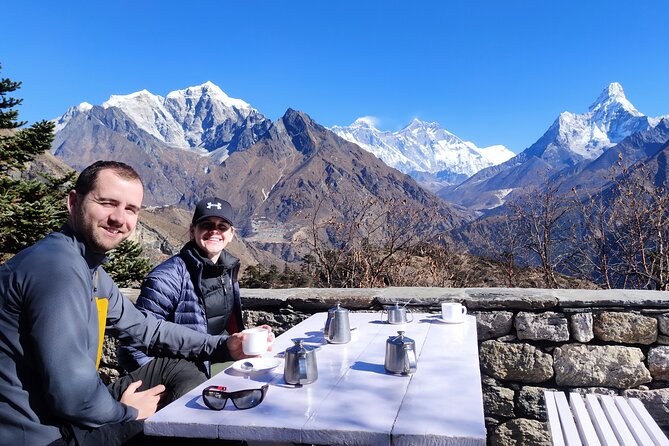
This trek builds in acclimatization days on purpose. That’s not marketing—it’s physiology.
After you reach Namche, you spend a day around Everest View Point for altitude adjustment. The focus is thinning air and getting your body used to it, with a short trek around Namche for rewarded Himalayan views (including a sunrise-style bonus in the description). This day is where many people make a choice: either treat it like a rest day, or treat it like a controlled practice session. The plan does the second one for you.
Then later, you get another acclimatization block above Dingboche with a hike to Nangkartshang Peak. The route doesn’t head directly toward base camp on that day. Instead, you climb enough to get a taste of higher altitude stress, without pushing toward the final goal. It’s a smart “teach your body” approach.
I like that the itinerary respects the fact that altitude isn’t just height on a map. It’s a full-day effect: sleep, appetite, and how your lungs behave on climbs. The trip’s included oxymeter setup is also a comfort. You can’t outsource altitude to a device, but it does support a more cautious, informed pace.
Tengboche to Dingboche: Monastery Stops, Mani Stones, and Real Khumbu Scenery
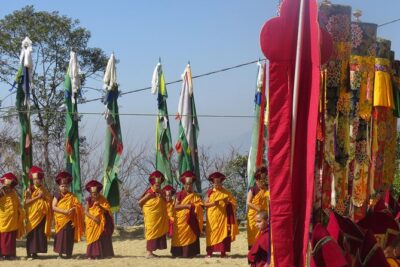
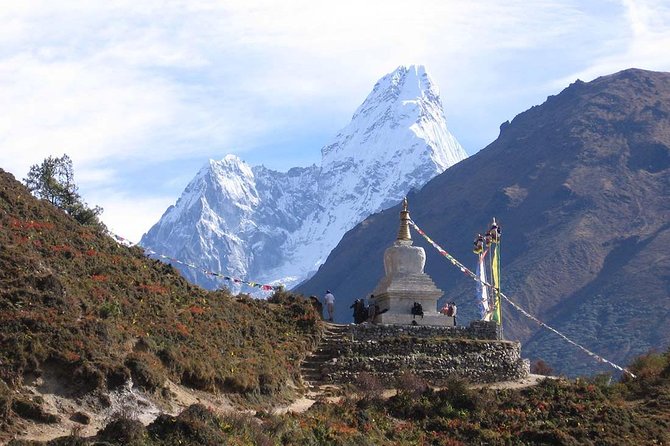
From Namche, the trek continues through the Dudh Koshi area up toward Tengboche. The plan calls out reaching around 3,860 m on the way. Tengboche is famous for its monastery, and your day includes time to visit inside. That’s more than cultural sightseeing. Monastery pauses give you a chance to slow down, warm up a bit, and settle your breathing before you continue higher.
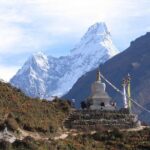
After Tengboche, the route shifts through Debuche and crosses another suspension bridge over the Imja Khola area. You’ll also pass through Pangboche and thousands of mani stones (stacked prayer stones). This matters because the Khumbu trail is not one long straight line. You’re constantly moving through pockets of meaning—bridges, stone art, and places where people live with the mountain as part of daily life.
You then head toward Dingboche. That’s where the trail starts feeling more exposed. You’ll be higher, the air is thinner, and even small climbs feel like climbs. The itinerary’s pacing helps because it doesn’t rush you from Tengboche straight into a base camp dash.
What to watch for: if you get overly excited by views at these altitudes, you can accidentally push too hard. I’d keep your effort level controlled and let the scenery be a reward, not a cue to speed up.
You can also read our reviews of more tours and experiences in Kathmandu
Lobuche and the Glacier Edge: Memorials, Moraine, and the Moment It Gets Serious
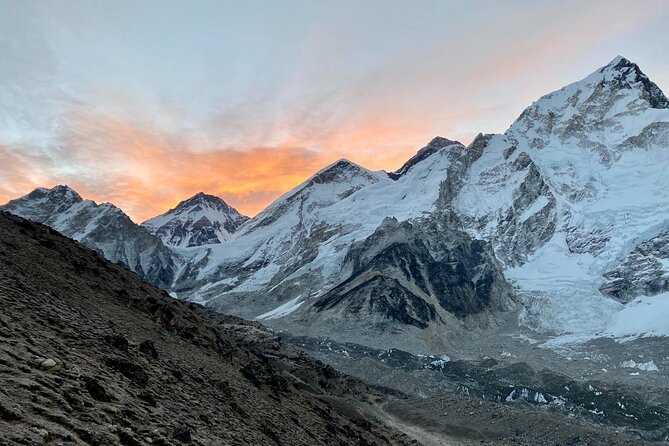
The day you move toward Lobuche is a turning point. You’re walking along the lateral moraine of the Khumbu Glacier and passing stone memorials for climbers who’ve perished on nearby summits. That emotional weight changes how you experience the route. It makes the goal feel real, not just scenic.
The trekking description also flags a “continue to climb” feel as you head toward the village zone before the final push. Expect long walking days here. Even without doing any technical climbing, you’ll feel the thin air and the fatigue accumulate.
This is also where helicopter convenience becomes most valuable psychologically. When you know you don’t have to retrace this whole stretch back to Lukla on foot, you’re more likely to keep a steady pace and fewer people burn out on the idea of the return.
Everest Base Camp Day: 5,365 Meters and the Walk That Feels Like a Threshold
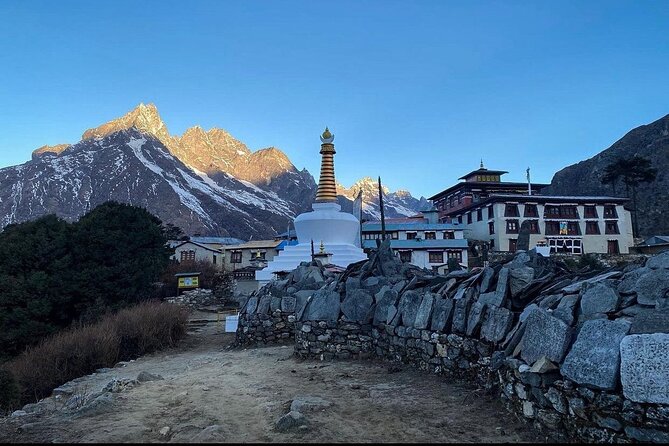
Your Everest Base Camp day is described as a big and difficult walk along the Khumbu Glacier and up to Everest Base Camp at 5,365 m, the closest you can get to Mt. Everest without mountaineering equipment.
That wording is important. You’re not climbing a peak, but you’re still going high and moving for hours in altitude conditions that can change your energy in a hurry. You’ll need patience with your pace and a willingness to stop when your breathing asks for it.
In spring, there may be more activity around the base camp area, which is common on famous routes. If you care about crowd levels, your season choice matters. The bigger point: your body needs time to adjust, so don’t treat this day like a speed run.
A smart approach: focus on staying present—how the glacier light changes, how your legs feel on the final approaches, and how long breaks help you reset. Base camp isn’t just a destination sign. It’s a threshold you reach by consistent effort.
Kala Pattar: The Hardest Rewarded Climb at 5,555 Meters
The day for Kala Pattar is framed as difficult but rewarding, and it’s one of the trip’s most memorable moments.
You spend the morning climbing Kala Patthar, a small peak at 5,555 m. The ascent is described as demanding, but you’re rewarded with big views over the region. In practice, this is the day where altitude can feel most intense. It’s also the day you’ll likely be glad your team includes a trained guide and a first-aid kit with an oxymeter. You still need to listen to your body, but you’re not dealing with altitude in total isolation.
This is also the best time to remember the earlier acclimatization logic. Those days aren’t filler. They’re what makes Kala Pattar feel possible instead of reckless.
Gorakshep to Lukla by Helicopter: Why That 20 Minutes Changes Everything
The helicopter return is the headline, but the value is deeper than just saving time.
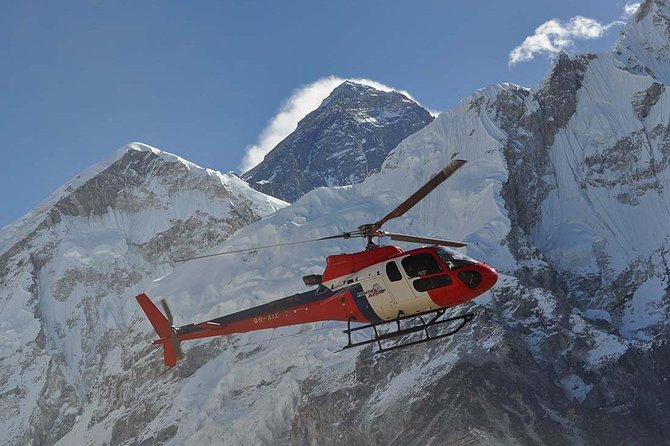
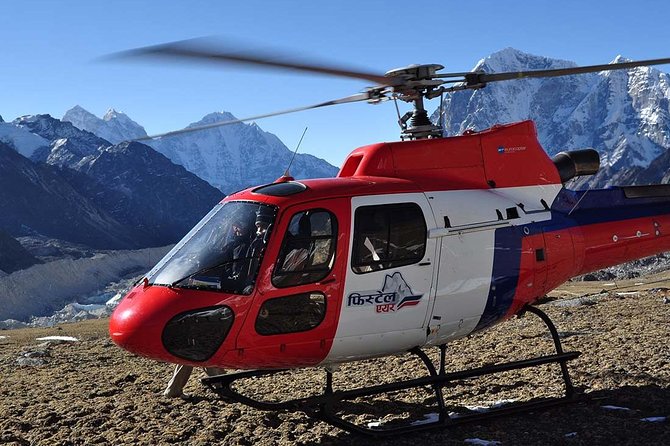
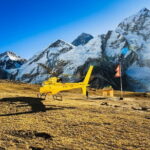
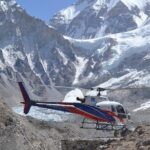
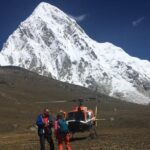
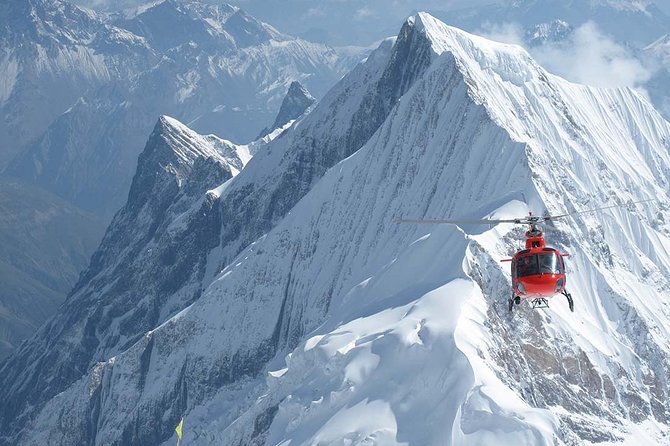
After reaching the highest trekking end point at Gorakshep, you take a shared helicopter ride back to Lukla (about 20 minutes). That’s the cut line between “finish the trek” and “survive the trek.”
On many EBC routes, the return walk can feel like a second Everest day. This one replaces that with air. That means more people arrive in Lukla with strength left instead of arriving broken. You still need to handle the post-trek transition—emotionally you’ll feel the drop once the mountain routine stops—but physically the heli makes a big difference.
Then you fly back to Kathmandu from Lukla (again, about 35 minutes) and get transferred back to your hotel. Your last day in the cycle is built around travel flow: air, hotel, and finally airport departure from Tribhuvan.
What the $3,000 Covers—and What You Should Budget for
At $3,000 per person, this isn’t a low-cost option. But the included items are not small potatoes for Nepal.
Here’s what you’re getting in the price:
- Airport/hotel/airport transfers in Kathmandu by private tourist vehicle
- Twin-sharing Kathmandu hotel in a three-star property for two nights, with breakfast
- Trekking guesthouse accommodation in Lukla, Phakding, and Namche with attached toilets (as stated)
- A licensed English-speaking trekking guide plus porters (one porter for every two people)
- Airfare Kathmandu–Lukla–Kathmandu
- The shared helicopter ride from Gorakshep to Lukla
- Everest National Park permits and TIMS permit
- Standard trek meals (breakfast, lunch, dinner) and a farewell dinner on the last night
- Filtered water using a Katadyn Pocket filter
- Seasonal fruits on the trail
- First-aid kit with oxymeter for oxygen saturation checks
- A duffel/kit bag, trekking map, and sun hat included (yours to keep)
What that means for value: you’re paying for a lot of operational load being handled for you—permits, guides, porters, transport, meals, water handling, and a helicopter. For a route this altitude-heavy, those pieces matter.
What you should plan for outside the price:
- Travel insurance that covers rescue/evacuation (not included)
- Nepal entry visa
- Tips for trekking staff and driver (tipping is expected)
- Alcohol and personal expenses
- Personal trekking gear
- Meals in Kathmandu outside the hotel-included breakfasts and dinners
Also, keep in mind you’re in a high-commitment environment. If you’re going to spend serious money, it’s worth carrying the right insurance coverage and packing the essentials. That reduces stress if weather causes changes.
Who This Trek Fits Best (and Who Should Rethink It)
This trip suits you if you want the classic Everest Base Camp route with built-in acclimatization pacing and you value a helicopter finish rather than another long walk down.
It also fits well if you prefer a guided structure: you get a first-aid trained local guide, porter support, and included meals and water filtration. Multiple guide and porter names have been praised in past group experiences—people like Raj, Ram, Madan, and porters such as Bishal, Jot, Sher, Girija, and Pesal show up as examples of the kind of team you can expect.
A consideration: you still need moderate physical fitness, and the trek includes difficult high days—Everest Base Camp at 5,365 m and Kala Pattar at 5,555 m. The heli helps with the return, not with the altitude push. If you know you struggle with steep climbs or high-altitude fatigue, you should think carefully before committing.
Should You Book Everest Base Camp With Heli Return from Gorakshep to Lukla?
If your top priorities are iconic route access, organized logistics, and a less punishing finish, this one makes sense. The helicopter return is the biggest differentiator, and it’s paired with included flights, permits, meals, and on-trail water and medical support.
I’d book it if you:
- Want the EBC experience but don’t want a full second trek day in reverse
- Prefer guided pacing for acclimatization days
- Value having transport, permits, and meal handling handled for you
I’d hesitate if:
- Weather risk would stress you out (this experience requires good weather)
- Your budget is tight enough that the $3,000 means cutting insurance or essential gear
- You’re looking for an easy trek; this route includes hard high days by design
FAQ
FAQ
How long is the Everest Base Camp trek with helicopter return?
It’s listed as approximately 12 days.
What time is the meeting in Kathmandu?
The start time is 8:00 am.
How do you get to Lukla from Kathmandu?
You fly from Kathmandu to Lukla, and the flight time is about 35 minutes.
Is the helicopter ride included?
Yes. The tour includes a shared helicopter ride from Gorakshep to Lukla (about 20 minutes).
What happens after you land back in Lukla?
You fly from Lukla back to Kathmandu (about 35 minutes), then you’re met and transferred to your hotel.
What kind of lodging is included during the trek?
The tour includes twin-sharing guesthouse accommodation in Lukla, Phakding, and Namche, with attached toilets in those places.
Are permits included?
Yes. The price includes Everest National Park permits and a TIMS permit for trekking.
What meals are included during the trek?
All standard meals during the trek are included: breakfast, lunch, and dinner, plus a farewell dinner on the last night.
Is medical and oxygen monitoring included?
Yes. The tour includes a comprehensive first-aid kit with an oxymeter to measure oxygen saturation, plus a first-aid trained guide.
What isn’t included in the $3,000 price?
The price does not include Nepal entry visa, travel insurance (including emergency rescue and evacuation coverage), meals in Kathmandu beyond what’s included with your hotel, alcohol, personal trekking equipment, or tips for trekking staff and the driver.