REVIEW · KATHMANDU
Bhaktapur & Patan Durbar Square Day Tours
Book on Viator →Operated by Himalayan Travel Consultant · Bookable on Viator
Three squares, one old-world day. This tour strings together Bhaktapur and Patan Durbar Square in a single outing, so you’re not just sightseeing—you’re watching how rulers and local life overlap in stone and wood. It’s a great way to get more meaning than a quick stop, without turning your day into a marathon.
I especially love the focus on three Bhaktapur squares—Dattatraya Square, Taumadhi Square, and Durbar Square—because the route gives you a clearer sense of how the city’s power and daily routines sat side by side. I also like that your guide can explain what you’re looking at, and in this case, the guide’s patient, history-led approach really shines.
One thing to consider: monument entrance tickets aren’t included, so plan a little extra money on top of the $50 price. If you’re trying to keep the day strict-budget, that’s the main item to watch.
In This Review
- Key Highlights You’ll Care About
- Price and Logistics: What $50 Really Covers
- A 9:15 Start That Still Feels Like a Real Day
- Bhaktapur’s Three Squares: Dattatraya, Taumadhi, and Durbar
- Dattatraya Square: a strong “start reading” point
- Taumadhi Square: where atmosphere does the work
- Durbar Square: the big stage for power and pageantry
- Patan Durbar Square: Wood Carving and Courtyard Life
- Wood carving: look for repetition and precision
- Old courtyards: calmer, more human-scale spaces
- Golden Temple From the 12th Century: Ending With Meaning
- Your Guide Makes It Worth It: Rajendra Manandhar’s Style
- What to Expect Walking and Timing-Wise
- Getting Value From This Tour: Practical Tips
- Who This Tour Fits Best (and Who It Might Not)
- Should You Book Bhaktapur & Patan Durbar Square Day Tours?
- FAQ
- What is the start time for the tour?
- How long does the Bhaktapur and Patan tour take?
- Where does this day tour operate?
- Is pickup offered?
- What’s included in the price?
- What’s not included?
- Which squares will you visit in Bhaktapur?
- What will you see at Patan Durbar Square?
- Does the tour include the Golden Temple?
- Is there free cancellation?
Key Highlights You’ll Care About
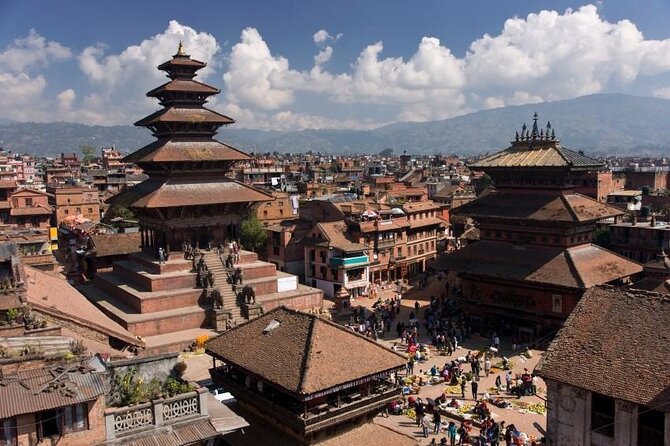
- Three-square Bhaktapur route: Dattatraya, Taumadhi, and Durbar Square in one smooth loop
- Patan Durbar Square wood carvings: you’ll spend time on the details, not just the big structures
- Old courtyards in Patan: calmer spaces where the architecture feels lived-in
- A guide who answers real questions: the experience leans hard on explanation and context
- Golden Temple stop from the 12th century: a strong historical finish
- Private group setup: it’s only your group, with a local English-speaking guide
Price and Logistics: What $50 Really Covers
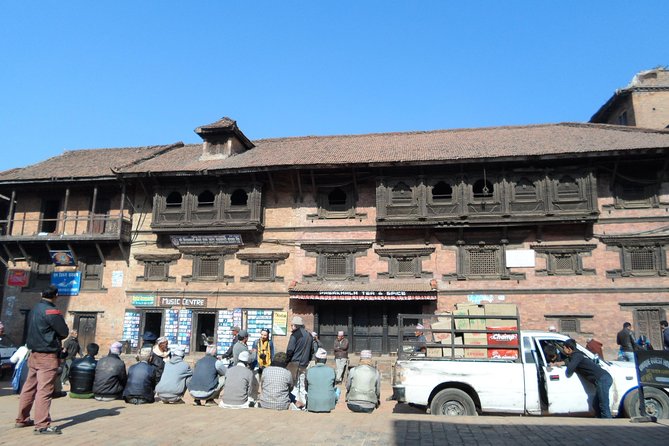
At $50 per person for a 6 to 8 hour day, this tour is built for people who want a managed route, not an all-day guessing game. The big value is that it includes a private air-conditioned vehicle plus a local English-speaking tour guide. In Nepal traffic, that combo matters. You spend less time coordinating and more time actually looking.
That said, the day isn’t fully turnkey. Monument entrance tickets, tips, and food and drinks are not included. Entrance costs vary by site, so you’ll want to budget for them rather than hoping everything is covered. Also, bring a plan for lunch or snacks—when food isn’t included, your timing depends on how long each stop pulls you in.
The start time is 9:15 am, which is usually ideal for heritage sites: you get good daylight, and you avoid the worst of the late-day fatigue. Expect a full day. You’re visiting several major squares and moving between them.
You can also read our reviews of more tours and experiences in Kathmandu.


A 9:15 Start That Still Feels Like a Real Day
This is designed as a proper day tour. The schedule is long enough to feel satisfying, but not so long that it turns into an endurance test. You’ll be out roughly 6 to 8 hours, which is enough time to see the main highlights in Bhaktapur, then continue into Patan.
Pickup is offered, and you’ll be on a private vehicle. That’s a practical win if you’re traveling in a group and don’t want to squeeze into public transport after a busy morning. The tour also uses a mobile ticket, so you don’t have to worry about printed passes cluttering your bag.
One more detail that helps: the tour notes are tied to being near public transportation. Even if you use the pickup, knowing you’re not totally isolated is comforting. If plans change, you’re not stuck hunting for something impossible.
Bhaktapur’s Three Squares: Dattatraya, Taumadhi, and Durbar
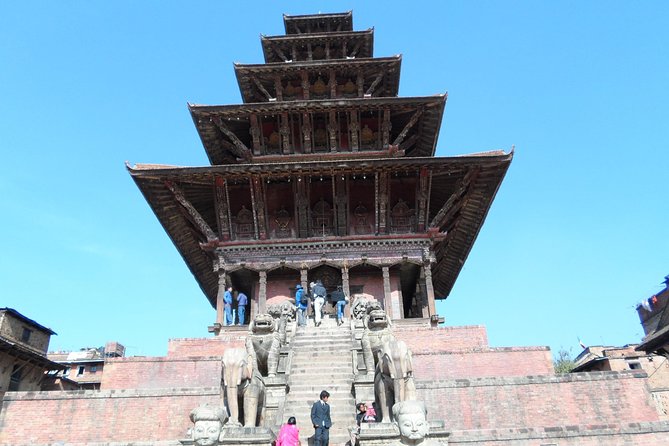
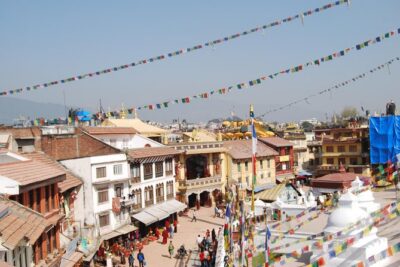
Bhaktapur is where this tour really earns its keep. Instead of dropping you at one landmark, you hit the city’s major squares: Dattatraya Square, Taumadhi Square, and Durbar Square. That matters because squares are more than scenery in Nepal. They’re where architecture, politics, and everyday routines overlap.
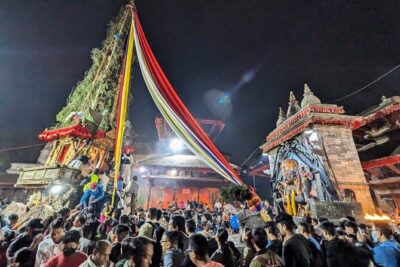
Here’s what I like about this structure: you don’t just see buildings—you see the city’s rhythm. The tour idea is that you’ll get a sense of how kings lived in the past, while also getting a front-row view of local lifestyles. In practice, that means you’re looking at heritage sites while street life continues nearby. The contrast can be striking in a good way. It keeps the day from feeling like a museum walkthrough.
Dattatraya Square: a strong “start reading” point
Dattatraya is a helpful beginning because it sets the stage. Even if you don’t know the names yet, your guide can connect the space to how the city used to function. I’d treat this as your warm-up stop where you get your bearings fast—ask questions early if anything confuses you. Your guide can usually help you interpret what you’re seeing on the spot.
Taumadhi Square: where atmosphere does the work
Taumadhi is the kind of place where you notice patterns: doorways, carved edges, the way people move through space. With a guided route, you learn what those patterns mean instead of just photographing them. If you like architecture and street-level details, this stop tends to hold attention.



Durbar Square: the big stage for power and pageantry
Durbar Square is the centerpiece. This is where the tour viewpoint about royal life makes the most sense. You’re looking at a space tied to the formal identity of the city—so it’s easier to understand why these squares mattered. If you’re the type who likes to connect the dots (who ruled, what mattered, what changed), Durbar Square is where the “why” lands.
Practical note: squares can mean uneven walking surfaces and lots of standing time. Wear comfortable shoes and plan for small climbs and turns. You’ll be glad you did by the time you switch from Bhaktapur to Patan.
Patan Durbar Square: Wood Carving and Courtyard Life
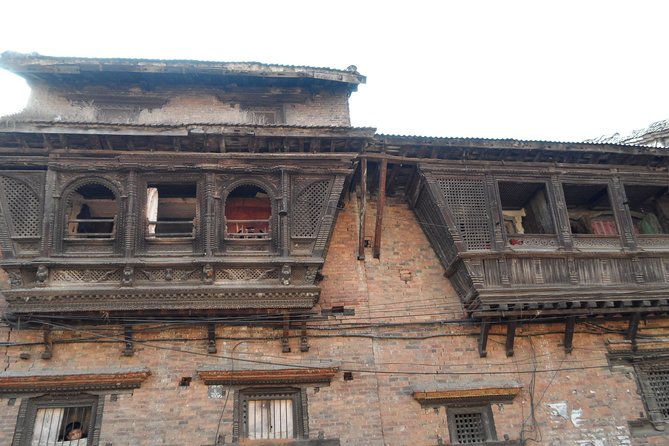
After Bhaktapur, the tour heads to Patan Durbar Square, which is known for wood carving and old courtyards. That pairing is smart. Wood carving pulls you into craftsmanship. Courtyards pull you into scale and daily feel.
The overview also calls out that you’ll see the richest monastery in Patan. Even without going deep into technical details that you can’t verify at street level, it helps to know there’s a religious and cultural center of gravity here. Patan isn’t just pretty stone; it’s a place where tradition is still part of the visual language.
Wood carving: look for repetition and precision
When you’re guided through wood carving, the value is that you understand what you’re looking at. Carvings often repeat themes—figures, borders, patterns—and your guide can point out what’s meaningful instead of letting you guess. If you’re into design, this stop is one of your best opportunities to slow down.
Old courtyards: calmer, more human-scale spaces
Courtyards can feel like a breather after a busy square. They’re also the spaces where architecture becomes more intimate. You can see how rooms relate, how light moves, and how people pass through spaces designed for community life.
The key here: the tour format spends time at Patan rather than rushing only for photos. If you only do one “heritage architecture” section that day, Patan is a strong candidate.
Golden Temple From the 12th Century: Ending With Meaning
The day finishes with the Golden temple, described as dating from the 12th century. That’s a useful marker because it turns your final stop into more than a nice capstone. A site with that age tends to hold layers of story—so a guide’s context matters.
If you’re wondering what to do with a “temple from the 12th century” besides take pictures, here’s a simple approach: look at how the space feels today, then let your guide connect it to its older identity. That’s usually where the time pays off. You’ll understand why the site remains a destination, instead of seeing it as just another stop number.
Timing-wise, finishing here near the end of your 6–8 hour window also means you’re usually walking a bit slower. That can be a positive. Golden finishes work best when you let your feet recover and your attention settle.
Your Guide Makes It Worth It: Rajendra Manandhar’s Style
The reviews put a spotlight on the guide experience, and that’s one of the best reasons to choose a tour like this. A standout named in the feedback is Rajendra Manandhar. The recurring themes are clear: he was kind, patient, and deeply informed, and he explained historical context in a way that stayed understandable.
Two things I’d take away if you’re deciding whether to book:
- You’ll get answers, not just narration. One review highlights how he responded to random questions. That’s important if you’re the type who wants to understand what you see, not just hear dates.
- He helps you capture moments. One review explicitly thanks him for taking pictures. That sounds small, but it matters if you’re traveling in a group and want photos without constantly switching devices and positions.
I also appreciate that “local English speaking tour guide” is part of the package. When the tour language is handled well, you can focus on the meaning. It keeps the day from turning into a running translation game.
What to Expect Walking and Timing-Wise
This is a heritage day tour through multiple major squares. Even if it’s by car between stops, you’ll still do a fair amount of walking and standing. Expect:
- Short stretches of moving between points
- Time spent at each square for looking and guided explanation
- A natural pace that builds from Bhaktapur into Patan, then ends at the Golden temple
Because you’re covering multiple sites, you’ll want to keep your expectations realistic. This isn’t the kind of tour where you get to spend an hour in a single corner off the route. It’s more about seeing the city’s major “logic”—how the squares and courtyards connect visually and historically.
If you’re tired easily, plan a light morning before you leave. If you’re energized by old architecture and learning how places work, you’ll likely feel right at home.
Getting Value From This Tour: Practical Tips
Here’s how you get the best day with the least stress.
- Plan for extra entrance fees. Since tickets aren’t included, check how many sites you’ll enter and budget for it. Even if the tour covers the route, you’ll likely still pay to get into specific monuments.
- Bring water and a snack plan. Food and drinks aren’t included. A small bottle and a light snack can save your mood if lunch runs later than expected.
- Wear comfortable shoes. Squares mean uneven stone and lots of turning your head upward. You want support for your feet and your neck.
- Use the guide for decoding. Ask about symbols and carvings early. It’s easier to understand details when you’ve already learned the basic story.
- Charge your phone and camera. You’ll want photos at wood carving spots and courtyards, and the guide may also help take pictures.
- Don’t overschedule the rest of your day. The tour is 6–8 hours. Build in downtime after, not another big activity.
If you’re traveling with a group, the “private tour/activity” setup can be a nice advantage. You’re not competing with a larger crowd’s pace, and your guide can adjust to questions from your party.
Who This Tour Fits Best (and Who It Might Not)
This fits best if you want:
- A structured route through Bhaktapur and Patan without navigating on your own
- Interpretation of architecture and city spaces, not just sightseeing
- A guide-led day in local English, with room for questions
You might like it less if:
- You want a completely self-guided experience with lots of free wandering time
- You hate paying extra on arrival for entrance tickets
- You prefer shorter tours with fewer stops
Overall, it’s a strong match for couples, small groups, and history-curious travelers who like hands-on context and a smooth ride between major heritage areas.
Should You Book Bhaktapur & Patan Durbar Square Day Tours?
If you’re trying to choose between a rough DIY day and a guided route, I think this one is a smart middle. You pay for transport plus a local English-speaking guide, and you get a clear route that focuses on what matters: three Bhaktapur squares, Patan Durbar Square’s wood carving and courtyards, and the Golden temple from the 12th century.
Book it if you want your day to feel like a guided story, especially if you value questions answered on the spot—this tour has a track record of that with Rajendra Manandhar. I’d also say it’s a good value buy when you factor in the included private air-conditioned vehicle, because Kathmandu traffic can turn free days into slow days fast.
Just budget for the part that’s not included—entrance tickets, tips, and your own food and drinks—and you’ll go in with your eyes open. If that fits your style, this is an excellent way to see two of Nepal’s most compelling heritage city cores in one outing.
FAQ
What is the start time for the tour?
The tour starts at 9:15 am.
How long does the Bhaktapur and Patan tour take?
It runs for about 6 to 8 hours.
Where does this day tour operate?
It’s based in Kathmandu, Nepal, with stops in Bhaktapur and Patan.
Is pickup offered?
Yes, pickup is offered.
What’s included in the price?
The price includes a private air-conditioned vehicle and a local English-speaking tour guide.
What’s not included?
You’ll need to budget for monument entrance tickets, tips, and food and drinks.
Which squares will you visit in Bhaktapur?
You’ll see Dattatraya Square, Taumadhi Square, and Durbar Square.
What will you see at Patan Durbar Square?
Patan Durbar Square is noted for wood carving and old courtyards, along with the richest monastery in Patan.
Does the tour include the Golden Temple?
Yes. It includes the Golden temple from the 12th century.
Is there free cancellation?
Yes. Free cancellation is offered, and you can cancel up to 24 hours before the experience start time for a full refund.