REVIEW · KATHMANDU
Guaranteed Landing at Everest Base Camp Kalapathar by Helicopter
Book on Viator →Operated by Himalaya Holiday service Pvt. Ltd.(HHS) · Bookable on Viator
Helicopter to Everest feels almost unreal. This is a fast, high-altitude way to reach Everest Base Camp and Kalapathar without days of trekking, with the key comfort of a guaranteed window seat for mountain views from the air. It’s a short morning burst of Nepal that saves your legs and still delivers the drama.
I also like how the day is organized around your time: you get round-trip car pickup from your hotel and a tight flight plan through Lukla, plus short breaks near Sagarmatha National Park. The only real drawback to consider is the price and the reality of weather—this kind of helicopter flight depends heavily on conditions, and national park and food costs are extra.
In This Review
- Key things to know before you go
- The real magic: a Kalapathar landing without a trekking slog
- Flight day logistics that actually matter (and how to prepare)
- From Kathmandu to Lukla: the fuel stop you’ll notice
- The Sagarmatha National Park stops: short breaks with real views
- Hotel Everest View: one-hour breakfast window
- Syangboche Marg: another one-hour viewpoint stop
- Reaching Base Camp and Kalapathar: what your hour is really for
- The value of a guaranteed window seat (and how to use it well)
- Price reality: is $3,500 worth it?
- What’s extra (and what you should budget)
- Who this is best for (and who should rethink Everest by helicopter)
- A note on the people behind the scenes (and communication)
- Should you book this guaranteed Kalapathar helicopter trip?
- FAQ
- How long is the helicopter tour from Kathmandu?
- What transportation is included?
- Do I get a window seat?
- Is Everest Base Camp and Kalapathar the main stop?
- What is the route and what happens at Lukla?
- Are meals included?
- Is the national park entrance fee included?
- What if weather is poor?
Key things to know before you go
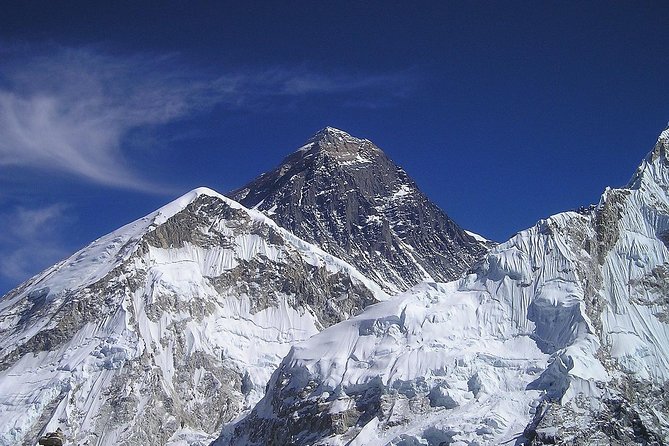
- Guaranteed Kalapathar landing: the whole point is getting to the spot people come for, by helicopter.
- Guaranteed window seat: you won’t be stuck staring at seatbacks when the big moments happen.
- Fast altitude payoff: you reach about 17,700 feet (5,400 m) without hiking.
- Fuel and runway reality at Lukla: expect a short stop, mainly for logistics.
- Two one-hour breaks near Hotel Everest View: time to eat and regroup without rushing the whole day.
- Small group limit (max 15): easier flow through check-in and boarding.
The real magic: a Kalapathar landing without a trekking slog
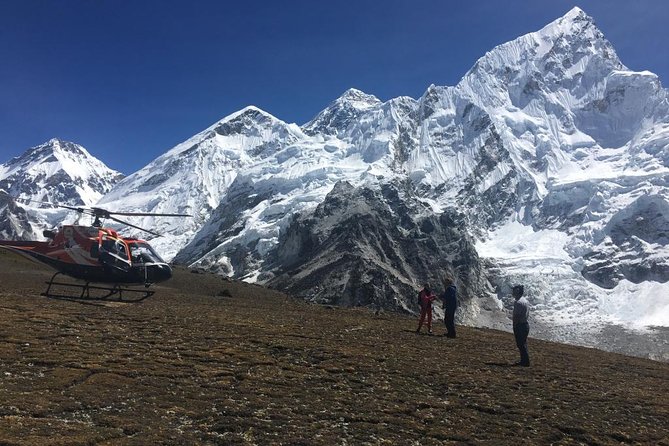
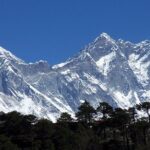
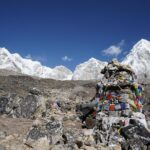
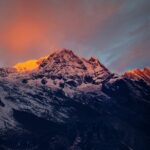
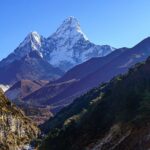
Kalapathar is one of those names that makes people talk faster. High on the Everest region, it’s where you chase the sharpest views of the massif and, if weather is friendly, you get that classic “how is this real?” perspective.
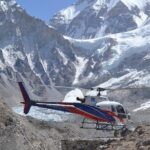
What’s different here is the guarantee element: you’re not just flying toward the region and hoping you’ll get close. You’re set up for a helicopter landing at Everest Base Camp / Kalapathar area, which changes the experience from planning and effort to pure access. For many people, that’s the whole value of this trip: you’re paying to remove uncertainty and time on foot.
And yes, it still feels intense. Even when you’re not trekking, the Everest region is not a theme park. At 17,700 feet, your body knows you’re high. The payoff is that you can still spend your limited time on the ground for photos and a solid look around Base Camp.
You can also read our reviews of more tours and experiences in Kathmandu
Flight day logistics that actually matter (and how to prepare)
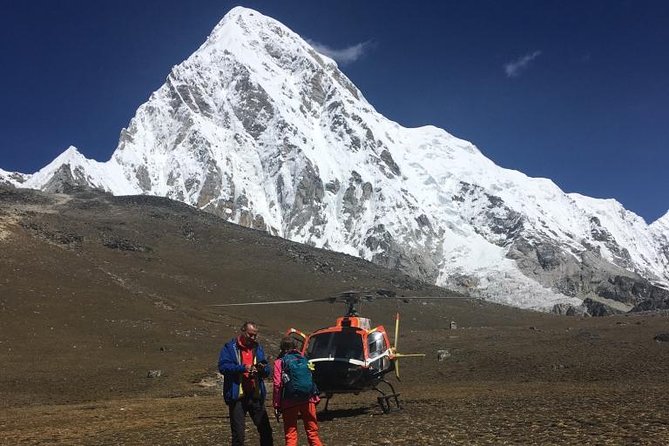
This is built for an early start. You’ll transfer from your hotel to Kathmandu Airport/Helipad at 06:00 AM, with check-in at 06:15 AM and boarding timed for departure around 06:30 AM.
Bring a passport copy for check-in—this is specifically mentioned—because helicopter operations can be strict. I also suggest you travel light. The trip includes no mention of full outdoor gear rental, and they don’t include jackets or extra layers, so plan to bring your own cold-weather basics. If you don’t already own a warm outer layer, consider borrowing or buying one before you come to Nepal.
One more practical thing: your time window is tight. Even though the total tour is listed as 3 to 4 hours (approx.), the flight itself is about 3 hours, and the ground stops are brief. That means you’ll want to be ready when they call for boarding and keep your camera organized. You’ll have moments, not hours.
From Kathmandu to Lukla: the fuel stop you’ll notice
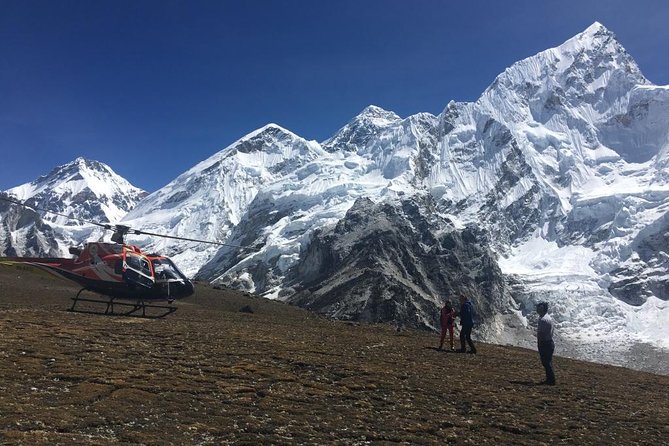
The route is structured around Lukla Airport. It takes about 50 minutes to reach Lukla from Kathmandu. Lukla is small, busy, and very much part of the Everest ecosystem, so you’ll feel the difference right away.
There’s also a short stop—around 10 minutes—for dropping return fuel. That’s not a sightseeing moment. It’s logistics, and you should treat it like it: use it to check your gear, drink water if you can, and get comfortable for the next leg.
If you’re prone to motion sickness, plan for that too. You’ll be in an aircraft for hours by the schedule, and helicopters can feel “different” compared to planes. I’d rather you be prepared than tough it out. Keep your head steady, look outside when you can, and avoid heavy meals right before takeoff.
The Sagarmatha National Park stops: short breaks with real views
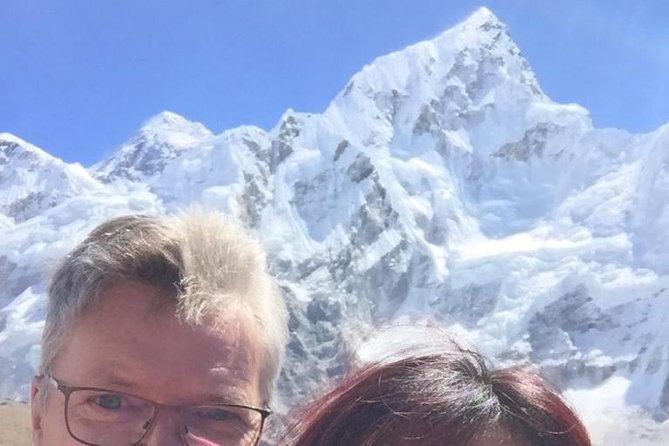
After the first flight segment and regional logistics, the plan includes stops tied to Sagarmatha National Park and viewpoint areas around the Hotel Everest View region.
Hotel Everest View: one-hour breakfast window
You get a one-hour stop at Hotel Everest View, designed for breakfast. The good part is timing: it’s not an all-day detour. It’s a pause where you can warm up, use the bathroom, and reset before you go back toward Base Camp and Kalapathar.
Breakfast is optional and extra—food and drinks are not included. If you’re sensitive to altitude, go easy with portions. Warm liquids often feel easier than a heavy meal when the air is thin.
Syangboche Marg: another one-hour viewpoint stop
Later, there’s another one-hour stop connected with Syangboche Marg, again tied to the Hotel Everest View area. In plain terms, you get a second chance to regroup and take in the Himalaya region from a familiar viewpoint zone.
Could these stops feel repetitive? Maybe, depending on weather and your energy level. But they also do something useful: they reduce pressure. Instead of rushing from helicopter to Base Camp to helicopter with no breathing room, you get structured gaps to manage cold, fatigue, and photos.
Reaching Base Camp and Kalapathar: what your hour is really for
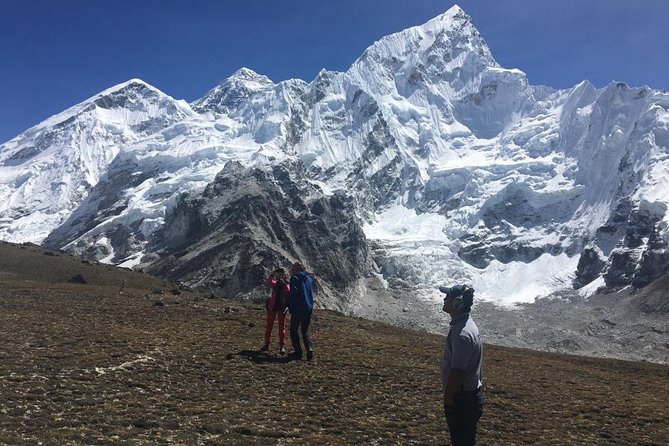
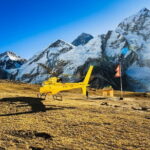
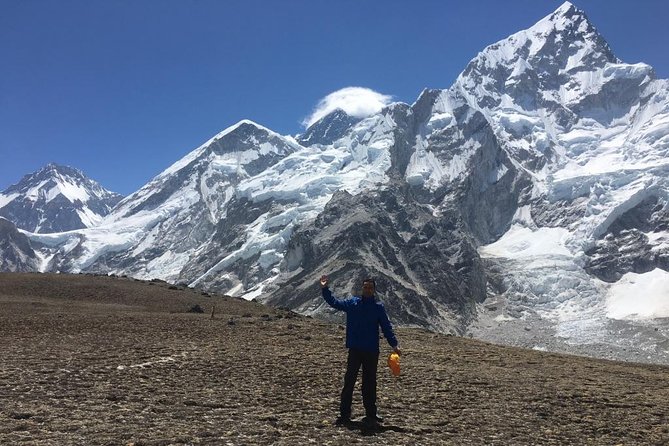
The centerpiece is the time on the ground at Everest Base Camp and Kalapathar for photos and videos. This is where you’ll see people acting like they forgot what words are.
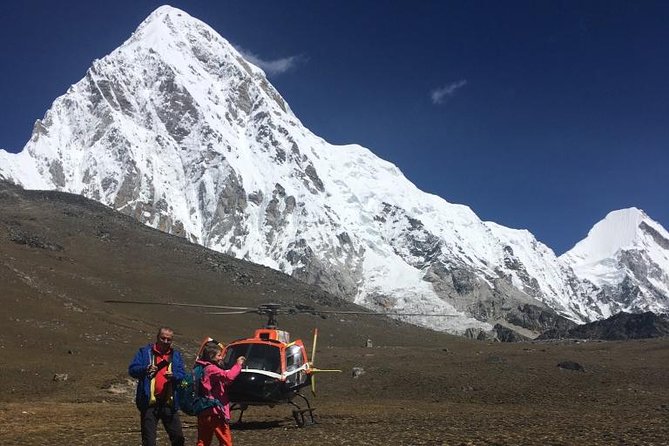
You’ll head to the Base Camp area after reaching 17,700 feet (5,400 m) by helicopter. Then you get about one hour to explore and capture the scene. One hour is not long. But it’s enough to:
- walk out for photos at a comfortable pace
- soak in the scale of Base Camp
- record a few angles and then stop chasing the perfect shot
Kalapathar is the part you don’t want to miss. It’s named for a reason, and it’s where the view tends to feel most dramatic. If the weather is good, your best photos usually come from doing less and looking more—find a spot, let your eyes adjust, and shoot from a stable stance.
Also: don’t underestimate how cold it can feel at altitude, even on a clear day. Bring gloves and a hat. You’ll get tired faster if you’re fighting numb fingers.
The value of a guaranteed window seat (and how to use it well)
This tour includes a guaranteed window seat, which is a big deal for two reasons.
First, most of the Everest region’s “wow factor” shows up from above—valleys, ridgelines, and the way the terrain breaks into layers. Second, in a helicopter, passengers can shift, lean, and scramble for the view. A guaranteed window seat means you’re not negotiating for your turn.
How to use the seat for best results:
- keep your camera strap short so you can stabilize quickly
- pre-load settings before boarding if you use a phone mount or camera rig
- look for light changes: morning haze can fade fast on clearer days
If you’re the type who loves photos, your hardest part won’t be taking them—it’ll be choosing which ones to keep after the flight.
Price reality: is $3,500 worth it?
At $3,500 per person, this is not a budget trip. It’s a premium purchase: you’re paying for helicopter time, guaranteed access, and the organization of transfers, stops, and a trained pilot team.
So how do you judge value?
This price tends to make sense if:
- you have limited vacation time and want Everest access fast
- you don’t want to deal with multi-day trekking at altitude
- you want the Kalapathar landing experience without the long grind
It may feel hard to justify if:
- you’re hoping to keep total costs low (because extras add up)
- you’re not emotionally ready for possible weather-related changes
What’s extra (and what you should budget)
Not included:
- Food and drinks listed at USD 35 each
- Jackets, trousers, sun-glasses and similar gear
- National park entrance fee at USD 55 per person
Also note the total weight per passenger limit: 276 lbs. If you’re near that boundary, I’d contact the provider early rather than guessing.
One more detail that affects comfort: you’ll join a group helicopter with an expert pilot and the max group size is 15 travelers. You still get a structured, guided flow, but it’s not a full private aircraft for each person. That’s important when comparing “private” language to the reality of group operations.
Who this is best for (and who should rethink Everest by helicopter)
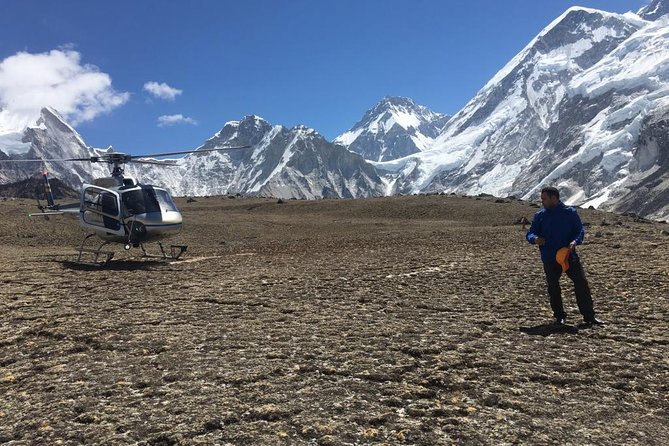
This experience fits best if you want the Everest region’s highlights without hiking. You’ll probably love it if you’re:
- short on time but still want the Base Camp and Kalapathar moment
- planning a trip around comfort and logistics
- okay paying for convenience and access
It may be less ideal if you:
- need days on the trail to feel connected to the place
- prefer unstructured travel and wandering
- can’t handle cold or short, timed stops
It’s also important to remember that guides are optional, so don’t count on a guide giving you deep interpretation during the hour on the ground. If that matters to you, plan to arrange a guide service where possible.
A note on the people behind the scenes (and communication)
The provider is Himalaya Holiday service Pvt. Ltd. (HHS). In case you want a human contact, the owner listed is Buddhi Bhatta with a WhatsApp number in Nepal for 24/7 help. That’s useful for last-minute questions, especially when weather can change everything in the Everest region.
Even with a good schedule, this part of Nepal runs on coordination. Having a point of contact makes the experience smoother.
Should you book this guaranteed Kalapathar helicopter trip?
If you want Everest’s headline views and you care about time, this is one of the strongest ways to do it. The combination of a guaranteed window seat and an actual landing plan for Kalapathar/Base Camp makes it feel more controlled than many “hope it works out” approaches. You’re also getting a sensible flow with hotel pickup and structured stops rather than chaos.
I’d book if:
- your priority is Base Camp and Kalapathar access, not trekking
- you’re ready for an early start and a one-hour ground window
- you can comfortably pay for upgrades and the known extras
I’d pause before booking if:
- $3,500 plus added fees and gear would stretch you
- you’re very sensitive to weather uncertainty
- you’d rather spend more time slowly on the mountain and less time flying
In short: if your Everest dream is about reaching Kalapathar fast and seeing it clearly, this trip is built for that. Just go in with realistic expectations about time on the ground and a cold-weather-ready mindset.
FAQ
How long is the helicopter tour from Kathmandu?
The total tour time is listed as 3 to 4 hours (approx.), with about 3 hours of flight time.
What transportation is included?
Round-trip car transfer is included, with pickup from your hotel and drop back to your hotel after the flight.
Do I get a window seat?
Yes. You’ll have a guaranteed window seat during the helicopter flight.
Is Everest Base Camp and Kalapathar the main stop?
Yes. The plan includes landing for photos and videos at Everest Base Camp and Kalapathar, with about an hour to explore.
What is the route and what happens at Lukla?
You fly via Lukla Airport. It takes about 50 minutes to reach Lukla from Kathmandu, then there is a short stop of about 10 minutes for dropping return fuel.
Are meals included?
No. Food and drinks are not included and are listed at USD 35 each.
Is the national park entrance fee included?
No. The national park entrance fee is listed as USD 55 per person.
What if weather is poor?
This experience requires good weather. If it’s canceled due to poor weather, you’ll be offered a different date or a full refund.