REVIEW · KATHMANDU
Kathmandu Heritage Tour – Private Full-Day UNESCO Sites & Temples
Book on Viator →Operated by Himalayan Recreation Treks & Expedition Pvt.Ltd · Bookable on Viator
Kathmandu turns sacred corners fast. This private full-day tour strings together major UNESCO sites plus Hindu and Buddhist temples, with context on how the 2015 earthquake affected some places. I especially like the private guide approach, because the symbols, legends, and rules of each site start to make sense quickly. You also get a tight, practical route that doesn’t waste time bouncing between neighborhoods.
The main drawback to plan for is money on top of the $60: entrance fees are not included, and lunch is on your own (expect around $10 locally).
In This Review
- Key highlights at a glance
- A Private UNESCO Day That Hits Hindu and Buddhist Kathmandu
- Pickup, Private Vehicle, and a Guide Who Sets the Pace
- Swayambhunath Hilltop Temple: Views and a 3,000-Year Story
- Kathmandu Durbar Square and the Kumari Window
- Quick Photo Stops at Bhaktapur Temple, Kumari Chowk, and Hanuman Dhoka
- Pashupatinath Temple and the Crematoria: Sacred Rites Up Close
- Boudhanath Stupa With Four Pairs of Eyes
- Garden of Dreams: A Calm Break From Temple Pressure
- Earthquake Damage in 2015: What You Should Notice (and How)
- Price and Logistics: What You Get for $60, and What Comes Later
- Who This Tour Fits Best (and Who Might Prefer a Slower Day)
- Should You Book This Kathmandu Heritage Tour?
- FAQ
- FAQ
- How long does the Kathmandu Heritage Tour take?
- What is the price per person?
- What’s included in the tour price?
- Are entrance fees included?
- Do I need to budget for lunch?
- Is this a private tour?
- What’s the maximum group size?
- Are there any age limits?
- Does the tour address earthquake damage?
- Can I cancel or change my plans?
Key highlights at a glance
- Hotel pickup, private vehicle, and bottled water keep the day low-stress
- UNESCO-heavy route across Swayambhunath, Durbar Square, Pashupatinath, and Boudhanath
- Kumari viewing moments (living goddess traditions) built into the route
- Pashupatinath crematoria stop for a serious look at Hindu rites
- Guides who manage pace and detail (names like Krishna, Jamuna, Janina, and SuJan come up in real bookings)
- Earthquake context so you know why some structures look different
A Private UNESCO Day That Hits Hindu and Buddhist Kathmandu
If you only have one day in Kathmandu, this kind of tour is how you get your bearings fast. You cover multiple UNESCO World Heritage landmarks across the Kathmandu Valley, then connect the dots between living traditions and stone-and-wood architecture. It’s a “see a lot, understand a lot” setup, not just temple sightseeing.
The format is private with your group only, and the day runs about 5 to 8 hours. Hotel pickup and drop-off mean you’re not spending your energy on traffic logistics before you even start seeing things. It also includes bottled water, which sounds minor until you’re halfway up a hill and regretting every sip you didn’t bring.
You can also read our reviews of more private tours in Kathmandu
Pickup, Private Vehicle, and a Guide Who Sets the Pace
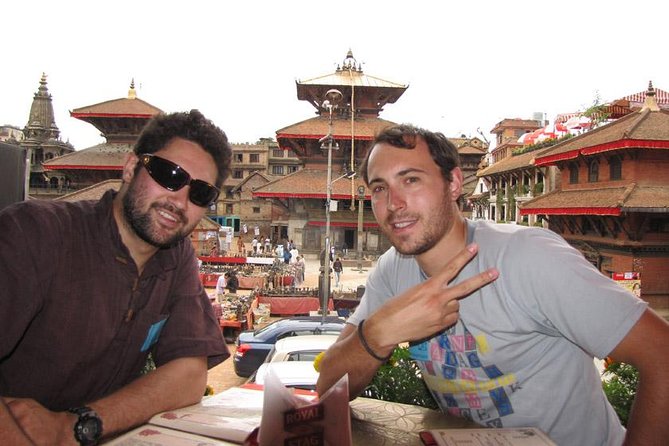
What makes this tour work is the human layer. A private guide means you can ask the practical questions: what you’re looking at, why it matters, and what behavior is expected. In bookings, guides like Krishna, Jamuna, Janina, and SuJan are mentioned for clear English, patience, and steady pacing—one person even notes that their guide adjusted the tempo when they took lots of photos.
The vehicle helps a lot in Kathmandu Valley traffic. The tour is designed to be a single run through key sites instead of a patchwork of taxis. Group size is capped at 10 people, so even if you end up in a small shared situation, it still feels manageable rather than hectic.
Swayambhunath Hilltop Temple: Views and a 3,000-Year Story
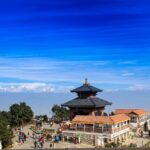
Swayambhunath—often called the Monkey Temple—is where the day starts with a view. It sits on a hill, so you get that classic overlooking look at Kathmandu. The stop is about an hour, which is enough to reach the key areas, take in the architecture, and still have time to absorb what your guide explains.
This is also one of Nepal’s main Buddhist sites, with history reaching back over 3,000 years. Expect a temple experience that’s both visual and social: there are lots of moments to watch how people move through the space. Admission isn’t included, so add that to your planning if you’re budgeting tight.
Practical note: temple hilltops can be slippery or uneven. Wear shoes you trust and keep your pace steady.
Kathmandu Durbar Square and the Kumari Window
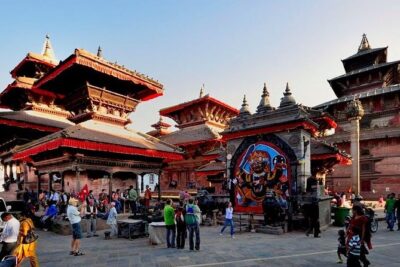
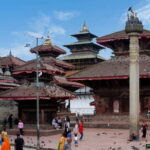
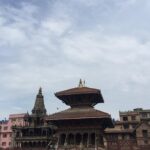
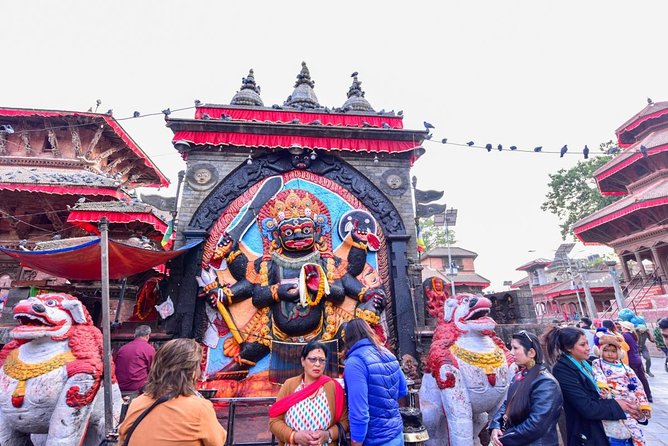
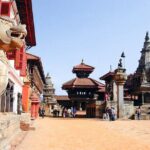
Next comes Kathmandu Durbar Square, the ornate royal-residence area that’s tied to the city’s UNESCO heritage. This stop is a strong architecture hit: layered carvings, sculpted details, and the feeling of stepping into the old power center of the city.
One of the most talked-about features here is the Kumari, the living goddess. Your guide points out the Kumari’s role, and you may catch the goddess in her window for a few seconds at the right time. Even when that moment is brief, it can feel oddly personal—like you’re watching a living tradition rather than a staged exhibit.
This stop runs about an hour, which helps if you want to slow down and let the guide’s explanation land. Admission isn’t included, so again: entrances add up later.
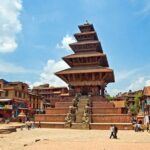
Quick Photo Stops at Bhaktapur Temple, Kumari Chowk, and Hanuman Dhoka
Not every moment is a long sit-down. Some of the best cultural signals come from the short stops—fast, focused, and easy to fit between bigger sites.
You’ll include stops like Basantpur Dabali, a very old tourist center with a Hindu temple, plus brief visits tied to powerful goddess traditions such as the Taleju Bhawani Temple, associated with the Malla kings. Then there’s Kumari Chowk, where the story continues: a virgin girl is worshipped as the goddess Durga in human form, and sometimes you can glimpse her at windows. Your guide helps connect these places so it doesn’t feel like random “stop-and-snaps.”
Finally, you reach Hanuman Dhoka, where real monkeys live in the square built to honor the monkey god Hanuman. It’s a quick stop (about 15 minutes), but it adds that human-and-nature mix that makes Kathmandu feel alive.
Drawback of these quick stops: if you’re the type who hates being rushed, you might wish some portions were longer. The trade-off is you get more UNESCO stops in one day.
You can also read our reviews of more historical tours in Kathmandu
Pashupatinath Temple and the Crematoria: Sacred Rites Up Close
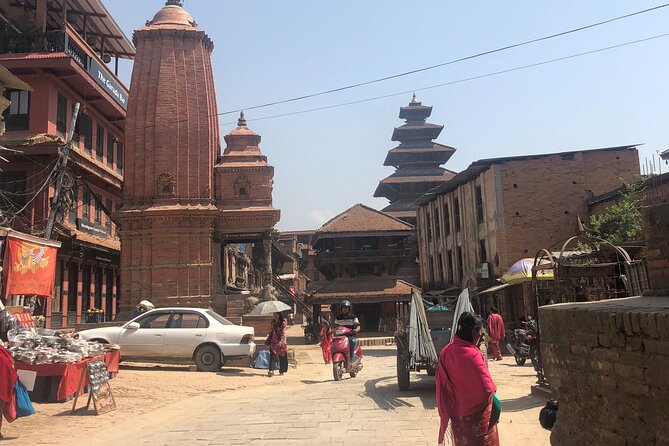
Pashupatinath is the day’s emotional center. This part of the itinerary focuses on one of the most sacred Hindu shrines in the world. The complex is centered on the richly ornamented pagoda area that houses the sacred linga symbol.
You’ll spend about an hour here, then you return again in the same general area for the crematoria experience. The crematoria stop is shorter (around 30 minutes), but it’s constant action and comes with a very specific atmosphere. One booking notes it can remind you of India, but with more reverence and less hype. That sounds abstract—until you’re standing there seeing how people care for and honor the dead in a ritual setting.
Important: entrance fees apply here (the tour notes that the Pashupatinath entrance fees work for the crematoria portion). Also, this isn’t a “fun photos” stop. It’s sacred ground and you’ll want to behave accordingly—quiet voice, respectful distance, and no treating it like a show.
Boudhanath Stupa With Four Pairs of Eyes
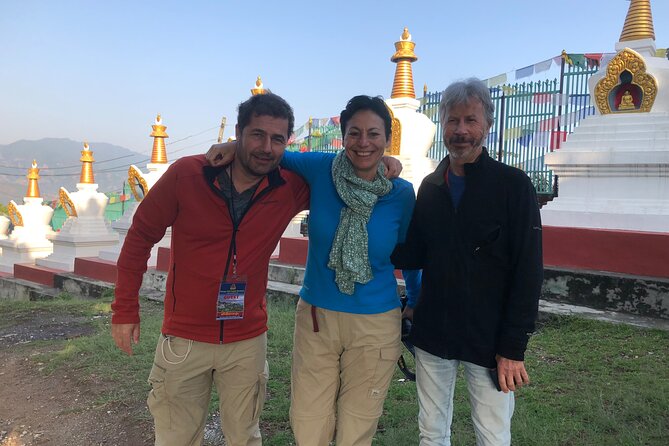
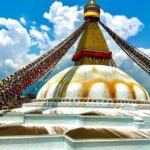
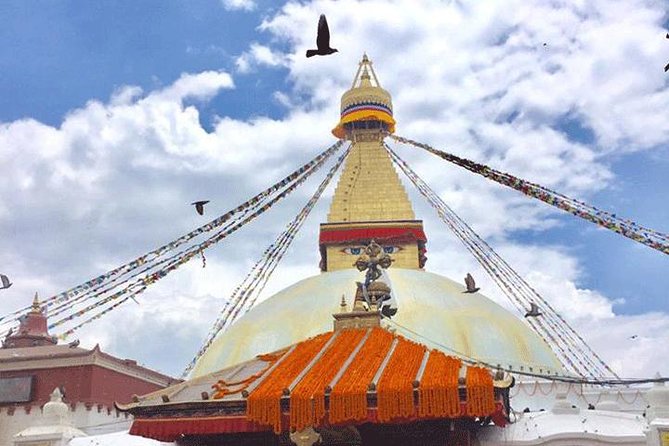
After Hindu rites, you get Buddhist quiet at Boudhanath Stupa, a major site that’s about as different as it gets. This stop is about an hour and centers on a stupa that’s said to be around 2,500 years old, built in the 5th century. What makes it memorable is the symbolism—four pairs of eyes of Lord Buddha watching in four cardinal directions.
Even if you’re not a Buddhism expert, your guide can help you read what’s happening around the stupa. This is where the day can breathe. The route also helps keep you from burning out, because you’re not stuck in one religious setting for the entire day.
Admission isn’t included for this stop either, so keep your budget mindset switched on.
Garden of Dreams: A Calm Break From Temple Pressure
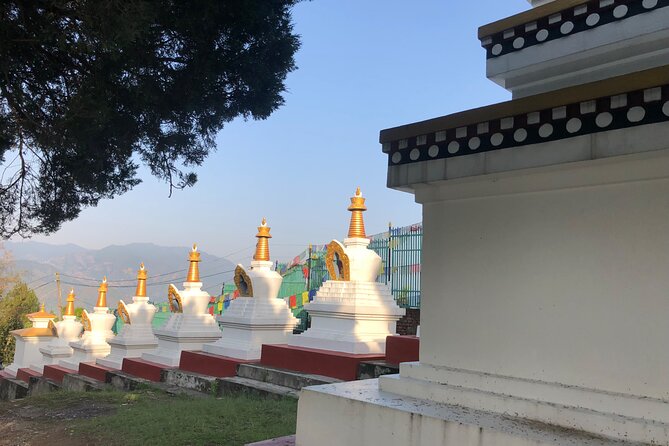
Towards the end, the tour adds a softer, calmer moment: the Garden of Dreams. It’s described as a neo-classical historical garden in the middle of Kathmandu, with design similarities to formal European gardens—paved perimeter paths and an intentional layout.
Why this matters: after intense temple visits and ritual spaces, you need somewhere that doesn’t demand explanation on every corner. This garden stop gives you a reset. It’s also a good place to breathe, sit for a moment, and look at Kathmandu at human speed rather than “tour pace.”
Earthquake Damage in 2015: What You Should Notice (and How)
A key detail the tour flags is earthquake damage. Some of the sites you visit had significant damage due to the earthquakes in April and May 2015. That doesn’t mean the places are ruined; it means the shapes you see may be altered, repaired, or partially affected.
Here’s how to use this info well: don’t try to “compare” what you see to photos from decades ago. Ask your guide what’s damaged, what’s restored, and what locals do now. If you visit with respect and patience, the context makes the monuments feel more human, not less impressive.
It can also explain pacing. If an area is under repair or access is limited, the route still works, but the tour won’t be built around perfect, museum-style conditions.
Price and Logistics: What You Get for $60, and What Comes Later
The headline price is $60 per person for a private full-day tour. At this level, the value is in the parts you’d otherwise pay for separately: hotel pickup and drop-off, a private guide, and transport in a private vehicle, plus bottled water.
But you should treat entrance fees as a separate line item. Entrance fees are explicitly not included, and a realistic planning approach is to budget extra on arrival for the major UNESCO and temple sites. One booking describes being surprised by the entrance costs and ending up spending about $60 total on entrance fees across multiple stops.
Lunch is also not included. The tour notes you should expect to spend around $10 USD for lunch purchased locally. If you like predictable totals, this tour still works, but you’ll want to add a cushion.
Also note: souvenir photos are available to purchase, so if you want to keep costs controlled, decide in advance what you’re willing to buy.
Who This Tour Fits Best (and Who Might Prefer a Slower Day)
This tour is ideal if you:
- Want an introduction to Kathmandu that covers major UNESCO sights in one go
- Prefer a private guide who explains meaning and not just names
- Have limited time and want the day organized around key landmarks
- Like a mix of Hindu and Buddhist sacred sites rather than choosing just one theme
I’d think twice if you:
- Are on a tight budget and want fewer “small extra fees” during the day
- Hate being on the move for most of the day (some stops are quick by design)
- Want long stays at one site rather than a full route
If you’re easily exhausted by “temple hopping,” pick your priorities before you go, because the itinerary is designed to pack a lot in.
Should You Book This Kathmandu Heritage Tour?
I think it’s a solid booking when your main goal is orientation plus guided context. The guide component tends to be a standout, with people highlighting smooth pacing, good English, and patient explanations from guides like Krishna, Jamuna, Janina, and SuJan. The private transport also makes the day feel practical, not chaotic.
Just go in with your eyes open about the trade-offs. Entrance fees are an extra, and the day includes emotionally weighty places like the crematoria area. If you can handle a packed schedule and plan for add-ons, this is an efficient way to experience Kathmandu Valley’s big-name heritage without getting lost in logistics.
FAQ
FAQ
How long does the Kathmandu Heritage Tour take?
The tour runs about 5 to 8 hours (approx.).
What is the price per person?
The price is $60.00 per person.
What’s included in the tour price?
It includes hotel pickup and drop-off, bottled water, a private tour guide, and transport by private vehicle.
Are entrance fees included?
No. Entrance fees are at your expense.
Do I need to budget for lunch?
Yes. The tour notes you should expect to spend around $10 USD for lunch purchased locally.
Is this a private tour?
Yes. It’s a private tour/activity, and only your group will participate.
What’s the maximum group size?
A maximum of 10 people per booking.
Are there any age limits?
There is no age limit, and most travelers can participate.
Does the tour address earthquake damage?
Yes. It notes that there has been significant damage to some of the sites visited due to the earthquakes in April and May 2015.
Can I cancel or change my plans?
Free to change the date and time, and free cancellation is available up to 24 hours in advance for a full refund.