REVIEW · KATHMANDU
Kathmandu: Momo Making Class with a Local Chef
Book on GetYourGuide →Operated by Epic Adventures Private Limited (EAPL) · Bookable on GetYourGuide
Momos are fun to learn fast. This Kathmandu experience puts you right in the process of making momos—mixing dough, shaping dumplings, and cooking them—during a compact 1-hour class in Thamel.
I really like two things here: you get a small-group setup (limited to 8), so the chef can guide you as you work, and you’re using the same basic ingredients that go into momo wrappers and fillings—flour, water, vegetables, and ground meat if that’s the filling style you’re making.
One thing to consider: it’s active and time-tight, so bring mess-friendly clothes and plan on handling your own way there. Also, if you eat vegetarian, double-check whether your class session will use the ground-meat option or stick to vegetables.
In This Review
- Key things I’d bank on before you book
- Kathmandu Momo Making Class With a Local Chef: What the Hour Actually Feels Like
- Finding the Nepal Cooking School in Thamel (and not making it stressful)
- Your 1-hour plan: dough, filling, shape, cook, eat
- Mixing the dough: the hands-on step that makes you feel confident
- Filling time: meat, vegetables, spices, and what makes it momo
- Shaping and folding: where most people learn the most
- Cooking and then eating: the payoff is immediate
- What’s the real value of a momo class like this?
- Who this class suits best (and who might want to choose another option)
- How to prepare: clothes, timing, and getting the most out of your hour
- Should you book the Kathmandu momo making class?
- FAQ
- How long is the Kathmandu momo making class?
- Where do I meet for the class?
- Is the class taught in English?
- How large is the group?
- What will I learn to make?
- Are ingredients included?
- Do I need to bring anything?
- Is transportation included?
- Can I cancel for a refund?
Key things I’d bank on before you book
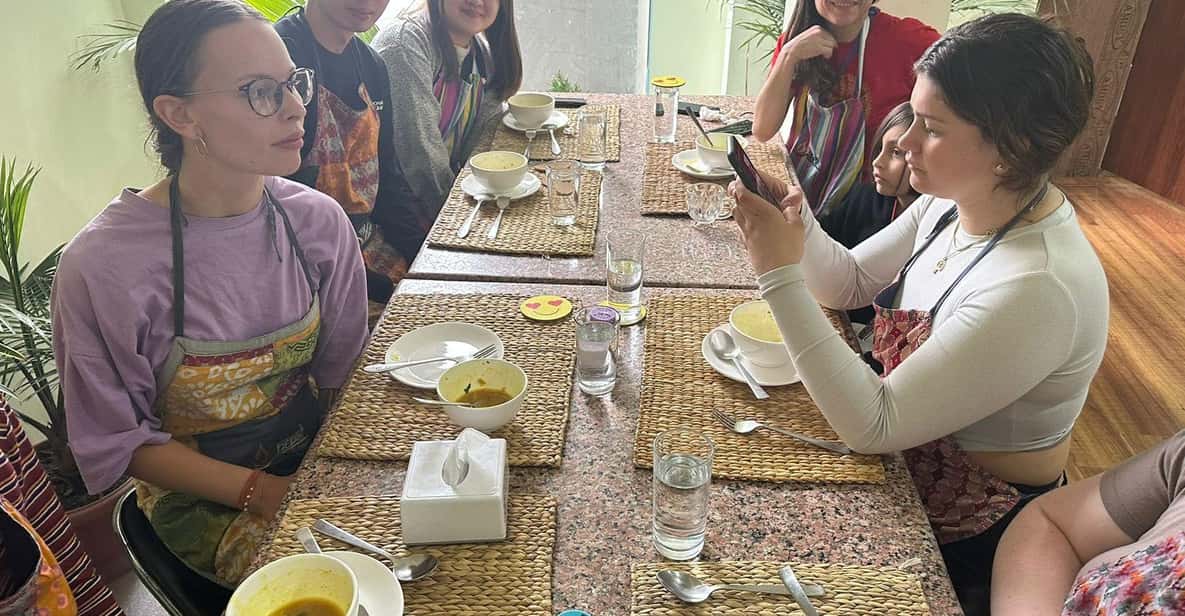
- A real hands-on workflow: dough, filling, folding, and cooking are all part of your hour
- Small group limit (max 8): better odds of getting direct help with shaping
- Common momo ingredients: flour, water, vegetables, spices, and optional ground meat
- Tasting your own batch: you eat what you made right after cooking
- English instruction: the chef explains the steps clearly for non-Nepali speakers
Kathmandu Momo Making Class With a Local Chef: What the Hour Actually Feels Like
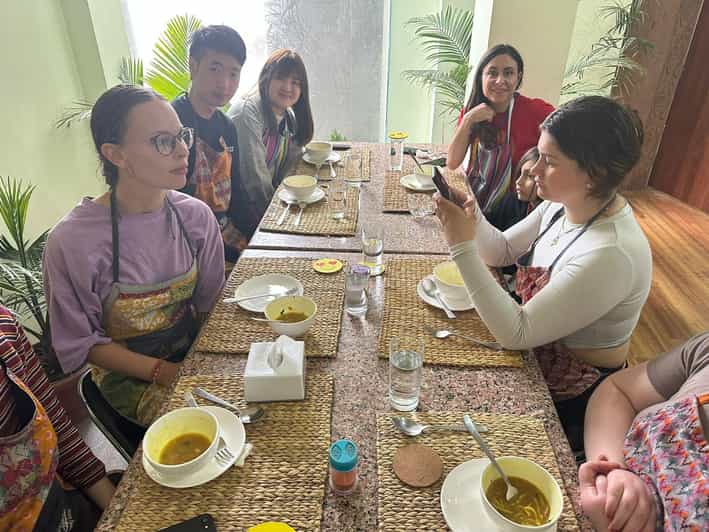
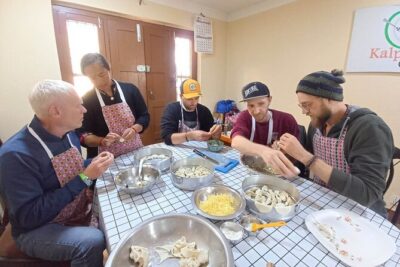
This class is short on paper—just 1 hour—but it’s not short on doing. You don’t just watch a cooking demo from across a table. You mix, you fold, you shape, you cook, and then you eat your own momos. That’s the core value: you leave with a small skill you can repeat later, not only a full stomach.
And because the class is in Thamel, it’s an easy add-on to a typical Kathmandu itinerary. You’re already in the area for sight-seeing, shopping for trekking gear, or grabbing a late snack. This experience fits nicely when you want something local and practical without committing to a half-day course.
You can also read our reviews of more tours and experiences in Kathmandu
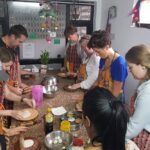
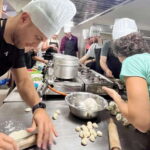
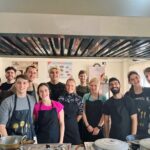
Finding the Nepal Cooking School in Thamel (and not making it stressful)
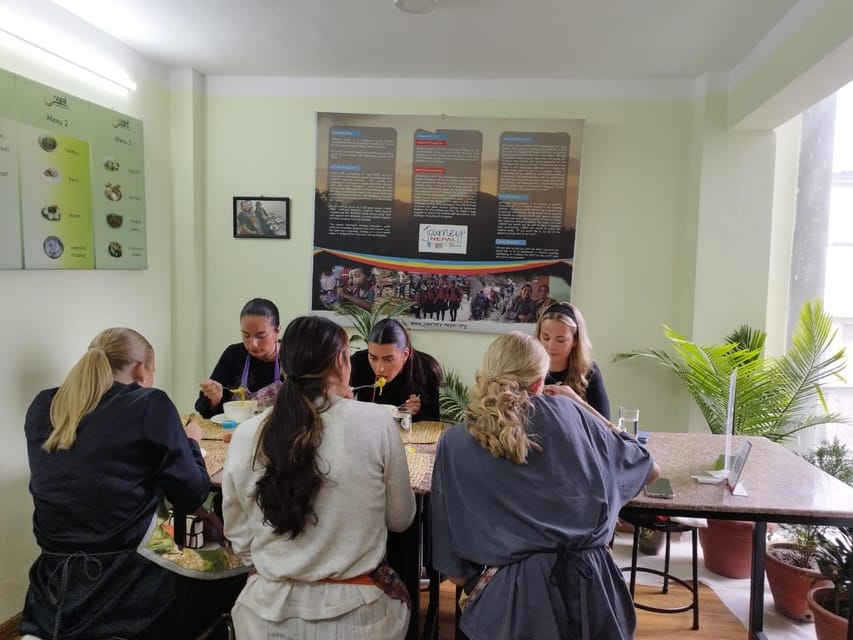
You meet at the Nepal Cooking School at Paknjaol Marg, opposite the Ganesh Temple, in the building of the delicious pizza—third floor.
That address matters because it’s the kind of thing that can feel confusing when Kathmandu has side streets, lots of signs, and a lot going on. I’d treat the meeting point like part of the experience: give yourself a few extra minutes, arrive ready to ask where the cooking school is on that third floor, and then you can focus on the food once you’re inside.
Also, transportation isn’t included, so you’ll want to plan how you’ll get there. If you’re already staying in or near Thamel, it’s usually manageable. If not, it may take a little more coordination.
Your 1-hour plan: dough, filling, shape, cook, eat
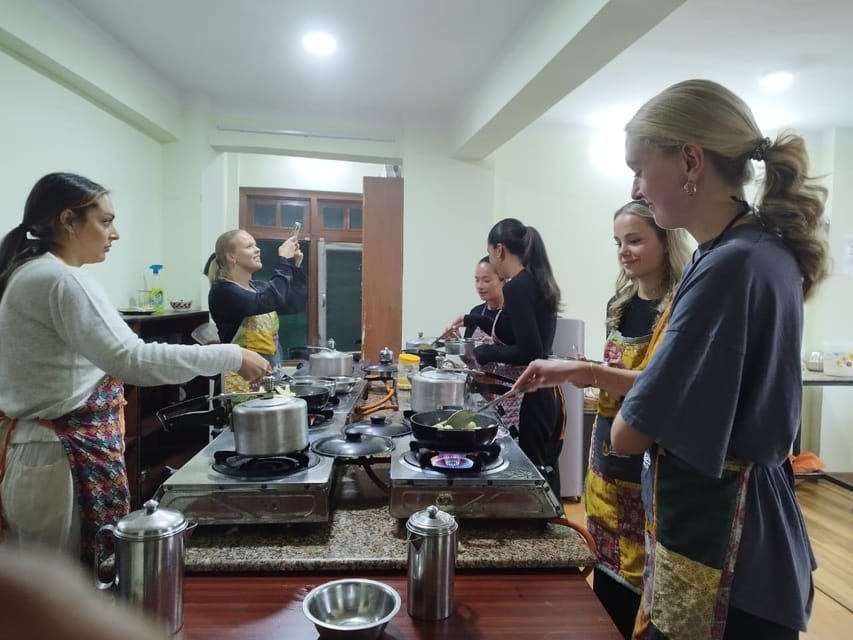
This is a tight workshop. In the time you’re there, you’ll go through the full momo-making arc:
- Meet the chef or instructor and get started
- Work the dough so you can form wrappers
- Make the filling using momo-typical ingredients
- Shape the dumplings by folding
- Cook them
- Eat what you made, often with dipping sauces or sides
That flow is important. Lots of cooking experiences break things into “first you learn,” then “later you try.” Here, you do the real thing. Even if your folds aren’t perfect, you get feedback while you’re still in the process—which is how you actually improve.
Because the class is limited to 8 participants, you’re more likely to get individual attention when questions come up. You’ll also spend less time waiting around.
Mixing the dough: the hands-on step that makes you feel confident
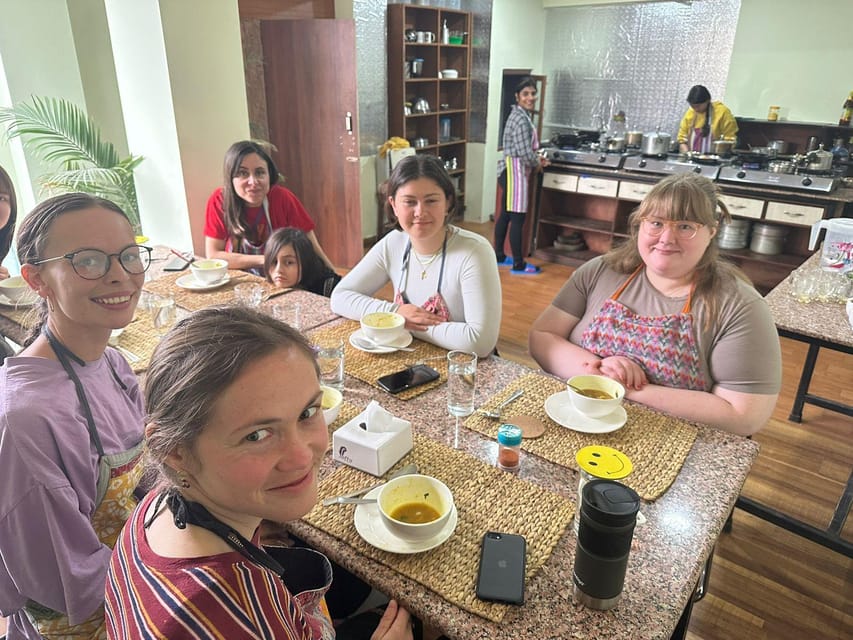
Momo dough sounds simple—flour and water—but that’s exactly why it’s a good skill to learn. You’ll practice the basics of getting dough to the right texture for handling and rolling.
In practical terms, this is where you stop thinking of momos as mysterious restaurant food and start understanding them as homemade dumplings. Once you’ve mixed and handled the dough yourself, you’ll know what to pay attention to next time, like how the dough feels when it’s ready to work.
And since this is a hands-on class, you’ll be doing the mixing rather than watching someone else do it. I like that because it turns a “food lesson” into a real working session.
Filling time: meat, vegetables, spices, and what makes it momo
After the dough work, you move to the filling. The class uses authentic ingredients commonly used in momo preparation, including:
- Ground meat (if the filling option isn’t vegetarian)
- Vegetables
- Spices and seasonings
This part matters because momos aren’t just wrappers. The flavor comes from the filling and how it’s balanced with seasoning. Even if you’ve eaten momos before, you may not have connected the dots between dumpling flavor and what goes inside.
One practical note: the information specifically mentions ground meat if you’re not vegetarian. That doesn’t automatically mean vegetarian-only sessions are available—it just tells you what ingredients might be used. If you’re vegetarian (or have other dietary needs), it’s smart to ask what filling you’ll be making for your particular session so you’re not surprised.





Shaping and folding: where most people learn the most
Shaping is the step that turns this into a true craft. You’ll learn how to fold dumplings, and you’ll do it with guidance from the chef or instructor.
Even if you’ve never folded dumplings before, the class format helps. With only up to 8 people, you’re less likely to feel lost while others catch on faster. And because the folding happens mid-workshop, the feedback is timely—you can correct your technique while the dough is still fresh and while you’re still in the same workflow.
Think of it like this: dough and filling are ingredients. Folding is the moment you understand the structure. Once you’ve shaped dumplings yourself, it’s much easier to spot what you like when you eat momos later.
Cooking and then eating: the payoff is immediate
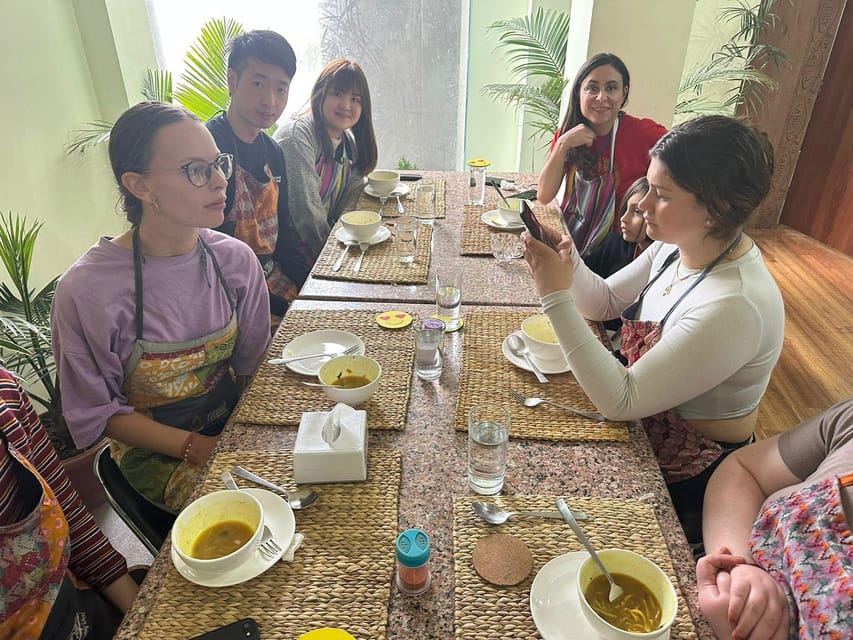
After shaping, you cook the momos. The class includes tasting your creations, so there’s no waiting for the end of the day to see whether the effort worked.
This “cook and then eat” approach is honestly one of the best parts of a short cooking class. Your results are immediate, and you can connect taste to the steps you just did. If something seems off—too salty, too soft, not enough filling—you can remember which step might have caused it.
You’ll usually enjoy the dumplings with dipping sauces or sides. The exact accompaniment may vary, but the idea is consistent: you’re not just making dumplings in a vacuum. You’re eating them as they’re meant to be eaten.
What’s the real value of a momo class like this?
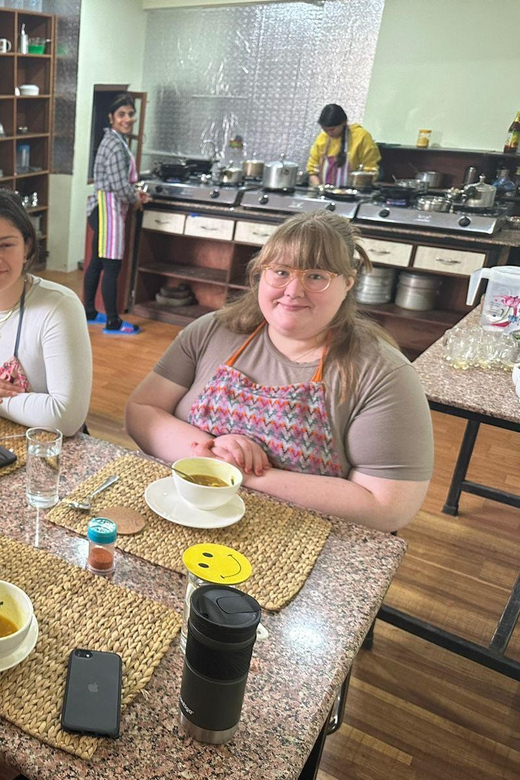
For me, the best value isn’t only the food. It’s what you leave knowing.
You walk away with:
- A better sense of how momo wrappers are made from flour and water
- A feel for the filling process using typical momo ingredients
- Practical experience shaping folded dumplings
- A direct taste of what your batch turned into
In a city like Kathmandu, it’s easy to fill a day with markets and sightseeing. This gives you something more grounded. It also pairs well with food exploration afterward: you can compare other momos you try on your trip with the technique you just learned.
Who this class suits best (and who might want to choose another option)
This works especially well if you:
- Want a local hands-on experience rather than a lecture
- Like learning by doing within a short time window
- Want instruction in English
- Prefer small group attention (limited to 8)
- Like Nepalese and Himalayan dumplings—especially momo
It may be less ideal if you:
- Hate getting your hands dirty (the process is active)
- Need something very hands-free or strictly observation-based
- Have very tight scheduling with no buffer—because everything happens in that 1-hour block
If you’re vegetarian, it’s a good fit in spirit, but you should ask how your class session handles fillings, since the information references meat when the option isn’t vegetarian.
How to prepare: clothes, timing, and getting the most out of your hour
Bring comfortable clothes you don’t mind getting stained. This class specifically warns you that you’ll get your hands dirty—dough plus kitchen work is part of the deal.
Also, wear something that lets you move without fuss. You’ll likely be standing and working at a workstation for most of the class.
One more note: the guidance lists “ingredients” under what to bring. At the same time, it also says ingredients for momo preparation are included. That can happen when companies have optional items or ask you to bring something special. To avoid any confusion, check what they expect you to bring on the day, so you’re not stuck with an empty bag—or an unnecessary shopping list.
Finally, if you want flexibility, the booking info notes free cancellation up to 24 hours in advance for a full refund. That’s worth noting if your Kathmandu schedule tends to shift.
Should you book the Kathmandu momo making class?
Yes—if you want an hour of real cooking participation with English support and a small group limit, this is a smart choice. It’s a straightforward format with included ingredients, and the payoff is built in: you taste what you make right after cooking.
I’d book it especially if:
- You’re in Thamel and want a practical local experience
- You’d rather learn technique (dough, filling, folding) than just eat dumplings
- You like food activities that end while your appetite is still fresh
Skip it or ask extra questions first if:
- You need strictly vegetarian (or have other dietary restrictions) and want clarity on fillings
- You don’t want any messy, active cooking work
- You can’t reliably get to Paknjaol Marg and the third-floor Nepal Cooking School on your own
FAQ
How long is the Kathmandu momo making class?
It lasts 1 hour.
Where do I meet for the class?
You meet at Paknjaol Marg, opposite the Ganesh Temple, in the building of the delicious pizza, third floor.
Is the class taught in English?
Yes, the instructor teaches in English.
How large is the group?
It’s a small group limited to 8 participants.
What will I learn to make?
You learn to make momos: preparing the dough, making the filling, shaping the dumplings, and cooking them.
Are ingredients included?
Yes, ingredients for momo preparation are included.
Do I need to bring anything?
You should bring comfortable clothes, clothes that can get dirty, and the info also lists ingredients—so it’s a good idea to confirm what they specifically want from you.
Is transportation included?
No, transportation to and from the class location is not included.
Can I cancel for a refund?
Yes. You can cancel up to 24 hours in advance for a full refund.