REVIEW · KATHMANDU
Kathmandu Secret Food Crawl & Local Market Tour
Book on GetYourGuide →Operated by Mount Glory Treks · Bookable on GetYourGuide
Ason Bazar turns food into a map. This Kathmandu Secret Food Crawl & Local Market Tour is a focused 2-hour walk that mixes market life with real tastings, from Newari favorites like yomari to street staples like momo and chatamari. I especially love how the guide connects each bite to Kathmandu’s culture, and how you get a pile of food for the price, not just a couple samples.
One thing to consider: your stomach will notice. The tour is designed to be plentiful, and many dishes lean spicy, so if you’re sensitive, tell your guide early so you can pace yourself and choose what fits.
In This Review
- Key highlights at a glance
- Entering Kathmandu’s food world at Chhaya Devi Complex
- Why Ason Bazar is the right backdrop for a food crawl
- Newari cuisine tastings that actually teach you what you’re eating
- Street snacks you can recognize fast: momo and chatamari
- Laphing and lassi: the cold, spicy moment
- Exploring crafts and traditions while you eat
- How much you’ll eat in 2 hours (and why that’s good value)
- Meet the guide: Santosh’s style of storytelling and selection
- What can go slightly wrong: crowds, spice, and pacing
- Who should book this food crawl
- Practical tips before you go
- Final call: should you book this tour?
- FAQ
- Where is the meeting point for the tour?
- How long is the Kathmandu Secret Food Crawl & Local Market Tour?
- How much does the tour cost?
- Is an English-speaking guide included?
- What food and drinks are included?
- Which market is the tour known for visiting?
- Are taxes included in the price?
- What is the cancellation policy?
- Is there an option to pay later?
Key highlights at a glance
- Ason Bazar: the famous old market area where you can feel Kathmandu’s everyday rhythm
- Newari cuisine tastings: yomari and samay baji style flavors show up in the mix
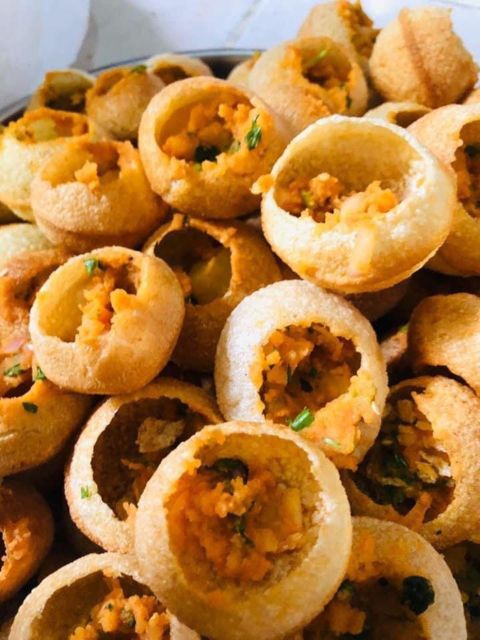
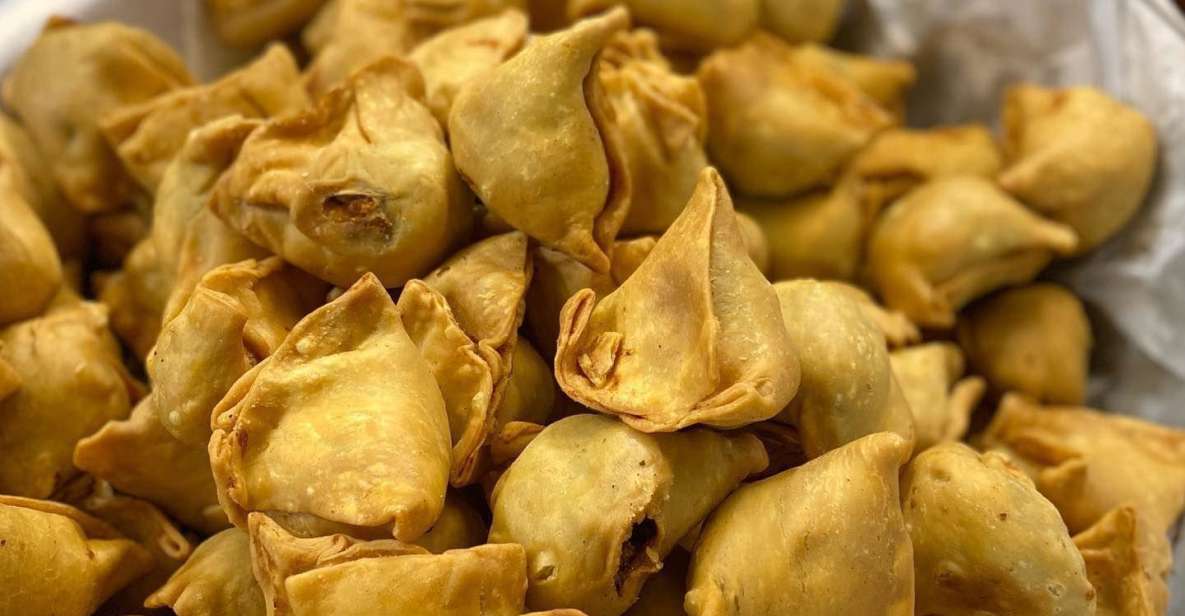
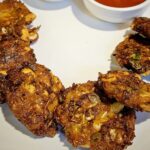
- Street-food variety: momo, chatamari (Newari pizza style), and other market snacks
- Cold-and-spicy option: laphing shows up for people who want something different
- Real market browsing: crafts, traditions, and lifestyle around the stalls, not just food stops
Entering Kathmandu’s food world at Chhaya Devi Complex
You start at the main gate of Chhaya Devi Complex. That’s handy because it gives you a clear meeting point before you step into the maze of lanes around the market area. From there, the guide keeps the walk efficient, so you spend your time eating and watching instead of hunting for the right stall.
This tour works best when you arrive with an open plan for your time and appetite. In just 2 hours, the route is built to hit multiple vendors with short stops, so you’ll want comfortable shoes and a light mindset: this is not the type of experience where you linger over one thing for a long while.
You can also read our reviews of more food & drink experiences in Kathmandu

Why Ason Bazar is the right backdrop for a food crawl
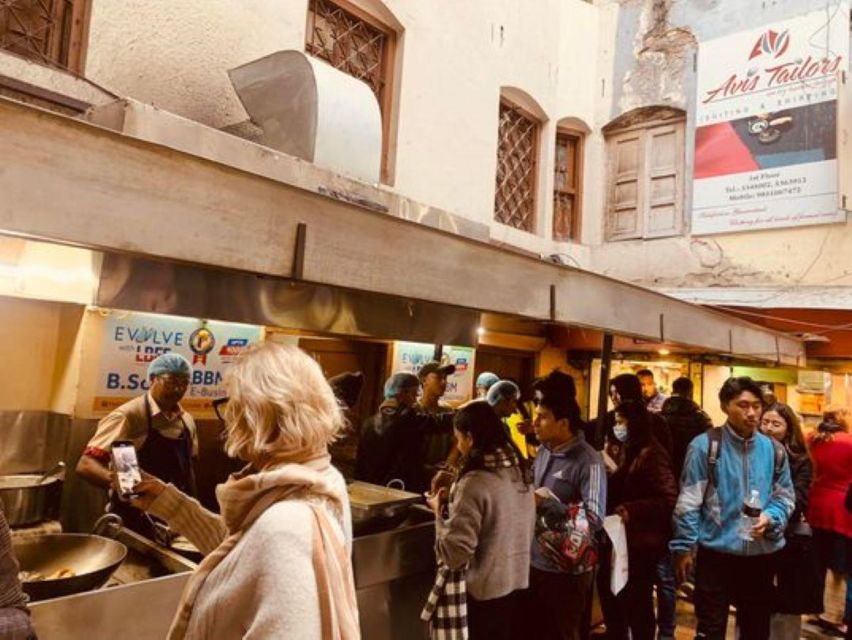
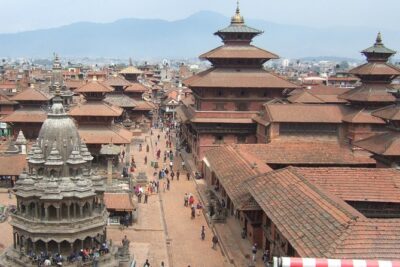
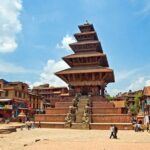
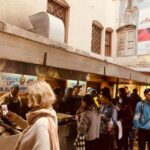
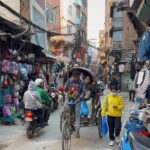
Ason Bazar is the star of the walk. It’s the kind of place where food, commerce, and culture overlap, so you taste dishes while also seeing who sells them and how the market works. The tour is also aimed at the historical and cultural side of the area, which helps the food make more sense than just a list of dishes.
I like the way the guide uses the market itself as a teaching tool. As you walk, you pick up context about local food culture and the craft/tradition side of Kathmandu life. It’s a simple idea, but it changes the experience from eating to understanding.
Newari cuisine tastings that actually teach you what you’re eating
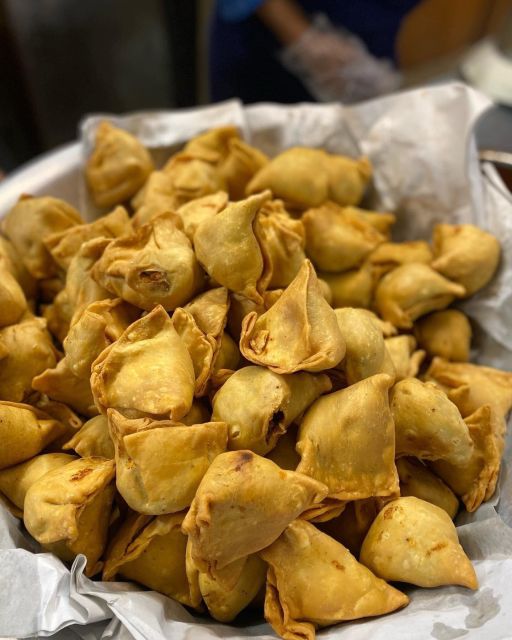
If you want one reason this tour stands out, it’s the attention to Newari cuisine. The Newar community has distinctive food traditions, and the guide helps you notice what makes them different from the usual street-food mix you might see elsewhere in Nepal.
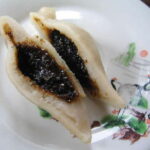
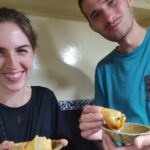
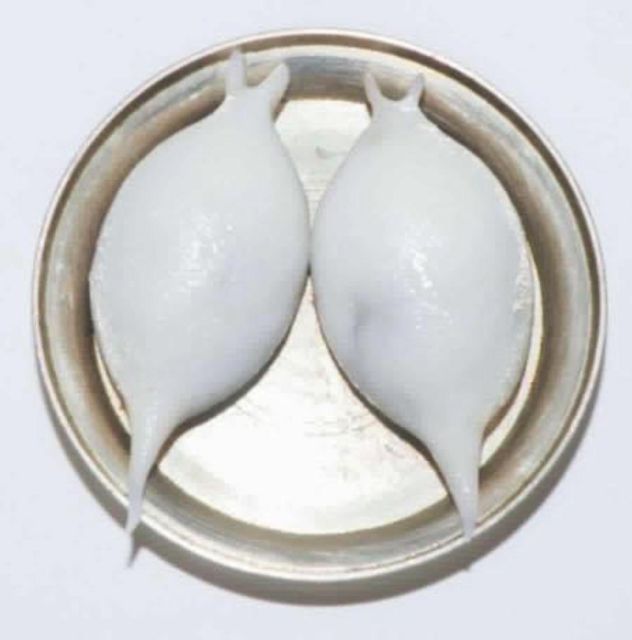
You’ll likely run into classics such as yomari, a sweet steamed dumpling filled with molasses and sesame seeds. You also get samay baji style flavors, often described as a ceremonial platter built around beaten rice, spiced buffalo meat, and a range of pickles. Even if you’ve never ordered these before, the guide’s framing makes it easier to taste with confidence instead of guessing.
What I appreciate here: the tour doesn’t just throw food at you. It gives you enough context to understand why things taste the way they do, especially the balance between sweet elements, savory components, and pickles.
Street snacks you can recognize fast: momo and chatamari
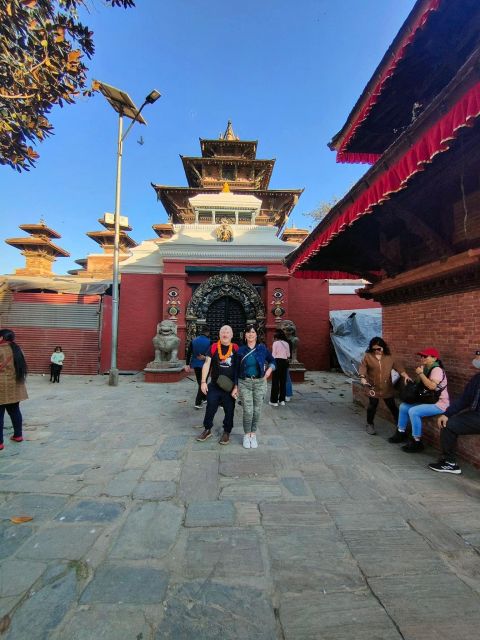
Kathmandu street food is where people quickly feel the city’s mix of influences. On this crawl, you’ll see that in dishes like momo, the dumplings you’ll find in many variations. It’s a familiar category, but the point of the tour is that you taste versions around the local market scene, not only the most generic options.
Another standout is chatamari, often described as Newari pizza. It’s the kind of dish that sounds simple until you try it and realize it’s a whole street-food meal, built for flavor and handheld convenience. This is also where you’ll start to understand the tour’s pace: short stops, quick explanations, and then right back to the walk.
If you like learning with your food, this section hits well. If you hate spicy foods, you’ll want to mention it early, since market snacks often arrive with chili-forward sauces or sides.
Laphing and lassi: the cold, spicy moment
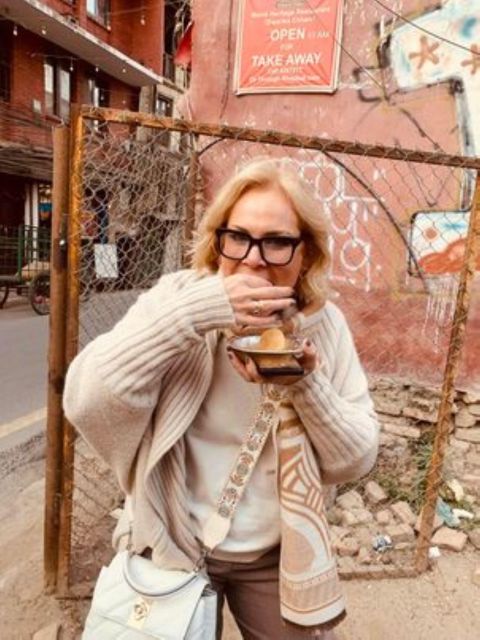
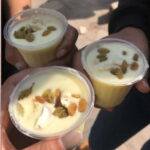
Not every Kathmandu food tour takes you into cold noodle territory. Here, laphing is a key tasting: a cold, spicy mung bean noodle dish that locals recognize fast. It’s a change of pace from warm dumplings and breads, so it helps break up the meal and keeps the experience from feeling repetitive.
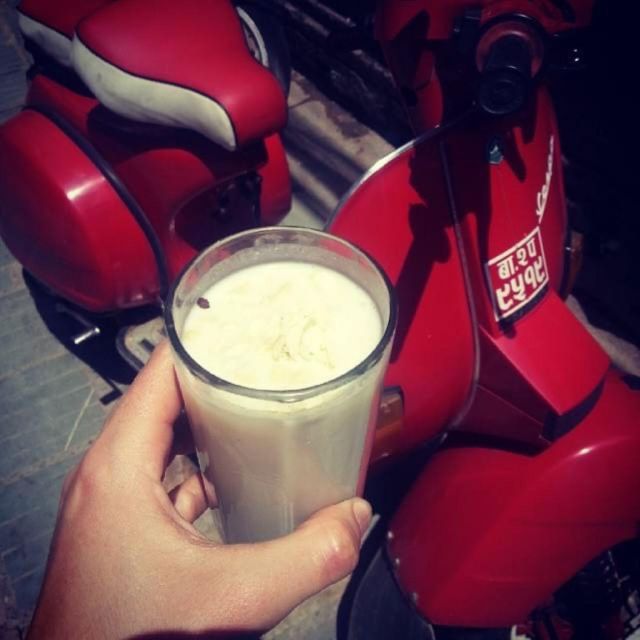
You’ll also run into drinks like lassi as part of the tasting mix. Lassi is a great reset when you’ve had spicy bites back-to-back. The drink portion matters because it’s not just a beverage add-on; it helps you keep sampling comfortably for the full 2 hours.
You can also read our reviews of more tours and experiences in Kathmandu
Exploring crafts and traditions while you eat
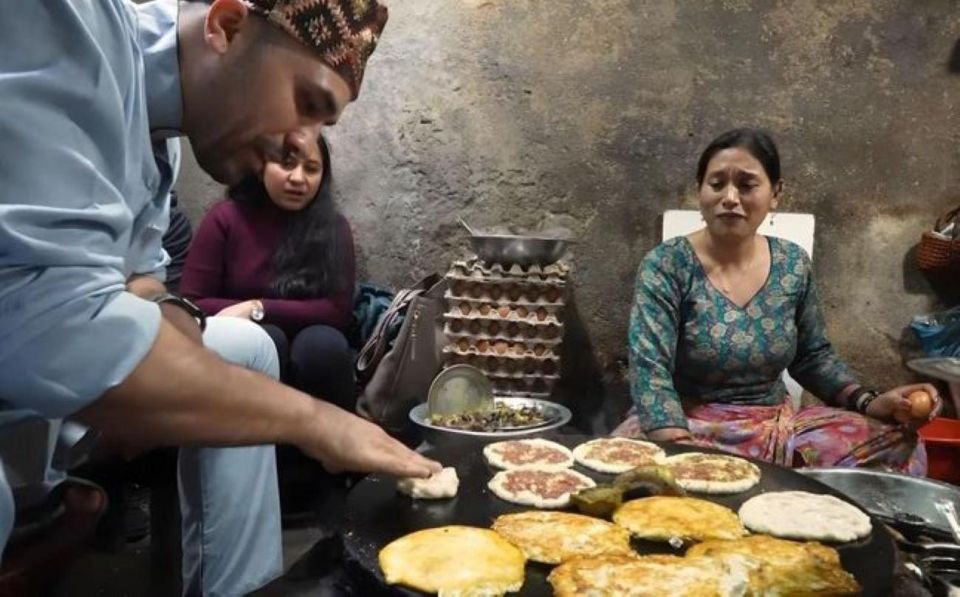
The market isn’t only about food. One of the big themes of this tour is Newar crafts and traditions, plus how other local cultures show up in the area’s daily life. As you move through stalls and lanes, you’re not just sampling dishes. You’re noticing the “why” behind what’s being sold: everyday routines, cultural signals, and the practical side of local market culture.
This part is also why I’d book this tour even if you think you already know what you like. The walk gives you a way to connect the flavors to the people around them. You end up with more than full hands and full stomachs—you get a better read on the city’s everyday texture.
How much you’ll eat in 2 hours (and why that’s good value)
This is a minimum 5 items with drinks kind of tour, and the way it’s structured means you’ll likely leave feeling properly fed. Many people mention being surprised by how plentiful it is, and the logic makes sense: the guide wants you to sample enough variety to feel Kathmandu’s food range, not just do a quick “taste test.”
The value angle is straightforward. At $28 per person for a 2-hour guided walk that includes taxes and food/drinks, you’re paying for two things at once: a local guide who knows where to eat and the actual tastings that would cost you time and money on your own. You also skip the biggest headache of market food: choosing places confidently without a local at your side.
One practical note: because you’re eating multiple items close together, plan this for a time when you don’t need to sprint to another major activity right after.
Meet the guide: Santosh’s style of storytelling and selection
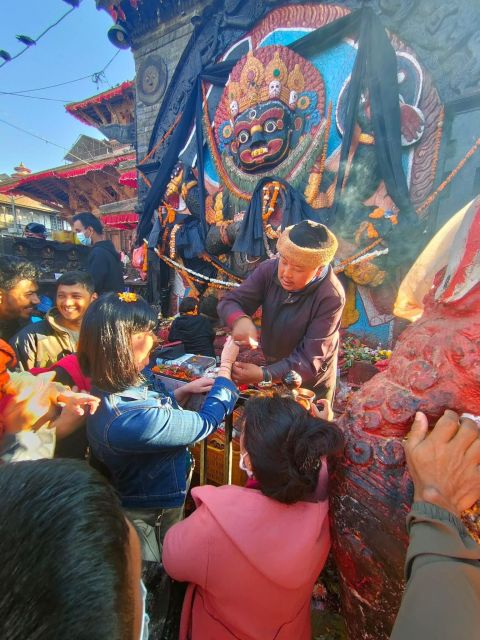
A big part of why this experience earns strong marks is the guide. Names like Santosh come up again and again, and the pattern is consistent: friendly, easy to talk with, and able to explain what you’re eating in a way that makes the food stick.
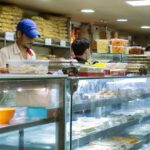
What I think is most useful is the guide’s selection approach. Instead of randomly stopping where the crowd is biggest, you get taken to local-style food vendors and stalls people would struggle to find alone. That matters because the best market experiences aren’t always the loudest ones.
What can go slightly wrong: crowds, spice, and pacing
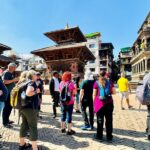
Even well-run market tours have a few “be real” considerations. Markets can be crowded and noisy, and you’ll be walking through active commercial areas. If you dislike tight spaces or strong smells, you might want to mentally prepare for that.
Spice is another factor. Dishes like laphing are explicitly described as cold and spicy, and many street snacks in Kathmandu come with chili-heavy flavors. If you have a low spice tolerance, tell the guide right at the start so your tastings can match your comfort.
Finally, pacing can vary depending on group flow. One mention in the info you provided is that the tour can feel a bit fast at times. If you like slow, sit-down eating, this may feel like a “many bites, quick explanations” style rather than a long tasting session.
Who should book this food crawl
This tour fits you well if you want:
- A short, high-impact start in Kathmandu where food becomes your orientation tool
- Newari cuisine in a guided format, including dishes like yomari and samay baji style flavors
- A market walk that mixes craft and culture with real eating
- A guide who can answer questions about food and local life, not only dish names
It’s less ideal if:
- You want a quiet, slow-paced sightseeing stroll
- You have strong restrictions around spicy food and need very controlled meals
- You’re on a tight schedule that can’t handle being “full for the rest of the day”
Practical tips before you go
Keep it simple and you’ll have a smoother time.
- Eat lightly beforehand so you can enjoy the tastings without feeling sick.
- Wear comfortable shoes. Market lanes are uneven and crowded.
- If spice is a problem, say so early, then ask for what’s milder.
- Bring a curious mindset. The best part is the explanations that make the flavors land.
Final call: should you book this tour?
Yes, I’d book it if you want a 2-hour Kathmandu sampler that’s actually guided. For $28, you get food and drinks, guided context around Ason Bazar, and a cultural walk focused on Newari and street-food dishes you’re unlikely to confidently find on your own. The only real reason to skip is if you hate spicy flavors, dislike crowd energy, or need a slow-food pace.
If you’re arriving in Kathmandu and want to get your bearings fast through taste, this is one of the better ways to do it.
FAQ
Where is the meeting point for the tour?
The meeting point is at the main gate of Chhaya Devi Complex.
How long is the Kathmandu Secret Food Crawl & Local Market Tour?
The tour lasts 2 hours.
How much does the tour cost?
The price is $28 per person.
Is an English-speaking guide included?
Yes. The tour includes an experienced, helpful, friendly English-speaking tour guide.
What food and drinks are included?
All foods and beverages are included, with a minimum of 5 items and drinks.
Which market is the tour known for visiting?
The tour highlights the famous oldest local market Ason Bazar.
Are taxes included in the price?
Yes. Government taxes and official expenses are included.
What is the cancellation policy?
There is free cancellation up to 24 hours in advance for a full refund.
Is there an option to pay later?
Yes. You can reserve now and pay later, keeping travel plans flexible.