REVIEW · KATHMANDU
15-Day Private Annapurna Circuit Trek from Kathmandu
Book on Viator →Operated by Himalaya Guide Nepal · Bookable on Viator
If you want a Himalayan trek with real people behind it, this fits. This 15-day private Annapurna Circuit runs with a family-team feel and even includes Nepali language teaching, plus the big-picture logistics that keep you from chasing details all day. You also get pickup and door-to-trail transport, so your first trekking days start with less stress than most.
I especially like two things: first, the trek package is built around fewer unknowns, with permits (ACAP and TIMS) and guiding support included. Second, the day structure keeps you moving through the Marsyangdi corridor, then gives you the breathing room in Manang before Thorong La (5,416m) work begins.
One possible drawback: it’s a long 15-day itinerary with lodge-style stays and a high pass crossing. If you hate cold mornings or you’re not ready for long hiking days, you’ll want to think hard about whether this pace matches you.
In This Review
- Quick hits before you commit
- A family-team trek that teaches more than trail facts
- Price and what you’re really buying at $995
- Private tour logistics: pickup, timing, and meeting point
- Lodges, meals, and what “normal lodge” really means
- Day 1: Kathmandu to Lamjung/Bulbule first climbs
- Day 2: Ghermu village trek and riverside rhythm
- Day 3: Chamje crossing bridges and steep cliff travel
- Day 4: Chame and the Marshyangdi gorge feel
- Days 5–6: Manang territory and acclimatization time begins
- Day 7: A real acclimatization day in Manang
- Day 8: Leaving the Marshyangdi valley for Jar Sang Khola
- Days 9–10: Durali tea stop and the Thorong La crossing plan
- Day 11: Muktinath connections and options involving Jomsom
- Day 12: Shikha hot spring day and Kaligandaki crossing
- Day 13: Ghorepani via Magar villages and rhododendron/pine forest
- Day 14: Poon Hill sunrise to Pokhara lakeside
- Day 15: Pokhara to Kathmandu and a farewell meal
- What stands out in the guide experience (based on the names people share)
- Who should book this Annapurna Circuit trek
- Should you book Himalaya Guide Nepal’s private Annapurna Circuit?
- FAQ
- What is the duration of this Annapurna Circuit trek?
- Where does the tour start in Kathmandu?
- What time does the tour start?
- Is airport pickup and drop included?
- What trekking permits are included?
- Are meals included during the trek?
- Is lodging included?
- Do I need travel insurance?
- Can I add a porter?
- Is there free cancellation?
Quick hits before you commit
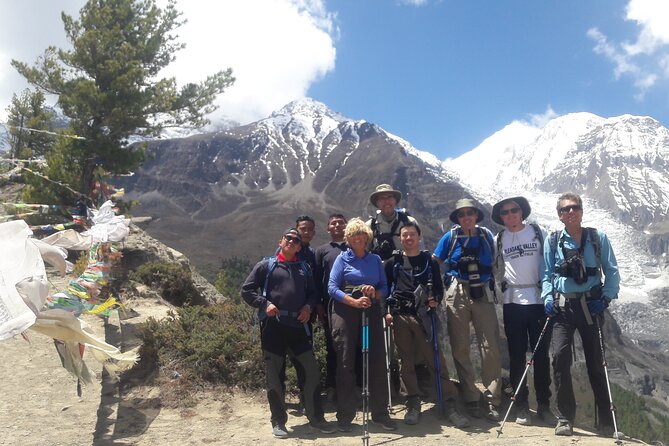
- Family-run vibe + Nepali language teaching that turns logistics into a more personal trip
- ACAP permit and TIMS card included, so you don’t scramble paperwork
- Manang acclimatization built in, including time to explore locally
- Thorong La crossing with a clear day plan, not just random trekking blocks
- Finish in Pokhara with Poon Hill sunrise, then a comfortable return to Kathmandu
- Private group only, so your guide can adjust pacing and attention
A family-team trek that teaches more than trail facts
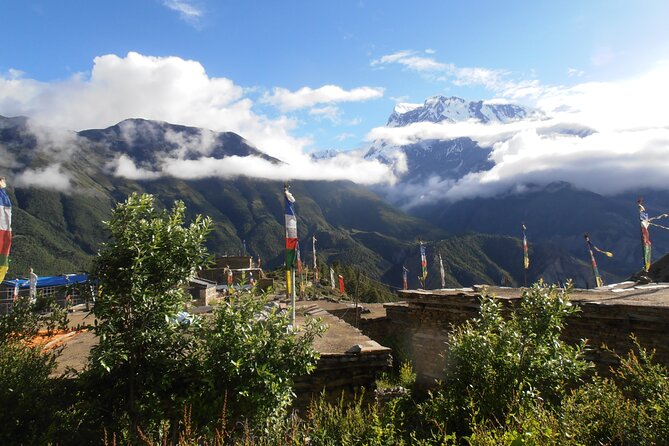
This Annapurna Circuit is designed like a homey operation, not a factory line. The company runs with a family team, and that matters on a trek where little problems pop up fast: confusing schedules, communication gaps, or simple things like confirming where to meet your transport.
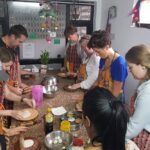
One standout element is that they teach basic Nepali language during the trip. You’re still trekking in the mountains, but small language help changes how you move through villages and chat with locals at tea houses. It also tends to make the journey feel less like you’re just passing through.
You can see the human side in the names tied to past trips. Guides mentioned include Pratap, Dinesh, Binoot/Binute, Salman, and Bashudev. People specifically praised guides for being responsible, friendly, caring, cheerful, and focused on safety. Even if you don’t get the exact same guide, that pattern is a useful signal.
You can also read our reviews of more private tours in Kathmandu
Price and what you’re really buying at $995
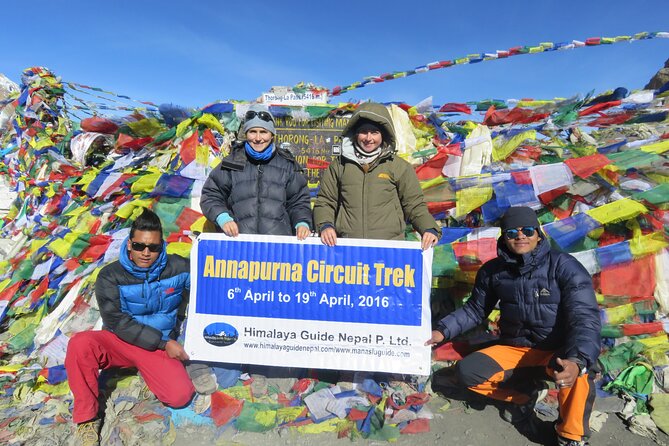
The listed price is $995 per person. On paper, that’s not “cheap,” but on Annapurna Circuit days, it’s what you avoid paying out-of-pocket that makes the math feel fair.
Here’s what’s included:
- International airport pickup and drop (airport to hotel to airport)
- Transport chunks: bus to Bulbule, public transportation for Muktinath to Tatopani, and car from Nayapul to Pokhara
- A deluxe tourist bus from Pokhara to Kathmandu
- Lodge accommodation on the trek (normal lodges)
- An experienced guide with salary, equipment, insurance, and transport/lodging/food handled
- Legal permits: ACAP permit and TIMS card
- Trek meals: breakfast (15), lunch (15), dinner (15)
- A farewell lunch or dinner and a token of love
What’s not included:
- Extra nights and food in Kathmandu and Pokhara
- Travel insurance
- Porter (optional, can be organized)
- Drinks like Coke, mineral water, beer
- Personal costs (laundry, calls, charging, boiled water, showers)
For most people, the big value is the combination: permits + a guide who’s carrying the logistics load + most meals + core transport. That can save you time and avoid last-minute costs when you’re already tired.
Private tour logistics: pickup, timing, and meeting point
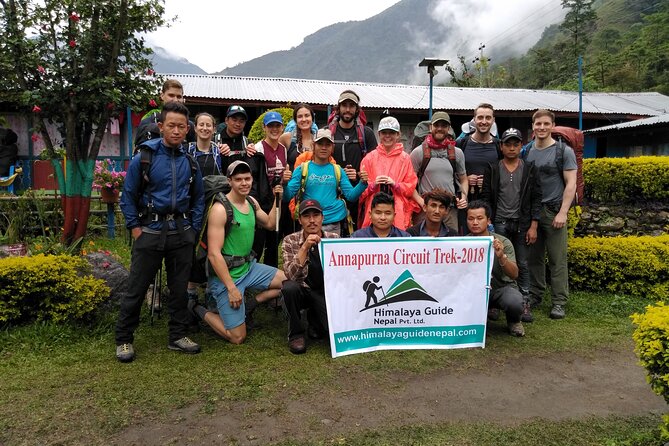
You start at Tribhuvan Airport in Kathmandu, with a listed start time of 10:15am. The plan includes an airport pickup and drop tied to your Kathmandu hotel.
This is a private tour/activity, meaning only your group participates. That can matter on a trek like this where you may want to adjust the pace, ask more questions, or handle energy differences without blending into a mixed group.
Also note the trek is designed around public/vehicle transfers for key links. You’re not just hiking straight through every mile. The tradeoff is you’ll have some scheduled travel days, but you also avoid the “always moving” fatigue that wrecks people by day 10.
Lodges, meals, and what “normal lodge” really means
The package includes lodge accommodation on the trek and all breakfast/lunch/dinner for 15 days. Lodges on the Annapurna Circuit are usually basic. You should expect simple rooms and shared dining areas rather than comfort-hotel standards.
The upside is that meals are covered, so you’re not constantly making budget decisions at altitude. The downside is what you might already expect: you’ll pay extra for drinks, and “personal extras” (like hot showers, charging, or boiled water) can add up fast if you rely on them daily.
If you like a slow morning with plenty of food choices, plan to build your flexibility early. Tea houses vary a lot, and on a long circuit, you want to eat enough to keep your hike steady.
Day 1: Kathmandu to Lamjung/Bulbule first climbs
Day 1 is all about switching from city time to trekking time. You travel from Kathmandu toward the Lamjung area by local bus, heading to Besisahar–Bulbule (about 6–7 hours drive). The route runs along the highway with views of the Trisuli River corridor, and you cross the Trisuli in Muglin before following the next stretch.
Why this day matters: it’s your adjustment. Even if you don’t feel tired yet, your body is learning the idea of mountain pacing. It also sets up a more calm start than flying, then trying to hike immediately.
Potential drawback: a long drive means you should keep your travel-day planning realistic. Bring layers for the bus and keep a snack approach ready, even though meals later on are included.
You can also read our reviews of more hiking tours in Kathmandu
Day 2: Ghermu village trek and riverside rhythm
Day 2 starts with trekking through villages and roads, then pushes you toward the east bank of the Marshyangdi River. You’ll move toward Ngadi, uphill to a Brahmin settlement at 1270 meters, and aim for lunch there.
What you’ll like: this is early-stage trekking that helps you find your stride. Village days also make it easier to understand the Nepal rhythm on the circuit: short stretches, frequent breaks, and constant scenery changes.
Watch-outs: it’s still 12-hour trekking on the plan. If you’re the type who needs very slow starts, you’ll want to keep a steady pace from the beginning rather than banking on energy later.
Day 3: Chamje crossing bridges and steep cliff travel
Day 3 brings the classic circuit vibe: you trek out from Ghermu, down toward Syange, cross the Marshyangdi by suspension bridge, then climb steeply uphill and cross a cliff-face segment toward Chamje.
This is a good day for people who like variety. Bridges, river crossings, and steep trail segments are part of why the Annapurna Circuit feels like a real adventure instead of a monotone trek.
Possible consideration: suspension bridges are often narrow and windy. If you’re nervous on bridges, give yourself extra time at crossing points and keep your focus forward.
Day 4: Chame and the Marshyangdi gorge feel
On Day 4, you cross back toward the Karte/Dharapani/Bagarchhap sequence and reach Danque (2300m) marked by a stone entrance Chorten. You’re still in that Marshyangdi corridor pattern: rock, river, and trail geometry.
This stretch tends to reward good pacing. You’ll feel the climb work without yet being at the toughest altitude sections.
Practical note: the plan includes long trekking time (12 hours), so treat today as “energy management” rather than “go hard and hope for the best.”
Days 5–6: Manang territory and acclimatization time begins
Day 5 heads toward Manang, running through dense forest and narrow valley terrain, with a dramatic elevated feeling as you reach the 3038 meters area where a curved rock face rises 1500 meters from the river.
Day 6 continues and offers different options if you spent the night in lower Pisang. The described approach includes trails that follow the Marshyangdi Khola or cross it, then rejoin near Mungji. Either way, you’re pushing deeper into the Manang-region trekking routes.
Why this pair of days matters: it’s where your expectations shift. The air feels different, and the trail can feel more concentrated. Even though lodging is included, you’re now in the zone where acclimatization choices matter.
Day 7: A real acclimatization day in Manang
Day 7 is explicitly an acclimatization day in Manang before you push toward Thorong La (5416m). The plan even calls out an optional explore, including a 100 rupees donation to a Lama (Monk) if you visit.
This is one of the best choices in the whole schedule: rather than forcing a straight line to altitude, you get a day to let your body adjust. That tends to make later days feel less like a shock.
If you like quiet exploration, this is also where you can ask your guide questions and get guidance on how to handle the pass day.
Day 8: Leaving the Marshyangdi valley for Jar Sang Khola
Day 8 treks uphill to Tanki village from Manang and gradually leaves the Marshyangdi valley, heading along the Jar Sang Khola valley northward. You pass pastures and forest/terrain changes and continue toward the day’s next stop.
Why it works: you’re moving from the more settled river corridor into the higher, more open trekking world. It also starts building mental momentum for the Thorong La approach.
Practical consideration: long high-day effort means you should keep your packing organized. At this point in the trek, you want quick access to what you need while you’re already tired.
Days 9–10: Durali tea stop and the Thorong La crossing plan
Day 9 moves you to the last camp before crossing the pass, with yak grazing ground segments and a descent toward Jarsang Khola, crossing it, then going up to Durali Tea shop for a rest.
Then Day 10 is the morning push. The plan highlights Phedi and explains the meaning as “Food of the Hill,” and frames today as the long day after the hard work. It also notes you start early due to the crossing demands.
This is the part where you should be most deliberate. At 5,416m, your body needs time and steady effort. A well-managed schedule helps here: early start, purposeful pacing, and no last-minute guesswork.
Day 11: Muktinath connections and options involving Jomsom
After the pass and related segments, Day 11 is where the plan becomes flexible. It mentions routes from Muktinath to Tatopani or Pokhara, and describes optional options including taking a short route flight from Jomsom to Pokhara, while walking the Tatopani route takes longer (via places like Marpha, Ghasa, and Tatopa).
What this means for you: you can tailor the remaining pace and energy. If you’ve already spent your legs on the pass and early descent, having options can save your trip from feeling like punishment.
Consideration: flight-based options depend on schedules and weather, so treat them as an “if conditions allow” kind of choice.
Day 12: Shikha hot spring day and Kaligandaki crossing
Day 12 includes a day at hot springs, then a trek down before crossing a suspension bridge over the Kaligandaki River. You follow Burung Khola for a while and reach a junction area for the day’s stop.
This is a smart recovery day. You still walk, but the hot springs are a nice reward for the altitude grind.
Practical note: hot springs are great, but your body may be stiff. Keep the pace gentle in the first part of the afternoon so you don’t overdo it before the next trekking blocks.
Day 13: Ghorepani via Magar villages and rhododendron/pine forest
Day 13 heads toward Ghorepani, walking through Magar villages such as Phalate and Chitre, then terraced fields, and into dense rhododendron and pine forest. The plan describes it as quite hard, so this isn’t a lazy skip day.
Why you might like it: this day blends cultural village life with forest trekking. You get a different feel than the earlier river corridor days.
Consideration: since it’s marked as hard, pack for steady energy and don’t assume you’ll bounce back just because Day 12 felt like recovery.
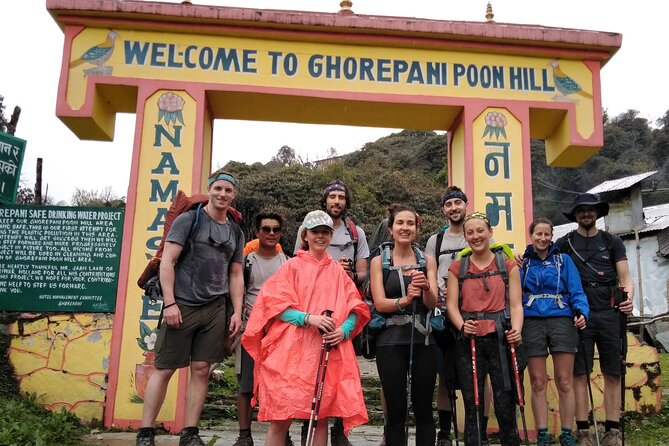
Day 14: Poon Hill sunrise to Pokhara lakeside
Day 14 is an early wake-up hike to Poon Hill (3,210m) for sunrise, with views listed including Dhaulagiri, Tukuche Peak, Nilgiri, Annapurna South, Himchuli, plus other peaks between. After that, you trek down toward Pokhara Lakeside.
This is a classic circuit finale for a reason. It’s the high pay-off moment: sunrise views, then a smooth transition away from altitude living.
What you should think about: sunrise mornings can be chilly, and your body might still be recovering from the previous day. Plan your clothing in layers and keep your breakfast timing realistic.
Day 15: Pokhara to Kathmandu and a farewell meal
Day 15 returns you to Kathmandu from Pokhara using different services like a tourist bus. The plan also includes a farewell dinner that night, giving the trip a natural closing point.
Value here: it saves you from planning last-day transport while you’re tired and emotionally ready to move on.
If you want a clean finish, this works well.
What stands out in the guide experience (based on the names people share)
One reason this trip earns strong ratings is the human support. In feedback, the guide names that come up include Pratap, Dinesh, Binoot/Binute, Salman, and Bashudev, and the consistent themes are:
- responsible, safety-first guidance
- friendly, caring attitudes
- solid knowledge and calm problem-solving
- upbeat energy, including humor and cheerfulness
That doesn’t mean every day is easy. A pass day is still a pass day. But it does mean you’re more likely to feel guided rather than just escorted.
I also like that communication is set up with clear contact, with Chandra mentioned as a key contact through WhatsApp. On treks, communication speed matters because small changes happen.
Who should book this Annapurna Circuit trek
This trek fits you if:
- you want a private group experience with consistent guiding
- you prefer fewer logistics headaches, with permits and most meals included
- you’re comfortable with a long mountain schedule and lodge-style stays
- you value the cultural angle of learning basic Nepali
It may not fit you as well if:
- you dislike long hikes and want shorter days
- you strongly rely on paying for drinks and extras every day and don’t want that cost
- you’re hoping for a purely “luxury lodge” standard
Should you book Himalaya Guide Nepal’s private Annapurna Circuit?
If you want an Annapurna Circuit that feels organized, human, and well supported, I’d lean yes. The $995 price makes more sense when you look at what’s included: ACAP/TIMS permits, a full guide package, lodge meals for 15 days, and multiple transport legs that can otherwise eat your time and energy.
The biggest call you need to make is fitness and comfort with altitude and long trekking days. If you’re ready for that, the Manang acclimatization day and the structured Thorong La plan help you move into the harder parts with a clearer head.
FAQ
What is the duration of this Annapurna Circuit trek?
It runs for about 15 days.
Where does the tour start in Kathmandu?
The meeting point is Tribhuvan Airport in Kathmandu, Nepal.
What time does the tour start?
The start time is listed as 10:15am.
Is airport pickup and drop included?
Yes. The package includes international airport pickup and drop service (airport to hotel to airport).
What trekking permits are included?
Legal documents included are the ACAP permit and TIMS card.
Are meals included during the trek?
Yes. Breakfast, lunch, and dinner are included for 15 days.
Is lodging included?
Yes. You get lodge accommodation on the trek (normal lodges).
Do I need travel insurance?
Travel insurance is not included, so you’ll need to arrange it separately.
Can I add a porter?
A porter is not included by default, but the company says they are happy to organize one per request.
Is there free cancellation?
Yes. You can cancel up to 24 hours in advance for a full refund, and changes within 24 hours aren’t accepted.