REVIEW · KATHMANDU
Private Tour of 4 UNESCO Heritage Sites in Kathmandu by Car
Book on Viator →Operated by Saara Tourism Nepal-Kathmandu · Bookable on Viator
Kathmandu can feel like a lot. This tour turns it into a focused UNESCO checklist on a calm private car route. You’re not fighting for seats or negotiating with taxis. You get a plan that’s built around finishing strong, even if you only have a short stay.
I especially like the way the schedule stays tight: you hit Boudhanath, Swayambhunath, Pashupatinath, and Kathmandu Durbar Square without wasting time figuring out transit. Another big plus is that admission for each stop is included, so you can spend your brain power on the sights instead of tickets and lines. One thing to consider: the tour is customizable, but you’ll want to confirm how many sites you want and what happens if you’ve already seen one, since a mismatch can derail expectations.
In This Review
- Key Highlights Worth Prioritizing
- A Simple Route Through Kathmandu’s UNESCO Power Centers
- Private Car Logistics: Pickup, Timing, and Staying Sane
- Stop 1: Boudhanath Stupa and Why This Buddhist Landmark Hits Hard
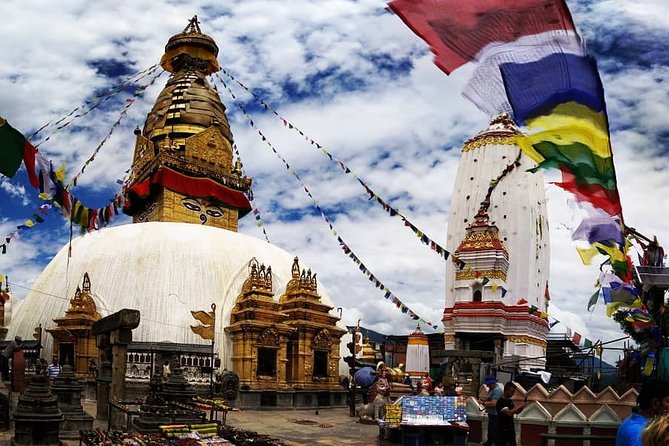
- Stop 2: Swayambhunath (Monkey Temple) With a Hilltop Perspective
- Stop 3: Pashupatinath Temple and the Power of a Sacred Pilgrimage Site
- Stop 4: Kathmandu Durbar Square for Ancient City-Center Atmosphere
- Price and Value: What $150 Gets You for Four UNESCO Stops
- Who This Tour Suits Best in Kathmandu
- Should You Book This Private 4 UNESCO Sites by Car Tour?
- FAQ
- Which UNESCO Heritage sites are included in this tour?
- How long is the Kathmandu Valley private tour by car?
- Is pickup included?
- Are admission tickets included?
- What’s included in the tour price?
- Is this tour private?
- Can I cancel and get a full refund?
Key Highlights Worth Prioritizing
- Comfort-first transport: private vehicle for a 4–5 hour circuit, with pickup offered
- Four UNESCO landmarks in one run: Boudhanath, Swayambhunath, Pashupatinath, and Kathmandu Durbar Square
- Admission tickets included: helps you keep momentum and avoid extra stop-and-go
- Driver as guide: an experienced driver guides you and helps explain what you’re seeing
- Short-stay friendly timing: each stop is given a realistic window
- Private for your group: no mixing with strangers
A Simple Route Through Kathmandu’s UNESCO Power Centers
This is a half-day style tour built for people who want maximum cultural payoff with minimum hassle. Kathmandu Valley UNESCO sites can be spread out, and that’s where solo sightseeing gets annoying fast. With this setup, you get a car and a clear order of stops, so you spend less time coordinating and more time noticing details.
What makes the plan work is that the sites cover distinct sides of Kathmandu’s spiritual identity. You’re moving through major Buddhist landmarks (Boudhanath and Swayambhunath), then shifting to a key Hindu pilgrimage site (Pashupatinath), and ending with the historic urban heart (Kathmandu Durbar Square). That mix helps you build a clearer mental map of the city instead of treating each stop like a standalone photo-op.
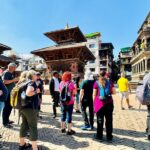
The tour also leans into the “small group feel,” even though it’s described as a private tour for your group only. That matters in places where sound, crowds, and quick turns can make explanations hard to follow. With an experienced driver acting as your guide, you can ask questions and keep going at a pace that fits your own attention span.
You can also read our reviews of more private tours in Kathmandu
Private Car Logistics: Pickup, Timing, and Staying Sane
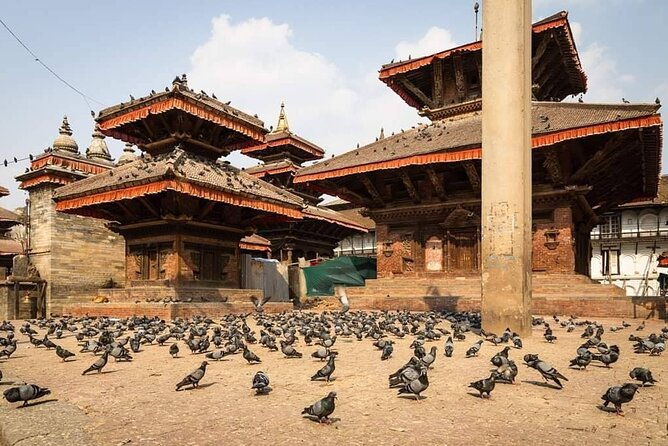
The biggest practical win is the private transportation. You avoid taxi bargaining, bus navigation, and the constant “where do we go next” stress. Pickup is offered, which is a small detail that can make a big difference on a day when you only have 4–5 hours total.
Here’s how to think about the timing. Each of the four stops is given about an hour to an hour and a half. That means you’re not trying to do deep research at every site. Instead, you’re getting a high-impact orientation: enough time to understand what makes each place important, enough time to see the main structures, and enough buffer to handle the real-world pace of walking and entering.
Also, the tour includes bottled water, which is quietly useful in Kathmandu. It’s not glamorous, but it helps keep the day comfortable so you’re not cutting your visit short because you’re thirsty.
One more detail that helps: you get a mobile ticket. For a short tour day, that can cut down friction. Less time spent on check-in and more time looking up at monuments.
Stop 1: Boudhanath Stupa and Why This Buddhist Landmark Hits Hard
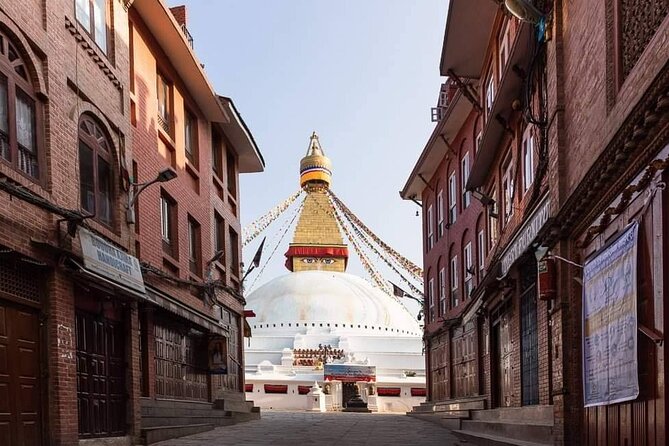
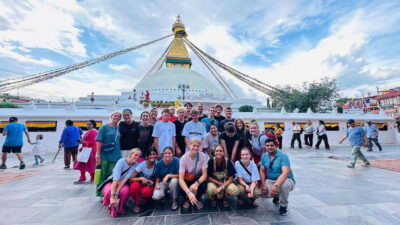
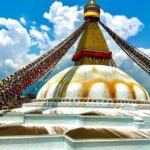
The tour begins at Boudhanath Stupa, described as the biggest Buddhist stupa. That’s your first clue about what kind of experience you’re getting: you’re stepping into one of Kathmandu Valley’s most recognizable Buddhist centers, not a small neighborhood shrine.
You have about 1 hour here, and that’s a good length for the first site of the day. It gives you time to take in the scale, notice how people move around the stupa, and get a sense of how the stupa functions as a focal point for devotion. Even if you don’t know every term your guide explains, you’ll still come away with a clearer understanding of why Boudhanath matters to Buddhist visitors.
A practical note: because this is one of the best-known sites, crowds can be part of the experience. The private format helps, though. When you aren’t sharing a car with others or stuck with a fixed group rhythm, you can manage your time inside the site better.
What I like about starting here is the “anchor effect.” After Boudhanath, the rest of the itinerary feels easier to place in context—especially when you move from this flat ceremonial center to the hilltop approach at Swayambhunath.
Stop 2: Swayambhunath (Monkey Temple) With a Hilltop Perspective
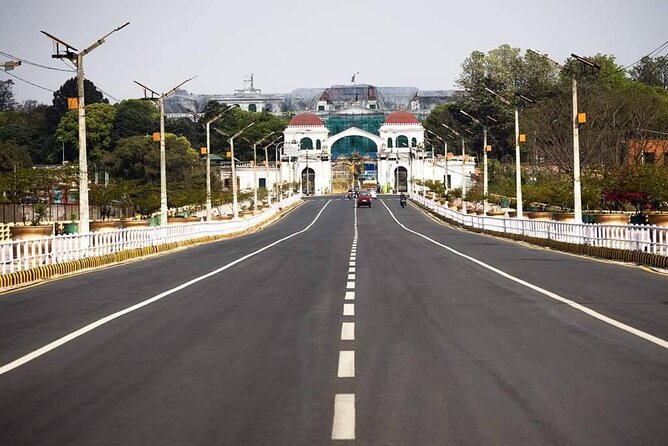
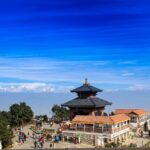
Next comes Swayambhunath, also called the Hill top Stupa or Monkey Temple. This stop is scheduled for about 1 hour 30 minutes, which signals that Swayambhunath is more than a quick stop. You get time for the ascent and time for the views, plus time to connect the symbolic meaning of the stupa to the dramatic setting it occupies.
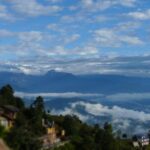
The hilltop location changes how you experience it. From down in the valley, Kathmandu can look like a dense patchwork. From Swayambhunath, you get a different geometry: rooftops, streets, and the way the city spreads out. That’s valuable, because many first-time visitors only ever see Kathmandu from street level.
Also, since this is labeled the Monkey Temple, expect that wildlife has a role in the atmosphere. Keep your eyes open, but stay practical. If you’re carrying anything loose, keep it secured. It’s one of those real-life details that can affect your comfort more than you’d think.
I appreciate that the itinerary gives you longer here than at some other stops. That extra time makes it easier to enjoy the hilltop experience without rushing through the climb, and without turning the site into a “stand here, take a picture, leave” routine.
Stop 3: Pashupatinath Temple and the Power of a Sacred Pilgrimage Site
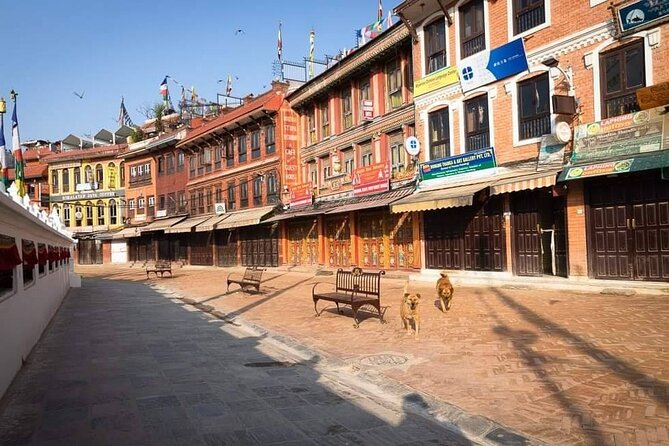
Then you go to Pashupatinath Temple, described as the Lord Shiva biggest temple in Kathmandu. This is the Hindu anchor in the day, and it comes after two major Buddhist sites. That order makes sense: you’re already warmed up on sacred architecture and ritual spaces, so the shift feels like a story, not a jump to an entirely different world.
You’re allotted about 1 hour. With that timeframe, the goal is orientation. You’ll be able to see the key elements that make Pashupatinath a major destination, and you’ll have time for your guide to explain what you’re seeing in a way that doesn’t demand you read a guidebook cover to cover.
Because this is a major temple, your pace inside will depend on what’s happening there at the time you arrive. The private format helps here too. You can ask for clarity, get the story behind what you’re observing, and still keep the schedule moving so you don’t end up behind on the rest of your half-day.
One thing to consider in advance: sacred sites often come with rules on behavior and dress that you’ll need to follow. The tour doesn’t list specifics, so the best approach is simple—follow what your guide and the site staff indicate, and you’ll be fine.
You can also read our reviews of more historical tours in Kathmandu
Stop 4: Kathmandu Durbar Square for Ancient City-Center Atmosphere
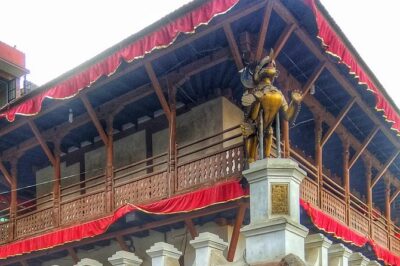
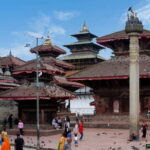
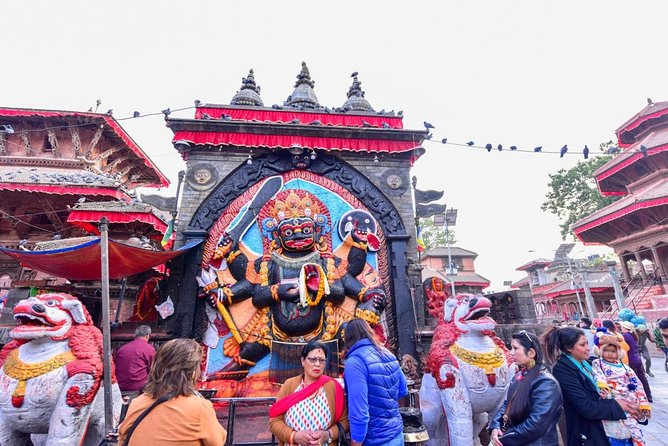
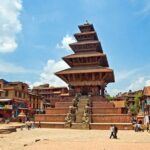
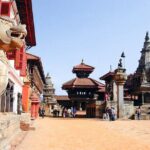
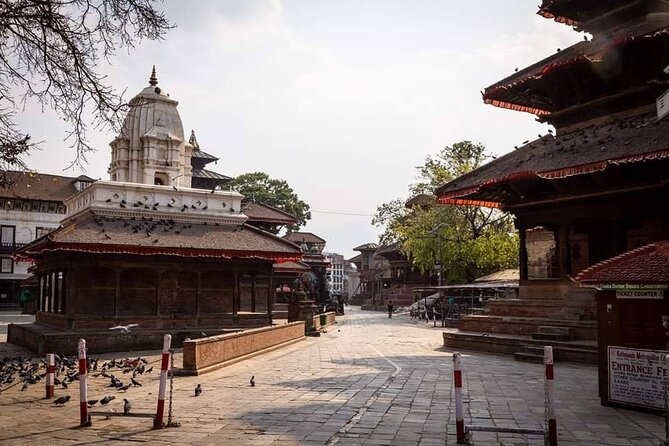
To wrap up, you visit Kathmandu Durbar Square, described as an ancient famous palace in Kathmandu Valley. You get about 1 hour here, which works well as a final stop because it brings the day back from religion-as-site to history-as-city.
Durbar Square is the kind of place where you start noticing architecture as a language. Even without deep technical knowledge, you can see how structures relate to each other and how the square functions as a cultural center. Ending here can help you remember the day as more than a checklist. It turns the itinerary into a sense of place: spiritual landmarks plus the historic heart of Kathmandu Valley.
If you’re the type who likes to connect monuments to daily life, Durbar Square usually delivers. It’s also easier to absorb at the end of a tour day, when you’re already in “sightseeing mode” and your brain is ready to pattern-match.
Just keep in mind that final stops can feel faster if you’re tired. The private car and tight schedule help prevent that. You won’t be stuck searching for your way back across the city.
Price and Value: What $150 Gets You for Four UNESCO Stops
The tour price is $150.00 per person, with an approximate total duration of 4 to 5 hours. On the surface, that’s not cheap, but value isn’t just about cost. It’s about what you avoid: wasted transit time, ticket hassles, and the stress of managing a complex circuit on your own.
Here’s what you get that supports the value claim:
- Private transportation (less time lost, more time on-site)
- Pickup offered (often a big convenience win in Kathmandu)
- Admission tickets included for all four stops
- Bottled water
- Experienced driver as a guide
- Mobile ticket
The admission-ticket inclusion is a meaningful part of the deal because it removes a layer of friction. When your day is only half-day length, tiny delays add up. Having tickets handled means you can stay focused on the actual UNESCO sites.
There’s also a note about group discounts. That suggests you may be able to reduce the per-person cost when booking with others, so if you’re traveling with friends or family, this can become even better value.
Possible drawback on value: because the tour is private and guide-in-one, you need to make your preferences clear at booking. The negative experience in the feedback mentions something about expectations when one site was already visited and the tour was meant to be customized to fewer stops. Translation: double-check customization details so you don’t end up paying for an itinerary that doesn’t match your needs.
Who This Tour Suits Best in Kathmandu
This tour fits you best if you want a clear, efficient UNESCO tour without turning your day into logistics. It’s particularly good for:
- First-time visitors who want a broad overview of Kathmandu Valley
- People short on time who still want the big names: Boudhanath, Swayambhunath, Pashupatinath, Durbar Square
- Travelers who prefer asking questions in a quieter, private setting rather than competing with a loud group
It’s also a strong match if you like structure. The itinerary is designed around realistic site windows, and you’re not expected to sprint between far-off landmarks.
If you already visited one of the sites before, customization may be possible, but make it explicit. The tour description says it’s customizable, and the feedback includes a cautionary story about a mismatch. So treat your “already seen” info as something to confirm carefully in writing.
Should You Book This Private 4 UNESCO Sites by Car Tour?
I’d book it if your priority is a stress-free route connecting four UNESCO highlights in one half-day, with admission tickets included and private transportation doing the heavy lifting. It’s also a good call if you want a guide you can actually talk with, since the day is built around a driver who guides you through the sites.
Don’t book it on autopilot if you have specific constraints like fewer stops or you’ve already visited one of the listed landmarks. Confirm exactly how customization will work. If you do that, the tour has strong potential to feel smooth, efficient, and worth the cost.
Finally, because it has a 4.5 rating from 22 reviews, it’s clearly landing well for many people. Just use the one lesson from the negative feedback: be precise early, so the day matches your expectations.
FAQ
Which UNESCO Heritage sites are included in this tour?
The tour includes four sites: Boudhanath Stupa, Swayambhunath, Pashupatinath Temple, and Kathmandu Durbar Square.
How long is the Kathmandu Valley private tour by car?
The tour lasts about 4 to 5 hours in total.
Is pickup included?
Pickup is offered.
Are admission tickets included?
Yes. Admission tickets are included for each stop.
What’s included in the tour price?
The tour includes bottled water, private transportation, and an experienced driver as a guide.
Is this tour private?
Yes. It’s a private tour/activity, so only your group participates.
Can I cancel and get a full refund?
Yes. You can cancel up to 24 hours in advance of the experience for a full refund.
If you tell me your travel dates and whether you want 3 stops or all 4, I can help you think through the best way to word those preferences before you book.