REVIEW · KATHMANDU
Full Day Ticket Access around Kathmandu Valley
Book on Viator →Operated by Bodhi Tree Tours Travel and Treks · Bookable on Viator
Monuments with meaning, packed into one day. This full-day Kathmandu Valley loop connects Buddhist and Hindu landmarks with an expert English guide and private transport. I love the clear explanations of Nepal’s culture and religions and the way the guide (Manish shows up in the standout feedback) keeps every stop moving; the one catch is that you still need to budget extra for monument entrance fees and there’s some hill-and-step walking.
Starting at 9:30 am, you’ll visit four major sites that each highlight a different side of the valley: hilltop Buddhism, Newar crafts in Patan, Tibetan devotion at Boudhanath, and the life-and-afterlife rituals at Pashupatinath by the Bagmati River. It’s a practical way to get your bearings fast, though traffic and good-weather timing can affect how smooth the day feels.
You’ll be on the go for about 7 hours. The day is designed for most travelers, and pickup is offered, so you’re not piecing together buses and taxis while you’re trying to see real Nepal.
In This Review
- Key points that make this Kathmandu Valley day worth it
- Price and what the $40 Kathmandu Valley visit really covers
- The 9:30 start and how to plan your day without stress
- Stop 1: Swayambhunath, the hilltop stupa, and the Monkey Temple view
- Stop 2: Patan Durbar Square and Newar craftsmanship near the Bagmati
- Stop 3: Boudhanath Stupa, kora, monks, and juniper incense
- Stop 4: Pashupatinath Temple and Nepal’s life-to-afterlife rituals
- Why the guide matters more than you think (especially with Manish-style storytelling)
- Transportation that keeps the loop efficient (private, not chaotic)
- Weather and what happens if conditions aren’t right
- Who this Kathmandu Valley day trip is best for
- Should you book this Kathmandu Valley full-day access ticket?
- FAQ
- What is the price for the full-day Kathmandu Valley experience?
- How long does the tour last?
- Where does the tour take place?
- What time does the tour start?
- Is pickup included?
- Is the tour ticket price the same as the monument entrance fees?
- What language is the guide available in?
- What is the cancellation policy?
- What happens if the weather is poor?
Key points that make this Kathmandu Valley day worth it
- Private transportation keeps the loop efficient between temples and squares
- English cultural guide plus clear context on Nepal’s traditions and beliefs
- Four flagship stops: Swayambhunath, Patan Durbar Square, Boudhanath, and Pashupatinath
- kora at Boudhanath lets you experience Tibetan spiritual rhythm on the move
- Admission fees aren’t fully included, so plan for about $20 per person on top of the tour price
- Good weather is required, with a change of date or full refund if weather ruins the plan
Price and what the $40 Kathmandu Valley visit really covers
At $40 per person, this is priced like a value-focused day. What you’re paying for isn’t just “entry to places,” it’s the package that makes it workable: private transportation and an in-person cultural guide in English.
Two important money notes. First, the tour includes entrance-ticket coverage for some stops (the plan lists free admission for each monument on the day). Second, the overall guidance says entrance fees are subject to be paid by you for monuments, with about $20 per person as the expected budget. In real life, that means you should show up ready to pay whatever the sites require that day, rather than assume everything is 100% free.
If you compare this to paying for transport and hiring a guide separately, the $40 starts looking fair fast—especially with a tight 7-hour schedule. The value is in efficiency and explanation, not in luxury.
You can also read our reviews of more tours and experiences in Kathmandu



The 9:30 start and how to plan your day without stress
The day begins at 9:30 am and runs for about 7 hours. That’s a good length for seeing the main highlights without pretending you can do Kathmandu Valley like a marathon.
Because you get pickup (and the tour notes you’re near public transportation), you’re less likely to lose time finding where to meet. Still, Kathmandu traffic can be unpredictable, so I’d treat the schedule as “guided flow” instead of exact clockwork.
To make the day feel smooth, bring what you’ll actually need for temple time: comfortable shoes for steps (especially at the hilltop site), water, and a light layer. You’ll also want small cash for any entrance fees that pop up, since the tour explicitly warns that those aren’t fully included.
Stop 1: Swayambhunath, the hilltop stupa, and the Monkey Temple view
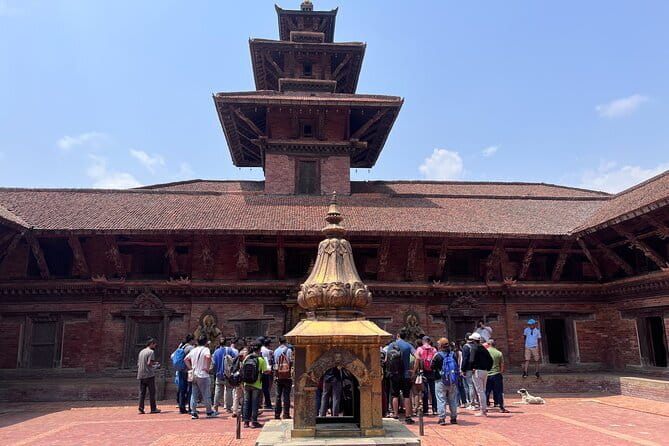
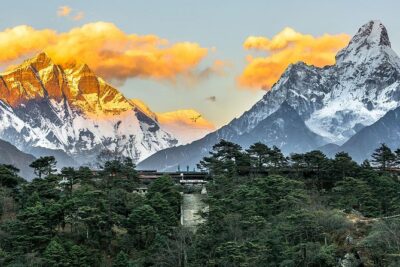
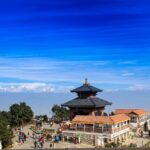
You’ll start at Swayambhunath, also known as the Monkey Temple. This stupa sits on a forested hill, and it’s described as sacred for Nepali Buddhism and among the oldest spiritual sites in the valley.
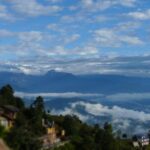
The big payoff here is perspective. From the hilltop you get a sense of Kathmandu Valley’s scale, and the stupa’s presence makes the area feel like a living landmark rather than a quick photo stop. The atmosphere is part of the experience, too—this is one of those places where people come with a routine, not just a camera plan.
Practical consideration: Swayambhunath involves climbing and moving along temple pathways. Even if you feel fine on a normal city day, hill steps can tire you by midday. If you’re not steady on stairs, wear shoes with grip and take your time on the ascent.
Admission is listed as free for this stop, but remember the earlier point: the day may still include monument fees elsewhere.
Stop 2: Patan Durbar Square and Newar craftsmanship near the Bagmati
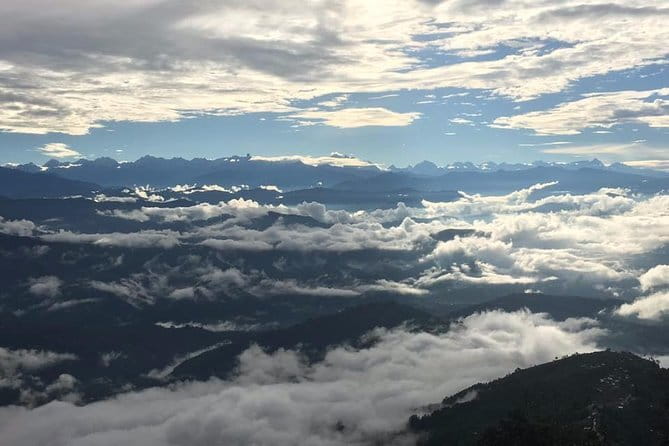
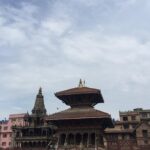
Next you cross the Bagmati River into Patan, the ancient Newar kingdom. Patan Durbar Square is a UNESCO World Heritage Site, and it’s known for the creative guild culture—especially metal-casting and wood-carving.
This stop works best if you let it slow you down a bit. Patan’s Durbar Square is compact, but it’s dense with detail: craftsmanship, architecture, and street-level life in a historic setting. With a guide, it’s not just “pretty buildings.” You’ll learn what these artisan traditions meant to the city and why the plaza became a stage for devotion and community.
Possible drawback: you’ll spend about 2 hours here, which is great for a guided pace, but it can also feel like a lot if you’re hot, tired, or just want fewer steps. Wear breathable clothing and plan on some time for standing and looking up.
Admission for this stop is listed as free as well, but again, keep that $20 monument budget in mind for the day.
Stop 3: Boudhanath Stupa, kora, monks, and juniper incense
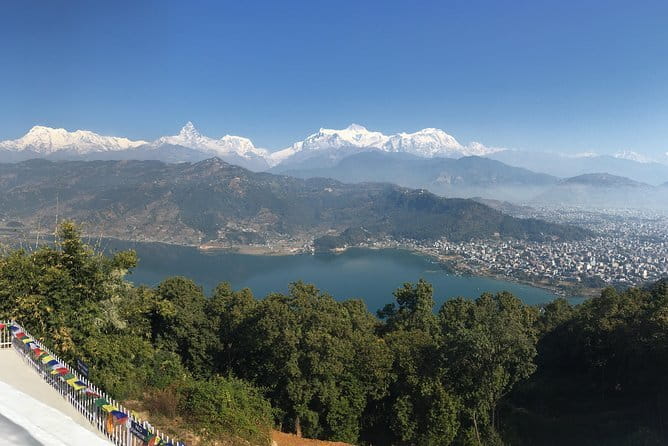
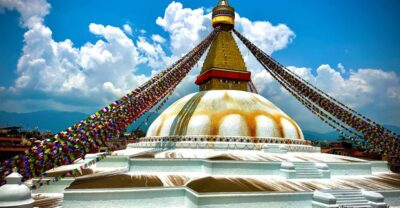
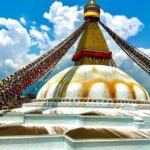
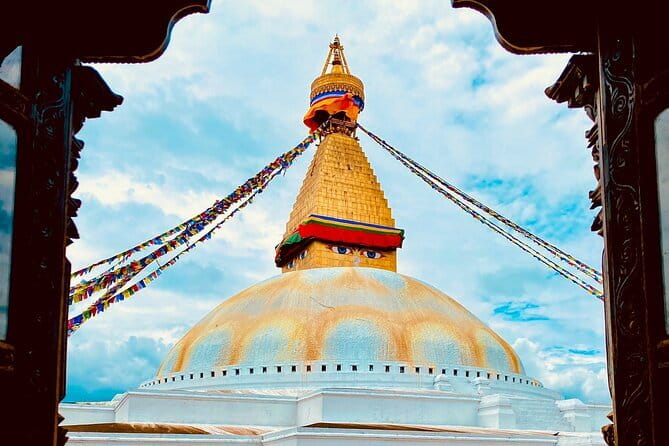
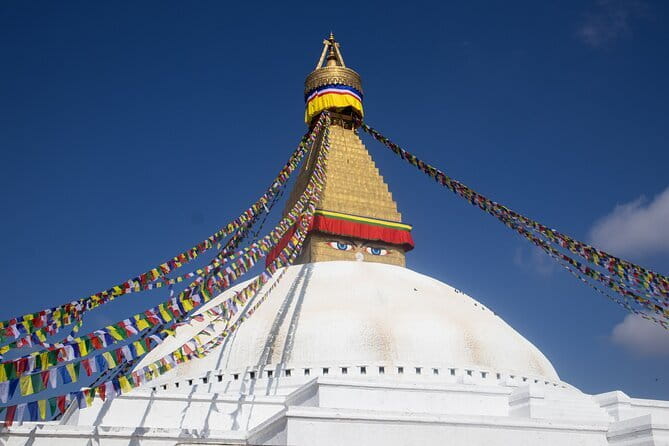
Then it’s off to Boudhanath Stupa, described as one of the world’s largest spherical stupas and the spiritual heart of Nepal’s Tibetan community. This is the stop that often changes the mood of the entire day.
The main action is the kora, the circumambulation route around the stupa. You’ll get to experience it alongside monks in crimson robes, and the route has a strong sense of rhythm. There’s also a specific sensory detail mentioned in the description: juniper incense spiraling from rooftop monasteries. That smell becomes part of the memory.
Why a guided stop matters here: Boudhanath is easy to treat like a sight. With an English guide who knows the context, you’ll understand what you’re seeing—how the stupa functions as a devotional center for a Tibetan Buddhist community living in Nepal.
A practical note: incense and crowded temple spaces aren’t for everyone. If you’re sensitive to strong smells or you don’t like crowds, you may want to take a slower route around the stupa and use the guide’s timing to choose where you stand.
Admission for this stop is listed as free, and the stop runs about 2 hours—a good block to do the kora without feeling rushed.
You can also read our reviews of more tours and experiences in Kathmandu
Stop 4: Pashupatinath Temple and Nepal’s life-to-afterlife rituals
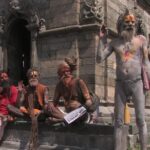
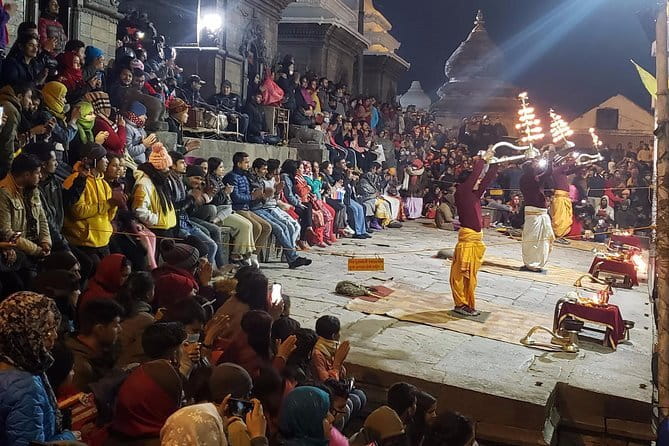
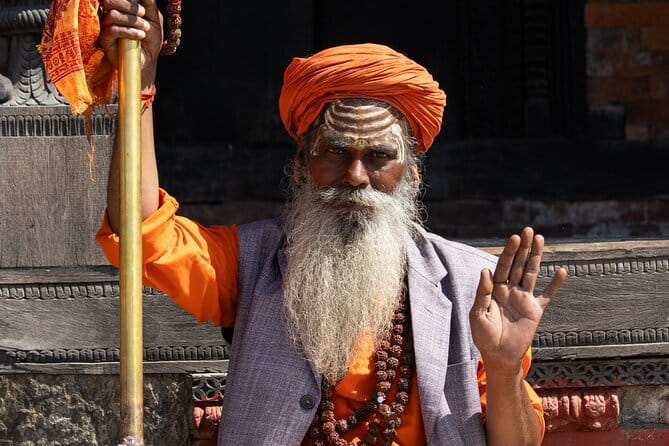
Your final major stop is Pashupatinath Temple, an ancient sacred site on the Bagmati River. This is where the day turns from wide devotional movement to something much more ritual-centered.
The description emphasizes the cultural belief system around the cycle between life and afterlife, with the idea of the soul and body being treated as distinct entities. That’s not just trivia. Understanding the belief framework helps you interpret what you’re seeing along the riverbank, so the day becomes more meaningful than a set of monuments.
You’ll have about 1 hour here. That can feel short if you want to linger, but it’s also long enough to see the main spiritual dynamics without burning your whole afternoon at one place.
Practical consideration: this is a working sacred site. Expect a lot of emotion and ritual activity. Move carefully, avoid blocking anyone’s view, and follow your guide’s cues on where you should stand to watch respectfully.
Admission is listed as free for this stop, but pay attention to whatever fees are required as you move through the site complex that day.
Why the guide matters more than you think (especially with Manish-style storytelling)
This tour doesn’t sell itself as a hardcore hike or a museum crawl. It sells itself as cultural guidance, and the guide quality is a big part of the value.
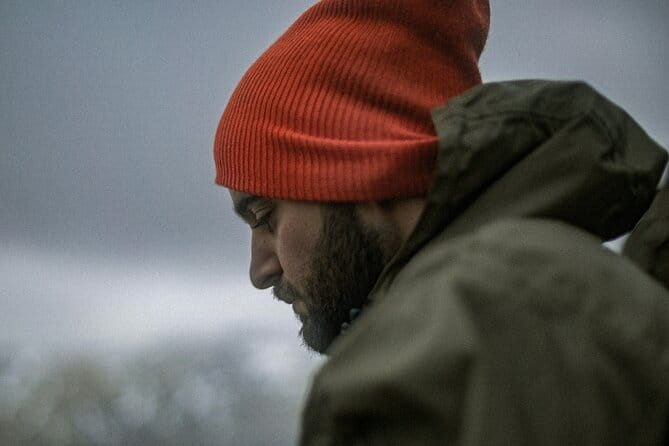
The best feedback highlights a guide named Manish for deep understanding of the country and religions, with a style that’s passionate and engaging. That’s exactly what you want in Kathmandu Valley. Without context, you can leave with photos. With context, you leave with a framework: what each tradition believes, why each site looks the way it does, and how the valley’s communities connect.
The tour also notes that you’ll have university-lecture-style background and local expert input during the day. Even if it’s not a formal classroom, the effect is the same: you get more than slogans. You get explanations that make the sites feel linked, not random.
In other words, you’re buying time and understanding. That’s what makes the $40 price feel reasonable.
Transportation that keeps the loop efficient (private, not chaotic)
Between stops, the tour uses private transportation. In Kathmandu Valley, that’s a real advantage. Distances between major religious sites can be quick in a straight line, but navigating traffic and finding the right access points can eat up hours when you’re figuring it out alone.
Private transport also helps with pacing. A 7-hour day needs momentum, and the driver-plus-guide setup keeps the schedule from collapsing when one site runs busy.
You’ll still be doing walking and standing at each stop, but transportation removes the biggest headache: the “how do we get there now?” moments.
Weather and what happens if conditions aren’t right
This experience requires good weather. That matters because temple areas often involve outdoor time, climbing, and viewing from set points.
If weather forces a change, you’ll be offered a different date or a full refund. Practically, that means you shouldn’t book this as your one-and-only option unless you’re flexible with your Kathmandu schedule.
Who this Kathmandu Valley day trip is best for
This is a strong pick if you want a focused, guided overview of Kathmandu Valley’s spiritual landscape without doing a messy self-planned route.
It’s especially well-suited for:
- First-time visitors who want the big four sights in one go
- People who care about cultural context, not just sightseeing
- Travelers who prefer private transport and an English-speaking guide
It’s not the ideal match if you want total free time, a very slow pace, or a stop-by-stop “wander without guidance” style. The structure is part of the benefit—and part of the tradeoff.
Should you book this Kathmandu Valley full-day access ticket?
If your goal is to see Swayambhunath, Patan Durbar Square, Boudhanath, and Pashupatinath with a real cultural guide and the convenience of private transport, I think this is a solid booking. At $40, the guide and logistics offer good value, and the route covers four sides of the valley’s beliefs and communities.
Book it if you’re happy to walk, you can handle incense and crowded sacred spaces, and you’ll budget around $20 per person for monument entrance fees that may come up. Skip it if you want zero extra costs beyond the listed price or you’re dealing with mobility limits that make temple steps hard.
If you can match those expectations, you’ll finish the day with a much clearer map of Kathmandu Valley—both on the ground and in your head.
FAQ
What is the price for the full-day Kathmandu Valley experience?
The price is $40.00 per person.
How long does the tour last?
The duration is approximately 7 hours.
Where does the tour take place?
The tour is in Kathmandu, Nepal, around Kathmandu Valley.
What time does the tour start?
The start time is 9:30 am.
Is pickup included?
Yes, pickup is offered.
Is the tour ticket price the same as the monument entrance fees?
Entrance fees for monuments are not included. The tour notes you may need to pay entrance fees yourself, with $20.00 per person mentioned.
What language is the guide available in?
The guide is in-person in English, with English audio as noted in the tour details.
What is the cancellation policy?
Free cancellation is available. You can cancel up to 24 hours in advance for a full refund.
What happens if the weather is poor?
The experience requires good weather. If it’s canceled due to poor weather, you’ll be offered a different date or a full refund.