REVIEW · BUDHANILKANTHA
Kathmandu: Full-Day Budget Bus Tour of Kathmandu Valley
Book on GetYourGuide →Operated by My Dream Adventure · Bookable on GetYourGuide
One day in Kathmandu can feel like a whirlwind, but this bus loop keeps it practical. You’ll hit major landmarks—Pashupatinath and Boudhanath among them—without the hassle of piecing together transport. I like the value of the flat low price for a full-day ride plus a live guide, and I like how the stops are arranged so you see both temple traditions and everyday river-and-street life. The main drawback to plan for: entrance rules and the reality of the tour language can be inconsistent, so not every part is guaranteed to feel fully English or fully open.
You’ll spend about 6 hours on a shared bus, moving between sites that are famous for a reason. Bring comfy shoes and sun protection, because the walking around temples can add up fast. Also, start the day ready to meet the bus on a busy road—this tour keeps pickup simple, not slow.
In This Review
- Key highlights worth knowing
- Getting on the Pink Bus in Thamel: timing and meeting point
- Pashupatinath Temple by the Bagmati River: what to expect
- Boudhanath Stupa: UNESCO-scale Buddhism done right
- Budhanilkantha’s reclining Vishnu: a different kind of temple stop
- Swayambhunath Monkey Temple: viewpoints that reward the stairs
- Kathmandu Durbar Square and the Malla kings: palaces, courtyards, and temples
- Budget price and the real cost: entrances are about $20
- Language, inside access, and how to avoid a frustrating day
- Who should book this 6-hour bus loop?
- Should you book this Kathmandu Valley budget bus tour?
- FAQ
- Where is the meeting point?
- What time does the bus pick you up?
- What bus should I look for?
- How long is the tour?
- What places does the tour visit?
- Are entrance or monument fees included in the price?
- Is there a guide, and what language is it?
- Is the tour wheelchair-friendly?
- What should I bring?
- What is not allowed during the tour?
Key highlights worth knowing
- Budget-friendly Kathmandu Valley route that connects major temples by shared transport
- Pashupatinath on the Bagmati River, with unforgettable riverbank views and strong Hindu atmosphere
- Boudhanath Stupa as the centerpiece UNESCO-listed stop, ideal for slow looking and people-watching
- Budhanilkantha’s reclining Vishnu for a change of pace from the big stupa and city hills
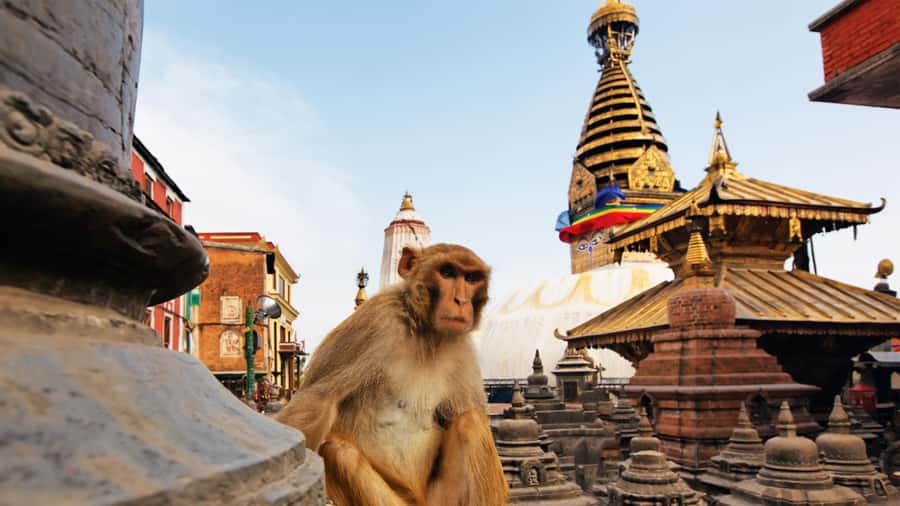
- Swayambhunath (Monkey Temple) for panoramic city views and classic temple stairway energy
- Kathmandu Durbar Square and the Malla kings for palaces, courtyards, and temple layouts you’ll recognize from photos
Getting on the Pink Bus in Thamel: timing and meeting point
This tour runs as a group day with a shared bus, so the “how” matters as much as the “where.” You meet opposite the Hotel Malla main gate in Thamel, and the bus is a pink bus (number 596). Because the road is busy, the bus does not stop to wait.
Your pickup window matters: you should be there by the early call time (the tour notes 10:40am), and the bus is described as stopping between 11:00 and 11:25am for pickup. If you’re late, you can end up missing the ride and losing the whole plan, since there’s no leisurely “let’s regroup” vibe.
Once you’re aboard, the route is built around moving efficiently between top Kathmandu Valley sights. That’s a big part of the value here: you get a planned order, you don’t have to negotiate transport between far-flung neighborhoods, and you’re not doing the day as a solo hop-on-and-off puzzle.
Pashupatinath Temple by the Bagmati River: what to expect
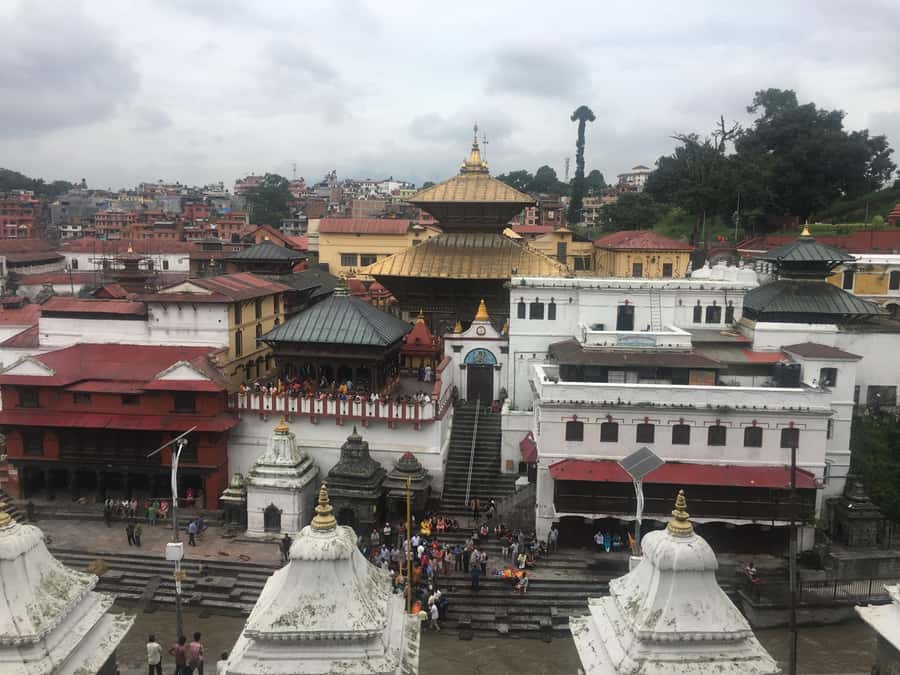
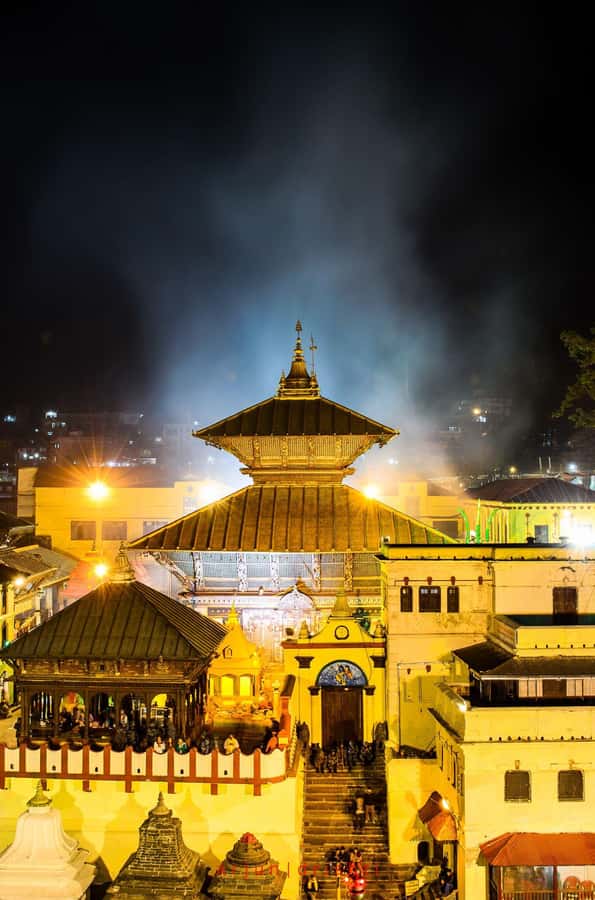
Pashupatinath Temple is a Hindu temple complex on the banks of the Bagmati River, and it’s one of the most powerful sites in the Kathmandu Valley. Even if you only know the basics, the setting hits you right away: river views, temple structures, and the sense that this is a working religious place, not just a museum stop.
What I like about this stop for a budget day: it anchors the whole route in “real life.” You see why the Bagmati matters to locals, and you get a clear contrast to the later Buddhist-focused areas like Boudhanath and Swayambhunath.
Practical things to plan for:
- Wear comfortable shoes. There’s walking and stair-and-pavement mixing.
- Keep your expectations about access flexible. The tour includes major sites, but not every area may be open in the same way for everyone.
- Bring sun protection. Temple areas can be exposed, and the tour’s timing gives you a daytime dose.
Also, keep your camera ready but your head up. At Pashupatinath, the most memorable moments often come from watching how people move—rather than from trying to frame the perfect single photo.
Boudhanath Stupa: UNESCO-scale Buddhism done right
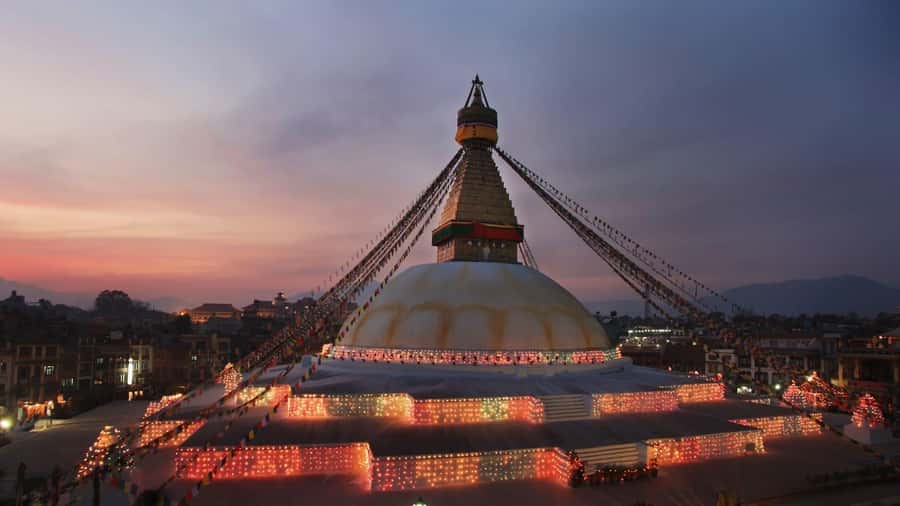
After Pashupatinath, the day shifts to Boudhanath Stupa, one of Nepal’s largest stupas and a UNESCO World Heritage Site. This is the classic Kathmandu Valley “center of gravity” stop: the square area around the stupa invites you to slow down.
For your enjoyment, look for two things:
- The stupa itself: tall, solid, and instantly recognizable once you see it.
- The rhythm around it: people often walk around the stupa area in a steady flow, and watching that movement helps you understand the site beyond the architecture.
This stop also pairs well with the budget-tour format because you don’t need a long, complicated explanation to appreciate it. You can get a lot out of it just by standing, looking, and following how people behave around the stupa.
One caution: this tour doesn’t position Boudhanath as a long lunch-and-linger afternoon. The time is designed for “see the key things” rather than “live here for hours.” If you love quiet, build your patience before you arrive, and enjoy it in chunks.
Budhanilkantha’s reclining Vishnu: a different kind of temple stop
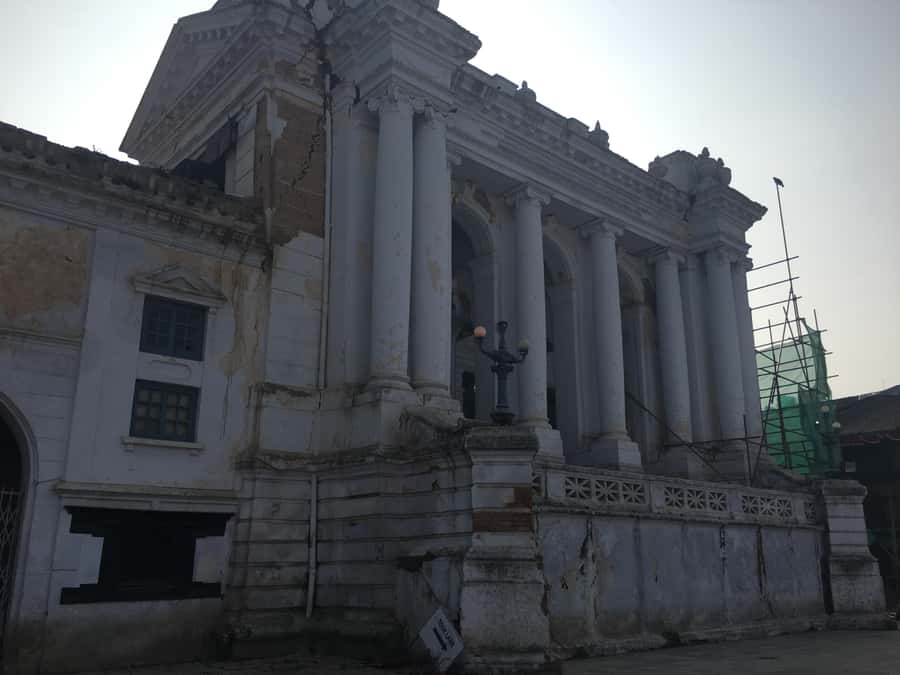
Budhanilkantha is an open-air Hindu temple famous for a large reclining statue of Lord Vishnu. It feels like a change of scenery from both the riverbank gravity of Pashupatinath and the stupa-centered openness of Boudhanath.
Why this stop is a good use of time on a 6-hour itinerary:
- It’s visually distinctive fast. That reclining form is hard to miss.
- It’s a break in tempo. You’re not just staring at one monument; you can move your viewpoint around the statue and surrounding structures.
- It’s more “temple day” than “city landmark day.” If you want something that feels less like a single iconic photo and more like a site you can actually browse, this helps.
If you’re the type who likes to learn the meaning behind what you’re seeing, the guide is useful here—just know that language clarity can vary. Your best strategy is to listen for the big points and be ready to ask questions if you need translation.
Swayambhunath Monkey Temple: viewpoints that reward the stairs
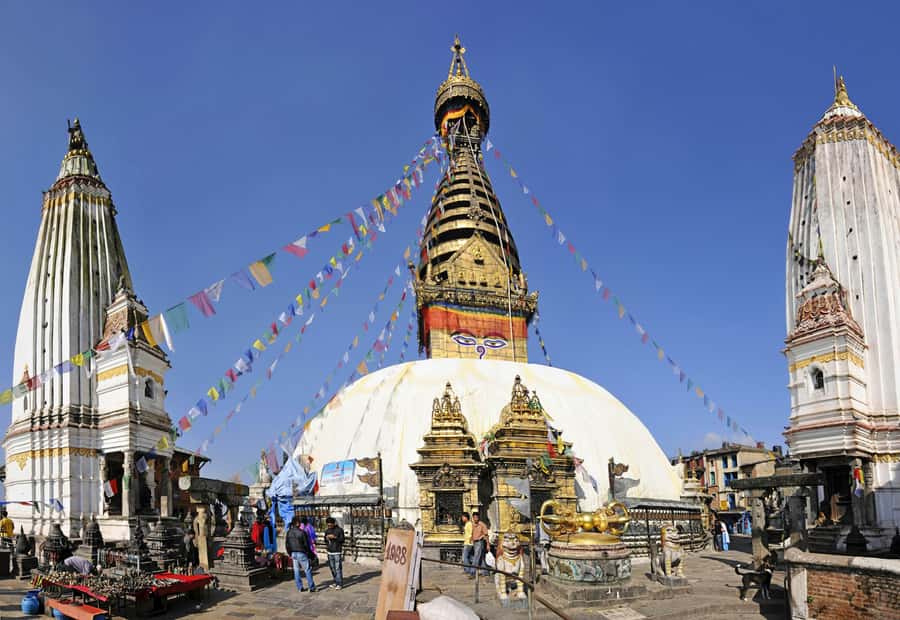
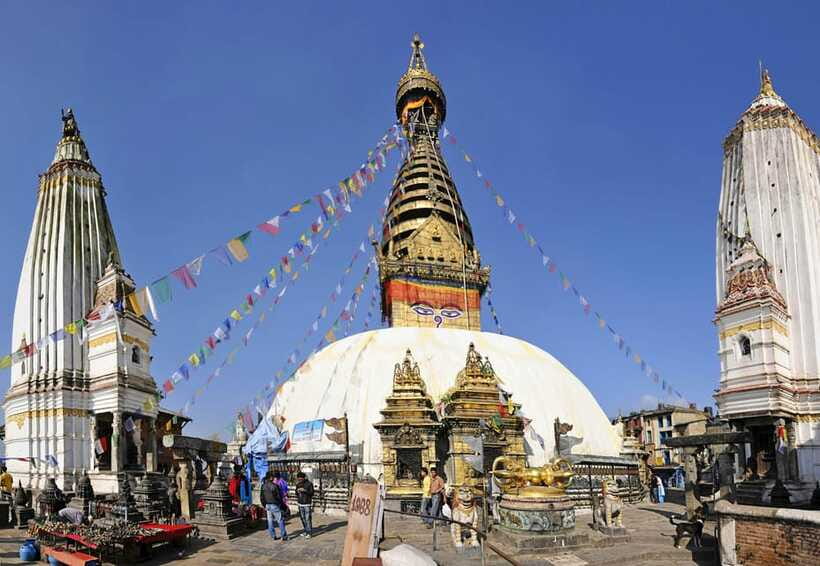
Then comes Swayambhunath Temple, also known as the Monkey Temple. This is where the tour leans into payoff: the temple area sits up high, and the site is known for panoramic views over the city.
Expect a stair-and-walk experience. This is not a “walk two steps and you’re done” stop. The effort is part of the deal: you climb, you look around, and then the view makes sense of the whole Kathmandu Valley layout.
What to watch for while you’re there:
- Monkeys: they’re part of the brand here, so keep your valuables secured.
- The viewpoint angles: try to get a few different angles rather than only one main photo spot.
- The temple details: the best moments are usually when you notice small patterns, not just the big skyline.
If you’re traveling with limited mobility, keep in mind this is not described as wheelchair-friendly. Even if you can manage steps, the mix of uneven ground and crowds can be tiring on a long day.
Kathmandu Durbar Square and the Malla kings: palaces, courtyards, and temples
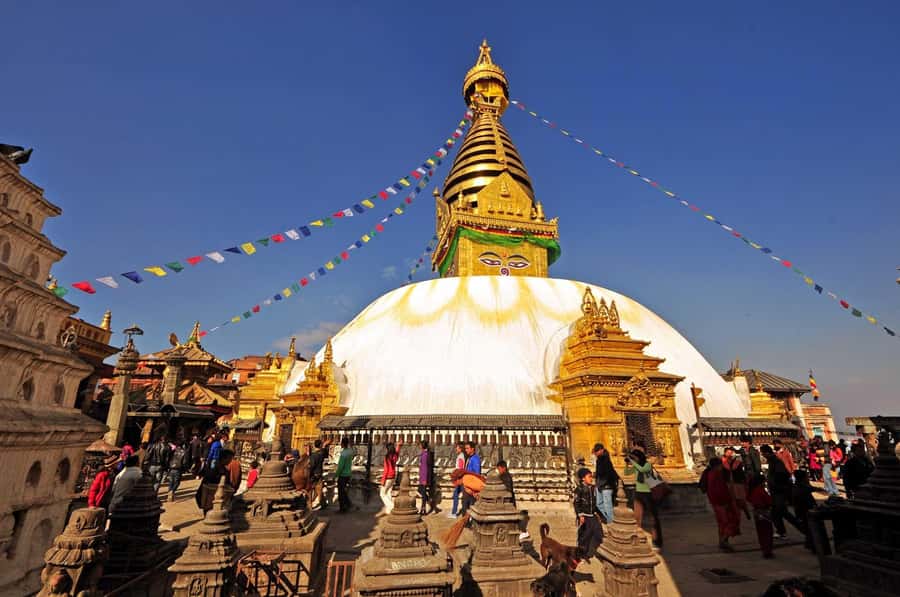
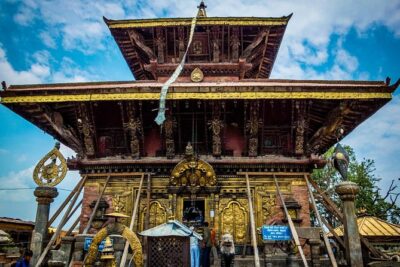
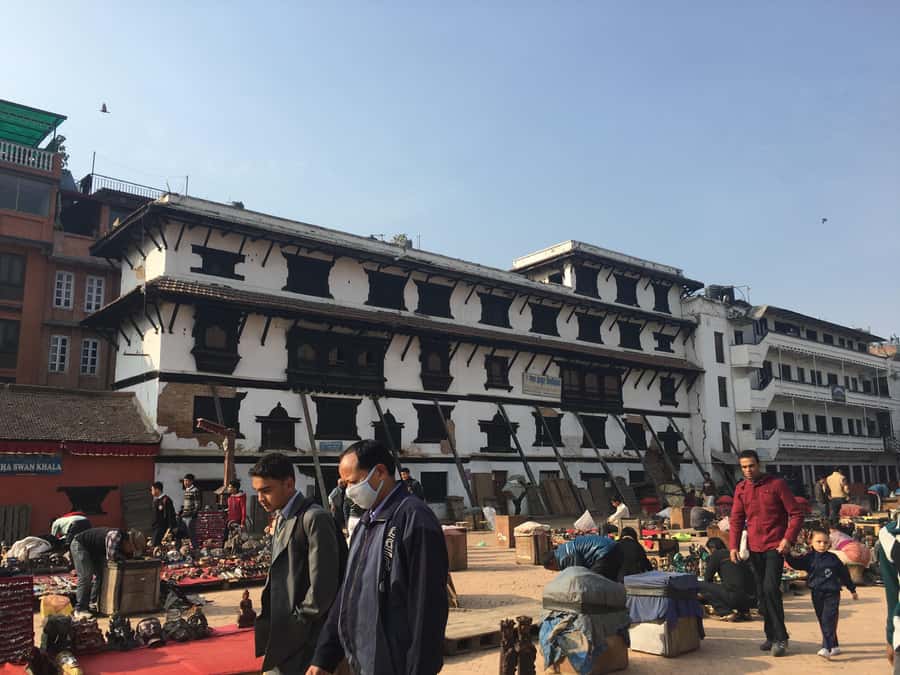
The final major stop is Kathmandu Durbar Square, described as a complex of palaces, courtyards, and temples. It was the royal palace of the Malla kings, so it’s the kind of place where the layout matters. A durbar square isn’t just a monument; it’s a built map of power, family, religion, and ceremony.
What you’ll likely enjoy most here is how the buildings relate to each other. You can walk through courtyards, look at temple forms, and connect what you’ve seen earlier in the day to the broader cultural story of Kathmandu.
The only real drawback with this kind of last-stop finale: you can feel the fatigue creeping in. The tour ends back at your hotel after Durbar Square, so try to keep your energy for the area’s walkable parts. If you rush this stop, you miss the best part, which is the “read the layout” feeling.
Budget price and the real cost: entrances are about $20
The headline price is about $16 per person, which is genuinely low for a full day of shared bus transport and a live guide. But the important money detail is that monument fees and entrance fees are not included, and the tour estimates about $20 USD per person.
So what is the real value equation?
- If you’d otherwise pay transport between all these sites, this tour is still likely cheaper than planning everything solo.
- If you’re the type who tends to skip paid entry places, you’ll feel less value once you hit the add-on fees.
- If you want a fast “best-of” checklist with minimal planning, the package is efficient.
In my view, you should mentally budget roughly $36 total before tips (since gratuities aren’t included, and tipping is discretionary). That turns the tour from ultra-budget into a practical “one-day Kathmandu Valley sampler,” and the math starts to make sense.
Language, inside access, and how to avoid a frustrating day
Two things can make or break your experience on a tour like this: how clear the language is and how much of each site you can access.
The tour is described as having a live guide in English, but language can be messy in real life. Some groups have reported that instructions weren’t fully in English, which means you can get lost in the shuffle if you rely on narration for directions. Your fix is simple:
- Follow the group, and don’t assume you can wander off safely without knowing the next meeting point.
- If you don’t understand a crucial instruction, ask immediately. Waiting until later is how you end up separated.
Access rules are another wrinkle. One practical note from the tour info: some temple areas may have restrictions related to religious identity. That doesn’t mean you can’t see the site; it means the “inside experience” might not match your expectations. If you care deeply about entering every space, go in with flexibility and treat the day as focused on key exteriors and major areas that are available to you.
Who should book this 6-hour bus loop?
This tour fits best if you:
- Want a low-cost, structured way to see major Kathmandu Valley sights in one day
- Prefer guided connections between stops instead of figuring out transport repeatedly
- Are happy with “enough time” rather than long, slow immersion at every monument
- Like iconic religious sites and want a clear sequence: Hindu riverbank → stupa square → reclining Vishnu → hilltop viewpoint → palace square
It’s less ideal if you:
- Need guaranteed step-free access (it’s noted as not suitable for wheelchair users)
- Are counting on fully English narration with perfect clarity from start to finish
- Want guaranteed access inside every temple building without restrictions
Should you book this Kathmandu Valley budget bus tour?
If you want a simple, cost-controlled day hitting Pashupatinath, Boudhanath, Budhanilkantha, Swayambhunath, and Kathmandu Durbar Square, this is a smart option. The value is real when you factor in the shared transport and the fact that the route covers the big-name highlights efficiently.
But book with eyes open. Entrance fees add about $20 USD per person, and you should expect that language clarity and inside access can vary. If you’re the flexible type who can handle a day that’s more “see the key places” than “slow, detailed guided explanation,” you’ll probably be happy with it.
If you want a smooth, language-perfect guided experience and guaranteed access to every inner area, you may want to compare with other tour options before you commit.
FAQ
Where is the meeting point?
You meet opposite the Hotel Malla main gate in Thamel.
What time does the bus pick you up?
You should come by around 10:40am, and the bus is described as stopping for pickup between 11:00am and 11:25am. It’s a busy road, and the bus stops only for pickup.
What bus should I look for?
The instructions say it’s bus number 596, a pink-colored bus.
How long is the tour?
The duration is 6 hours.
What places does the tour visit?
It includes Pashupatinath Temple, Boudhanath Stupa, Budhanilkantha, Swayambhunath Temple, and Kathmandu Durbar Square.
Are entrance or monument fees included in the price?
No. Entrance and monument fees are not included and cost approximately $20 USD per person.
Is there a guide, and what language is it?
Yes, there is a live tour guide, and it’s listed as English.
Is the tour wheelchair-friendly?
No, it’s not suitable for wheelchair users.
What should I bring?
Bring comfortable shoes, sunglasses, a sun hat, sunscreen, and comfortable clothes.
What is not allowed during the tour?
Smoking is not allowed in the vehicle or indoors. Alcohol and drugs are also not allowed.