REVIEW · KATHMANDU
From Kathmandu: 5-Day Gosaikunda Lake Trek
Book on GetYourGuide →Operated by Cordial Trek Pvt. Ltd. · Bookable on GetYourGuide
A high-altitude lake in just five days. If you want the Gosaikunda Lake payoff without a long expedition, this guided trek from Kathmandu to Langtang National Park packs big scenery and sacred stops into a tight schedule. I love that the trip takes care of the tough stuff—bus transfer, permits, and a licensed guide—so you spend more time on the trail. I also like the people factor: guides such as Ohm, Terence, and Raj are upbeat, safety-focused, and full of useful local context. The main thing to consider is the altitude rise to about 4380m, so you’ll need a steady pace and realistic expectations.
You’ll spend your days hiking through the Langtang region, starting from the town of Dhunche and working higher toward Laurebina and Gosainkunda. This is a small group capped at 14, and in at least one confirmed experience the guest houses meant private rooms the whole way, which makes nights feel less crowded and more restful. My one weather note: the trek runs year-round, but the views are best when skies are mostly clear.
The price also includes a lot that saves money and hassle: pick-up and drop in Kathmandu, four nights in mountain guest houses, and equipment loans like a down jacket, sleeping bag, and trekking poles. If you choose the all-inclusive meals option, you’ll have breakfasts and lunches covered too, which is handy when you’re off the beaten restaurant trail.
In This Review
- Key things to know before you go
- Gosaikunda Lake: why this hike hits harder than a typical lake trip
- The full trek in five days: Dhunche to Deurali to Laurebina to Gosainkunda
- Day 1: Kathmandu to Dhunche, then Deurali at 2790m
- Day 2: Chandanbari’s steep climb to Laurebina (3910m)
- Day 3: Gosainkunda to Bhairav, Chandra, and Saraswati Kunda (to 4380m)
- Day 4: Descending from Deurali through rhododendron, pine, and bamboo
- Day 5: Drive back to Kathmandu at 1350m
- What you’re really paying for: value beyond the headline price
- Guide personalities and the small-group effect
- Gear, altitude, and packing the essentials (without overpacking)
- Who should choose this trek, and who should skip it
- Should you book the 5-Day Gosaikunda Lake Trek?
- FAQ
- How long is the Gosaikunda Lake trek?
- What is the highest altitude on this trek?
- How do you travel from Kathmandu to the trek start?
- Are permits included?
- Are meals included in the price?
- Do I need to bring trekking equipment?
- Is there a porter option?
- What documents do I need for the trek permits?
Key things to know before you go
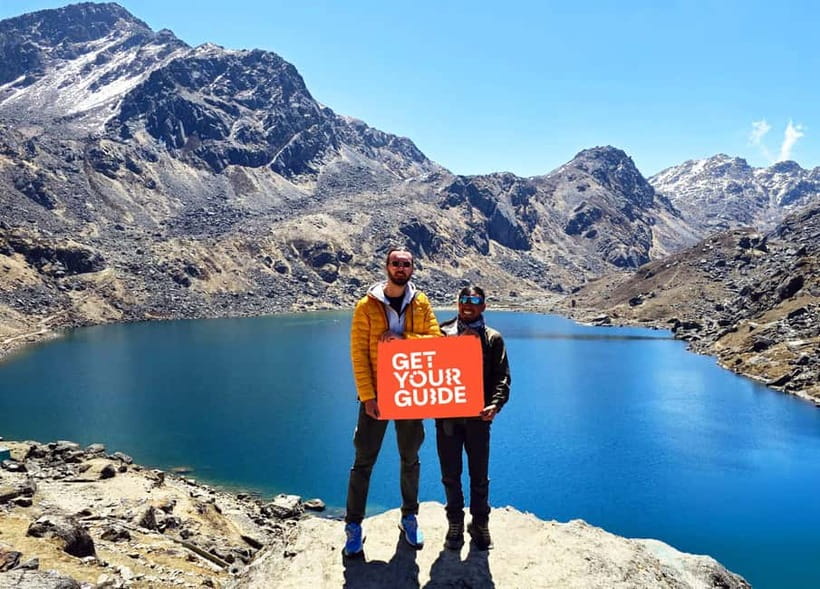
- Sacred high point at 4380m: Gosaikunda and nearby lakes, all tied to local reverence and glacial water.
- Short, focused trek format: Five days of hiking with real ascent and descent, not a long slog.
- Loaned cold-weather gear: Down jacket, sleeping bag, and poles are provided so you can travel lighter.
- A small group pace: Limited to 14 people, with a guide who keeps safety and momentum in balance.
- Langtang National Park walking: Rhododendrons, pine, and bamboo forests show up on the route down.
- Permits and TIMS included: You’re not left scrambling for paperwork once you arrive.
Gosaikunda Lake: why this hike hits harder than a typical lake trip
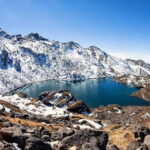
Gosaikunda is a glacial lake in Langtang National Park, sitting at 4380m. The water connects to a bigger story: the lake melts and helps feed the river Trishuli, and it stays frozen during winter. That matters because this isn’t just a scenic photo stop. It’s a place with seasonal rhythm, where the landscape changes with temperature and snowmelt.
What you’ll do at the top isn’t limited to a single shoreline either. From Laurebina you’ll hike up to Gosainkunda and also explore other nearby lakes in the region, including Bhairav Kunda, Chandra Kunda, and Saraswati Kunda. That keeps the day from feeling like one long climb followed by a quick look. You get multiple viewpoints and a better sense of the alpine setting.
The altitude is the big reality check. At 4380m you may feel wind, cold air, and fatigue more quickly than at sea level. I like that the trek is only five days, because it’s easier to stay mentally prepared for the effort. But you still need patience with your body and trust the guide’s pace.
You can also read our reviews of more hiking tours in Kathmandu
The full trek in five days: Dhunche to Deurali to Laurebina to Gosainkunda
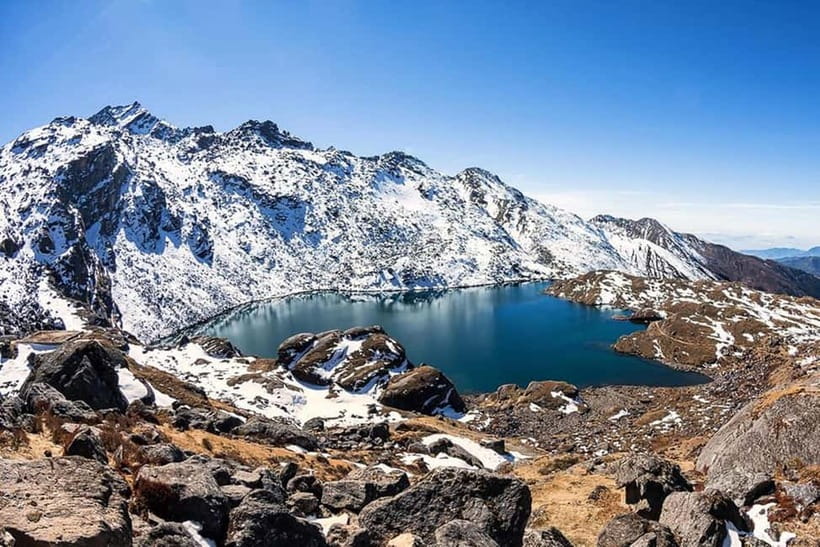
This trek works like a sequence of “set and rise,” which is exactly what you want on a short mountain plan. You start with a long enough drive day to get into the right area, then hike higher in manageable steps: Deurali (2790m), then Laurebina (3910m), then finally the lake area at 4380m. After that, you return downhill back to Dhunche and end with a smooth transport day.
The itinerary is built around that rhythm:
- Day 1: Kathmandu to Dhunche, then a climb to Deurali for your first night.
- Day 2: A steep push up toward Laurebina via Chandanbari.
- Day 3: The summit day to Gosainkunda (and extra lakes), then back to Laurebina.
- Day 4: A long descent through forest types and down to Dhunche.
- Day 5: Drive back to Kathmandu.
One practical benefit of this structure: you don’t spend all week “still climbing.” You get the lake day you came for, plus enough hiking on both sides (up and down) to make the trip feel complete.
Day 1: Kathmandu to Dhunche, then Deurali at 2790m
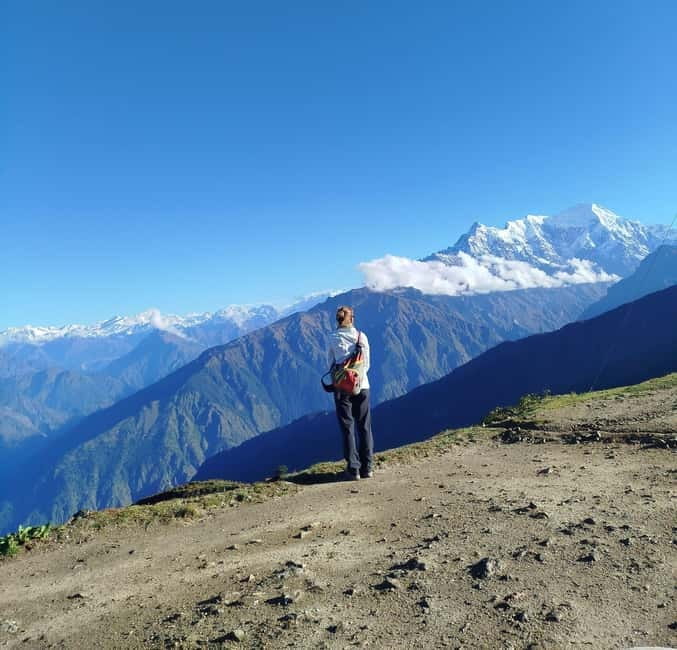
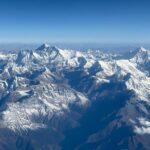
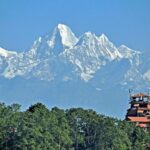
Day one starts with pick-up from your hotel in Kathmandu and a drive that can take about 5–6 hours to reach Dhunche, which is the trail starting point. This part is more than transit. You’re building excitement while the views roll in—lush green hills, terraced fields, and snow-capped peaks in the distance (including names like Manaslu, Ganesh, and Langtang).
After a short break in Dhunche, you begin hiking to Deurali (2790m). The walk is listed as about two hours, which is a great first-day length for getting your legs working without frying your energy. You sleep at a mountain guest house in Deurali, which helps your body settle at a higher elevation before the more serious climb.
If you get motion-sick in cars, plan accordingly on the drive. Other than that, Day 1 is usually the easiest day mentally: you’re moving toward the trek, not already recovering from the trek.
Day 2: Chandanbari’s steep climb to Laurebina (3910m)
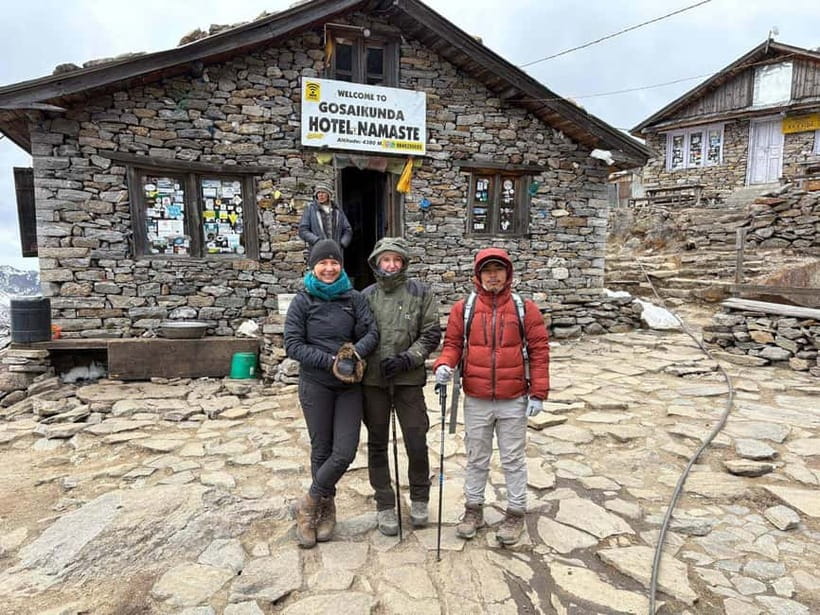
Day two is the first real ascent day. You eat breakfast, get a quick briefing from your guide, then head toward Laurebina (3910m) via Chandanbari.
The trail is described as an ascend on a steep path, which means your pace matters more than speed. This is where a guide earns their keep. In feedback from the trip, guides like Terence and Raj were praised for keeping people moving while putting safety first—especially during the harder stretches.
You’ll reach a guest house in Laurebina for the night. I like Laurebina as a base because it positions you for Day 3. Instead of rushing straight from Deurali to the lake area, you gain elevation with a break built in, which can make the big day more manageable.
Day 3: Gosainkunda to Bhairav, Chandra, and Saraswati Kunda (to 4380m)
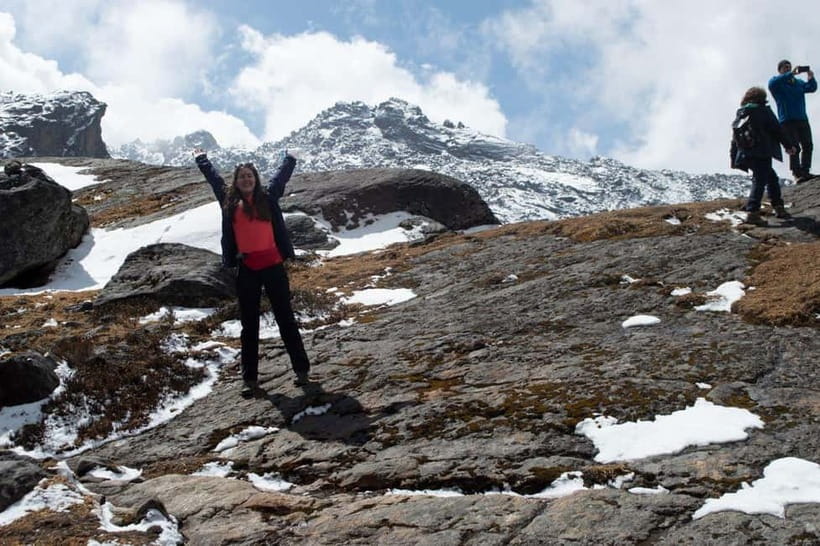
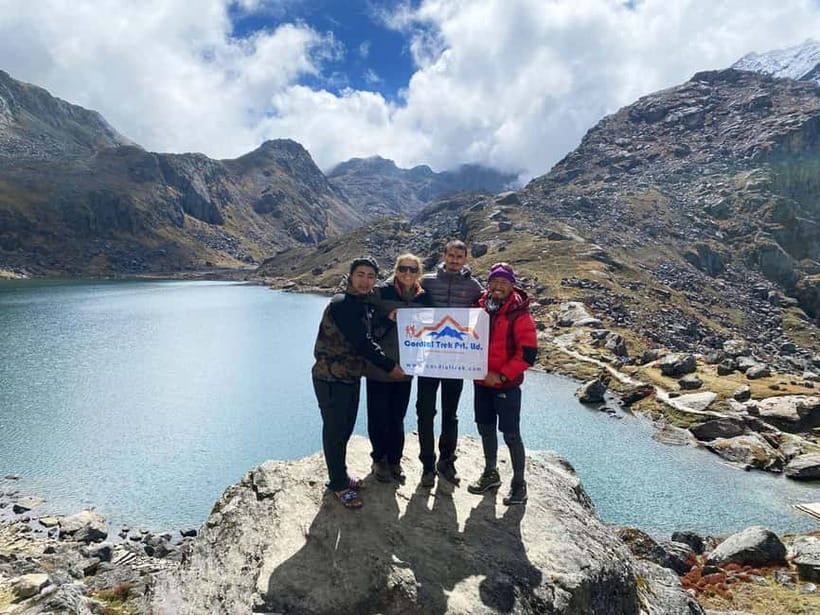
This is the heart of the trek. You start from Laurebina and hike to Gosainkunda, the alpine freshwater lake at 4380m. The schedule also gives you time to explore the lakes around it, including Bhairav Kunda, Chandra Kunda, and Saraswati Kunda.
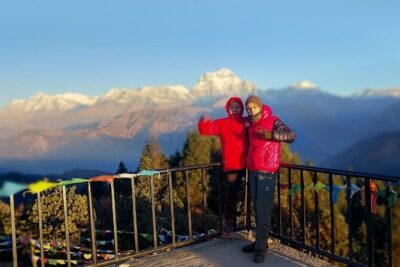
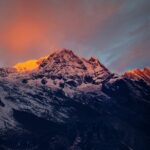
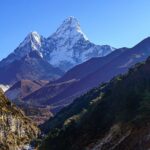
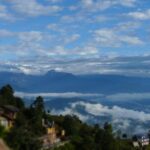
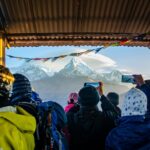
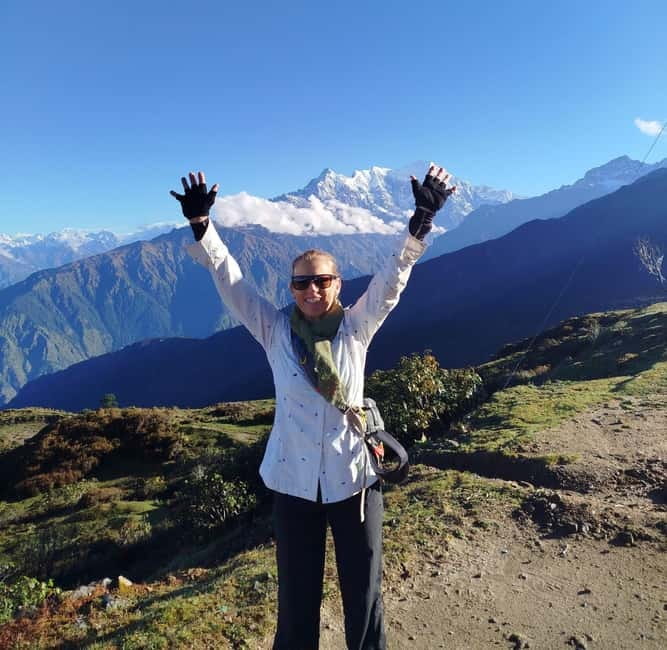
The guide-led viewing here is more meaningful than you might expect. At this altitude, small changes in light and wind can completely change what you see. If skies are clear, the Langtang range looks close enough to feel like it’s part of your conversation. If the clouds roll in, you’ll still have a sense of the sacred alpine setting—just with fewer crisp edges.
In the afternoon you hike back to Laurebina for your night. That return trek is important. It keeps the day from turning into an all-out, all-day endurance test. You finish with enough daylight and energy to enjoy the second half of the mountain rather than just endure it.
You can also read our reviews of more tours and experiences in Kathmandu
Day 4: Descending from Deurali through rhododendron, pine, and bamboo
Day four is where the trek becomes satisfying in a different way: going down. After breakfast, you begin a gradual descent from the higher area toward Deurali again, then continue through dense forest.
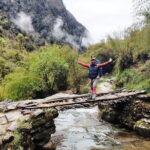
The trail passes through rhododendrons, pine, and bamboo forests. That change in plant life helps break up the monotony you can get on mountain trails where everything looks similar. You’ll also cross a river during the descent before continuing down toward Dhunche for the night.
This is a day to watch your knees and your footing. Downhill is deceptively tiring, even when your legs feel okay in the moment. If you’re someone who hikes slowly, this day can feel long but still good—because the scenery keeps shifting from one forest layer to the next.
Day 5: Drive back to Kathmandu at 1350m
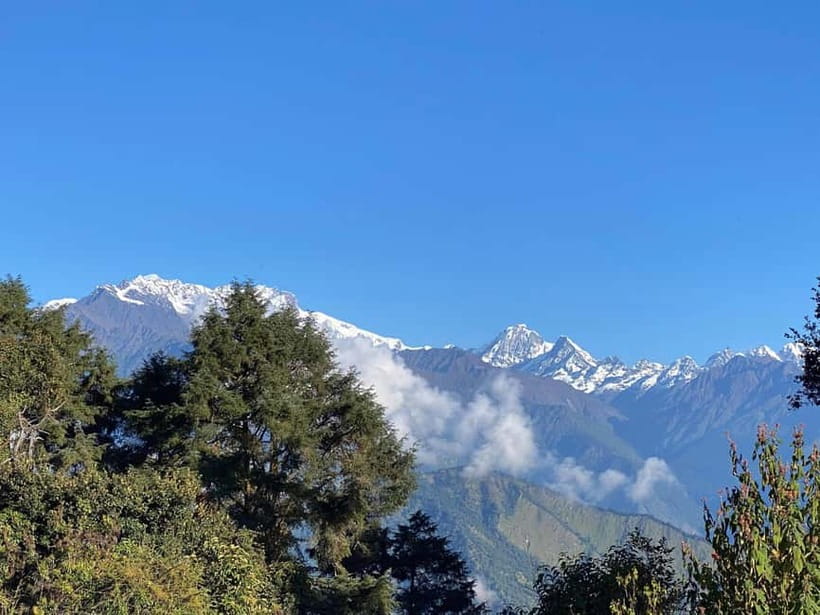
The last day is refresh-and-reset. You get breakfast, then enjoy the scenic drive back to Kathmandu. The tour description lists arriving back at a much lower altitude area of about 1350m, which is a nice contrast to the 4000m+ days.
Once you’re back at the bus station in Kathmandu, you’ll be transferred to your hotel. This is the clean finish you want after five days: no extra trekking obligation, just the chance to recover, shower, and eat something that doesn’t taste like survival food.
What you’re really paying for: value beyond the headline price
At $179 per person for a five-day, guided trek, the value depends on what’s included—and this one includes a lot.
Here’s what adds real weight to the price:
- Licensed trek guide and a small group (up to 14), which matters when routes and altitude are in play.
- Transportation by bus from Kathmandu to Dhunche and back.
- Permits and TIMS card, so you’re not hunting paperwork mid-trip.
- Four-night accommodation in mountain guest houses.
- Equipment loans, including a down jacket, sleeping bag, and trekking poles.
- Full board meals under the all-inclusive option (the menu coverage is listed as 4 breakfasts, 5 lunches, 4 dinners).
If you choose the budget meals option, meals aren’t included, and that’s a fair way to reduce cost. But on a short trek, food planning is one of those chores that can steal the joy, so I think most people will prefer the all-inclusive structure.
On top of that, you’ll get water purification tablets as required and first aid if needed. There’s also a company t-shirt, which is small but not useless when you want something warm and practical for travel photos.
Guide personalities and the small-group effect
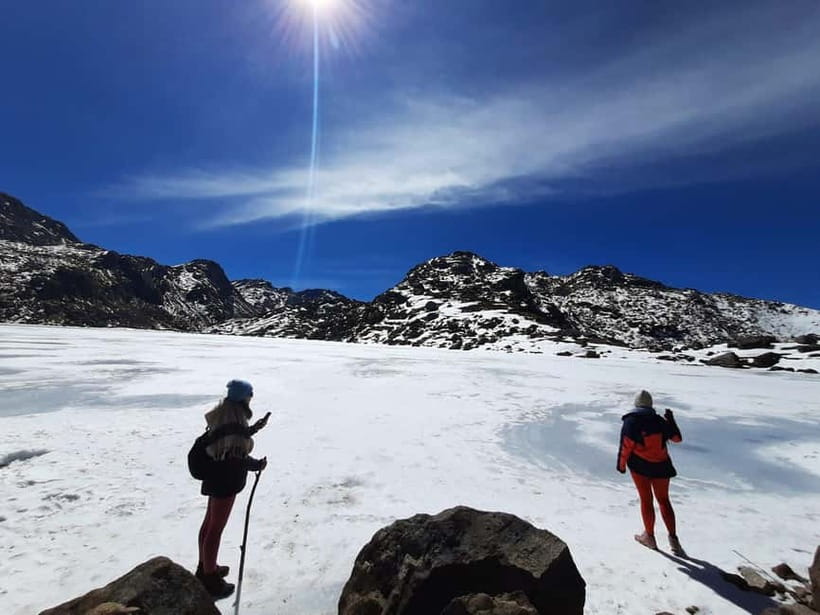
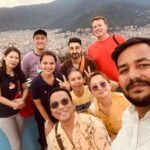
A lot of trekking tours say they have great guides. What I like here is the clear pattern in the names people called out: Ohm, Terence, and Raj. The common theme is engagement. The guides are described as informative and upbeat, sometimes using fun video or stories to keep energy up.
That matters because the steep sections don’t last forever—but the mental drag can. A guide who keeps you focused, checks safety, and explains what you’re seeing helps the trek feel shorter, even if the clock doesn’t agree.
It’s also a small group, which changes how the day feels. You’re less likely to get shuffled behind a line of strangers. You’re more likely to have the guide notice when someone’s struggling or slowing down and adjust the pace. Safety-first isn’t a slogan; it’s what you’ll want when the trail is getting higher and colder.
Gear, altitude, and packing the essentials (without overpacking)
You’ll be provided loaner gear: a down jacket, sleeping bag, and trekking poles. That’s huge if you don’t already own winter-ready cold-weather equipment or you’re trying to keep your suitcase reasonable.
For your personal packing list, the tour data is refreshingly direct:
- Passport
- Camera
- Cash
At 4380m, cold can be serious, so it’s good that the plan includes a down jacket and sleeping bag. Still, treat the high-altitude cold seriously and follow your guide’s layering advice.
Altitude is another practical factor. Even though the trek follows a stepped route (Deurali then Laurebina then Gosainkunda), the top elevation is real. I’d plan to go slowly, drink water regularly, and treat the day as a steady climb rather than a race. If you’ve got any history of altitude issues, you should plan that carefully before committing.
Who should choose this trek, and who should skip it
This is a great fit if you:
- Want a short trek from Kathmandu with real altitude and real hiking time.
- Care about Langtang National Park nature, including forest walks through rhododendron, pine, and bamboo areas.
- Like guided context—facts, local culture notes, and a guide who keeps you moving without rushing.
It’s not a match if you:
- Have mobility impairments, since the trek is not suitable for that category.
- Are traveling with children under 10 years old.
- Weigh more than 309 lbs (140 kg), based on the stated limit.
Also, it’s not a party trek. Alcohol and drugs aren’t allowed, and bare feet aren’t allowed either.
Should you book the 5-Day Gosaikunda Lake Trek?
If you want Gosaikunda plus Langtang National Park in only five days, and you don’t want to plan permits, gear, and transport yourself, I think this tour makes sense. The strongest reasons to book are the built-in support—guide, permits, guest house stays, and loaner cold-weather gear—and the way the route is paced for a short trip.
If you’re mainly chasing comfort and want a low-altitude walk, this probably won’t fit. The top elevation is high, and steep sections show up on the way to Laurebina and up toward the lake. But for travelers who want a focused challenge with meaningful views, this is one of the cleaner ways to do it.
FAQ
How long is the Gosaikunda Lake trek?
It’s a 5-day guided trek from Kathmandu to Gosaikunda Lake, then back to Kathmandu.
What is the highest altitude on this trek?
The maximum altitude is 4380m at Gosainkunda.
How do you travel from Kathmandu to the trek start?
You’re transported by bus from Kathmandu to Dhunche, and the hike begins from Dhunche.
Are permits included?
Yes. The trek includes the necessary trek permits and a TIMS card.
Are meals included in the price?
Meals are included under the all-inclusive option (4 breakfasts, 5 lunches, and 4 dinners). If you choose the budget option, meals are not included.
Do I need to bring trekking equipment?
No. You can borrow a down jacket, sleeping bag, and trekking poles.
Is there a porter option?
Yes, a porter is available as an add-on option (and there’s mention of a duffel bag for the porter option).
What documents do I need for the trek permits?
You’ll need to provide a copy of your passport and a recent passport-sized photograph at least one day in advance so the permits can be processed.