REVIEW · KATHMANDU
Annapurna base camp trek 5 Days
Book on Viator →Operated by Alpine Ramble Treks · Bookable on Viator
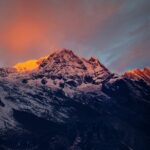
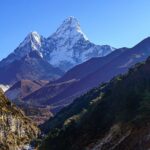
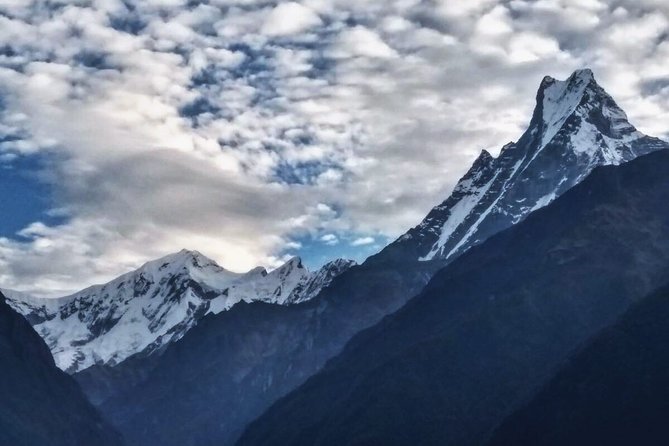
Himalaya views start before sunrise. This 5-day Annapurna Base Camp trek (with a travel day to Pokhara) aims you at some of the range’s most famous scenery, including Machhapuchare (Fish Tail). I like how the trip stays focused on the walking and the views, not a long list of logistics.
I also like the way support is built in: airport transfers and ground transport are included, and you’re assigned an English-speaking guide/sherpa to handle permits and trek-day arrangements. On top of that, tea house accommodation and meals are part of the package, which cuts down on planning stress.
One thing to keep in mind: I’ve seen negative feedback about water purification—specifically cases where water tablets were forgotten and the guide pushed for you to pay for your own. If you’re picky about hygiene, it’s worth proactively asking what’s provided for water treatment before you leave Kathmandu.
In This Review
- Key takeaways before you go
- Why this Annapurna Base Camp trek fits a 6-day window
- Day 1: Pokhara Lakeside and the Prithvi Highway ride
- Day 2: Jeep to Siwai and the Birethati/Birthdate entry area
- Day 3: Sinuwa hilltop lodge for sunrise views
- Day 4: The day you walk into Annapurna Base Camp
- Day 5: Upper Sinuwa sunrise again, plus Machhapuchare focus
- Day 6: Back down toward Jhinu hot springs and Pokhara
- Price and value: what $699 covers (and what it doesn’t)
- The guide, the group size, and the small details that can make or break it
- Tea houses, meals, and what to expect day to day
- What to pack and how to prepare for cold nights
- Weather and schedule reality at Annapurna Base Camp
- Who this trek suits best
- Should you book this Annapurna Base Camp trek?
- FAQ
- Where does this trek start and end?
- Is airport transfer included?
- What trekking support is included?
- Are meals included during the trek?
- What gear do I need if sleeping bags and jackets are included?
- How large is the group?
- What’s not included in the price?
- What’s the cancellation approach if weather is poor?
Key takeaways before you go
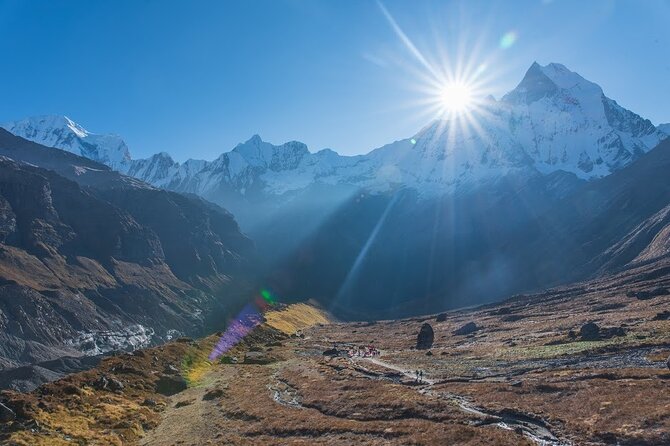
- Short route, big payoff: A classic Annapurna Base Camp run with repeated chances for sunrise mountain views
- Machhapuchare spotting: The trek puts you in positions to look up at Fish Tail and Annapurna towering nearby
- Support that handles permits and tea houses: Guide, permits, lodges, and most meals are included
- Gear is included: A down jacket and sleeping bag are provided for cold nights
- Small group: Maximum 12 travelers, which usually means less waiting on the trail
- Pokhara as your staging point: You get a first day in lakeside Pokhara before the trek work starts
Why this Annapurna Base Camp trek fits a 6-day window
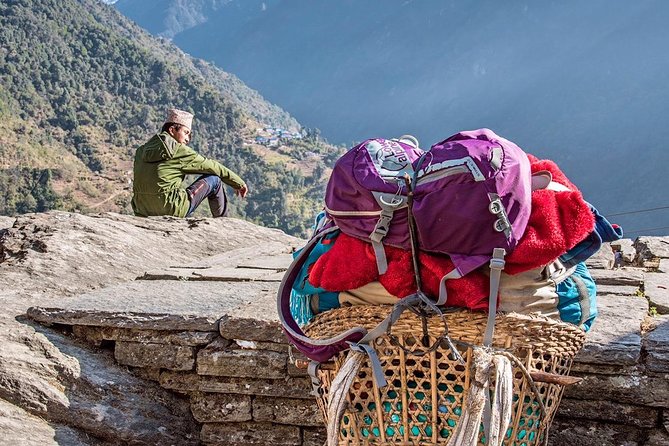
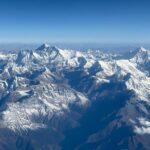
Annapurna Base Camp is famous partly because it’s hard to get “big mountain” time without committing to a long expedition. This plan is built as a short-route version: travel from Kathmandu to Pokhara first, then spend the core days moving through forests and villages toward Base Camp.
What you’ll feel is a faster rhythm. You won’t have weeks to adjust, so good pacing matters. The good news is the trekking style here is classic tea house walking: steady, manageable days with overnight stops arranged for you.
You can also read our reviews of more hiking tours in Kathmandu
Day 1: Pokhara Lakeside and the Prithvi Highway ride
Your day begins with an early scenic drive by tourist bus from Kathmandu to Pokhara via the Prithvi Highway. It’s not a “trek day,” but it matters because it gets you out of Kathmandu’s traffic energy and into the mountain-country flow.
Once you arrive, you’ll spend time around Lakeside—the tourist area by the water. This is one of those practical choices I appreciate on a short trek: you can grab basic supplies, refill your headspace, and sleep somewhere comfortable before the first proper climb.
Watch-out: the itinerary doesn’t spell out meals for this day beyond what’s included overall, so plan on budgeting for food in Pokhara unless your operator clarifies that detail for your exact departure.
Day 2: Jeep to Siwai and the Birethati/Birthdate entry area
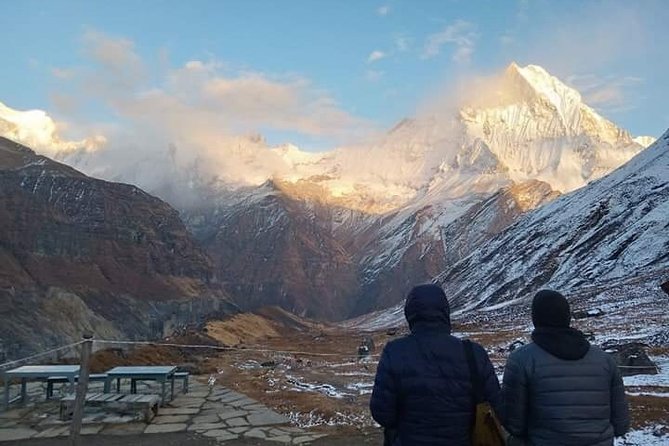
This is a “getting higher” day. After breakfast in Pokhara, you drive to Siwai using a local jeep, with a stop at Birethati along the way. The transfer time is listed around a couple hours by jeep (with the stop included), so you’re not just sitting still.
Why this leg is valuable: you save daylight for walking, and you start your trekking routine closer to the Annapurna corridor rather than grinding up from low ground. You’ll also get your first sense of village trekking culture—roads stop, trails start, and the scenery changes from town to river-valley to hillside paths.
Consideration: jeep days can be bumpy, especially for people sensitive to motion. If you’re the kind of person who gets queasy easily, bring what helps you (and consider travel meds before you go).
Day 3: Sinuwa hilltop lodge for sunrise views
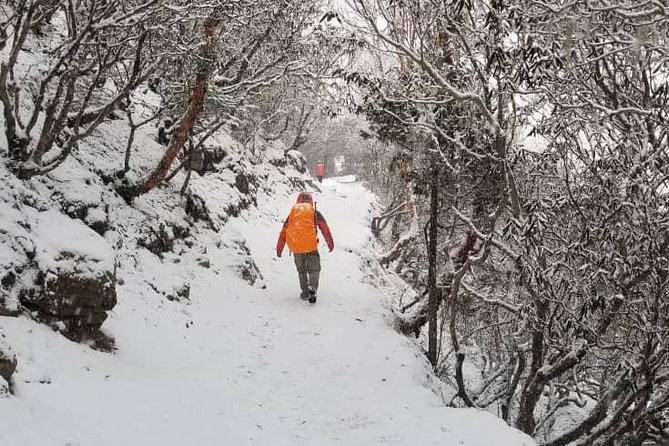
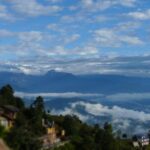
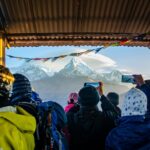
Today is about views and timing. You’ll wake up to tea (weather-dependent sunrise is mentioned), enjoy breakfast with a panorama over the White Mountain area from your lodge, then descend to continue the route.
Sinuwa and the nearby ridges are known for big morning angles: the mountains can look crisp when clouds behave. Even if sunrise is partly blocked, the early-day mountain layers tend to be clearer than later in the day.
One practical tip: when a trip depends on early light, you’ll want to be dressed and ready quickly. Pack layers you can manage fast, and keep your gloves/hat handy—cold mornings in the hills don’t wait for you to find them.
Day 4: The day you walk into Annapurna Base Camp
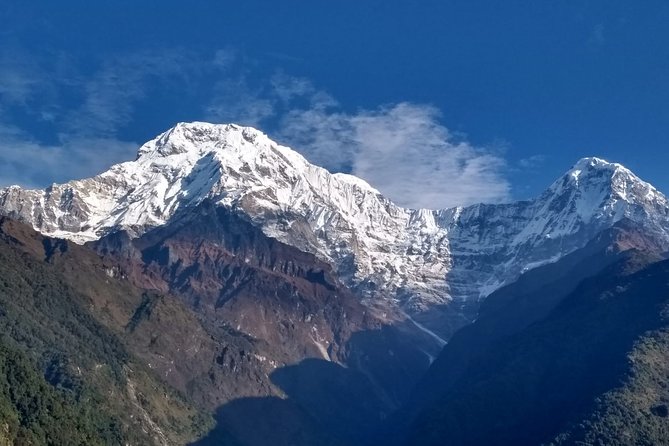
This is the day with the most emotional payoff. After breakfast, you start the trek toward Annapurna Base Camp, described as reaching the foothold for one of the world’s tallest peaks (Annapurna is the main target here). The route is part of Nepal’s classic short Base Camp approach in the Annapurna Range.
Even without exact walking times listed in your details, you can expect a full trekking day: gradual effort, changing vegetation (the overview mentions rhododendron, bamboo, and oak forests on the way), and an increasing sense that the mountains are getting closer.
Realistic note: because this is a short schedule, you won’t have a lot of “extra days” for adjustment. Go steady, drink water regularly, and don’t treat the day like a race. Your guide is there for arrangements, but your body is still the boss.
You can also read our reviews of more tours and experiences in Kathmandu
Day 5: Upper Sinuwa sunrise again, plus Machhapuchare focus
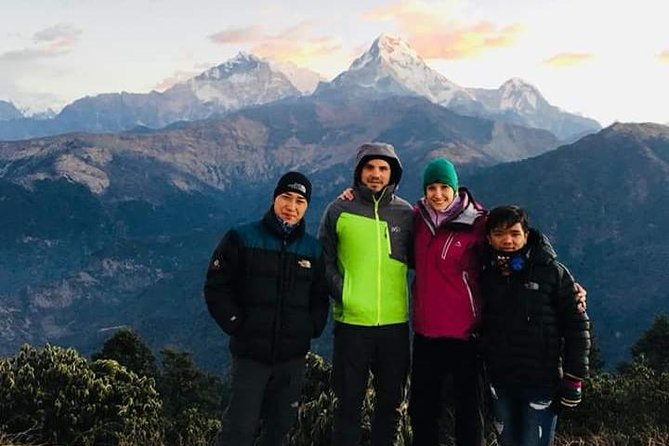
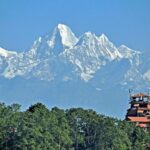
The plan repeats the sunrise theme, which is smart. You’ll walk up a bit in the morning to experience the view of the sun over the vertical mountains of Machhapuchare and Annapurna. Breakfast comes with that “wow” factor if the weather cooperates.
After that, you continue the route as the day shifts from “look up at the peaks” to “keep moving back.” This is also the day where your legs may start to feel the last couple days, so it helps if you’ve been pacing from Day 4.
Tip: bring sunscreen. Even on cooler days, the mountain sun can be sneaky, and foggy mornings don’t always mean mild UV.
Day 6: Back down toward Jhinu hot springs and Pokhara
Your return day includes a classic trail descent story. You follow the same trail back toward Chomrong, then the route descends steeply to Jhinu hot spring. From there, you trek down to Siwai for about two hours, where you take a local jeep back.
Why I like this kind of ending: it gives you a natural “reset” between trekking effort and travel comfort. Hot springs are a bonus, not the main attraction, but they can feel genuinely earned after days in your boots.
Once you’re back in Pokhara, the plan includes a stop at the Pokhara Museum after breakfast, before you move on with the rest of the trip wrap-up. It’s a small cultural add-on that helps the days feel more rounded than just hiking and sleeping.
Price and value: what $699 covers (and what it doesn’t)
$699 per person is not cheap, but for a Base Camp trek it’s in the “structured and included” category. What pushes value up here is the number of core items included:
- Ground transport: Kathmandu airport pick/drop and transport on the trek days, including tourist bus to Pokhara
- Trek logistics: tea house accommodation and most meals while trekking (5 breakfasts, 5 lunches, 5 dinners listed)
- Permits: trekking permits are included
- Guide support: an English-speaking guide/sherpa and their equipment/role support is included
- Cold-weather gear: a down jacket and sleeping bag are provided
- Extras: a hiking t-shirt, farewell dinner, and a certificate of achievement are part of the package
What’s not included matters for budgeting:
- Food in Kathmandu and Pokhara
- Your arrival visa fees
- Tips for the guide and staff
- Travel insurance
- Any extra accommodation outside the scheduled plan
My advice for value checks: if you would normally spend money renting a sleeping bag and jacket, and you dislike arranging permits/transport yourself, this price starts to look more reasonable fast. If you already own good trekking sleep gear and you prefer total independence, you might find cheaper options—but you’d likely spend more time coordinating.
The guide, the group size, and the small details that can make or break it
This trek runs with a maximum of 12 travelers, which is a strong size for small-group walking. You should get a better sense of pace control and fewer bottlenecks on narrow trail sections.
The guide is a big part of your experience. Your operator specifies an English-speaking guide/sherpa who handles trek arrangements and permits. That’s exactly what you want on a short trek: fewer decisions on your feet, more time to focus on altitude, rhythm, and scenery.
Here’s the caution pulled from real-world feedback: there have been departures where water purification support wasn’t ready as promised. In some cases, water tablets weren’t brought and the guide was not immediately willing to correct the mistake, leading to you potentially needing to purchase treatment items yourself. That doesn’t mean every trip is like that, but it does mean you should plan like it could happen.
Practical move before you start: ask your guide (or your Kathmandu contact) exactly what’s provided for water purification and what you should buy if it’s not on hand.
Tea houses, meals, and what to expect day to day
Tea houses are the backbone of this trekking style. You’ll get accommodation and meals arranged on the trek rather than having to coordinate where to eat each evening. That’s a big advantage on a short itinerary.
Meals included are clearly listed across trekking days: breakfast, lunch, and dinner are part of the package counts (5 each). Still, you’ll want to remember that tea house menus can vary by place and season, and on cold days you’ll appreciate a consistent hot-drink routine.
If you’re sensitive to stomach issues, keep your habits simple: stick to what you can tolerate, drink treated water, and don’t suddenly change food choices just because you’re hungry.
What to pack and how to prepare for cold nights
The most helpful piece of information for packing is that a down jacket and sleeping bag are included. That reduces the weight and gear cost you might normally worry about when traveling to Nepal.
But you still should bring the human basics:
- layers you can wear on sunrise mornings (when the air is at its coldest)
- a daypack for water, snacks, and layers
- sun protection, especially for clear mountain days
- small items for cold hands and feet
Because this is a short trek, you’ll likely feel the cold more than you’d expect if you’re from a warm climate. The provided gear helps, but your clothing system still matters.
Weather and schedule reality at Annapurna Base Camp
Your operator notes that the experience requires good weather. That’s honest: mountain weather can change fast, and sunrise views (mentioned in multiple days) are weather-dependent.
If you care deeply about seeing the peaks at their best, build patience into your expectations. Even on days when the tallest views are partially blocked, the trekking corridor still delivers changing scenery, forest sections, and village life.
Who this trek suits best
This is a good match if you:
- want a classic Annapurna Base Camp experience without a long expedition
- like the idea of tea house lodging and having meals mostly handled
- prefer a guided plan with transport and permits taken care of
- want small-group energy (max 12)
This might not be the best match if you:
- need fully self-sufficient logistics with no surprises
- are extremely risk-averse about water treatment supplies
- want a lot of slack time for acclimatization
Should you book this Annapurna Base Camp trek?
I’d consider booking if you want a structured, short Annapurna Base Camp run with gear included, permits handled, and a guide to keep the trek moving. The plan makes sense for first-timers who still want real mountain impact, especially with the focus on Machhapuchare and sunrise moments.
Before you commit, do two things: confirm exactly what’s provided for water purification, and double-check what “included meals” cover on Day 1 and Day 6, since food in Kathmandu and Pokhara is listed as not included. If those boxes are clear and you’re comfortable with a tight schedule, this can be a very satisfying way to experience the Annapurna Range without burning your whole vacation.
FAQ
Where does this trek start and end?
The trek starts in Kathmandu and includes travel to Pokhara early on. You’ll spend the core trekking days heading toward Annapurna Base Camp, and the trip ends with a return to Pokhara.
Is airport transfer included?
Yes. Airport pick and drop off is included, along with other ground transportation during the trek.
What trekking support is included?
You’ll have an English-speaking friendly trekking guide/sherpa. Permits are included, and tea house accommodation and meals on the trek are included.
Are meals included during the trek?
Yes. The package includes breakfast (5), lunch (5), and dinner (5) during the trekking portion.
What gear do I need if sleeping bags and jackets are included?
A down jacket and a sleeping bag are included. You still need your own comfortable trekking clothes, layers for cold mornings, and day essentials like water and sun protection.
How large is the group?
This experience has a maximum of 12 travelers.
What’s not included in the price?
Not included: food in Kathmandu and Pokhara, arrival visa fees, tips for the guide and staff, and travel insurance.
What’s the cancellation approach if weather is poor?
The experience requires good weather. If it’s canceled due to poor weather, you’ll be offered a different date or a full refund. You can also cancel for a full refund up to 24 hours before the experience start time.