REVIEW · KATHMANDU
3 Days Chisapani Nagarkot Trek
Book on Viator →Operated by himalayan sanctuary adventure private limited · Bookable on Viator
Hiking to Himalayan views without the fuss. This 3-day Chisapani Nagarkot trek lines up the essentials for you: an English-speaking trekking guide, porters to handle luggage, and meals cooked along the way so you’re not constantly hunting food. You’ll spend two nights in mountain lodges/hotels, with big viewpoints and a very doable walking schedule for a lot of people.
I also like how this trip is truly private for your group, which usually makes the pace feel calmer and the experience more personal. Guide Ganesh is specifically praised for encouragement, and Bishnu Bhatta is thanked for service, so the human touch seems solid. One consideration: you will walk roughly 4 to 7 hours on hiking days, including uphill and downhill, so it’s not a sit-and-sightsee outing.
In This Review
- Key things I’d circle before you book
- Chisapani to Nagarkot Trek: Why this route feels practical
- Day 1: Kathmandu to Sundarijal to Chisapani Lodge (the uphill starter day)
- What can feel challenging on Day 1?
- Day 2: Chisapani to Nagarkot (forest trails, village life, and those big views)
- The biggest Day 2 reward
- Day 3: Nagarkot sunrise, Chagunarayan Temple, and Bhaktapur Durbar Square
- One note on entrances
- Food, guides, and porters: what inclusion really means here
- Price and value: Is $320 fair for this 3-day trek?
- Logistics that affect comfort: timing, transport, and the private-group feel
- Who this trek suits best (and who should reconsider)
- Should you book the 3 Days Chisapani Nagarkot Trek?
- FAQ
- FAQ
- How long is the Chisapani Nagarkot trek?
- What time does the trek start?
- Is pickup and transportation included?
- Are meals included during the hike?
- Will I have an English-speaking guide?
- Do I get porter help for luggage?
- Where do you stay overnight during the trek?
- What sightseeing is included on the way back?
- What is not included in the price?
Key things I’d circle before you book
- All meals on the hike: lunch and dinner on Day 1, full meals on Day 2, plus breakfast and lunch on Day 3
- Porter support for luggage: a porter for every 2 trekkers means you carry less
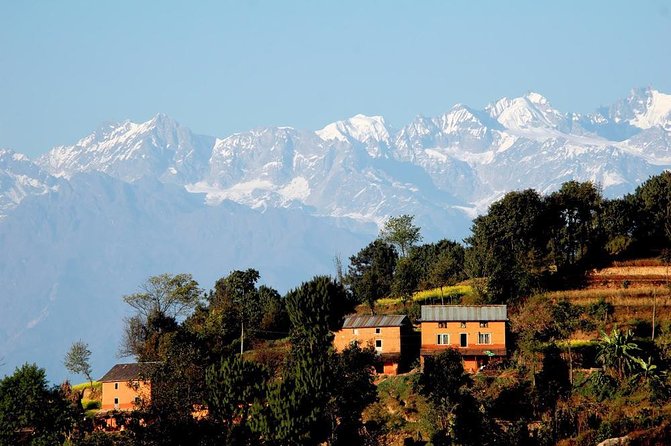
- Nagarkot sunrise and sunset: you’re positioned for both, not just one photo-op
- Forest birdwatching time: pine and oak forest plus Shivapuri National Park vibes
- Cultural stops built in: Chagunarayan Temple and Bhaktapur Durbar Square are part of the final day
- Private trek for your party only: fewer distractions, more control of the flow
Chisapani to Nagarkot Trek: Why this route feels practical
The Chisapani–Nagarkot idea works because it’s short enough to fit a quick getaway, but long enough that you actually feel like you left the city. You’re not doing a one-day circuit where you barely get moving. Instead, you hike from Chisapani (2115m) to Nagarkot (2195m), then roll into Kathmandu with culture stops.
What makes it especially practical is the “systems” approach. You get an English-speaking guide and a porter. Your meals during the hike are handled. Even transportation is included, from Kathmandu to the trail start and back to your hotel. That’s a big deal when you don’t want to spend your energy on logistics.
You can also read our reviews of more hiking tours in Kathmandu
Day 1: Kathmandu to Sundarijal to Chisapani Lodge (the uphill starter day)
Plan for a 7:45 am start. After breakfast in Kathmandu, you drive to Sundarijal, where the trek begins. From there, you gradually gain altitude through pine and oak forest, which is great if you like fresh air and you want the day to start “alive” instead of instantly steep and exhausting.
The walk length is described as about 4–5 hours, with a note that getting to Chisapani can run closer to 5–6 hours depending on conditions and pacing. Translation: you should expect a solid first day of hiking legs. Not a marathon. But you should feel like you earned your bed.
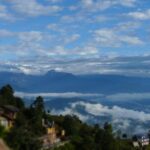
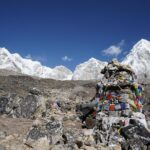
Chisapani itself is where the scenery and culture meet. You’ll see panoramic views over the valley and Himalayas from the area, and you’ll pass through a place described as home to residents of the Sherpa ethnic group. That blend matters because it keeps the hike from feeling like you’re just walking through empty mountains.
Overnight is at a lodge in Chisapani, with lunch and dinner included. This is helpful for budgeting and also for comfort. After a day of walking, you don’t want to start bargaining for dinner with sore calves.
What can feel challenging on Day 1?
If you’re not used to steady uphill walking, Day 1 is the one to watch. The itinerary calls for gradual ascent, but it’s still several hours of effort. The good news: you have a guide, and you’ll be able to move at a pace that works for your group.
Day 2: Chisapani to Nagarkot (forest trails, village life, and those big views)
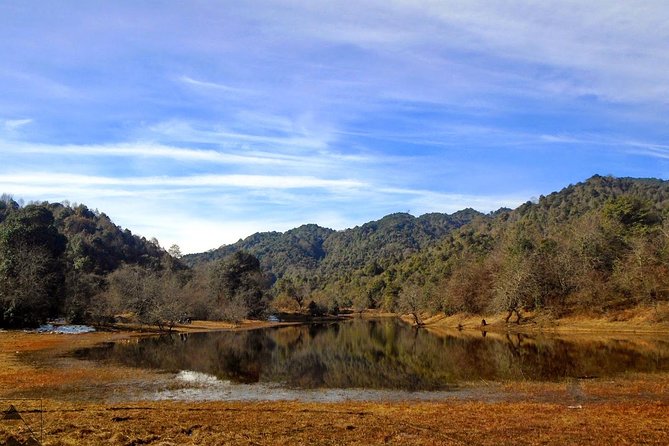
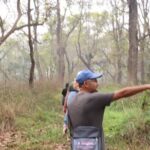
Day 2 is the longest day. Expect about 6–7 hours of walking. The route starts with a stretch described as unsealed road for 2–3 hours through forest, so it’s not constant climbing the whole way. You’re also told you’ll hear birds chirping and feel the natural setting, which is a nice reminder that this trek isn’t only about reaching a viewpoint.
You’ll then pass through areas like Jhule and Chauki Bhanjyang, where lunch is planned. In the additional notes, lunch at Chauki Bhanjyang is described as taking about 3 hours before you continue. That lines up with the overall 6-hour walking feel: a steady day with a proper midpoint break.
After lunch, the trail continues through villages and terraced fields. This is one of the most valuable parts of the trek if you care about Nepal beyond postcards. Terraces and villages mean you see how people live with the land, not just the land itself. And if you like small moments, this is the day where you can notice the rhythm of farming and pathways.
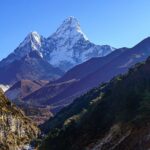
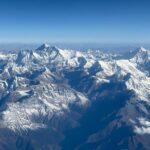
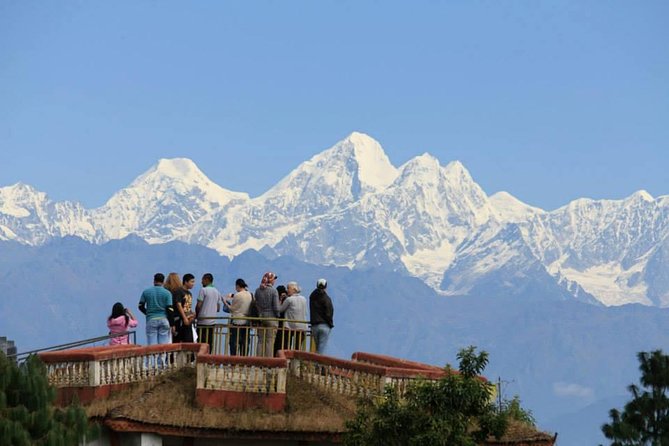
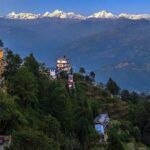
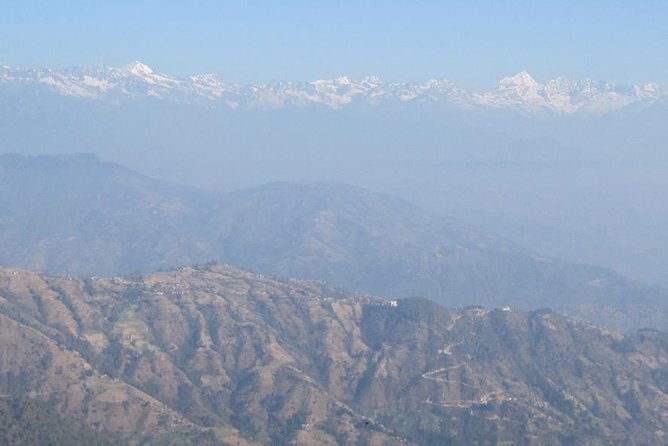
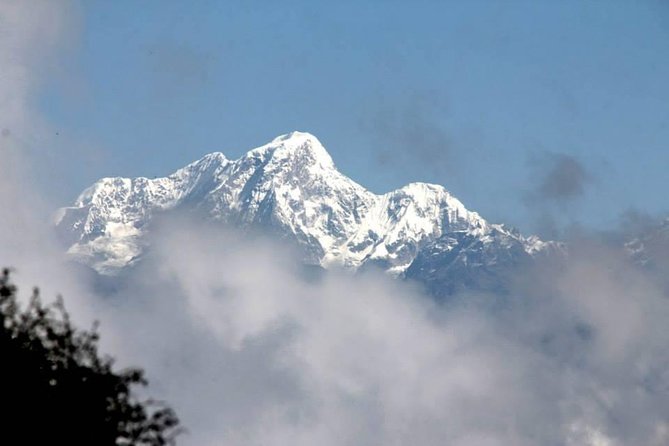
Then comes the push to Nagarkot. The itinerary notes the trail ascends from Kattike Bhanjyang to Nagarkot. Nagarkot is the payoff. From here, you’re positioned for expansive Himalayan views that the notes describe as spanning from Dhaulagiri in the west through Everest and toward Kanchenjunga in the east. The trek also highlights sunset views from Nagarkot.
Overnight is in a hotel in Nagarkot, with breakfast, lunch, and dinner included. That matters more than it sounds. When meals are handled, you’re freer to linger at viewpoints instead of rushing to find food.
The biggest Day 2 reward
The day is designed so the effort lands you at a place where you can watch the mountains change from late day light into sunset. If you’re the type who enjoys taking your time and savoring the moment, Nagarkot is where your patience pays off.
You can also read our reviews of more tours and experiences in Kathmandu
Day 3: Nagarkot sunrise, Chagunarayan Temple, and Bhaktapur Durbar Square
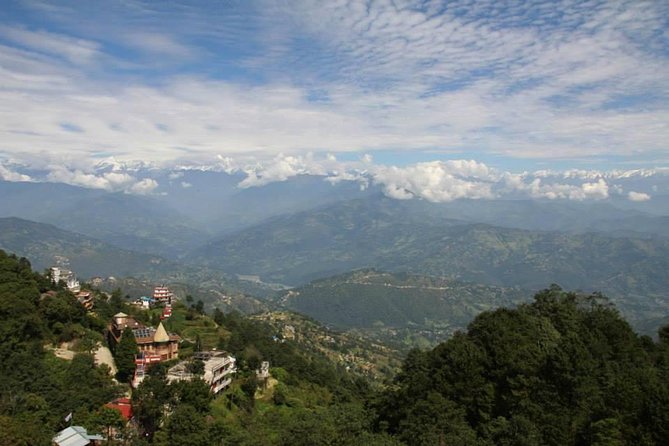
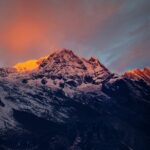
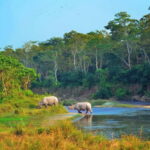
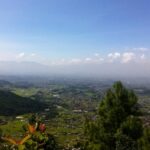
Day 3 is built around two different kinds of beauty: early-morning mountain views and heritage walking. The trip notes specifically mention an early sunrise view from Nagarkot, because Nagarkot sits on a hill and offers a broad view through a Himalayan river valley.
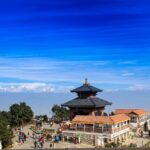
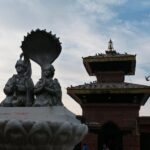
After breakfast, you start walking again, heading downhill until Telkot, then ascending toward Chagunarayan Temple. This temple is described as very old and artistic, and it’s listed as a UNESCO World Heritage site. That gives the day a cultural anchor so it’s not only trekking to another viewpoint and calling it done.
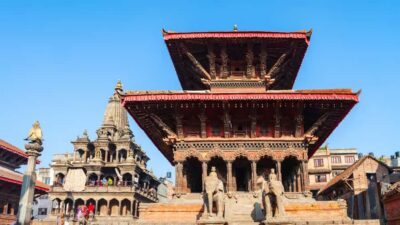
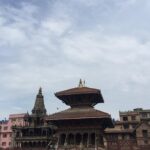
After visiting Chagunarayan, you also make a stop at Bhaktapur Durbar Square. Sightseeing there is included in the package, which is a strong way to end because Bhaktapur is known for being visually dense with history and architecture. You’re not just driving past it.
Then you return to Kathmandu by car and are dropped at your hotel.
The day includes breakfast and lunch, so you’re not scrambling for meals right after sightseeing. The balance is good: some hiking, some heritage, and a comfortable finish back in the city.
One note on entrances
The package says entrance for sightseeing is not included. That means you should budget separately for temple/sight access where fees apply. The good part: you’ll still get the visit time and transportation structure.
Food, guides, and porters: what inclusion really means here
This trek includes all meals while you are on hiking. In practice, that means you get lunch and dinner on Day 1, full meals on Day 2, and breakfast and lunch on Day 3. Meals in Kathmandu are not included, so you’ll still handle your city meals on your own.
This isn’t just about saving money. It’s about pacing. When food is part of the plan, you don’t lose daylight time negotiating menus or waiting on service after a long walk. I like trips where the schedule protects your energy.
The guide is English-speaking, which helps a lot if you want to understand what you’re seeing instead of just walking. The reviews included names like Ganesh and Bishnu Bhatta, and those guides appear to get praised for care and encouragement. That kind of support is especially valuable if you’re solo, or if you just want confidence on days that feel slightly long.
Then there’s the porter system. The notes specify 1 porter for 2 trekkers to carry luggage. You’ll still carry your personal items, but the main “heavy stuff” is off your back. That can be the difference between finishing with a stiff body and finishing with a grin.
Price and value: Is $320 fair for this 3-day trek?
At $320 per person for a 3-day, 2-night trek, you’re paying for a package that includes more than hiking. The value comes from four things:
- Transport is included: Kathmandu to Sundarijal, and Nagarkot/ending back to Kathmandu.
- Food is included on the trail: all hike meals, which reduces guesswork.
- Permit and staffing are included: a national park permit is part of the package, plus guide and porter.
- Cultural add-ons are included: Bhaktapur Durbar Square sightseeing is included on the return day.
Compared to “cheap trekking” options, the biggest difference is the support layer. A guide and porter cost money. Pre-arranged meals cost money. Transport costs money. Even when you personally spend less time dealing with logistics, someone else is still managing them behind the scenes.
What’s not included is also clear: meals in Kathmandu, sightseeing entrance fees, travel insurance, visa fee, and personal items like alcohol, cold drinks, laundry, plus tips. So to judge value properly, you should assume your true cost may rise a bit for those add-ons. Still, the base includes the big-ticket practical pieces that matter on a short trek.
Logistics that affect comfort: timing, transport, and the private-group feel
This is a private trek for just your group. You’re not merged with strangers. That usually helps in real life. Walking pace feels easier to manage, rest stops feel more natural, and it’s simpler to ask questions without feeling rushed.
You also get private transportation at the start and end. That reduces a common stress point in Nepal treks: getting to the trailhead and getting back safely. The itinerary is specific about pickup/transport and a drop-off at your hotel, so you avoid awkward bargaining or last-minute taxi hunts.
The tour is also described as having mobile tickets and confirmation at booking. That part matters less for the hike itself, but it can reduce admin headaches if you’re coming in from abroad.
And yes, the start time is set at 7:45 am. If you’re used to lazy mornings on vacation, this is one of those “nice, orderly starts” that keeps the trek moving.
Who this trek suits best (and who should reconsider)
I’d point this trek toward people who want the Himalayas without a long trekking campaign. It’s described as suitable for most travelers, and the walking days are clearly timed in blocks you can plan around.
This is a strong fit if:
- You want a guided experience with English support
- You want help carrying luggage via a porter
- You prefer meals included so hiking time stays hiking time
- You like viewpoint payoffs at Nagarkot plus cultural stops afterward
You might reconsider if:
- You know you struggle with several hours of uphill/downhill walking
- You really want a fully relaxed vacation with no mid-day hiking time
- You’re not interested in temple and heritage stops like Chagunarayan and Bhaktapur Durbar Square
One more practical thought: because the trek focuses on early light at Nagarkot, you should be okay starting early and keeping your morning routine flexible.
Should you book the 3 Days Chisapani Nagarkot Trek?
If you want an organized, low-hassle trek with real payoff—views, forests, villages, and heritage—this one makes sense. The big reasons to book are simple: all hike meals, a guide plus porter, private pacing, and the fact that the schedule lands you at Nagarkot for both sunset and sunrise.
I’d especially recommend it if you’re doing Nepal as a short trip and you want a clean thread from Kathmandu into the hills and back. The hike days are long enough to feel meaningful, but the trip structure keeps the stress down.
If your ideal trip is mostly city museums and café time, you may find the walking hours too demanding. In that case, you’d be happier with a lighter hike and more Kathmandu time.
FAQ
FAQ
How long is the Chisapani Nagarkot trek?
It’s a 3-day trekking experience with 2 nights (about 3 days total).
What time does the trek start?
The tour start time is 7:45 am.
Is pickup and transportation included?
Yes. Private transportation is included from Kathmandu to the trekking starting point, and from the end point back to Kathmandu, with drop-off at your hotel.
Are meals included during the hike?
Yes. All meals while you are hiking are provided. Meals in Kathmandu are not included.
Will I have an English-speaking guide?
Yes. An English-speaking trekking guide leads the way.
Do I get porter help for luggage?
Yes. A porter is provided to help carry luggage (1 porter for 2 trekkers).
Where do you stay overnight during the trek?
Day 1 is overnight at a lodge in Chisapani. Day 2 is overnight at a hotel in Nagarkot.
What sightseeing is included on the way back?
Bhaktapur Durbar Square sightseeing is included. You also visit Chagunarayan Temple on Day 3.
What is not included in the price?
Not included are meals while you are in Kathmandu, entrance for sightseeing, Nepal travel insurance, Nepal entry visa fee, personal expenses (like alcoholic drinks, cold drinks, laundry), and costs from unavoidable events.