REVIEW · KATHMANDU
Best Nepal Tour: Kathmandu Pokhara Chitwan Tour
Book on Viator →Operated by Shepherd Holidays · Bookable on Viator
Kathmandu temples to jungle wildlife in just days is a smart way to see Nepal fast. This Kathmandu–Pokhara–Chitwan tour packs UNESCO sights, big mountain views, and real animal spotting into a route that keeps the travel days from feeling like punishment. It is built as a private-style group experience with pickup options and a clear plan from day one.
I like the way the itinerary moves you from heritage to nature without leaving you stuck guessing. In Kathmandu, you cover major sacred sites like Pashupatinath and Swayambhunath, then the trip shifts gears toward Pokhara’s lakes and viewpoints. In Chitwan, the focus is practical wildlife time with options like a Jeep safari plus canoeing and a jungle walk, led by a team people specifically praised (including guides Bhim and Ankita).
One consideration: entrance fees for several key sites in Kathmandu and Pokhara are not included, and the Sarangkot sunrise part is weather-dependent. If the morning is cloudy, you may need to adjust what you expect from the views.
In This Review
- Quick hits before you go
- Why this Kathmandu–Pokhara–Chitwan route works
- Day 1 in Kathmandu: temples, stupa views, and a UNESCO square
- Pashupatinath Temple (about 2 hours)
- Swayambhunath, the monkey temple (about 1 hour)
- Boudhha (about 2 hours)
- Patan Durbar Square (about 2 hours)
- What you should expect from Day 1
- Days 2–3 in Chitwan National Park: wildlife with real movement
- Getting to Chitwan and your orientation day
- Day 3: Jeep safari plus canoeing and jungle walk
- The wildlife payoff you should anticipate
- Day 4 Pokhara Lakeside: shifting from temples to water and views
- Included in your Pokhara base
- Day 5 Pokhara circuit: Phewa Tal, caves, falls, and the Seti gorge
- Phewa Tal (about 1 hour)
- Gupteswar Gupha (about 1 hour)
- Devi’s Fall (about 30 minutes)
- Bindhya Basini Temple (about 30 minutes)
- Seti River Gorge (about 30 minutes)
- How to pace yourself on Day 5
- Day 6 Sarangkot sunrise and your return toward Thamel
- Why sunrise is worth planning
- Thamel connection
- Price and logistics: what $600 buys you and what you fund separately
- The value angle
- Guides, drivers, and the worry-free factor
- Weather and what can change your plan
- Who should book this tour
- Should you book this Kathmandu Pokhara Chitwan tour?
- FAQ
- Is airport pickup and drop-off included?
- What is included in the price versus not included?
- Does the tour include entrance fees for temples and heritage sites?
- How long is the tour?
- Is the Sarangkot sunrise included?
- Is free cancellation available?
Quick hits before you go
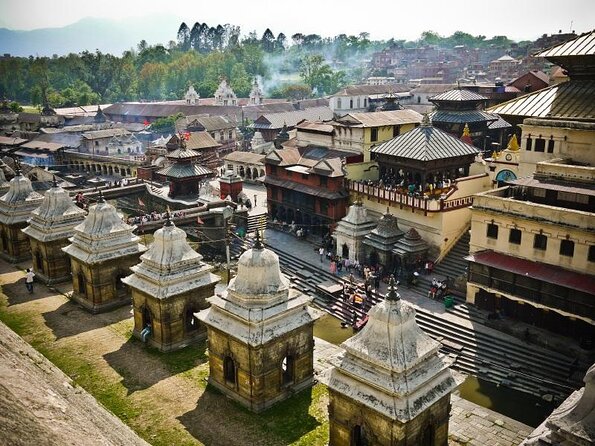
- Temple day in Kathmandu, organized by neighborhoods: Pashupatinath, Swayambhunath, Boudhha, and Patan Durbar Square all land on the same “culture stretch.”
- Chitwan wildlife time with multiple formats: Jeep safari plus canoeing and a jungle walk give you more than one way to spot animals.
- Pokhara sightseeing without rushing the lake: Phewa Tal gets you a classic lakeside moment before the cave and falls circuit.
- Sarangkot sunrise with a real reason to wake up early: you go specifically for mountain views at first light.
- Guide support you can actually reach: reviews highlight easy contact and smooth coordination with drivers and guides.
Why this Kathmandu–Pokhara–Chitwan route works
This tour’s biggest strength is its logic. You start in Kathmandu, where the historical and religious sites are concentrated enough to see a lot in one day. Then you shift to Chitwan, where the experience is all about getting out into the park. After that, you move to Pokhara, a calmer base for lakes, caves, waterfalls, and viewpoints.
For you, that means fewer “travel-only” days and more time where the action is. It also means you get a good contrast: temples and stupa energy in Kathmandu, big wildlife focus in Chitwan, then gentler scenery in Pokhara.
If you care about value, the route also helps. The package includes meals (lunch once plus multiple breakfasts and dinners) and includes hotels for Chitwan and Pokhara with twin sharing + breakfast. That can reduce the add-on costs that often pop up when you build the trip yourself.
You can also read our reviews of more tours and experiences in Kathmandu.
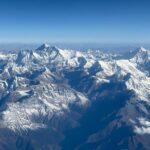
Day 1 in Kathmandu: temples, stupa views, and a UNESCO square
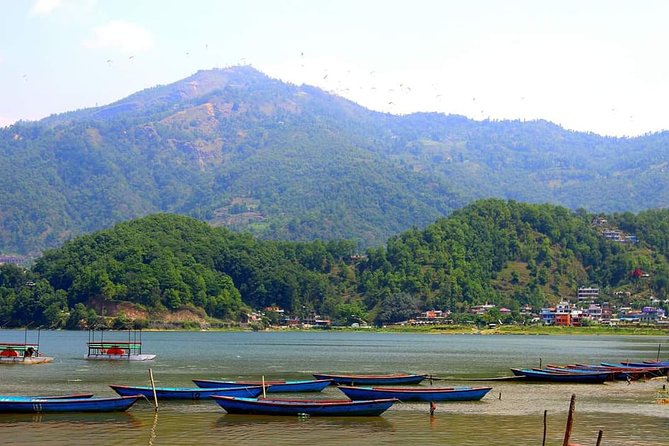
Day one is all about classic Kathmandu hits, arranged in a way that keeps you moving through different styles of sacred space.
Pashupatinath Temple (about 2 hours)
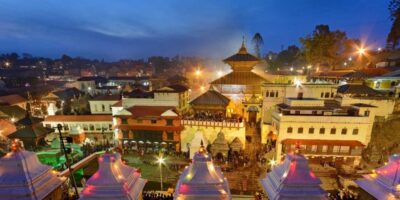
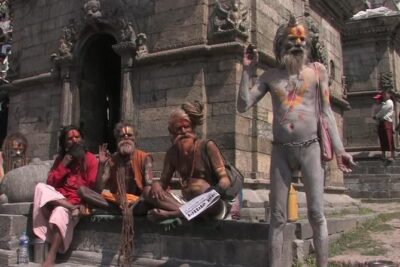
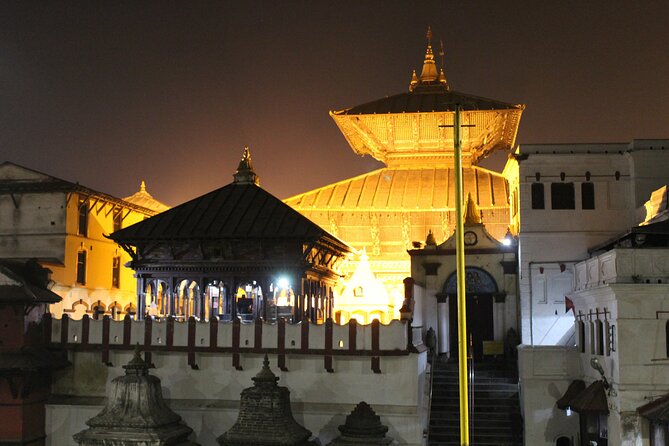
You start at Pashupatinath, one of the most famous Hindu temples in Nepal. It sits about 5 km east of the city center on the Bagmati River. The place is highly ornamented and dedicated to Lord Shiva. This stop is a strong choice if you want Nepal’s religious life to feel immediate, not staged.
Practical note: the admission ticket is not included, so budget for that before you reach the gate. Also, bring a respectful mindset and plan for crowds and close viewing.
Swayambhunath, the monkey temple (about 1 hour)
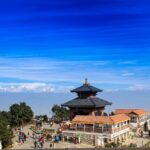
Next comes Swayambhunath, often called the monkey temple by western visitors because monkeys live around the stupa area. This is the kind of stop that rewards you with small details: the mix of arts and architecture, plus the viewpoint over Kathmandu Valley.
If you want a quick but memorable viewpoint without a long hike, this is the play. The good news is the admission is free.
Boudhha (about 2 hours)
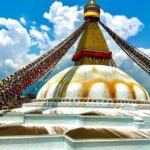
Then you go to Boudhha (Boudhanath), described here as the oldest and largest stupa in the valley, built in the 5th century. It has the famous “eyes” motif and a sense of big, patient devotion. This is a stop that tends to slow you down in a good way.
The admission is free in this package, which helps keep the total cost under control.
Patan Durbar Square (about 2 hours)
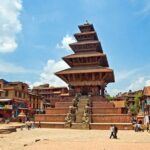
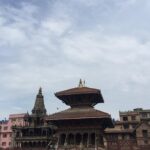
Finally, you reach Patan Durbar Square in Lalitpur, a UNESCO World Heritage Site. The highlight is the ancient royal palace area connected to the Malla Kings. It’s a different flavor than Kathmandu’s older sacred intensity, with a more palace-and-courtyard feel.
Admission here is not included, so again, plan for entrance fees.
What you should expect from Day 1
Day one is dense. You will see major sites, but you will also spend time walking between stops and managing crowds. If you like structured days where you hit the best-known places without decision fatigue, this day fits you well. If you need long breaks or slow museum pacing, you might wish the schedule had more breathing room.
Days 2–3 in Chitwan National Park: wildlife with real movement
Chitwan is where the tour stops being about sightseeing and starts being about doing. The schedule splits Chitwan across two days, which helps because wildlife experiences can be unpredictable.
Getting to Chitwan and your orientation day
After breakfast, you head to Chitwan by tourist bus or private car. Once there, you get a full schedule of what’s coming. Lunch is included, and the day is set up so you transition smoothly from travel mode to park mode.
This day is also your buffer. Even if you get less dramatic wildlife sightings than you hoped, the tour still gives you structured park time.
Day 3: Jeep safari plus canoeing and jungle walk
Day three is the main activity day. You go inside the National park for a Jeep safari and additional jungle and non-jungle activities such as canoeing and a jungle walk.
Why this matters: wildlife viewing is not one single skill. Sometimes you spot movement from the vehicle. Other times, you catch birds or smaller wildlife around the water and along paths. Mixing formats increases your odds and keeps the day interesting even if sightings are quiet at first.
Also, reviews emphasize how well the team handled everything, including drivers and guides. The people who booked with Shepherd Holidays specifically noted that the group felt easy to manage and worry-free, with solid communication and a friendly working rhythm.
The wildlife payoff you should anticipate
Chitwan is known here for spotting animals including elephants, one-horned rhinos, tigers, and crocodiles, plus many birds. The honest part: wildlife is wildlife. You might see more than expected or less than you hoped. What you can count on is that the tour gives you multiple chances to be out in the park, not just one short excursion.
Day 4 Pokhara Lakeside: shifting from temples to water and views
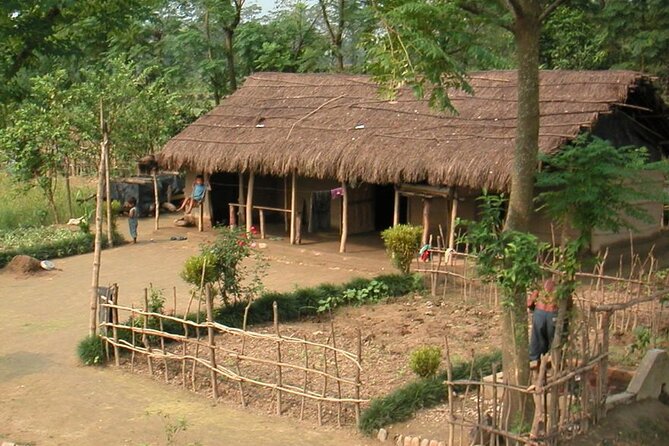
After Chitwan, you drive to Pokhara by tourist bus or private car. This day is about arrival and settling in, not a sprint through stops.
The itinerary gives you a long 12-hour window for Pokhara Lakeside. That flexibility is useful. You can take in the lake energy, orient yourself, and handle little needs like getting comfortable with local walking routes.
Pokhara is also your scenic gear shift. The pace usually feels slower than Kathmandu. If Kathmandu wore you out, this is where you exhale.
Included in your Pokhara base
Your package includes hotel/resort in Pokhara (twin sharing with breakfast). Reviews mention stays that felt comfortable, with one described as having AC and a pool, plus good food. Not every property will match that exact setup, but it’s a positive sign that the accommodation choices can be more than basic.
Day 5 Pokhara circuit: Phewa Tal, caves, falls, and the Seti gorge
Day five is a sightseeing day shaped like a circuit around Pokhara’s signature natural sights. It moves efficiently, but you should be ready for short transfers and enough walking to keep it active.
Phewa Tal (about 1 hour)
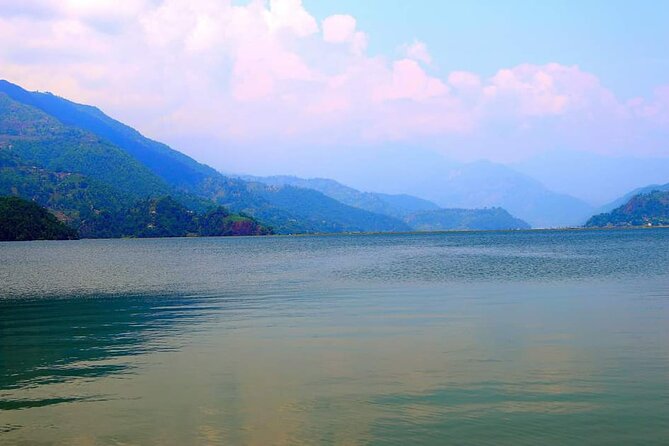
You start with Phewa Tal (Fewa Lake), noted here as the second-largest lake in Nepal. The lake is surrounded by jungle and the Fishtail mountain can reflect in the water. There’s also Barahi Temple in the middle of the lake, which adds that classic “Nepal postcard” feel.
Admission is free here, which is another plus. This stop is ideal if you want one clean moment of mountain-lake calm before the cave-and-fall sequence.
Gupteswar Gupha (about 1 hour)
Next is Gupteswar Gupha, a cave listed as about 3 km long. Cave means gupha in Nepali, and this stop is tied to worship of Lord Shiva (Mahadev).
Admission here is not included. Also, cave visits often mean uneven surfaces and cooler air. Wear shoes you can trust, and keep your expectations realistic: it is a temple-cave experience, not a theme park.
Devi’s Fall (about 30 minutes)
Then you go to Devi’s Fall, also known locally as PATALE CHHANGO. The stop is short, which makes sense because the main draw is the waterfall view and the story around it.
Admission is not included. Bring a light rain layer if weather shifts, since these spots can get damp.
Bindhya Basini Temple (about 30 minutes)
You also include Bindhya Basini Temple, dedicated to Goddess Bhagabati. This stop is smaller, more focused, and fits well between the bigger natural stops.
Admission is not included again, so it’s part of your “budget the fees” pattern.
Seti River Gorge (about 30 minutes)
Finally, you reach Seti River Gorge, created by the Seti River. It’s described as showing white water because Seti means white in Nepali, and you see the deep gorge created by the river.
Admission is not included. This stop is quick, but it adds variety, moving you from lake to cave to falls to gorge within one day.
How to pace yourself on Day 5
Day five is packed with short stops. If you love variety, it’s a fun day. If you prefer fewer stops with more time in each, you might find some segments feel brief. Still, the payoff is clear: you leave Pokhara with multiple iconic photos and multiple styles of scenery.
Day 6 Sarangkot sunrise and your return toward Thamel
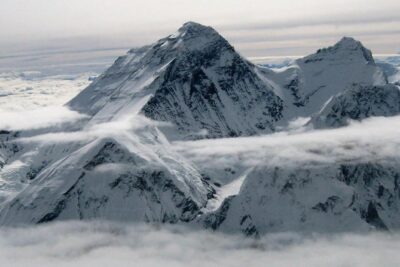
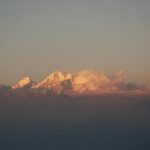
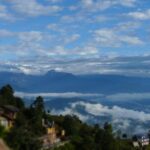
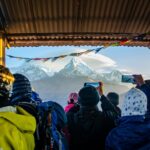
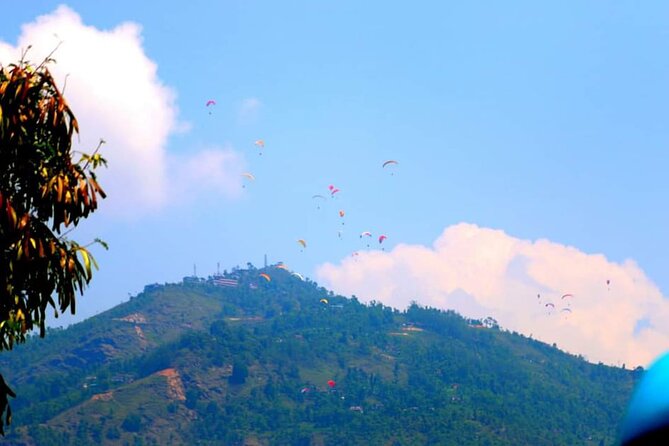
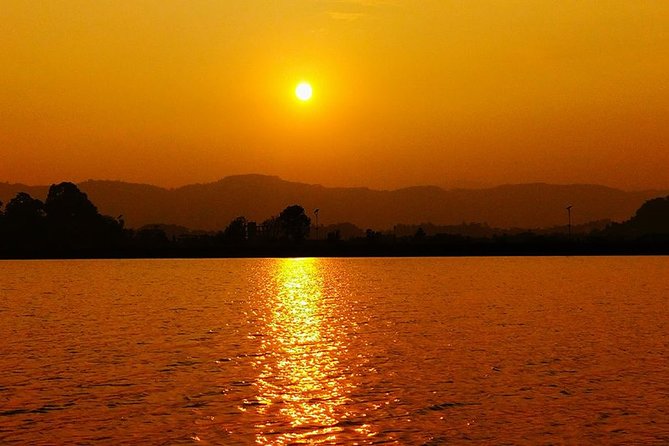
Day six starts early for Sarangkot Hill sunrise, described here as a popular viewpoint for early morning mountain views. This is the kind of stop that can be priceless when the sky is clear.
Then you go back to your hotel for breakfast, and you return to Kathmandu by tourist bus/private car or you can fly back to Kathmandu (not included, listed as extra).
There’s a key reality check here: the experience requires good weather. If it’s canceled due to poor weather, the tour offers a different date or a full refund.
Why sunrise is worth planning
Even if you are not a “sunrise person,” Sarangkot is the highlight that makes this combo feel special. It’s a morning-based reward, not a random sightseeing add-on. If you get clear skies, the views can make the earlier days feel like part of a bigger story.
Thamel connection
The itinerary places you at Thamel in the day six framing. In practice, that usually means you end near one of Kathmandu’s main tourist areas, which helps if you want to explore on your own after the tour. Your exact end point depends on the transfer pattern chosen, but the schedule is designed so you’re not dropped in a confusing place.
Price and logistics: what $600 buys you and what you fund separately
At $600 per person, this tour sits in a “group value with structure” zone. You are paying for coordination, transport between major regions, and multiple included meals, plus hotels where they matter most for comfort.
Here’s what’s included:
- Pickup & drop-off to and from the airport
- Lunch (once)
- Breakfasts (3) and dinners (2)
- Hotel/resort in Chitwan and Pokhara, twin sharing with breakfast
- Salary and insurance of ground staff
- Government taxes and official expenses
- Mobile ticket
- Group discounts and pickup offered
Here’s what is not included:
- International airfare
- Nepal entry visa
- Accommodation and food in Kathmandu (besides breakfast)
- Entrance fees at heritage sites in Kathmandu and Pokhara
The value angle
If you were doing this on your own, you would still pay for hotels in at least two places, long transfers, and guides or transport to handle all the stops cleanly. The savings often come from not having to stitch every piece together and negotiate the order of operations.
The “hidden cost” risk is mostly entrance fees and the Kathmandu lodging/food portion. If you plan ahead for those, the $600 can feel fair rather than cramped.
Guides, drivers, and the worry-free factor
A strong theme in the feedback is how easy the trip felt because the team stayed reachable and organized. The guides Bhim and Ankita get specific praise, and people also mention a great driver-guide team and easy contact at any time.
That matters more than it sounds. In Nepal, schedules can change due to roads, weather, or simple timing. When your ground team communicates clearly, you lose less time to confusion. And that makes the big-ticket parts—Chitwan safari days and the sunrise morning—feel less stressful.
It also helps that the tour is described as private in the sense that only your group participates. That usually means you are not stuck in a huge crowd of unrelated travelers all day long.
Weather and what can change your plan
This tour is built with nature in mind, so weather matters.
The itinerary specifically flags good weather for the experience, and if it is canceled due to poor weather, you get offered a different date or a full refund. That is especially relevant for Sarangkot sunrise, which is often at its best with clear skies.
In general, you should also expect minor timing shifts. Nature days like Devi’s Fall, caves, and Seti Gorge can feel different depending on rain and visibility, so keep a flexible attitude.
Who should book this tour
You’ll likely enjoy this itinerary if:
- You want one trip that covers Kathmandu, Pokhara, and Chitwan
- You like a clear plan with guides handling the logistics
- You want wildlife experiences that go beyond a single short outing
- You prefer comfortable hotels in at least two key bases (Chitwan and Pokhara)
You might want to reconsider if:
- You hate packed schedules and want more free time in each city
- You are trying to keep costs ultra-low, since entrance fees and Kathmandu accommodation/food are not included
This is a strong fit for couples, small groups, and anyone who values structure without losing the feeling of seeing Nepal up close.
Should you book this Kathmandu Pokhara Chitwan tour?
If you want Nepal’s big highlights in a tight, organized route, this is a solid choice. The combination makes sense: culture in Kathmandu, wildlife focus in Chitwan with multiple activity types, then Pokhara’s lakes and iconic natural stops, ending with a sunrise viewpoint morning.
The deal-breakers to watch are simple: plan for entrance fees, expect to cover Kathmandu lodging/food separately, and accept that sunrise depends on weather. If you can live with those, you get a well-built itinerary and a team that people repeatedly describe as responsive and smooth.
FAQ
Is airport pickup and drop-off included?
Yes. The package includes pickup and drop-off to and from the airport.
What is included in the price versus not included?
Included are lunch, breakfast (3), dinner (2), hotels in Chitwan and Pokhara with breakfast, and government taxes/official expenses. Not included are international airfare, Nepal entry visa, and Kathmandu accommodation/food (besides breakfast), plus entrance fees at heritage sites.
Does the tour include entrance fees for temples and heritage sites?
No. Entrance fees for heritage sites in Kathmandu and Pokhara are not included.
How long is the tour?
The duration is listed as about 6 days.
Is the Sarangkot sunrise included?
Yes. The schedule includes going to Sarangkot Hill early in the morning for sunrise views, but the experience requires good weather.
Is free cancellation available?
Yes. You can cancel up to 24 hours in advance for a full refund, and poor weather cancellations may be offered on a different date or refunded fully.