REVIEW · KATHMANDU
Kathmandu Heritage & Monuments Sightseeing
Book on Viator →Operated by Walk Mountain Pvt Ltd. · Bookable on Viator
A day like this is a shortcut to Kathmandu’s sacred map. You’ll do a focused heritage and monuments loop with private transport, hotel pickup, and time to linger at each landmark. It’s built for people who want the big names without the hassle of figuring out routes, parking, or how to pace temples and stupas in one go.
I especially like the convenience of private round-trip transportation (car with driver, fuel, and parking covered) paired with a flexible itinerary. That means you’re not stuck on a rigid checklist while your feet beg for a break. The main trade-off to weigh: monument entry tickets and tour guides aren’t included, so you’ll want to budget for those once you know what you’ll pay at each site.
The day starts with a meet-and-greet. You’ll connect with the representative either the day before or on tour day, then the driver comes to pick you up at your hotel around 9:00 am.
In This Review
- Key highlights that make this tour worth your time
- Price and logistics: what $147 really covers
- Hotel pickup and the rhythm of a 9:00 am start
- Boudhanath Stupa: where big-scale Buddhism feels personal
- Pashupatinath Temple: Hindu ritual energy without the tourist fog
- Swoyambhunath Stupa (Monkey Temple): views, stairs, and monkey manners
- Durbar Square and Patan: architecture you feel in your feet
- How the flexible private itinerary actually helps
- What to bring and how to behave at sacred sites
- Who this tour suits best (and who should skip it)
- Should you book Kathmandu Heritage & Monuments Sightseeing?
- FAQ
- Is this a private tour or a shared group tour?
- How long is the Kathmandu Heritage & Monuments Sightseeing tour?
- Where does the tour start and what area is it in?
- What does the $147 price include?
- Are monument entry tickets included?
- Is food or drinks included?
- Will I get hotel pickup and drop-off?
- What’s the meeting process before the tour?
- What’s the cancellation policy?
Key highlights that make this tour worth your time
- Private for your party: less rushing, more “stop when it feels right.”
- Hotel pickup and drop-off (selected hotels): you spend energy on sights, not logistics.
- Heritage-first route: big, meaningful landmarks tied to both Hindu and Buddhist traditions.
- Time to explore at each monument: your guide/driver pace is built around you.
- Entry tickets not included: plan ahead so you don’t hit sticker shock at gates.
- Comfort factor: a full day can feel intense, and the driver helps you keep momentum.
Price and logistics: what $147 really covers
At $147 for about 6 hours, the big value here is transportation and the “remove-the-work” factor. You get a private vehicle with a driver, plus fuel and parking charges. That can be a lot in Kathmandu, where traffic and wandering for parking can steal time you’d rather spend at the monuments themselves.
What’s not included is equally important. Entry tickets for the monuments and any official tour guides are not included. Food and drinks aren’t included either. So the real cost becomes: tour price plus site entry plus any guide add-ons plus snacks/water.
If you’re traveling with a group or you’re okay splitting a private vehicle, the price can feel especially fair because you’re not paying for a generic big-group scramble. And if you’re the type who wants photos, explanations, and time to observe rituals, you’ll get more out of it if you arrive ready to pay for entries (and possibly a guide where you want extra context).
You can also read our reviews of more historical tours in Kathmandu
Hotel pickup and the rhythm of a 9:00 am start
This tour is built around a straightforward rhythm. A representative meets you either the day before or on tour day at your hotel to explain how the day will run. Then your driver picks you up around 9:00 am and takes you from site to site, dropping you back at your hotel after the tour.
That structure matters because Kathmandu’s heritage sites are spread out enough that a “start early, finish before exhaustion” plan helps. If you’re prone to late mornings, this one won’t be for you, but if you like a clean, organized day, you’ll appreciate the pacing.
One more practical detail: pickup/drop-off works for selected hotels only. If your lodging is outside that range, you may need to confirm where the pickup point is (or whether a nearby meeting option is offered). It’s also listed as near public transportation, which can be useful if you ever need a backup plan.
Boudhanath Stupa: where big-scale Buddhism feels personal
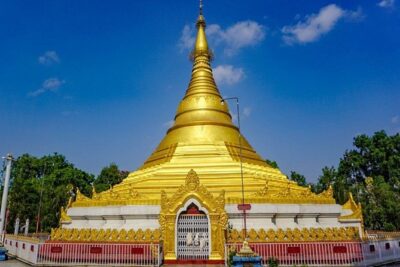
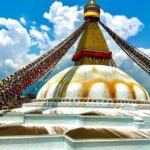
Boudhanath is one of those places where you can’t just look. You end up slowing down. You’re going to the Boudhanath, described as the world’s biggest stupa. Even if you’ve seen stupas in photos, Boudhanath’s scale and atmosphere tend to reset your idea of what “a monument” can be.
What I’d expect you to do here: walk the perimeter, watch visitors circle, and pay attention to how people move. Buddhist sites like this aren’t museums. They’re living places of practice. That means your best experience comes from observation more than “checking off” points.
A practical tip: wear layers. This area can feel cool early and then change quickly as the day goes on. Also, plan to stand back when people are actively praying or chanting, even if you’re just trying to get a good shot. Respect here buys you calm, and calm makes photos better.
Pashupatinath Temple: Hindu ritual energy without the tourist fog
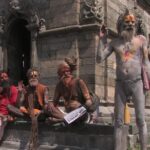
Next on the route is Pashupatinath, the sacred Hindu temple dedicated to Lord Shiva. This stop is typically intense in the best way—spiritual, busy, and deeply tied to Nepal’s daily religious life.
Here’s what makes this site meaningful: you’re not just viewing architecture. You’re witnessing a living spiritual landscape. That can feel overwhelming at first if you’re new to Hindu temples, so I recommend you give yourself a few minutes to reset your eyes and mindset before you start wandering.
A few behavior notes help a lot:
- Dress modestly for temple areas.
- Keep your movements slow and avoid blocking processions.
- If you see people preparing for ritual or prayer, stand aside rather than stepping into their path.
If you want to learn what you’re looking at, this is a prime moment to consider a guide add-on since the tour itself notes that tour guides aren’t included. A good explanation can turn “I saw a temple” into “I understood what I just watched.”
Swoyambhunath Stupa (Monkey Temple): views, stairs, and monkey manners
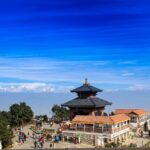
Swoyambhunath Stupa, also called the monkey temple, is a highlight for a reason. It’s a hilltop stop with big views over Kathmandu Valley and a temple complex that keeps people coming back.
The practical catch: it’s a walking-heavy site. Even if you’re healthy, the stairs and uneven ground can slow you down, especially after other stops. Wear shoes with grip and plan to pace yourself.
Now about the monkeys. You’ll likely see them at close range, which can be fun—but it also means you should protect your belongings. Don’t carry tempting snacks loosely, and keep bags zipped. If a monkey gets too curious, move calmly out of its way.
This is also one of the best places on the day to take your time. The “view payoff” is real, and you don’t need to rush to enjoy it. If your guide or driver is letting you linger (private tours usually do), this is the spot where you’ll feel glad you didn’t compress it.
Durbar Square and Patan: architecture you feel in your feet
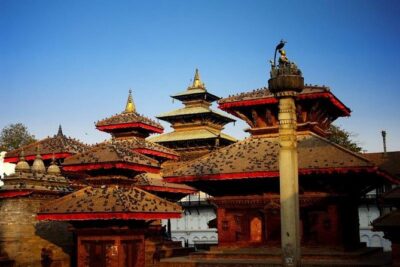
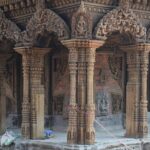
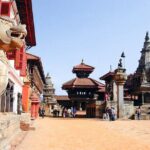
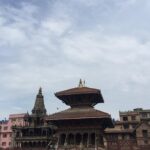
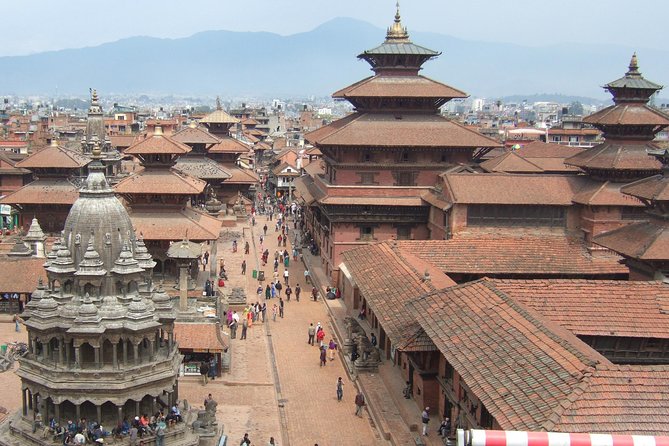
The day includes Durbar Square, with a special emphasis on Patan Durbar Square as a historical and architectural highlight. Durbar Squares are the kind of places where buildings don’t just sit there. They tell you who ruled, how religion shaped public space, and how art was used as power.
In Patan Durbar Square, you’ll also encounter Kumari, widely known as the Living Goddess. The tour description flags it as having both religious and cultural importance to Nepalese people. That matters because Kumari isn’t just a photo stop. It’s a symbol that connects tradition, belief, and identity.
Practical note: Kumari-related access and what you can see can depend on local conditions. The tour description doesn’t guarantee a specific moment beyond the focus on Kumari and its importance in Patan Durbar Square. So set expectations for observation first, and treat it like a cultural moment rather than a guaranteed performance.
If you’re curious about details, this is another excellent place to have a guide if you choose one. Architecture at Durbar Squares can look “busy” until someone explains what you’re seeing.
How the flexible private itinerary actually helps
A flexible itinerary sounds nice in marketing. Here, it matters because Kathmandu’s heritage sites don’t behave like clockwork attractions. Temples can have pauses for rituals. Stupas can draw crowds unexpectedly. And for people who get tired quickly, the ability to stop, breathe, and move at your pace can make the difference between a great day and a “too much, too fast” day.
This tour is private for your party, so you’re not being yanked along at group speed. You’re also spending time at key landmarks rather than cramming in dozens of minor stops.
One detail I took seriously from accounts tied to this kind of service: guides who respect your pace can make the day smoother. In at least one experience note, the guide Khumud was praised for stopping for coffee breaks when needed. That’s not a small thing in Kathmandu. A short pause can keep your legs and attention working well.
What to bring and how to behave at sacred sites
You’ll get the best day if you treat it like a temple-and-stupa itinerary, not a casual sightseeing walk.
Bring:
- Comfortable, grippy shoes (stairs are common).
- A light layer for mornings and cooler sacred areas.
- Cash for entry tickets if your booking doesn’t cover them (the tour description says monument entry tickets aren’t included).
- Water. Food isn’t included, so have your own simple snack plan.
Wear:
- Modest clothing for temple areas. Covering shoulders and knees often helps.
- A scarf or shawl can be useful if you’re asked to cover more.
Behavior:
- Walk slowly in sacred zones. Don’t block entrances or ritual spaces.
- Ask before taking close-up photos of people at worship.
- Keep your valuables secured around monkey areas.
Also, plan mentally for a day that’s partly observation. The “best shots” sometimes come when you’re not chasing them.
Who this tour suits best (and who should skip it)
This is a strong fit if:
- You want a private day focused on Kathmandu’s most important heritage landmarks.
- You’d rather pay for comfort and organization than navigate transport on your own.
- You like your sightseeing structured around meaning, not just landmarks.
It may not be ideal if:
- You hate early starts. The driver comes around 9:00 am.
- You’re trying to keep costs extremely low. Entry tickets, tour guides (if you add them), and food/drinks aren’t included.
- You prefer a slow, deep museum-style day. This is a concentrated 6-hour loop across multiple major sites.
One more rule matters for families: minimum age is 18, and children must be accompanied by an adult. If you’re traveling with minors, confirm details before you book.
Should you book Kathmandu Heritage & Monuments Sightseeing?
I think you should book it if you want a practical, organized heritage day in Kathmandu with private transport and hotel pickup. It’s especially good value when you add up what you’d spend on rides, parking hassles, and time lost between scattered monuments.
Skip it (or plan differently) if you don’t want to handle extra costs at the gates. Since monument entry tickets and tour guides aren’t included, you’ll either want to budget for those or be comfortable exploring without extra interpretation.
If your ideal day includes: early start, a mix of Hindu and Buddhist sacred places, and a guide/driver who keeps the pace reasonable, this one fits well.
FAQ
Is this a private tour or a shared group tour?
It’s a private tour/activity, meaning only your group participates.
How long is the Kathmandu Heritage & Monuments Sightseeing tour?
The duration is about 6 hours.
Where does the tour start and what area is it in?
It starts in Kathmandu, within the Kathmandu Valley area.
What does the $147 price include?
It includes hotel pickup, hotel drop-off (selected hotels only), private transportation, and fuel surcharge. Monument entry tickets and tour guides are not included.
Are monument entry tickets included?
No. Entry tickets for monuments are not included.
Is food or drinks included?
No. Food and drinks aren’t included.
Will I get hotel pickup and drop-off?
Yes, hotel pickup is included, and hotel drop-off is included for selected hotels only.
What’s the meeting process before the tour?
A representative meets you and greets you either the day before the tour or on the tour day at your hotel, then explains about the tour.
What’s the cancellation policy?
Free cancellation is available if you cancel at least 24 hours in advance of the experience’s start time for a full refund.