REVIEW · KATHMANDU
Kathmandu: Full-Day 7 UNESCO Tour with Lunch – Private/Group
Book on GetYourGuide →Operated by Relax Getaways Pvt. Ltd · Bookable on GetYourGuide
Seven UNESCO stops in one day? This is a fast, guided circuit through Kathmandu Valley’s big names—temples, royal squares, and a massive Buddhist stupa—wrapped into one long day with comfy transport and real local context.
I love the hotel pickup and drop-off plus an air-conditioned vehicle, so you’re not scrambling between sites. I also love the way guides like Asmita or Sumit explain what you’re looking at in practical, human terms, from Changu Narayan’s carvings to the spiritual pull of Pashupatinath on the Bagmati River.
The main tradeoff is that this is a long, walk-heavy day. Plan for stairs, crowds at popular stops, and a pace that favors seeing over lingering.
In This Review
- Key points that make this tour work
- A one-day Kathmandu Valley hit list you can actually manage
- How the pace works when you’re seeing seven sites
- Seven UNESCO stops: what to look for at each place
- Swayambhunath: the Monkey Temple and the view advantage
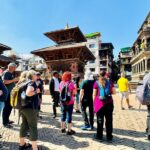
- Kathmandu Durbar Square: royal courtyards and carved wood details
- Patan Durbar Square: Newari craft in a tighter, art-forward setting
- Bhaktapur Durbar Square: another palace world, with more character
- Changu Narayan Temple: carved stories tied to Vishnu
- Pashupatinath Temple: Hindu devotion on the Bagmati River
- Boudhanath Stupa: colossal Buddhist monument and Tibetan culture
- Guides and drivers: why this tour often gets near-perfect marks
- Price and entrance fees: where the value shows up
- Lunch, snacks, and hydration for a long day
- Logistics that matter: pickup time, where to meet, and day timing
- What to bring so the day stays easy
- Who this tour is best for (and who should skip it)
- Final verdict: should you book this 7 UNESCO day tour?
- FAQ
- How many UNESCO World Heritage Sites are included?
- Does the tour include hotel pickup and drop-off?
- Is the tour private or group?
- Is lunch included?
- Are monument entrance fees included?
- What time is pickup for group tours in Thamel?
- What languages are the guides?
- Is the tour suitable for wheelchair users or visually impaired people?
- What do I need to bring?
- Is cancellation refundable?
Key points that make this tour work
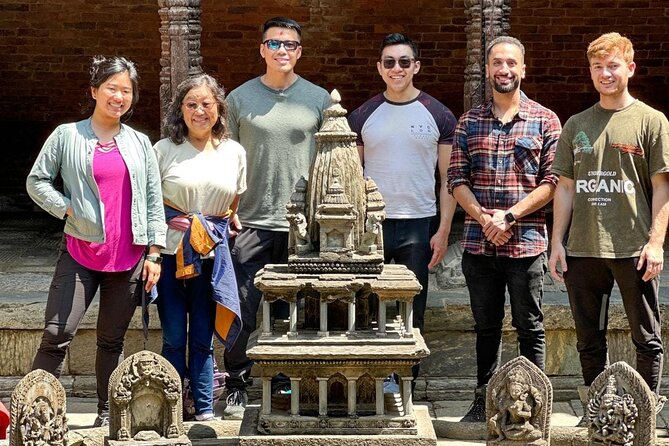
- 7 UNESCO World Heritage Sites in one day, built for first-timers and short stays
- Air-conditioned transport with hotel pickup/drop-off to reduce time lost in traffic
- Expert guidance from English-speaking locals such as Asmita, Sumit, Ram, and Sajina
- Lunch support: a boxed snack-style lunch for the day, plus a fuller Nepali meal on the all-inclusive option
- Entrance fees matter: cash may be needed unless you select the all-inclusive package
- You’ll move a lot: bring comfortable shoes and expect some uphill walking and stairs
A one-day Kathmandu Valley hit list you can actually manage
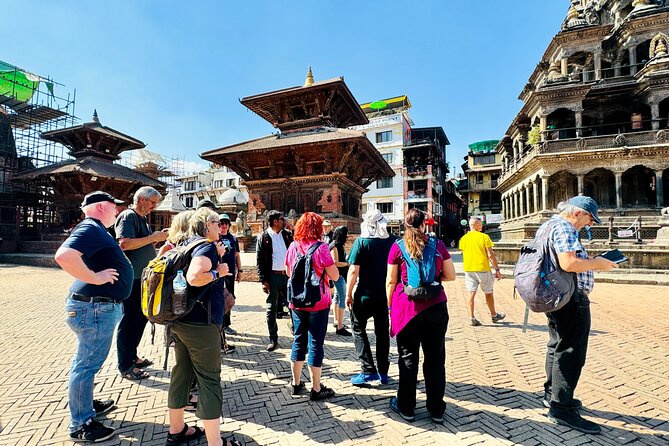
Kathmandu Valley has a way of overwhelming you—everything is old, everything matters, and each neighborhood has its own look. This tour is designed to solve the main problem: getting to the right places fast, with someone who can point out what you’d otherwise miss.
You’ll start with hilltop views at Swayambhunath, move through royal-world landmarks at the Durbar Squares, and then shift into temples and stupa space—Changu Narayan, Pashupatinath, and finally Boudhanath. The payoff is that the day tells a story: Hindu heritage, Newari architecture, and Tibetan-influenced Buddhist culture, all in one route.
If you like structure (and you don’t want to plan transport between seven separate sites), this format is a win.
You can also read our reviews of more private tours in Kathmandu
How the pace works when you’re seeing seven sites
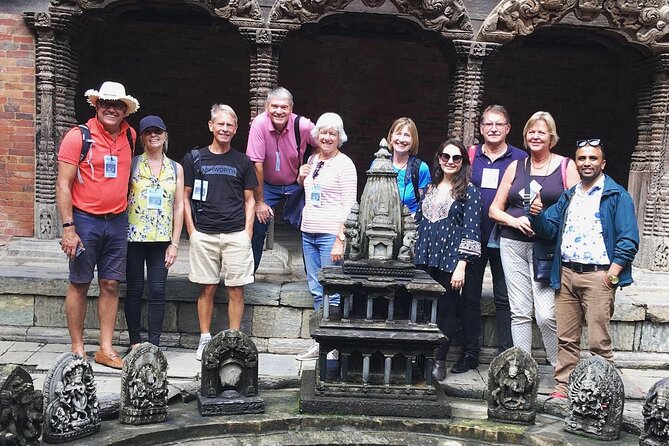
Let’s be honest: seven UNESCO sites in one day is a lot. You won’t get a slow, museum-style experience. Instead, you get “best of each stop,” with enough time to walk the key areas, take photos, and learn the basics from your guide.
Even the people who loved the tour said it’s intense. They praised the pacing and organization, but the common thread was energy: come prepared for a full circuit and expect you’ll be walking and climbing in multiple locations.
Here’s what helps you enjoy the day more:
- Wear shoes that handle uneven stone and stairs
- Bring sunscreen, because you’ll be outside for long stretches (one guide tip that keeps showing up)
- Keep a little extra cash on hand, even if you think everything is included (details below)
Seven UNESCO stops: what to look for at each place
This part is why the tour feels worth it. Each site has its own “job” in Kathmandu’s cultural mix.
Swayambhunath: the Monkey Temple and the view advantage
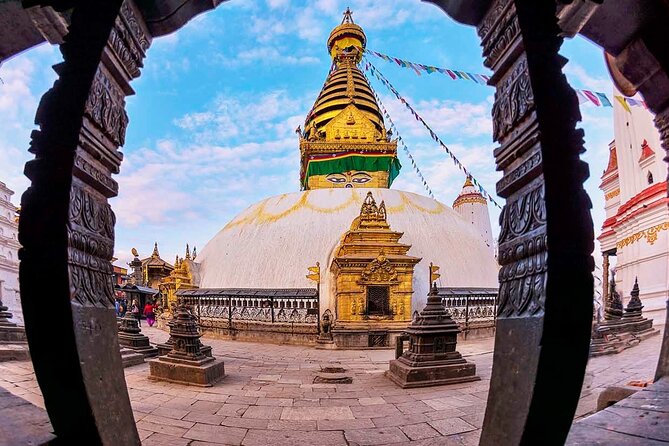
Swayambhunath sits up on a hill, which means two things: you get wide city views, and the walk-in can feel like a mini adventure. The famous monkeys are part of the scene, but the real value is the viewpoint and the sense that you’re looking over a layered city.
What I’d focus on while you’re there:
- The way the site anchors the skyline from above
- The mix of Buddhist iconography you’ll see throughout the complex
- Taking photos early if crowds build during your visit
Kathmandu Durbar Square: royal courtyards and carved wood details
At Kathmandu Durbar Square, the mood shifts from hilltop lookout to courtly architecture. This is where you’ll spot palaces and courtyards that reflect Nepal’s royal past.
The big reason this stop works with a guide: you get help reading the building language—what the carvings mean, why certain courtyards matter, and how the layout connects to power and ceremony.
You can also read our reviews of more tours and experiences in Kathmandu
Patan Durbar Square: Newari craft in a tighter, art-forward setting
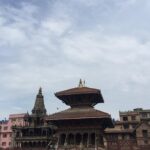
Patan Durbar Square is known for Newari architecture, and it rewards close attention. Think carved doors, refined stonework, and a layout that makes you slow down for a second even when the day is moving fast.
If you’re short on time in Patan, the guide’s job becomes crucial: they point out the details worth stopping for, so you don’t just pass through.
Bhaktapur Durbar Square: another palace world, with more character
Bhaktapur Durbar Square is similar in theme to Kathmandu’s royal square, but it feels distinct. The rewards here are in the workmanship and the way the site shows how everyday life and heritage can share the same spaces.
One practical note: Bhaktapur’s entrance cost can feel high if you’re paying separately, so if you’re on a tighter budget, consider the all-inclusive option (explained later).
Changu Narayan Temple: carved stories tied to Vishnu
Changu Narayan Temple is dedicated to Lord Vishnu and is believed to be one of the oldest Hindu temples in Nepal. That claim matters because it sets the expectation: you’re not just looking at a pretty temple; you’re looking at old craft and old devotion.
The highlight is the carvings. Even if you don’t read every symbol, your guide can translate the design into something meaningful.
Pashupatinath Temple: Hindu devotion on the Bagmati River
Pashupatinath is one of the most sacred Hindu temple sites in the world. It sits along the Bagmati River, and the atmosphere is both serene and serious—people are there for prayer and ritual, not tourism selfies.
What makes this stop land for most people is the context from your guide: they explain what you’re seeing and what to respect. If you’re thoughtful and curious, this can be the emotional anchor of the day.
Boudhanath Stupa: colossal Buddhist monument and Tibetan culture
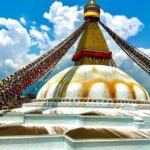
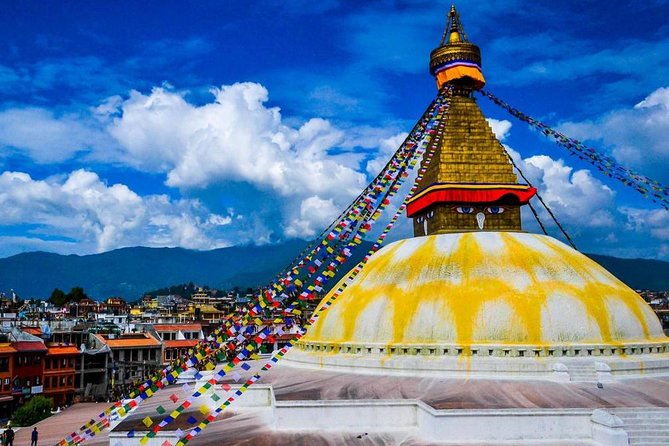
Boudhanath Stupa brings a different energy. This giant stupa is a hub for Tibetan culture and spirituality, and the visual scale is the first shock.
At Boudhanath, look for:
- How the stupa dominates your perspective
- The way people move around it for prayer
- The Tibetan-influenced elements that make the area feel distinct from the Hindu sites earlier in the day
Guides and drivers: why this tour often gets near-perfect marks
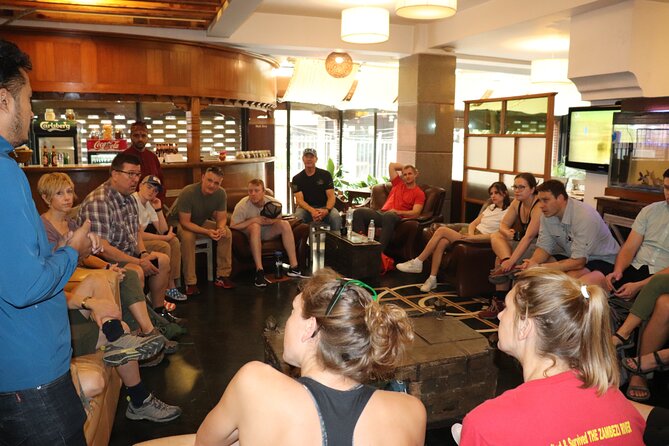
A lot of city tours rely on a script. This one stands or falls on the person delivering it. The strongest praise you’ll see across guides is consistency: clear explanations in English, patience with questions, and a positive tone even when the day runs long.
You might get guides such as:
- Asmita, praised for thorough pre-trip info and clear on-site explanations
- Sumit, praised repeatedly for friendly energy, strong English, and answering questions in detail
- Ram and Sajina, praised for making the sites feel alive and for good group handling
- Dipesh, Anon, and others, praised for organization and careful pacing
Drivers are also a big part of the comfort. Names like Krishna come up often, with praise for safe, careful transfers through Kathmandu traffic.
Why this matters for you: in a city where routes change and traffic can be chaotic, a confident driver and an organized guide reduce stress. You spend more brainpower on the sites, less on figuring out logistics.
Price and entrance fees: where the value shows up
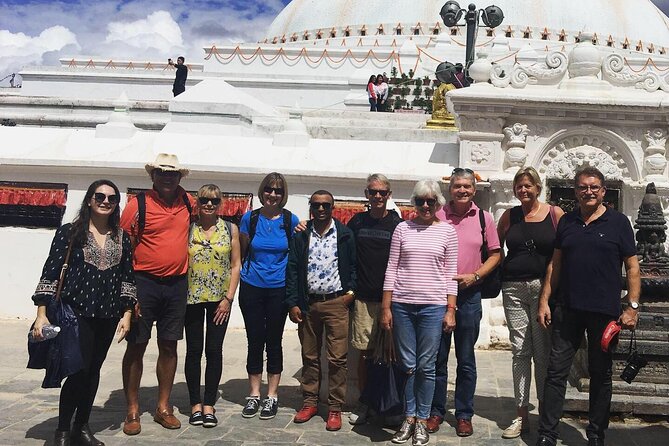
The headline price listed is $5 per person, which looks like an absolute bargain. But the real value depends on which package you choose.
Here’s the fee reality:
- Entrance fees for all heritage sites total about USD 43 (NPR 5,800 per person).
- Those fees are included only if you select the all-inclusive package.
- If you don’t choose all-inclusive, monument entrance fees are not included, so you’ll likely pay separately at sites.
- SAARC nationals have a stated total entrance fee of USD 22 for applicable tours.
So how should you think about it?
- If you want everything handled, all-inclusive is the cleaner option because it removes the cash scramble.
- If you’re comfortable carrying cash and paying per stop, you can keep the day flexible, but bring enough for multiple tickets.
Also, one practical tip from real-world experience: entrance fees can add up fast, so bring at least a few thousand NPR beyond the minimum you think you need. Many people specifically advised carrying around 5,000–6,000 NPR.
Lunch, snacks, and hydration for a long day
For food, you get two layers of support.
First, there’s a lunch box designed for “on-the-go energy”: bottled water (500ml), a muffin, donut, banana, seasonal fruit, and juice. That snack mix is good for keeping your blood sugar steady when your day is packed.
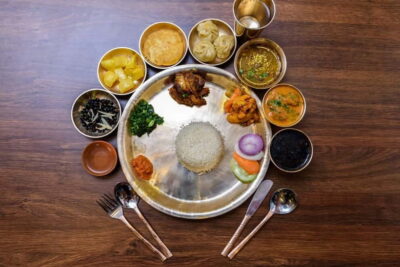
Then there’s the all-inclusive option, which includes lunch with a proper Nepali meal setup. Some people described meals like rice with chicken and vegetables as filling and well-timed.
One balanced note: not everyone loved the food. One person said the lunch wasn’t great given the cost. So if food quality is your top priority, treat the lunch as practical fuel, not a culinary highlight.
Logistics that matter: pickup time, where to meet, and day timing
Group tours start with pickup around 8:00 AM in the Thamel area. You’ll get the exact pickup time one day in advance. For timing, allow a small buffer because the operator notes possible 3–5 minute delays from traffic or coordination.
For private tours, the key advantage is straightforward: hotel pickup and drop-off, plus a private air-conditioned ride. That usually makes the day feel smoother, especially if your hotel is outside Thamel or you want a more controlled pace.
Either way, plan on a full-day schedule with walking and several short stop moments.
What to bring so the day stays easy
This tour works best when you travel light but prepared.
Bring:
- A camera (your guide will help you know what to shoot)
- Cash (especially if you’re paying monument fees separately)
- A daypack for water and small items
- A passport or ID card (a copy is accepted)
Also pack smart:
- Sunscreen
- Comfortable walking shoes
- A backup for bathrooms: one guide tip that gets repeated is to carry something small for quick stops, because bathroom access can be a moving target in busy heritage areas
Who this tour is best for (and who should skip it)
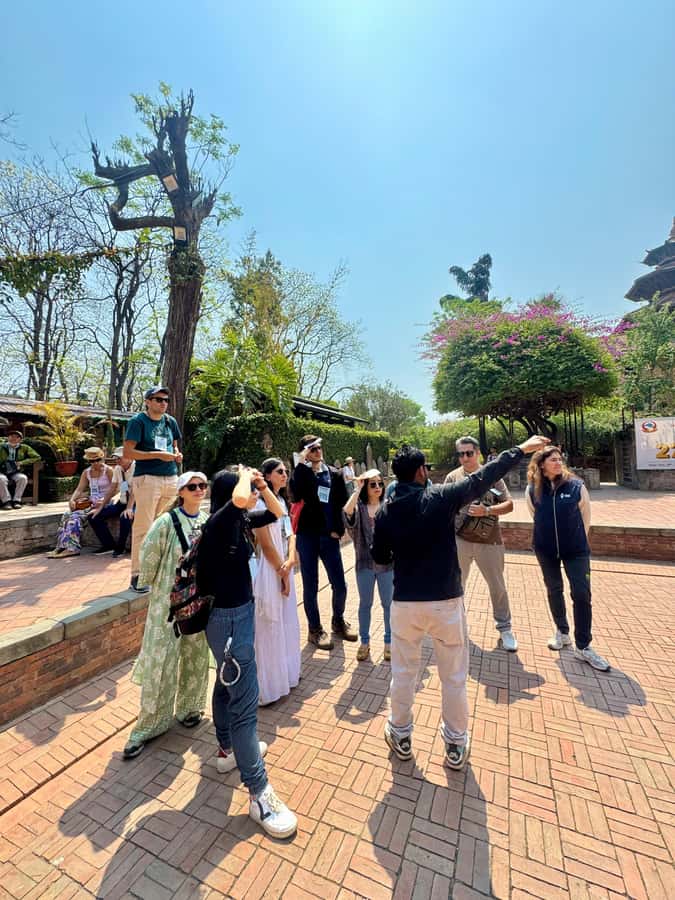
This tour is best for:
- First-time visitors who want the Kathmandu Valley classics without building a transport plan
- People who like history and religion and want clear explanations
- Travelers who value convenience: hotel pickup, air-conditioned transport, guide-led site reading, and lunch support
It’s not a great fit if:
- You need wheelchair access (the tour is not suitable for wheelchair users)
- You’re visually impaired (the tour is not suitable for visually impaired people)
- You want a slow pace and long stays in one place
Final verdict: should you book this 7 UNESCO day tour?
If you’re short on time and you want the main Kathmandu Valley landmarks in one day, I’d seriously consider booking. The strongest reason is the combination: seven UNESCO sites, plus local guidance that helps you understand what you’re seeing, plus air-conditioned transport that protects your energy.
Book it with extra confidence if:
- You’re choosing the all-inclusive option so entrance fees are handled and you don’t hunt tickets with the day already moving
- You like a structured day with a capable guide, like Sumit or Asmita
Skip it or modify your expectations if:
- You’re the type who needs long lingering stops. This tour favors coverage over slow wandering.
- You hate paying in cash for attractions. In that case, pick the all-inclusive package and carry less worry.
If you want to do Kathmandu without stress and still see the big UNESCO names, this is one of the most practical ways to do it in a single day.
FAQ
How many UNESCO World Heritage Sites are included?
The tour covers 7 UNESCO World Heritage Sites in Kathmandu Valley in one full day.
Does the tour include hotel pickup and drop-off?
Yes. The tour includes hotel pickup and drop-off.
Is the tour private or group?
Both options are available: you can book a private tour or join a group tour.
Is lunch included?
Yes. A lunch box is included, and an all-inclusive option also includes Nepali food with soft drinks and a meal selection.
Are monument entrance fees included?
Monument entrance fees are not included in the standard package. If you choose the all-inclusive option, monument fees are covered.
What time is pickup for group tours in Thamel?
For group tours, pickup begins around 8:00 AM in the Thamel area, and you’ll get your exact pickup time one day in advance.
What languages are the guides?
Guides are available in English and Hindi.
Is the tour suitable for wheelchair users or visually impaired people?
No. The tour is not suitable for wheelchair users or visually impaired people.
What do I need to bring?
Bring a camera, cash, a daypack, and a passport or ID card (a copy is accepted).
Is cancellation refundable?
You can cancel up to 24 hours in advance for a full refund.