REVIEW · KATHMANDU
Patan Heritage Tour – Private/Small Group
Book on Viator →Operated by Amazing Kathmandu Tours · Bookable on Viator
Patan rewards slow walking. This private/small group tour of Lalitpur (Patan) strings together temples, courtyards, and royal history, all tied to Newar Buddhism and daily life in the city. I love how the guide keeps things moving at a human pace, then makes the stories fit what you’re standing in front of. You’ll also get a lot of value for the low base price because you’re paying for interpretation, not a bus ride.
One thing to plan for: entrance fees are not included at key stops. Patan Durbar Square requires a cash payment (NRP 1000 / about US$9), and you may also pay at the Golden Temple and Patan Museum. If you’re budgeting tight, bring cash and expect a bit more than the headline price.
In This Review
- Key things that make this Patan heritage tour worth it
- Patan Heritage Tour: why these streets feel different
- A small group of 5: the real value in “private” time
- Stop 1: Ganesh Mandir on the way to the Golden Temple
- Stop 2: Hiranya Varna Mahavihar (Golden Temple) and the Vajrayana thread
- Stop 3: Patan Durbar Square and Malla kings’ architecture lessons
- Stop 4: Patan Museum for sacred arts in a royal setting
- Stop 5: Patan Dhoka (Patan Gate) murals and city-security stories
- Price and value: what you’re really paying (and what to budget)
- What to do before you go: cash, timing, and comfort
- Who this tour suits best (and who might want something else)
- Should you book the Patan Heritage Tour?
- FAQ
- How long is the Patan Heritage Tour?
- How many people are in the group?
- Where does the tour start and end?
- Is an English-speaking guide included?
- What’s included in the tour price?
- Are entrance fees included for Durbar Square, the Golden Temple, or the Patan Museum?
- How much is the Durbar Square entrance fee?
- Is there a student discount?
- Can I cancel for a refund?
Key things that make this Patan heritage tour worth it
- Max 5 people means you can actually ask questions and keep a comfortable pace
- Newar Buddhism focus connects Vajrayana ideas to what you see on the street
- Royal stories at Patan Durbar Square help the architecture make sense
- Patan Museum is included as time to slow down and look at sacred arts
- Cash entry for Durbar Square is a must-know detail before you go
- Guides like Bajey, Santosh, and Shreya Karki are noted for patient, street-level storytelling
Patan Heritage Tour: why these streets feel different
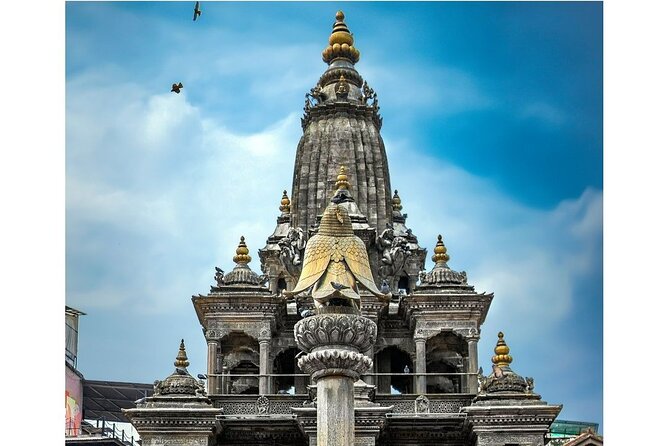
Patan is one of those places where the “big sights” are only part of the story. The real experience is how the city’s religious traditions, crafts, and royal-era design show up in everyday life.
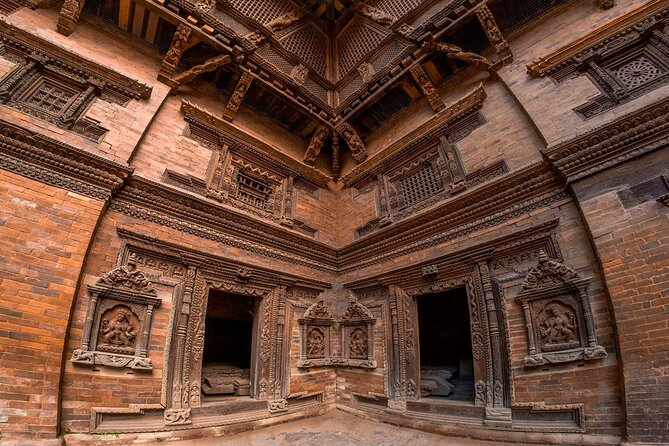
This tour is built around that idea. You’re not just ticking off monuments. You’re walking through both small passages and bigger open spaces, and the guide explains why they exist, how they were used, and what they meant to the people living here long after the Malla kings were gone.
And because it’s a small group, it doesn’t feel like a race. You can pause, look up at carvings, and listen without the pressure of a van load of people moving the moment you stop.
You can also read our reviews of more private tours in Kathmandu
A small group of 5: the real value in “private” time
“Private” here doesn’t mean you’re the only person on Earth, which is good. Max 5 travelers means you still get the personal attention of a small tour, but you don’t feel trapped in a one-person lecture.
In practice, this kind of group size helps with three things:
- You can change the pace if a courtyard catches your eye.
- The guide can adjust the level of detail to your curiosity.
- You can ask quick questions without feeling rushed.
If you like walking tours, this is the sweet spot. Too-large groups can turn culture into an obstacle course. This one stays human.
Stop 1: Ganesh Mandir on the way to the Golden Temple
You start with Ganesh Mandir, reached on the route toward the Golden Temple from Patan Dhoka. It’s a quick stop, around 15 minutes, and the admission is free.
The best part isn’t the paperwork. It’s the story tied to Lord Ganesha—specifically how he got his elephant head. It’s the kind of myth detail that makes later temple symbolism easier to read, even when you don’t know the religious language yet.
If you’re new to Nepalese Hindu stories, this is a solid “warm-up.” You’ll spend the next hours looking at Buddhist spaces too, and having one Hindu anchor in place helps you notice how both traditions shape the same city.
Stop 2: Hiranya Varna Mahavihar (Golden Temple) and the Vajrayana thread
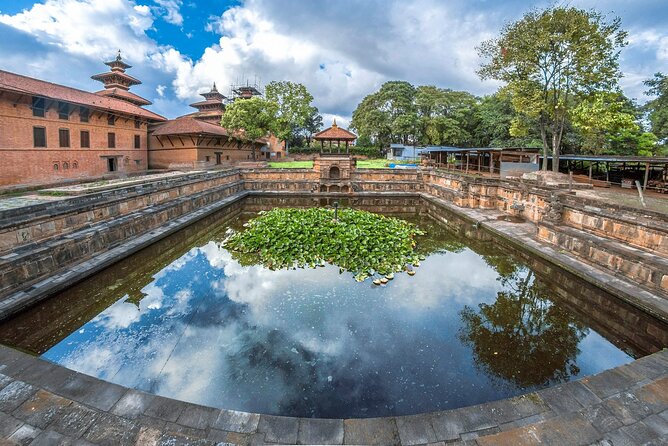
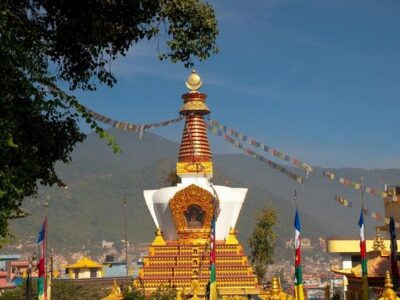
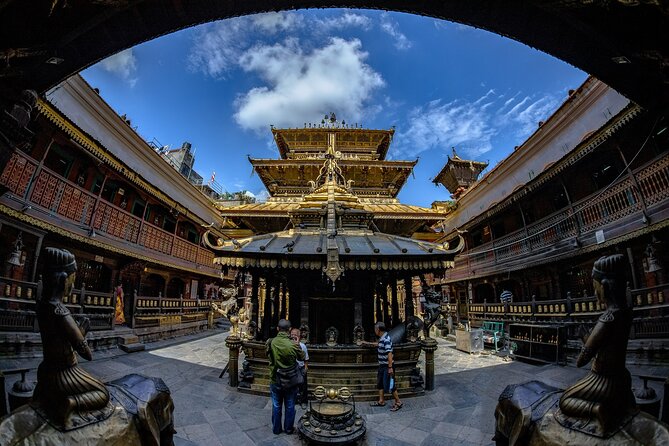
Next comes the Golden Temple, known as Hiranya Varna Mahavihar, a Newari Buddhist monastery that dates back to the 14th century. Plan about 15 minutes here, and note that admission is not included.
This is where the tour does its main job: it turns architecture and ritual spaces into understandable ideas. You’ll hear about Buddha’s teachings and how the Vajrayana tradition (in the Newar context) connects with influences often described as being shaped by Theravada.
Here’s what makes this stop practical for your visit. Even if you’re not there to study doctrine, you’ll start recognizing how Buddhism shows up through art, names, and how people behave in and around the monastery. The guide’s explanations help you avoid the common tourist trap of treating temples like museum props.
One caution: because Golden Temple entry is not included, have a little cash plan ready so you’re not stuck deciding at the gate. And keep your expectations flexible—temples can mean modest waiting, quiet behavior, and less “tour mode,” more respect mode.
Stop 3: Patan Durbar Square and Malla kings’ architecture lessons
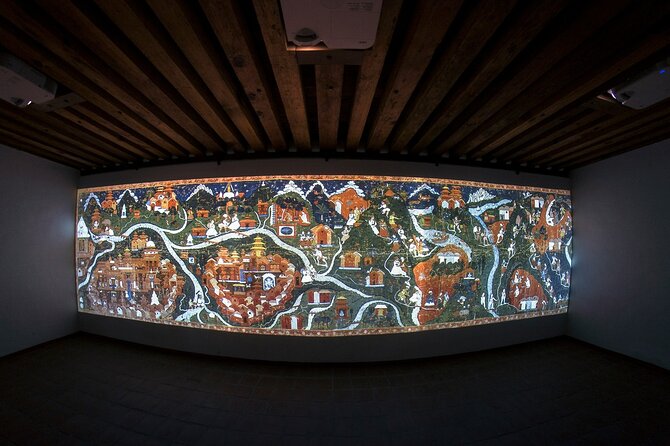
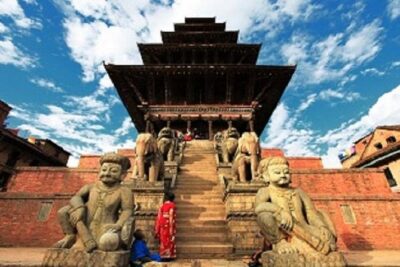
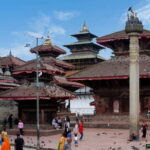
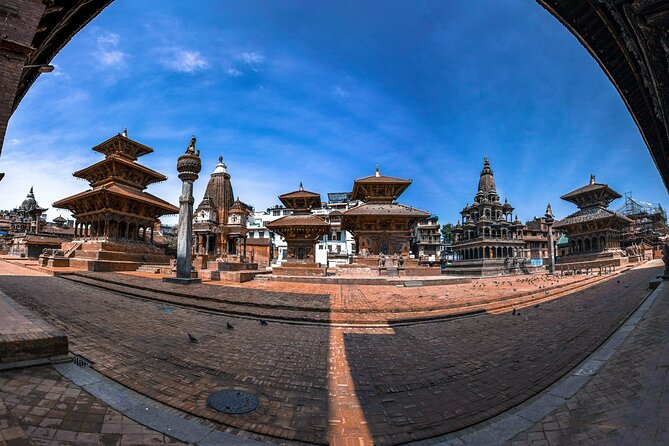
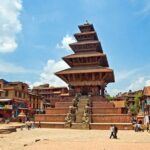
Then you hit Patan Durbar Square, with a walk time around 45 minutes. This is where the city’s royal past is physically present, not just described.
Durbar Square is tied to the Malla kings who resided in Patan. The focus here is Nepalese architecture—shrines, palaces, and the way the whole space is designed for status, worship, and movement. When you understand what you’re looking at, carvings and courtyards stop being random decoration.
Budget tip matters here. Entrance to Durbar Square requires payment of NRP 1000 (about US$9), paid in cash at the entrance. The tour also recommends paying a minimum NRP 100 donation to the Royal Kumari.
A small note on timing and mood: this part of Patan can feel busy, especially if other visitors arrive while you’re there. Staying in a small group helps because the guide can weave you through the quieter corners and keep the focus on what each building is telling you.
If you only have time for one “royal architecture” site, this is a strong choice—because the guide ties the buildings to the idea of how power and religion overlapped in the city.
You can also read our reviews of more historical tours in Kathmandu


Stop 4: Patan Museum for sacred arts in a royal setting
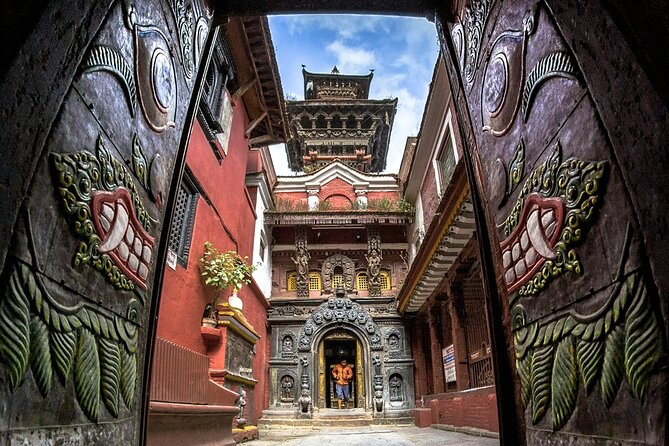
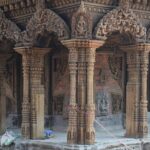
After the square, the tour moves into the Patan Museum, usually around 1 hour. Admission is not included, but it’s a big win for anyone who wants more than street-level facts.
The museum is housed in an older residential court connected to Patan Durbar, the former royal palaces. That setting matters. You’re not only seeing objects—you’re seeing them in a space built for importance.
What you can expect is a focus on traditional sacred arts of Nepal. If you’ve been looking at temple details outside, this is where those carvings, motifs, and craft traditions start to click into a bigger picture. Even if you don’t read everything closely, you’ll recognize patterns once you’ve spent time at the Golden Temple and Durbar Square.
The downside is simple: museums can feel slower if you’re expecting purely outdoor walking. If you prefer constant movement, give yourself permission to treat this stop as a reset button.
Stop 5: Patan Dhoka (Patan Gate) murals and city-security stories
You end back at Patan Dhoka, the Patan Gate meeting point. The final stop is short, about 15 minutes, and admission is free.
This isn’t just a photo stop. You’ll hear a story about how the Malla kings arranged security for the old city. Then you’ll look at the murals on the gate walls and learn what they’re doing there.
I like ending here because it brings the tour full circle. You’ve moved through temples and royal squares. Now you step up to the threshold of the city itself and get reminded that Patan was designed to guide movement, protect space, and signal identity.
If you’re the type who enjoys street-level details, this is a satisfying closer. The gate is where you notice the city as a system, not a list of landmarks.
Price and value: what you’re really paying (and what to budget)
The base price is listed at $5 per person, which is unusually low for a guided walking tour with a small group cap. The value is not the logistics. It’s the guide time and the interpretation tied directly to what you’re seeing.
But the price doesn’t cover all entrances. Here’s the part you should budget for:
- Patan Durbar Square entry: NRP 1000 (about US$9), paid in cash.
- Durbar Square also has a suggested donation: NRP 100 minimum to the Royal Kumari.
- Golden Temple and Patan Museum admissions are not included.
So your real cost looks like base tour price plus whatever you pay at the non-included sites. If you’re traveling on a strict daily budget, this matters.
Still, even with those additions, this tour can be a good deal because you’re paying to understand Patan in context. A low-cost guided walk beats spending your time guessing at symbols and eras on your own.
Also pay attention to the small-group benefit. When the group is small, you’re not just buying “someone to point.” You’re buying better pacing and better storytelling.
What to do before you go: cash, timing, and comfort
Because Durbar Square requires cash at the entrance, I’d treat cash readiness as part of your plan. Have some Nepalese rupees ready before you start walking, and don’t count on a last-minute scramble.
Bring comfy shoes. This is a heritage walk with short segments at multiple sites. Even with breaks, your legs will work. If you’re sensitive to hills or uneven stone, go slow on the first quarter of the route so you don’t get tired before the good stories hit.
Also note that coffee and/or tea aren’t included. If you want a drink, plan to grab one near your own time window, not as part of the tour flow.
Finally, this experience uses a mobile ticket, and you’ll get confirmation at booking. If your phone battery is unreliable, keep a backup plan.
Who this tour suits best (and who might want something else)
This tour is ideal if you:
- want to understand Patan beyond landmarks
- like guided walking tours with lots of explanation
- enjoy religion and history as something tied to daily life
- want a smaller group so you can ask questions
It might be less ideal if you:
- hate paying extra at entrances
- prefer a fast, minimalist sightseeing style
- want a lot of indoor time with no walking
If you’re curious about how Hindu and Buddhist traditions intersect in Kathmandu Valley, this is a strong fit. The tour’s mix of Ganesh Mandir, Golden Temple, and royal architecture helps you see the city as lived culture, not just a backdrop.
Should you book the Patan Heritage Tour?
Yes, you should book it if you want a guided, street-level understanding of Patan and you’re okay with extra site fees. The small group cap and the religion-and-architecture framing make the walk feel purposeful, not just scenic.
Book it especially if you enjoy “why does this matter” questions—because the guide time is used to answer that. And if you’re the kind of traveler who likes when a guide adjusts the tour to what you find interesting, this format is set up for that.
Just go in with the right expectations: bring cash for Durbar Square and plan a bit extra budget for non-included admissions. If you handle that, the tour becomes a very high-value way to experience Patan in about 3 hours.
FAQ
How long is the Patan Heritage Tour?
It runs for about 3 hours.
How many people are in the group?
The tour is limited to a maximum of 5 travelers.
Where does the tour start and end?
The meeting point is Patan Dhoka, Lalitpur 44600, Nepal, and the tour ends back at the same meeting point.
Is an English-speaking guide included?
Yes, the tour includes an English-speaking guide.
What’s included in the tour price?
The tour includes the guide and a mobile ticket. Entrance fees at some stops are not included.
Are entrance fees included for Durbar Square, the Golden Temple, or the Patan Museum?
No. Durbar Square entrance is not included, and the Golden Temple and Patan Museum also list admission as not included. Ganesh Mandir and Patan Dhoka are free.
How much is the Durbar Square entrance fee?
Entrance to Durbar Square is NRP 1000 (about US$9), paid in cash at the entrance. A donation of at least NRP 100 to the Royal Kumari is recommended.
Is there a student discount?
Yes. The youth price is for students who have a student card.
Can I cancel for a refund?
Yes. Free cancellation is available up to 24 hours in advance for a full refund. If you cancel within 24 hours, the amount you paid is not refunded.