REVIEW · KATHMANDU
Private Kathmandu UNESCO Heritage Sites with Narayanhiti Museum
Book on Viator →Operated by Himalayan Social Journey · Bookable on Viator
Kathmandu in one day beats slow sightseeing. This private tour strings together major UNESCO sights and the Narayanhiti Palace Museum, all by taxi, so you spend less time bargaining and more time looking. I really like the on-time hotel pickup setup and the licensed English-speaking guide who keeps the day moving with clear, practical explanations.
One thing to plan for: entrance fees and lunch aren’t included, so your total cost will be a bit more than the $75 headline price. Still, if you want an organized, efficient heritage day without hunting for transport, this is a strong value play.
In This Review
- Key highlights before you go
- How a private Kathmandu taxi makes UNESCO days realistic
- Swayambhunath views and the hilltop stupa mood
- Pashupatinath’s riverfront temples and respectful wandering
- Bouddhanath Stupa and Kathmandu’s Tibetan connection
- Patan Durbar Square: slower stone, better detail
- Kathmandu Durbar Square: palaces and courtyards in the old city
- Narayanhiti Palace Museum: the monarchy chapter in one focused stop
- Price and logistics: what your $75 really buys
- Timing across the day: how to avoid getting tired too early
- What your guide does for you (and why English matters)
- Smart tips for your day at the sites
- Who this tour suits best
- Should you book this UNESCO Kathmandu day?
- FAQ
- How long is the Kathmandu UNESCO heritage sites tour?
- Is pickup from my hotel included?
- What’s included in the $75 per person price?
- Are entrance fees included for the sites?
- Is lunch included?
- Is this a private tour?
Key highlights before you go
- Private taxi, not a shared scramble: You get your own vehicle for the day, which matters in Kathmandu traffic and narrow lanes.
- English-speaking licensed guide: You’ll get context on Hindu and Buddhist sacred sites without guessing.
- Six big stops across the valley: From hilltop Swayambhunath views to Narayanhiti’s museum rooms.
- Mobile ticket included: You won’t be stuck trying to collect paperwork right before entering.
- Group discounts available: If you’re traveling with friends or family, the per-person price can improve.
- Modern logistics, from pickup to payment: One recent guest noted an air-conditioned vehicle and online payment via GPay in INR.
How a private Kathmandu taxi makes UNESCO days realistic
Kathmandu’s heritage sites are spread out, and getting between them the hard way can get expensive fast. What you’re buying here is time control: a taxi that handles the driving while your guide handles the why-you’re-here part.
This also helps with stress level. One well-reviewed experience praised smooth timing and good navigation through tight lanes, which is exactly what you want on a day packed with temples and squares. Expect a longish day—about 7 to 8 hours—but you’ll likely feel like you did more than if you tried to DIY it with multiple rides and ticket lines.
And yes, the price—$75 per person—can feel like a bargain once you see what’s included: private transport plus an English-speaking licensed guide. Entrance fees are separate, and lunch isn’t included, but the core logistics are handled.
You can also read our reviews of more private tours in Kathmandu
Swayambhunath views and the hilltop stupa mood
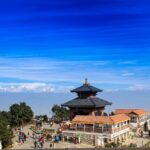
You start on the hill with Swayambhunath, one of the most famous Buddhist stupas in the Kathmandu Valley. It’s said to be around 2,600 years old, and the vibe is part devotion, part people-watching, part wow-from-above.
The best part here is the perspective. Swayambhunath looks over the entire valley, so even if you’re not the type to chase every viewpoint, you’ll get that easy, mental “map of Kathmandu” effect. It’s also a great first stop because it sets the tone for the rest of the day: Buddhist symbolism, prayer spaces, and a steady flow of visitors.
Plan to take your time for photos and simple observation. The stupa complex is active and layered, and rushing makes it harder to appreciate what’s actually around you. Entrance isn’t included, so budget for a ticket, and factor in time to buy it if needed.
Pashupatinath’s riverfront temples and respectful wandering
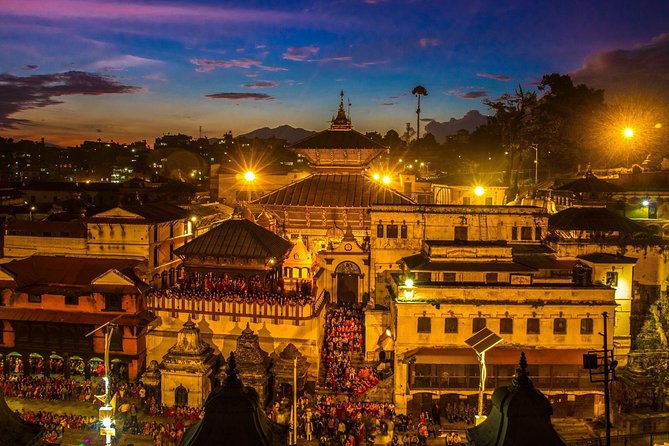
Next comes Pashupatinath Temple, a major Hindu pilgrimage site associated with animal life, where the name literally points to the idea of the god of animal lives. You’re not just seeing architecture here—you’re seeing the living rhythm of a major religious destination, year-round.
Pashupatinath sits on the bank of the Bagmati River, and that setting changes the feel of the visit. It’s more than a pretty temple stop; it’s a place where people come for spiritual reasons, and that calls for a respectful pace. Dress modestly and keep your movements calm. If you’re unsure about what’s appropriate, your guide can help you understand the etiquette basics fast.
Like the other stops, admission tickets aren’t included, so you’ll pay separately. Still, the guide makes a difference: Hindu temple sites can be visually overwhelming if you don’t know what you’re looking at.
Bouddhanath Stupa and Kathmandu’s Tibetan connection
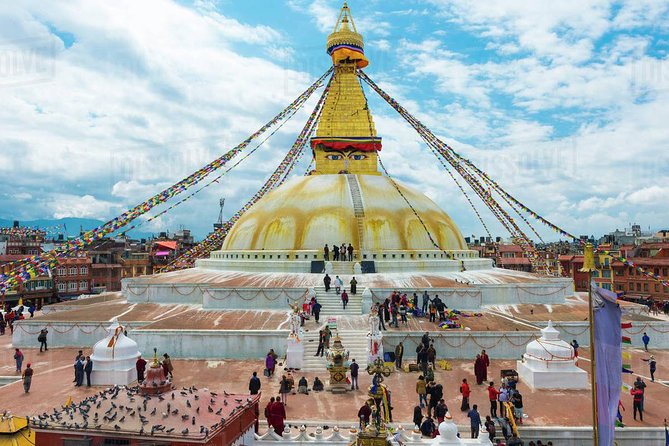
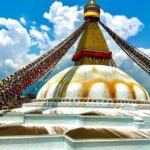
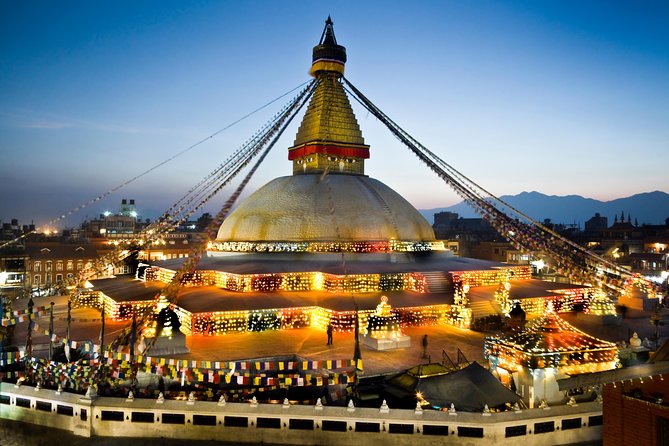
Then it’s off to Bouddhanath (Boudhanath) Stupa, described as the god of wisdom and known for being one of the larger stupas in the world. It’s connected to the Tibetan community and culture, and that influence shows in the shrine’s look and in how people interact with the space.
One of the easiest ways to understand Bouddhanath is to watch the stupa “in action.” Pilgrims circle prayer spaces and pause at points that feel important. It’s a sight that rewards slow observation more than quick snapping.
You’ll likely notice how the stupa feels both monumental and intimate at the same time—big from a distance, but full of detail once you’re near it. Your visit is about an hour on this tour, which is long enough to see the main shrine area without feeling trapped there.
Again, entrance fees aren’t included, so bring a little extra budget and keep your eyes open for ticket steps.
Patan Durbar Square: slower stone, better detail
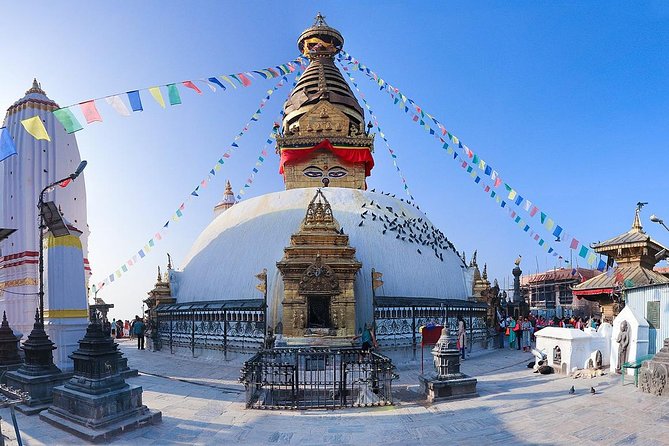
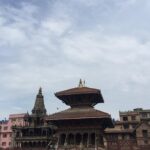
After that, you head to Patan Durbar Square in Lalitpur. Patan is often less frantic than the biggest central spots, and it can feel more readable if you like architecture and craft details.
This stop is a highlight for two reasons. First, the square is a historical center with courtyards and temples around it. Second, Patan often feels like a mix of influences—Buddhism and Hinduism show up side-by-side in the way spaces and symbolism are arranged.
Your time here is about 1 hour 30 minutes, which is actually generous for a “between neighborhoods” day. Use that extra half hour to stand back, then walk in closer. If you only do the highlights rush, you’ll miss the quieter details: doorways, carvings, and the way the square’s layout guides foot traffic.
Admission tickets are not included, so you’ll pay separately.
You can also read our reviews of more historical tours in Kathmandu


Kathmandu Durbar Square: palaces and courtyards in the old city
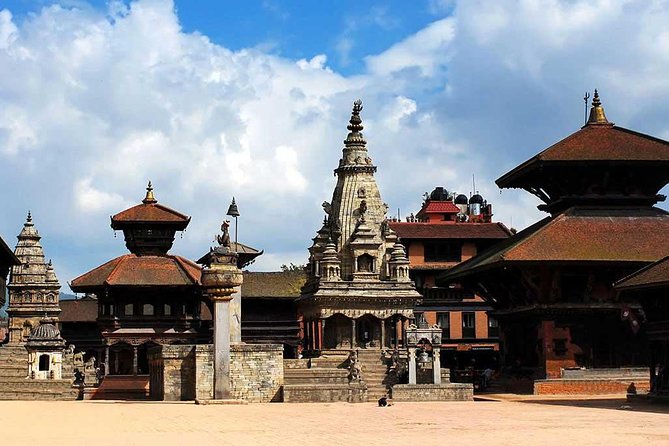
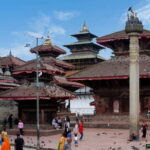
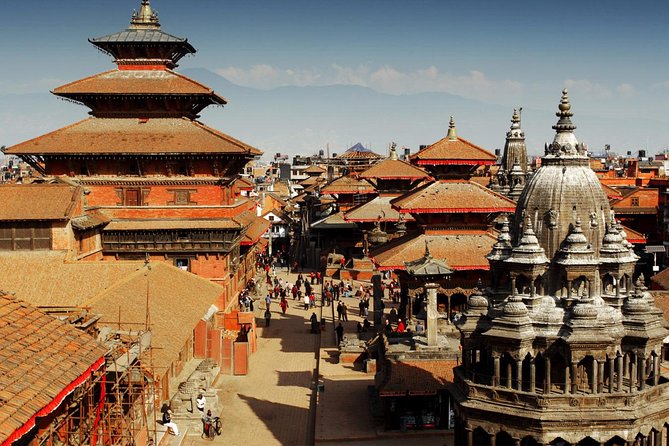
The tour continues to Kathmandu Durbar Square, located in the heart of old Kathmandu. This is the classic “royal Kathmandu” setting, where palaces, courtyards, and temple spaces cluster together.
Compared with some other big temple locations, Durbar Squares feel more like open-air history rooms. You’re surrounded by structures on multiple levels, and your guide can help you make sense of what’s important versus what’s just nearby.
Your time here is about 1 hour, which works because this day is already full. If you’re the type who loves absorbing textures (woodwork, stone details, and street life), you might wish you had more. But for a first heritage day, it’s a good amount.
Like everything else on the route, entry tickets are separate. Also note that Durbar Square areas can be visually busy, so it helps to follow your guide’s pace rather than drifting into every side alley.
Narayanhiti Palace Museum: the monarchy chapter in one focused stop
Finally, you arrive at the Narayanhiti Palace Museum, a public museum in Kathmandu near Thamel and east of Kaiser Mahal. This is a smart way to end the day because it shifts you from active worship spaces to a museum setting, with space to slow down and process what you’ve seen.
What makes this stop valuable is its theme change. After Hindu and Buddhist sacred sites, you get the story of Nepal’s monarchy and how palace life is interpreted for visitors. It’s an easier, more controlled environment—especially after a day of outdoor walking and crowds.
Your museum time is about 1 hour, which is about right for a single museum stop on a packed day. If you like reading small details and you’re tempted to linger, decide what you care about most ahead of time (royal lifestyle, artifacts, or exhibit layout), because the day is still moving.
Admission is not included here either, so plan for the ticket cost.
Price and logistics: what your $75 really buys
At $75 per person, this tour isn’t just a ticket to sites. You’re paying for four things that usually cost you time and money if you DIY:
- Private transportation (so you don’t keep re-booking rides)
- An English-speaking licensed tour guide (so you get meaning, not just photos)
- Pickup offered (so the start isn’t chaos)
- Mobile ticket (so you have a simple way to access what you need)
Entrance fees are not included, so your final bill depends on ticket prices for each site. Lunch is also not included, and alcohol and cold drinks aren’t included either. That’s normal for a heritage taxi tour, but it matters when you’re budgeting.
The value here is strongest if you want an organized day without negotiating drivers, figuring out routes, and sorting tickets while tired. If you enjoy planning every step yourself, you might find cheaper options. But you’d trade away the guide explanations and the “all-in-one-day” convenience.
And yes, one review specifically called out smooth execution, a clean air-conditioned taxi, and drivers arriving on time. That kind of comfort matters when you’re jumping between sites for hours.
Timing across the day: how to avoid getting tired too early
This tour runs about 7 to 8 hours, which means your best strategy is to go with a steady rhythm. Don’t plan a big breakfast adventure first thing in the morning or you’ll arrive at the hilltop feeling heavy-limbed.
Bring water, wear comfortable shoes, and keep a light layer if you’re going earlier or later in the day. The route mixes hilltop views, temple complexes, and open squares—your body will notice the variety.
It also helps to think of the day as two halves. The first half is spiritual and architectural. The second half is more museum-and-structure focused. When you mentally label it like that, it’s easier to stay interested instead of feeling like every stop is the same “sacred space, next sacred space.”
What your guide does for you (and why English matters)
The guide isn’t just a translator. You’ll feel it in how fast you get orientation. One well-regarded experience named Dipendra as a guide who made the history and culture feel clear, interesting, and not boring.
Another review mentioned Deependra giving strong details at each stop and handling the narrow-lane driving smoothly. Even when you don’t care about every fact, those explanations help you notice the things you’d otherwise walk right past.
This is the big reason I like this format: UNESCO days can turn into a photo checklist. With a licensed guide and structured timing, the day becomes more like a story with chapters—stupa viewpoint, temple riverfront, stupa prayer rhythm, square architecture, then a museum finish.
Smart tips for your day at the sites
- Budget for tickets at every stop: Since admission isn’t included anywhere listed, set aside money for entrance fees before you go.
- Plan lunch on your own: Lunch isn’t included. One review suggested being careful about the lunch venue choice if you care about your pocket, so ask your guide for a sensible option rather than grabbing the first convenient one.
- Dress for sacred spaces: For temple visits, modest clothing is a safe baseline.
- Use the mobile ticket: Have your phone ready so entry is quicker.
- Lean on the guide for etiquette: Especially around major worship sites, small behavior choices make the visit smoother for everyone.
Who this tour suits best
This private Kathmandu day works well if you want:
- A focused UNESCO heritage day without juggling transport
- English explanations that help you understand what you’re seeing
- A schedule that covers major landmarks in one go
- Comfort and timing—private vehicle, pickup, and smooth routing
It may not be your best choice if you love slow travel with long stops, or if you’re the type who enjoys figuring out your own route and ticket process step-by-step. But for most visitors with limited time, this is the kind of structured day that pays off.
Should you book this UNESCO Kathmandu day?
I think this is an easy yes if your goal is efficiency with meaning. The private taxi plus an English-speaking licensed guide is the heart of the value, and the stop mix gives you both religious Kathmandu and a museum finish. If you like knowing what something is before you look at it for long, you’ll appreciate this setup.
The main reason to hesitate is budgeting: entrance fees and lunch are extra. If you’re trying to keep the total cost ultra-low, you’ll need to plan for those add-ons.
If you want a heritage day that feels organized, guided, and not like a logistical project, book it and spend your energy on the sites themselves.
FAQ
How long is the Kathmandu UNESCO heritage sites tour?
The tour lasts about 7 to 8 hours.
Is pickup from my hotel included?
Yes, pickup is offered.
What’s included in the $75 per person price?
Private transportation, an English-speaking driver, and an English-speaking licensed tour guide are included.
Are entrance fees included for the sites?
No. Entrance fees are not included.
Is lunch included?
No. Lunch is not included.
Is this a private tour?
Yes. It’s a private tour/activity, and only your group participates.