REVIEW · KATHMANDU
Kathmandu: Women-Led Cooking Class & Momo Making-Local Taste
Book on GetYourGuide →Operated by Relax Getaways Pvt. Ltd · Bookable on GetYourGuide
Spices, dough, and dumplings in Kathmandu. This women-led class is a practical way to see how Nepali food is built, from shopping to cooking—especially the market shop tour and momo making. I like that you get step-by-step guidance in an actual Nepali kitchen, and I like that the meal at the end is truly yours, not just something you’re handed.
One thing to consider: momo folding takes coordination, and if it doesn’t click fast, the pace can feel a bit demanding. Still, the chefs aim to teach, and if you ask for a slower repeat, you’ll usually get back on track.
In This Review
- Key Highlights You’ll Feel in Your Hands
- Entering the Kitchen: Nepali Comfort Starts Before You Cook
- The Market Stop: Where Dal Bhat Flavor Gets Its Backbone
- Choosing a Menu: What You Might Cook in the 2–3 Hour Window
- Menu 1: Bara / Dal Bhat / Yomari
- Menu 2: Chatamari / Momo / Kheer
- Menu 3: Aloo Chop / Thukpa / Carrot Halwa
- Dal Bhat and Momo: The Two Skills That Teach You Most
- The real win: you control how much you make
- Snacks and Sides: Bara, Chatamari, Yomari, Thukpa, and More
- What the “Hands-On” Part Looks Like in Real Life
- Price and Value: Is $11 Actually Fair?
- Who Should Book This Cooking Class (and Who Might Want Something Else)
- Tips to Get the Most Out of Your Session
- Should You Book?
- FAQ
- What is included in the cooking class price?
- How long does the experience take?
- What dishes will I learn to make?
- Are there vegetarian and meat options?
- Is the instructor available in English?
- How many people are in the group?
- What age is this class suitable for?
Key Highlights You’ll Feel in Your Hands
- Market shopping for fresh vegetables, spices, and meat so your meal tastes grounded in local buying
- Small group setup with room for questions (limited to 8 participants)
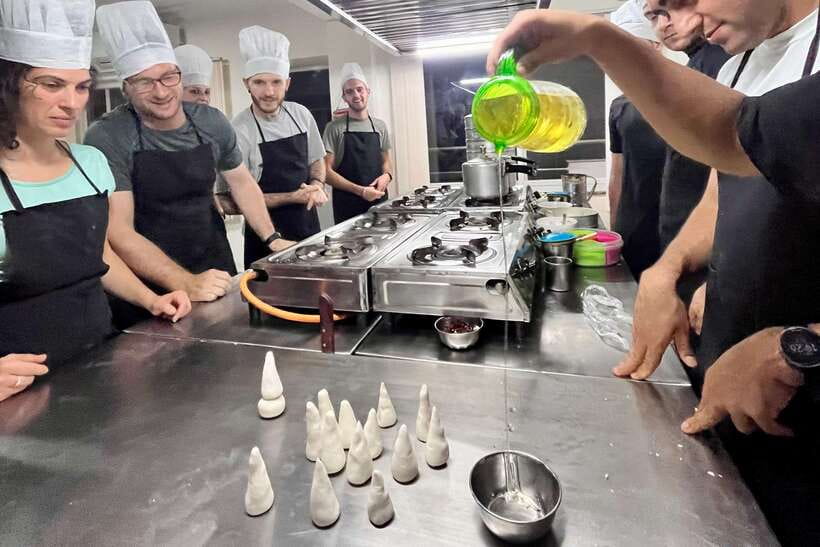
- Hands-on instruction as you work through dumplings and Nepali staples, not just watch
- Menu flexibility with 3 sets that mix Newari favorites, Nepali classics, and Tibetan-influenced dishes
- Masala tea + tastings so you’re eating along the way, not waiting until the end
Entering the Kitchen: Nepali Comfort Starts Before You Cook
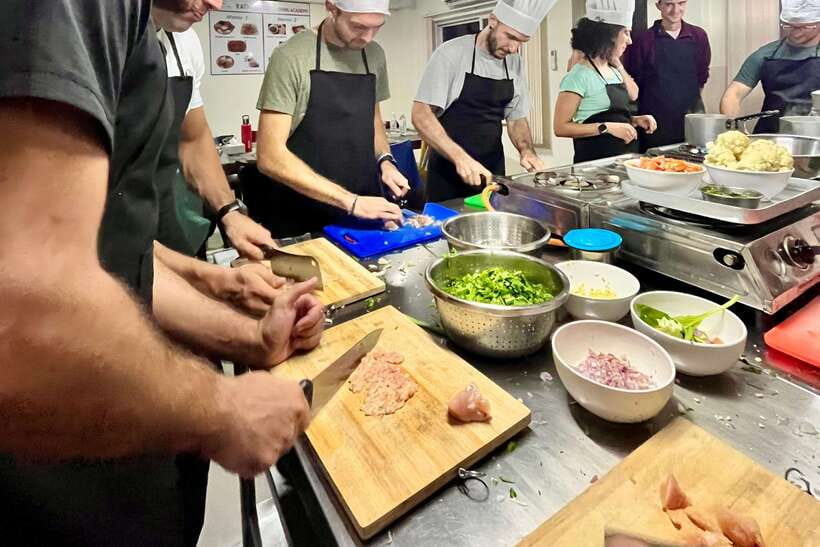
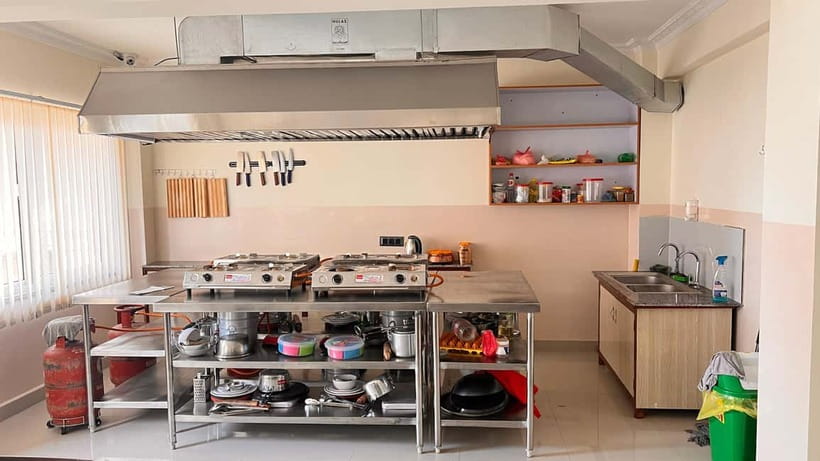
Walking into the workshop kitchen, the first thing you notice is the focus on spices and technique. You’re not thrown into a chaotic cooking sprint. You get a proper setup, then a warm welcome that centers on what you’re about to make and why it matters in Nepali daily life.
A small but memorable start is the Nepali masala tea. It’s described as black tea blended with aromatic spices, and it helps you transition from Kathmandu street life into kitchen rhythm. You’ll also get a quick taste of the snacks featured in the menu flow, like bara (a lentil-based fried patty), which sets expectations for texture: crisp outside, soft inside.
The class is taught in English, and the format stays friendly even when techniques get specific. You’ll be working with cooking equipment and accessories provided for the session, so you’re not hunting for tools or worrying you’ll do everything “wrong” with the wrong pan.
You can also read our reviews of more cooking classes in Kathmandu
The Market Stop: Where Dal Bhat Flavor Gets Its Backbone
One of the best parts here is the market/shop tour. It’s not just sightseeing. You’re actively learning how ingredients are chosen for Nepali cooking—especially vegetables, spices, and meat options depending on the menu set.
For dal bhat and momos, this matters more than people think. Nepali flavor is built on a stack of choices: spice blends, fresh aromatics, and the right ingredients for the fillings and sides. Seeing how items are picked in Kathmandu gives your cooking a sense of realism. You also get the practical takeaway: when you travel, you can spot quality ingredients faster, even if you never cook them at home.
Timing wise, this market phase is part of the same 2–3 hour experience, so it stays focused. You’ll come away understanding that Nepali meals are rarely “one ingredient star”—they’re balance: carbs, lentils or dumplings, sides, and pickles (depending on what your menu set includes).
Choosing a Menu: What You Might Cook in the 2–3 Hour Window
The class offers three menu sets, and that’s a real advantage. Instead of being locked into one course, you can match the menu to your cravings—dumplings, lunchy comfort, or sweet endings.
Menu 1: Bara / Dal Bhat / Yomari
- Bara: a traditional lentil pancake made from ground black gram (urad dal) batter with spices. It can be plain or topped with egg, minced meat, or vegetables.
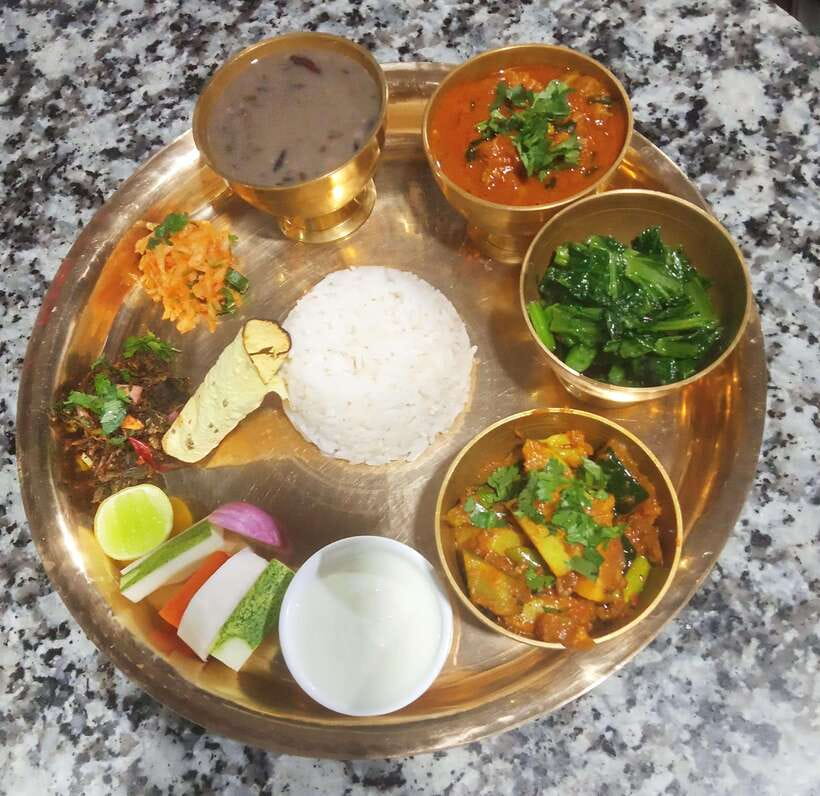
- Dal bhat: the Nepali comfort standard—steamed rice plus lentil soup (dal), usually served with vegetables and pickles alongside curry.
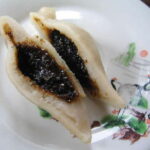
- Yomari: a Newari dumpling from Kathmandu using rice flour dough filled with sweet molasses (chaku) and sesame seeds (sometimes coconut).
If you want the most “daily-life Nepal” meal, this set is the one.
Menu 2: Chatamari / Momo / Kheer
- Chatamari: often called the Nepali version of pizza—a rice flour crepe topped with egg, minced meat, vegetables, and spices.
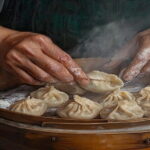
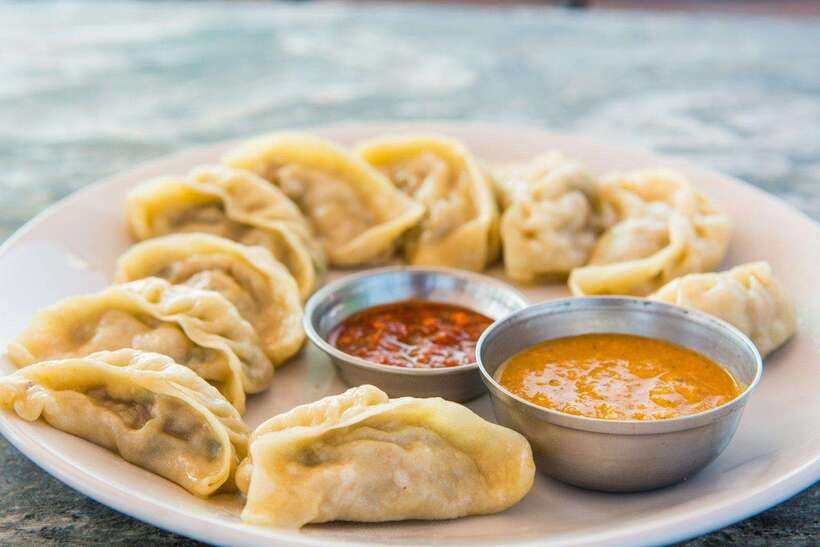
- Momo: dumplings made with thin dough and filled with spiced minced meat (chicken, buff, or pork) or vegetables.
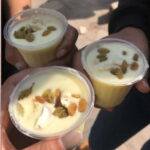
- Kheer: rice pudding simmered with milk, sugar, and cardamom, finished with nuts and raisins.
This menu is great if you’re chasing variety fast—savory dumplings, then a dessert that tastes like home cooking.
You can also read our reviews of more tours and experiences in Kathmandu
Menu 3: Aloo Chop / Thukpa / Carrot Halwa
- Aloo chop: a spiced deep-fried potato snack using mashed boiled potatoes.
- Thukpa: a Tibetan-Nepali noodle soup in flavorful broth, with vegetables and sometimes chicken, buff, or mutton.
- Carrot halwa: a slow-cooked grated carrot sweet with milk, sugar, ghee, cardamom, and garnishes.
Pick this set if you want something snacky plus cozy comfort in soup form.
Dal Bhat and Momo: The Two Skills That Teach You Most
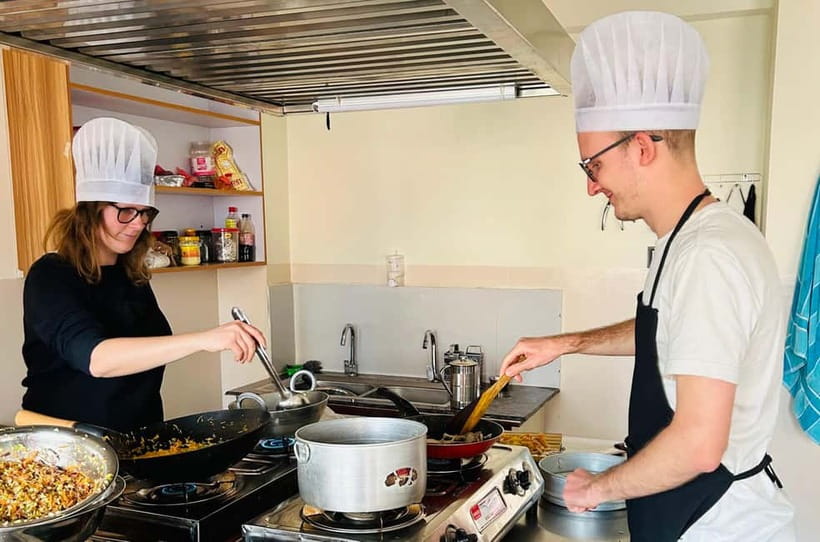
Even if your menu varies, you can expect emphasis on two pillars: dal bhat (the rice-and-lentil structure) and momo (the dumpling technique). Those two dishes explain a lot about Nepali flavor logic.
For dal bhat, the goal is to understand how rice, lentils, and curry-like sides work as a system. You’re not just learning a recipe—you’re learning how people build a meal that’s satisfying and practical. The cooking lesson helps you see why dal bhat is a daily staple across Nepal and neighboring countries: it’s balanced, filling, and adaptable with vegetables and pickles.
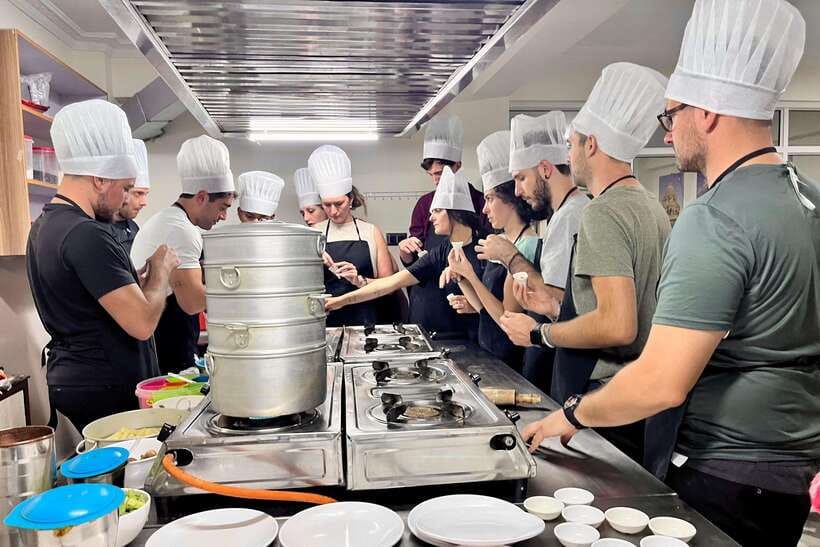
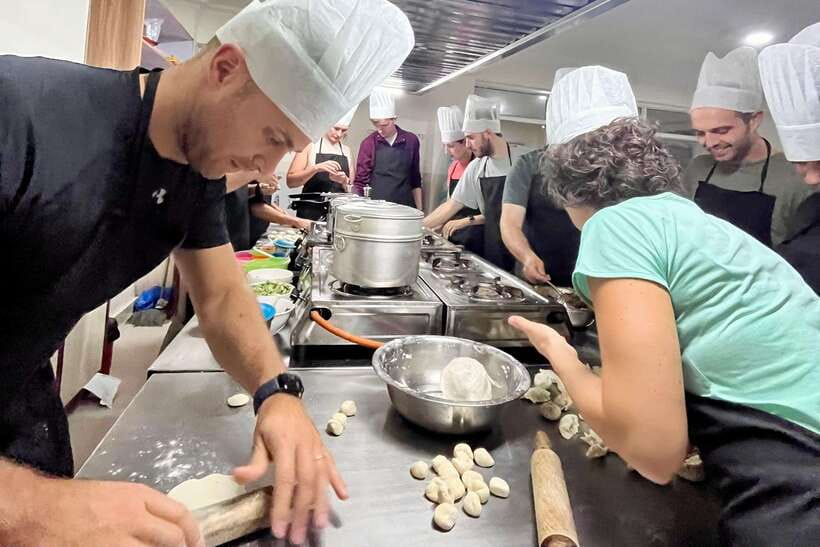
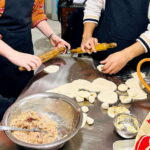
For momos, you’ll get guided help on the process—mixing, filling, and then shaping. This is where pace matters. Momo folding takes muscle memory. One practical note: when the folding technique feels tricky, ask the chef to show the step again slowly. You’ll save time later and you’ll enjoy the experience more. In prior sessions, the most positive feedback often highlights patient explanations, while the main negative note points to what happens when a guest struggles to get the technique right quickly.
The real win: you control how much you make
There’s something satisfying about dumplings you can actually keep producing. One detail that stands out is that the process can practically turn into a question of how many momo you can fold and, honestly, how many you can eat. That’s a good sign for a class like this: it treats cooking as active participation, not a timed performance.
Snacks and Sides: Bara, Chatamari, Yomari, Thukpa, and More
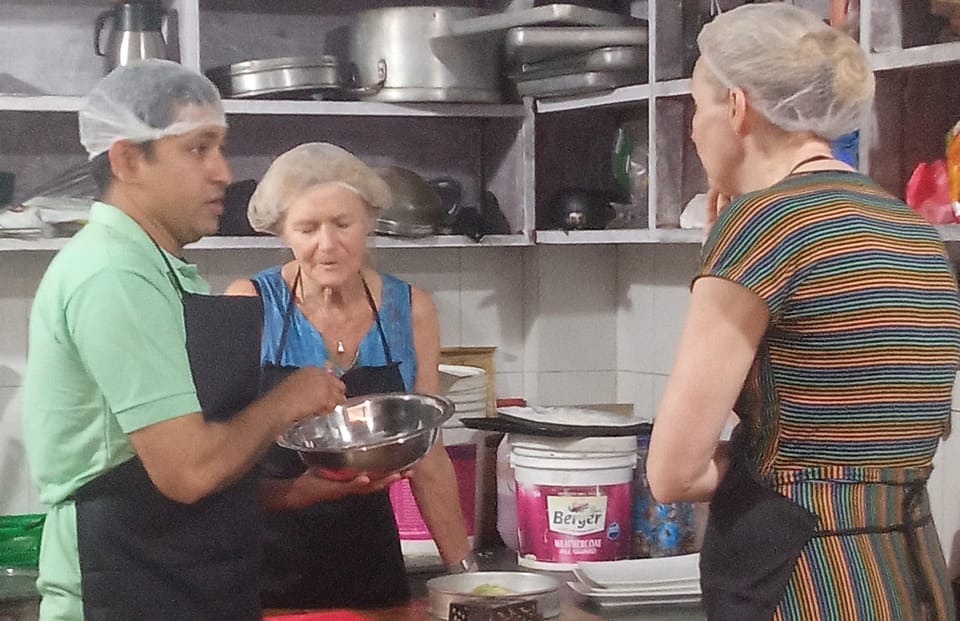
The workshop doesn’t stop at the headline dishes. It uses additional items to teach texture and flavor variety.
- Bara gives you a fried lentil-based base, seasoning with spices so you learn how spices show up even in simple batter foods.
- Chatamari trains a different mindset: rice flour crepes act like a canvas. You top and cook to get that crepe texture while incorporating spiced toppings.
- Yomari adds a sweet Newari angle. The rice dough and molasses filling explain how Kathmandu cuisine isn’t only “savory and spicy”—it also loves dessert comfort.
- Thukpa brings noodle broth technique and the comfort of a warm bowl. You’ll see how broth flavor is built to carry vegetables and optional meat.
- Carrot halwa is a slow-cook lesson in patience. If you like desserts that taste like real cooking rather than quick sweetness, this one is worth the attention.
- Kheer is a classic ending: creamy rice pudding with cardamom and garnishes like nuts and raisins.
This variety is more than menu fluff. It gives you a broader skill set: batter cooking, crepe timing, dumpling structure, broth building, and dessert finishing.
What the “Hands-On” Part Looks Like in Real Life
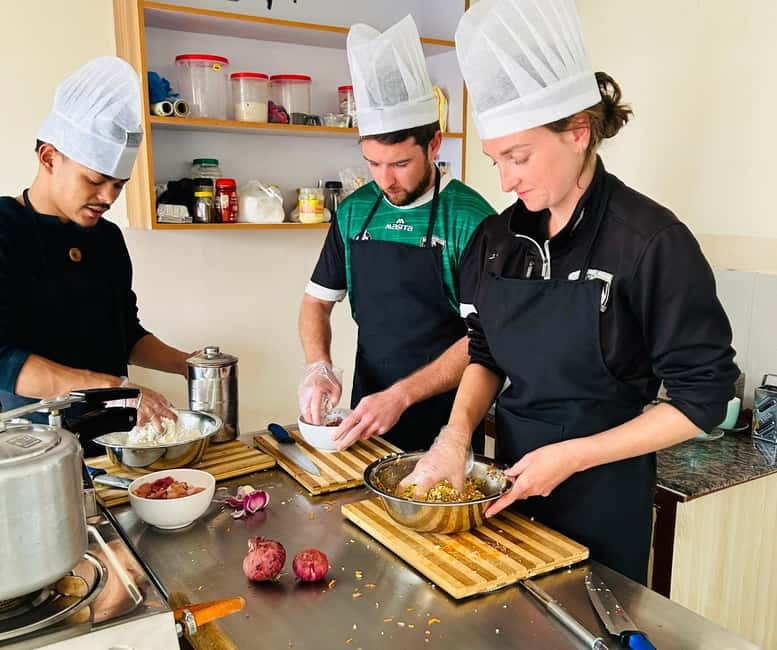
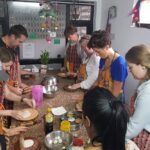
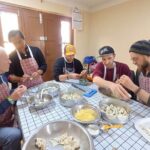
The class runs 2–3 hours, and that time is tight in a good way. You’ll move through stages: market shopping, prep, cooking, then eating. Because it’s a small group of up to 8, you’re not lost in a crowd. You can ask questions and you can get attention when you’re stuck.
The chefs/instructors provide step-by-step guidance and you’re using the cooking equipment and accessories supplied. That means you can focus on technique rather than improvising tools.
Then comes the best part: the tasting session of the food you prepared. It’s not just a “one bite and bye” situation. The goal is that you enjoy an authentic Nepali meal—lunch or dinner depending on your menu set and timing.
If you want photos or video for your memories, you can arrange professional photography or videography for an extra fee. (So you’re not paying for a production you don’t need.)
Price and Value: Is $11 Actually Fair?
At about $11 per person, this class is strong value for what you get: market ingredients, guided cooking instruction, hands-on practice, and a meal with drinks (masala tea is included).
The market stop alone adds real worth. You’re not just learning recipes in a vacuum; you’re learning what ingredients matter and seeing the sourcing process. Then you get to cook and taste multiple dishes depending on the menu set. For a short, 2–3 hour activity in Kathmandu, that’s a practical way to turn local food into something you can repeat later—even if you only remember the core techniques.
The only way the price feels “off” is if you’re looking for a hands-free show where someone else does everything. This is a participatory class. You’ll enjoy it more if you’re ready to get your hands involved.
Who Should Book This Cooking Class (and Who Might Want Something Else)
I’d point this class toward:
- Food lovers who want more than a restaurant meal
- Beginners who learn best by doing
- People who like Kathmandu for culture and everyday life, not only sightseeing
- Travelers who want either vegetarian or meat options (the menus include both)
It’s also suitable for young travelers: the activity is for people aged 8 and above, which can make it a fun family choice if your kids are comfortable cooking and eating.
If you’re extremely sensitive to correcting technique in real time, the momo folding part could be a small stress point. That said, the overall instruction style is described as professional and friendly, and the best outcomes come from asking for the step again when you need it.
Tips to Get the Most Out of Your Session
- Come hungry. The class is short, and you’ll want to taste what you make.
- Don’t be shy about asking for a redo on momo folding if it feels off.
- Watch for how spices are used across multiple dishes—then you can translate that into your future cooking.
- If you’re choosing between menu sets, pick based on what you want most: classic dal bhat, dumplings and dessert, or soup-and-snack comfort.
Should You Book?
Yes—if you want a hands-on Kathmandu experience built around real Nepali food skills, this is a great pick. The value is solid for the price: market shopping plus guided cooking plus a meal you helped make. It’s also one of those activities that teaches you more than one recipe; you learn how Nepali cooking is structured—rice and lentils, dumplings, spice patterns, and comfort-food desserts.
Skip it only if you’re hoping for a totally hands-off experience or you know you won’t enjoy skill-based prep like dumpling shaping. For most people, though, the chance to cook, taste, and ask questions in a small group makes it a memorable use of a few hours in Kathmandu.
FAQ
What is included in the cooking class price?
The price includes the cooking class with step-by-step instructions from a local chef, a market/shop tour to buy ingredients, hands-on cooking, use of cooking equipment and accessories, a tasting session of the food you prepare, and Nepali masala tea during the lesson.
How long does the experience take?
The class runs about 2–3 hours, depending on the starting time and menu flow.
What dishes will I learn to make?
The class focuses on Nepali dal bhat and momo, and it also uses one of three menu sets that can include items like bara, yomari, chatamari, kheer, aloo chop, thukpa, and carrot halwa.
Are there vegetarian and meat options?
Yes. The menus include both vegetarian and meat options, including vegetable fillings for momo and meat options like chicken, buff, or pork depending on the dish.
Is the instructor available in English?
Yes, the instructor teaches in English.
How many people are in the group?
The group is limited to a small size of up to 8 participants.
What age is this class suitable for?
This workshop is suitable for participants aged 8 and above.