REVIEW · KATHMANDU
Gokyo to Everest Base Camp Trek
Book on Viator →Operated by Ace the Himalaya · Bookable on Viator
High passes, big views, and Sherpa trails. This trek stitches together Lukla, Namche Bazaar, Gokyo Lakes, Cho La Pass, and the classic high point at Kala Patthar, all while following the Khumbu route toward Everest Base Camp. I especially like how the itinerary isn’t just about one summit moment—it gives you multiple “stop-and-stare” days, including the views from Gokyo Ri.
I also like the way support is built in. With a licensed English-speaking trekking guide and a porter setup (one porter for every two clients), you’re better able to focus on pacing instead of hauling everything yourself. The vibe is safety-first too; in real-world conditions like snow and bad weather, guides such as Nima and Raj Kumar have been flexible about timing and options. The main drawback to plan for is comfort and altitude reality: Cho La comes with a pre-dawn start, and Thangnag is described as very basic, dorm-style lodging because it’s remote.
In This Review
- Key highlights worth packing for
- Why this Everest Circuit feels different: Gokyo, Cho La, then Base Camp
- Getting to Lukla: the short flight that controls your whole mood
- Days 2–4: Phakding, the Dudh Kosi bridges, and Namche acclimatization
- Up the ridges toward the Ngozumpa glacier world
- Gokyo Ri: the early climb that makes the lakes feel huge
- Cho La Pass: dormy Thangnag nights and the pre-dawn plan
- Lobuche and the Everest Base Camp push across the Khumbu Glacier
- Kala Patthar at 5,555 m: your hardest-earned view day
- The descent via Pangboche and Tengboche back to Namche and Lukla
- Price and value: what you get for $2,200 (and what you still must plan)
- Who should do this trek (and who should adjust expectations)
- Should you book Ace the Himalaya’s Gokyo to Everest Base Camp trek?
- FAQ
- What is the meeting point and start time?
- How long is the trek?
- What is the maximum group size?
- Are flights to Lukla included?
- What trekking gear is provided?
- What happens if the trek can’t run due to weather, or if I need to cancel?
Key highlights worth packing for
- Gokyo Ri at 5,483 m for big panorama views over the Gokyo valley
- Cho La Pass around 5,300 m with a 4:00–5:00 am walking start to beat weather
- Everest Base Camp access at 5,365 m without needing mountaineering gear
- Kala Patthar at 5,555 m for a hard-earned, classic high-altitude viewpoint
- Gear and water included: down jacket + sleeping bag, plus a Katadyn pocket filter
- Small-group feel (max 15) with guide and porter support built in
Why this Everest Circuit feels different: Gokyo, Cho La, then Base Camp
If you’re comparing Everest Base Camp treks, the big difference here is that you don’t just go to the base of Everest—you also go to Gokyo. That matters because it adds more variety: you’ll spend time around the Gokyo Lakes area, then cross a high pass at Cho La, and only after that do you push onward toward Everest Base Camp.
This route also follows famous valleys and Sherpa towns, like Namche Bazaar, where the community rhythm and Buddhist monastery scenes are part of the experience. The trek is also framed as an “Everest circuit” style walk, so your days tend to feel like a journey rather than a single out-and-back chase.
And yes, the views are the reason everyone talks about this trek. But what I like is that the views show up in layers: first you get high-altitude valley scenery around Gokyo, then you get the pass crossing drama, then you finally earn the Everest-area payoffs at Base Camp and from Kala Patthar.
You can also read our reviews of more hiking tours in Kathmandu
Getting to Lukla: the short flight that controls your whole mood
Your trek starts with an airport pickup in Kathmandu at Tribhuvan International Airport, and then you’ll fly into Lukla by way of the local airport (Tenzing and Hillary Airport). The flight is listed as about 35 minutes and takes you to Lukla at 2,804 m—it’s short, but it jumps you high fast.
The trip also includes the return flight back to Kathmandu, again about 35 minutes, which is a big deal for planning. You don’t have to think about a long hike down just to reach a road.
One practical thing to keep in mind: these flights are weather-dependent in Nepal, and the experience notes that the trek requires good weather. If conditions go sideways and the trip is canceled due to poor weather, you’ll be offered a different date or a full refund—so the smarter move is to keep your travel plans flexible around those dates.
Days 2–4: Phakding, the Dudh Kosi bridges, and Namche acclimatization
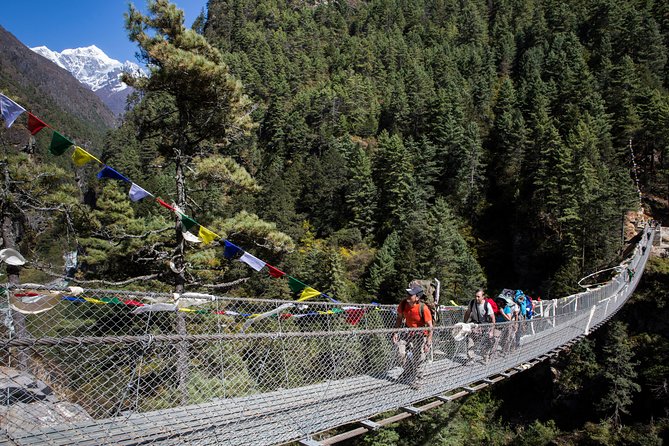
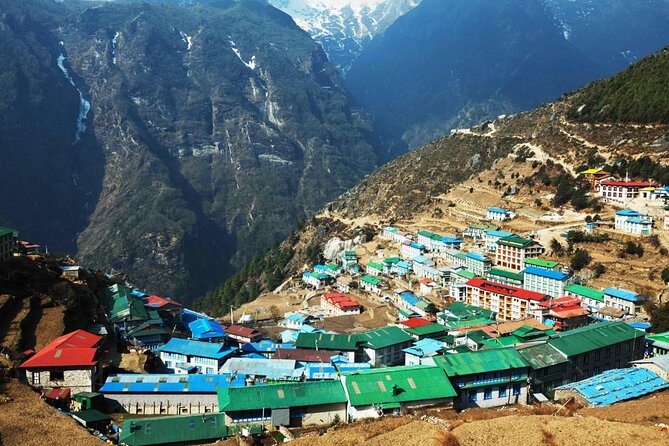
After landing in Lukla, you trek toward Phakding and then continue into the Namche Bazaar area. Early on, you walk along the banks of the Dudh Kosi river and cross suspension bridges that carry prayer flags. It’s one of those touches that helps the trek feel real, not just scenic—every bridge crossing reminds you you’re moving through an active human landscape.
You’ll also enter Sagamartha National Park while you’re in this stretch. That’s not just a checkbox; it’s part of why this route is so well-known and guided—it’s a protected area with strong cultural and environmental context.
Then comes a key day: a full acclimatization day in Namche Bazaar. Instead of cramming altitude gains every day, you get time to adjust to the thinning air. The plan includes a short trek to a museum focused on traditional Sherpa customs, which is a good use of energy. On these high treks, a “cultural stop” is sometimes the best kind of rest: your body gets a break, but your brain still feels engaged.
Up the ridges toward the Ngozumpa glacier world
From Namche, the trek continues toward Phortse, climbing through rhododendron forest. You’ll start seeing more juniper and conifer growth as elevation rises, and the route is described as fairly pristine in spring. Even if the weather is mixed, this day gives you that “moving upward” feeling quickly.
Next is Machhermo, where the day includes a climb to a ridge for views down the valley toward Kengtega and up toward Cho Oyu—then you drop toward a river and climb again up toward the terminal moraine of the Ngozumpa glacier. That description matters because you’re no longer just walking through villages. You’re walking into the glacier-and-ice geometry of the Himalaya, and the terrain starts to feel tougher in a different way.
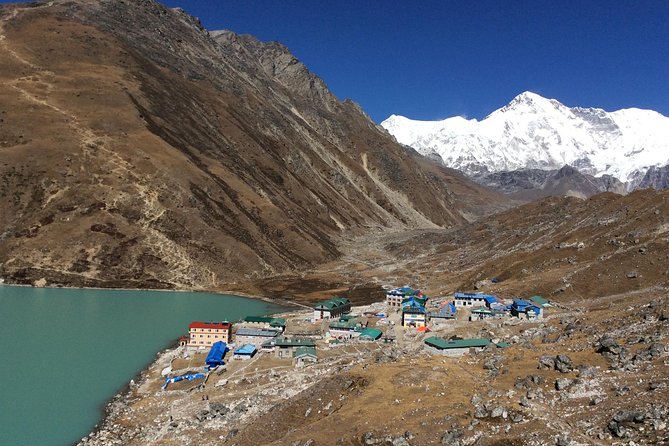
The reward for this effort is Gokyo at 4,790 m. You stay there for two nights so you can do sightseeing and short hikes around the area instead of rushing straight through. This extra time is a smart design for altitude days; it gives you a chance to steady your breathing and just enjoy what you’re seeing.
Gokyo Ri: the early climb that makes the lakes feel huge
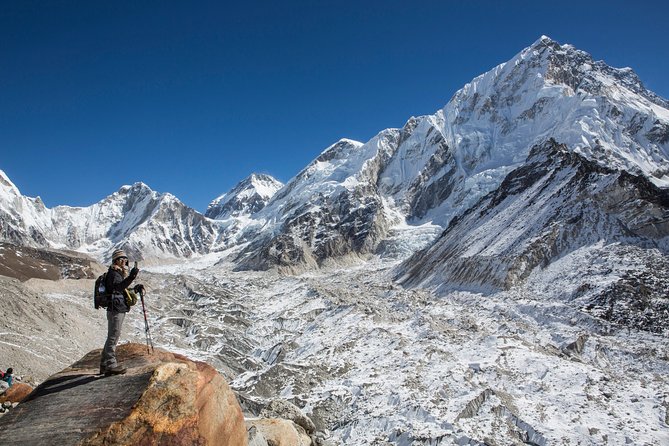
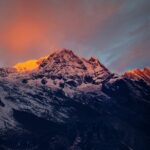
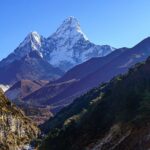
From Gokyo, you have an early, steep hike up to Gokyo Ri at 5,483 m. This is one of the classic altitude-view plays of the whole trek. The payoff is described as stunning views over the super Gokyo valley and major peaks in the region.
What you’ll probably notice is that the lakes zone doesn’t feel like a side attraction—it feels like a core experience. And because you’re higher and more exposed on ridgelines, the views are often more dramatic than you’d expect from a “just a lake day” on paper.
Practically, treat Gokyo Ri like a pacing test: slow, steady steps, frequent pauses, and no hero mode. The trek includes a guide and group structure, and that helps because your leader can keep everyone aligned with safe timing—especially as weather shifts fast in these elevations.
Cho La Pass: dormy Thangnag nights and the pre-dawn plan
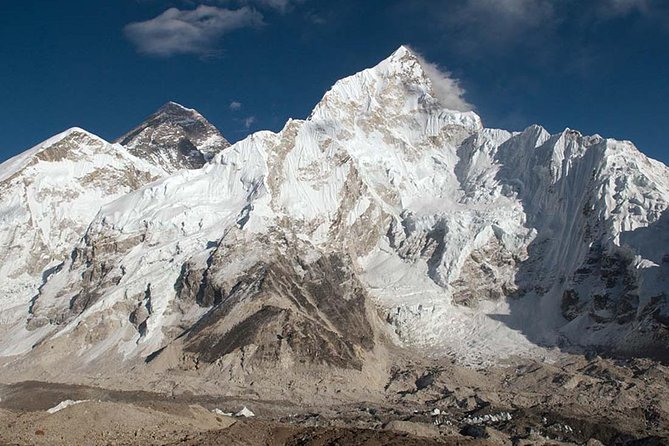
Crossing Cho La Pass is the big mechanical point on this route, and it’s planned to reduce weather risk. On the pass day, you start walking before sunrise, around 4:00 or 5:00 am, aiming to reach the pass between 9:00 am and 10:00 am. That timing isn’t a gimmick—it’s a realistic way to avoid harsher midday conditions and keep the pass crossing more manageable.
But before the pass, you’ll sleep in Thangnag, and the lodging is described as very basic: dormitory-based rooms because the place is remote. This is where comfort expectations need to be lower. You’ll be tired, you’ll likely sleep lightly, and you’ll want to keep your own small habits tight—pack your layers where you can access them fast.
I also like that the trek doesn’t pretend this day is easy. It’s one of those moments where a good guide matters because conditions can change quickly (snow, wind, visibility). In the real accounts tied to this trek, guides like Nima and Raj Kumar have been described as flexible in snow and weather, adjusting options while keeping safety first. For Cho La, that kind of judgment can be the difference between stressed and focused.
Lobuche and the Everest Base Camp push across the Khumbu Glacier
After Cho La, the route heads toward Lobuche. The walk to Lobuche is described as shorter and easier, which is useful because you need to save something for the next major day.
Then comes the heavyweight: Everest Base Camp at 5,365 m. The day is described as big and difficult, including a walk along the Khumbu Glacier and up to Base Camp. This is the closest you can get to Mount Everest without mountaineering equipment, and it’s a very specific kind of thrill. You’re not “summiting,” but you’re standing in the atmosphere of expedition logistics—huge, demanding terrain right there in front of you.
Base Camp days tend to test patience as much as legs. You’ll want to keep moving, but also manage your energy because altitude can hit with fatigue rather than pain. A guided group helps you stay on track, and the plan includes licensed trekking leadership, plus the porter system (so your load is lighter than if you were solo).
Kala Patthar at 5,555 m: your hardest-earned view day
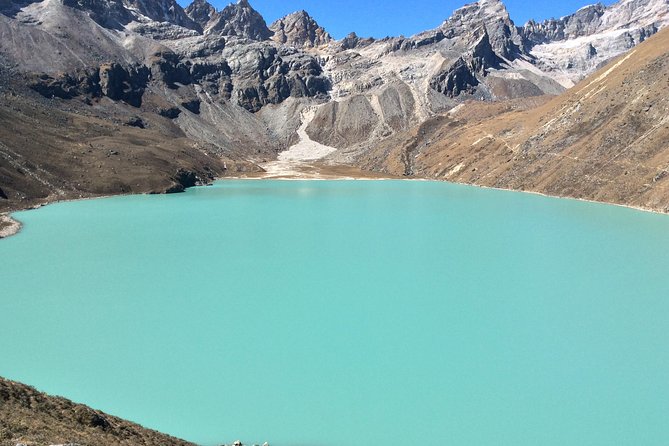
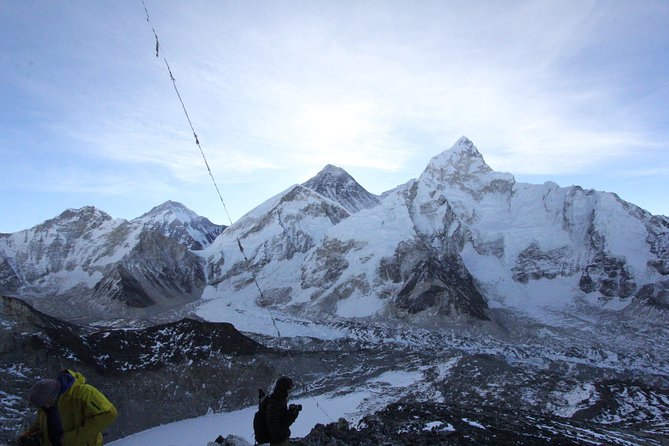
The next morning is built around Kala Patthar, a peak at 5,555 m. The climb is described as demanding, but also one of the most rewarding days of the trek. This is where the Everest Circuit delivers its classic, high-elevation panorama.
Why Kala Patthar works so well is simple: it’s high enough to pull the world closer. You’re no longer just seeing Everest-area geography—you’re seeing it from a viewpoint that makes scale hit harder. Even if you’ve seen photos, your eyes and lungs will still need a moment to process it.
The day also includes a longer push, so plan mentally for steady climbing and a “good enough” goal. The goal isn’t to sprint. The goal is to reach the viewpoint feeling proud, not wrecked.
The descent via Pangboche and Tengboche back to Namche and Lukla
After Kala Patthar, the trek turns into recovery mode—still active, just less steep by design. You’ll head down toward Namche Bazaar, passing through Pangboche and Tengboche before continuing on. This is an important contrast: after days focused on altitude challenges, you start seeing familiar terrain again, and you get more chances to breathe normally.
This is also where you tend to notice the religious and cultural landmarks more clearly. The overall trek description highlights Buddhist monasteries in high-elevation areas, and Tengboche is one of the key places where that cultural side is part of the walk, not a separate add-on.
Eventually, you return to Lukla, which marks the end of trekking. The afternoon in Lukla is described as free time, and that’s a good thing. After so many high-effort days, you’ll want some space to sit, write down what you noticed, and let your legs stop negotiating with the mountain.
Then you’ll fly back to Kathmandu, with airport transfers included, so you’re not stuck figuring logistics right after altitude.
Price and value: what you get for $2,200 (and what you still must plan)
At $2,200 per person, this trek is priced for a guided, all-in package feel on the mountain side. Here’s where the value shows up:
- Domestic flights Kathmandu–Lukla–Kathmandu are included
- Permits for trekking are included
- A licensed English-speaking guide is included
- Porter support is built in: 1 porter for every two clients
- Trekking sleep-and-warmth support is provided: down jacket and sleeping bag (you return them afterward)
- Water is handled: filtered water with a Katadyn Pocket Water Filter
- Food is planned for the trail days: lunch and dinner (14 each) plus breakfast (16)
- Kathmandu includes 2 nights in a three-star hotel with twin-share rooms, plus airport transfers
- Extra gear comfort includes a duffel/kit bag and sun hat
Now, the places you’ll likely spend extra are also pretty clear. Meals in Kathmandu (lunch and dinner) aren’t included. You also need travel insurance that covers emergency high-altitude rescue and evacuation, plus your Nepal entry visa and international flights. Alcohol and personal drinks aren’t included either, and tipping trekking staff and drivers is expected.
If you want the mountain to feel organized instead of improvised, this price makes sense. If you already own good cold-weather gear and prefer to carry everything yourself, the included equipment and porter ratio might not feel as essential—but most people find it’s a big quality-of-life upgrade.
Who should do this trek (and who should adjust expectations)
This trek is described as suitable for people with moderate physical fitness, and that matches the structure: you get acclimatization in Namche, short-to-long segments, and a clear rhythm. Still, Cho La and the push to Kala Patthar mean you’re not doing an easy stroll. This is high-altitude walking with long days and early starts.
You’ll also be spending nights in different types of lodging, including basic dorm-style rooms in Thangnag. If you need a private, quiet room every night, plan for some compromises.
On the plus side, the small group size (maximum 15 travelers) keeps the experience more manageable, and the porter system means you’re less likely to arrive at higher elevations feeling overburdened.
This trek also suits you if you want a real mix: culture days (Namche and Sherpa custom museum), glacier and ridge walking (Machhermo and glacier terrain), and a big Everest-area climax (Base Camp and Kala Patthar).
Should you book Ace the Himalaya’s Gokyo to Everest Base Camp trek?
I’d book this trek if your heart says Everest, but your brain wants variety too. The combination of Gokyo Lakes, Cho La Pass, and then Everest Base Camp means you’re not betting everything on a single day. The included gear, water filter, meals, and flights reduce a lot of stress that can snowball on high-altitude trips.
I’d think twice if you’re sensitive to early wake-ups, rugged lodging at remote points, and the fact that weather can control your timeline in Nepal. One of the strongest reasons to feel confident, though, is the way guides are described handling conditions—people have specifically credited guides like Nima and Raj Kumar with staying safety-first and adapting when snow and weather changed plans.
If you like structured support and want your Everest circuit to feel like it has a plan (not just hope), this is a solid choice.
FAQ
What is the meeting point and start time?
The meeting point is Tribhuvan Airport in Kathmandu, Nepal, and the start time is 8:00 am.
How long is the trek?
The trip is listed as about 17 days.
What is the maximum group size?
The group has a maximum of 15 travelers.
Are flights to Lukla included?
Yes. Kathmandu–Lukla–Kathmandu airfare is included.
What trekking gear is provided?
You receive a down jacket and a sleeping bag for the trek, and you return them afterward.
What happens if the trek can’t run due to weather, or if I need to cancel?
The experience requires good weather. If it’s canceled due to poor weather, you’ll be offered a different date or a full refund. You can cancel up to 6 days in advance for a full refund, or cancel 2–6 days in advance for a 50% refund. Less than 2 full days before the start time isn’t refundable.