REVIEW · KATHMANDU
Kathmandu Walking Tour
Book on GetYourGuide →Operated by Breakfree Adventures Pvt. Ltd. · Bookable on GetYourGuide
Kathmandu rewards slow walking. This Kathmandu Walking Tour threads you from the oldest market, Ason, through temple alleys to two UNESCO sights, with a hilltop panorama at the end.
I love the small 10-person group size, because your guide can actually answer your questions as you move. I also like the pace at Kathmandu Durbar Square, where the temples and shrines feel active, not staged.
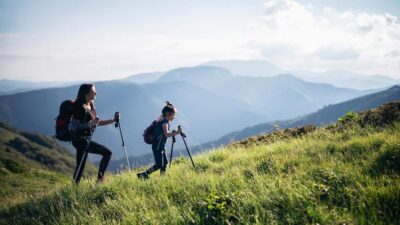
The trade-off is physical: expect uneven streets and a climb up toward Swayambhunath, so it is not the best plan if hills wear you out.
In This Review
- Key things I’d plan for on this walk
- From Thamel pickup to Ason: the smart start point
- Ason market: watching daily Kathmandu happen
- Kathmandu Durbar Square: temples and shrines you can read with a guide
- Freak Street: why this famous junction is part of the story
- Swayambhunath Monkey Temple: the panoramic payoff
- Getting back to Thamel at the end
- How the 4 hours actually feel on your feet
- Price and value: is $30 worth it?
- What to bring (and what to plan for) in Kathmandu
- Who should book this tour
- Should you book the Kathmandu Walking Tour?
- FAQ
- How long is the Kathmandu Walking Tour?
- Where does the tour start, and is hotel pickup included?
- Is the tour in English, and how big is the group?
- What is included in the tour price?
- Are monument entrance fees included?
- Does the itinerary include UNESCO World Heritage Sites?
- Can I cancel for free, and do I have to pay right away?
Key things I’d plan for on this walk
- Ason market as your warm-up: You start where locals shop and chat, before you switch gears to major monuments.
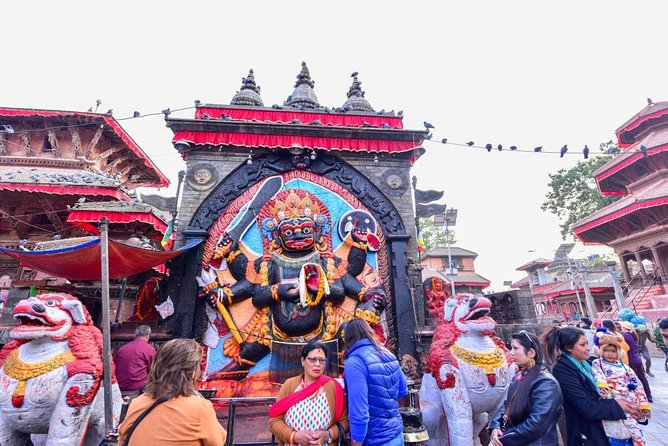
- Kathmandu Durbar Square UNESCO stop: You get a guided look at temples, palaces, and shrines in a single concentrated area.
- A quick Freak Street detour: You’ll pass through the famously Hippy-era junction area and get the context for why it is on the map.
- Swayambhunath hilltop views: The Monkey Temple area sits high above the city for a classic Kathmandu Valley panorama.
- Skip-the-ticket-line advantage: You spend more of the 4 hours walking and less time waiting at monument entry points.
- Guides who tell it straight: People mention guides such as Shankar Bhattarai and Madan Sakota for clear storytelling about religion and everyday life.
From Thamel pickup to Ason: the smart start point
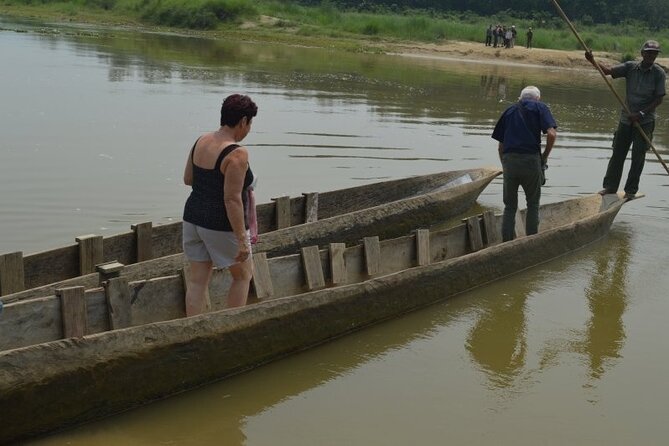
This tour is designed as a city walk circuit, not a long bus ride. Your day begins with pickup from hotels in the Thamel area, then you head out on foot toward Ason. If your hotel is in Thamel, you’re set up well for a smooth start.
One practical note: the guide collects you at your hotel, so you’ll want to provide your hotel name at booking. If you like to be efficient (and you’re spending time in Kathmandu), this small detail matters.
The timing is built for a 4-hour experience. That is long enough to get a real feel for Kathmandu streets, but short enough that you are not stuck on your feet all day. The route also sticks to what you came for: everyday life in the city center and two UNESCO World Heritage Sites.
Included basics are simple: you get an experienced English-speaking guide and mineral water. No big surprises, which I appreciate.
You can also read our reviews of more walking tours in Kathmandu


Ason market: watching daily Kathmandu happen
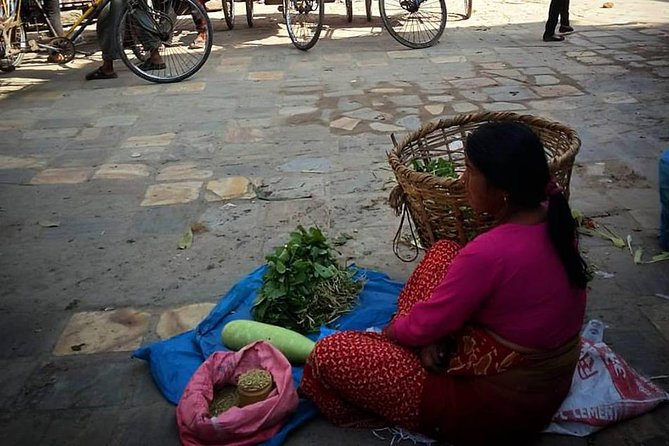
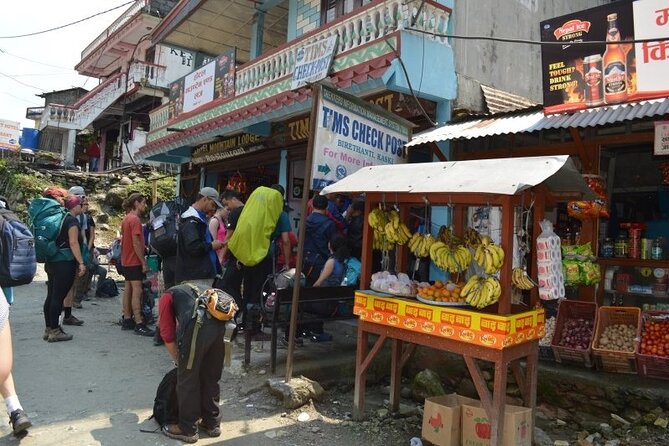
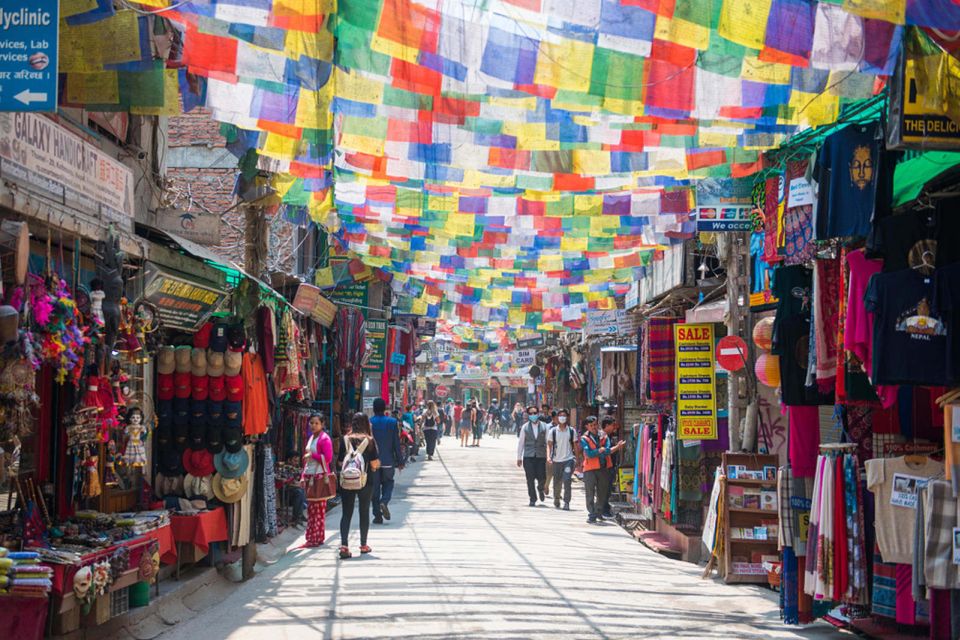
Ason is the oldest market place in Kathmandu, and it sets the tone fast. Your walk begins near your hotel, then you step into that thick center-of-town energy: busy streets, shopfronts, small squares, and old temples you might not notice on your own.
What makes this part valuable is that it comes early, before the UNESCO sites. You’re not just touring monuments. You’re getting your bearings in the way locals actually move through the city—buying, carrying, bargaining, pausing to talk, and weaving between stalls.
Your guide’s job here is to help you see the difference between:
- what is just “street clutter”
- and what reflects how Kathmandu works day to day
Even if you only catch bits—signs, temple details, the rhythm of foot traffic—you start to understand how religion and daily life overlap. And since you are walking, you can stop when something catches your eye, without derailing the schedule.
Kathmandu Durbar Square: temples and shrines you can read with a guide
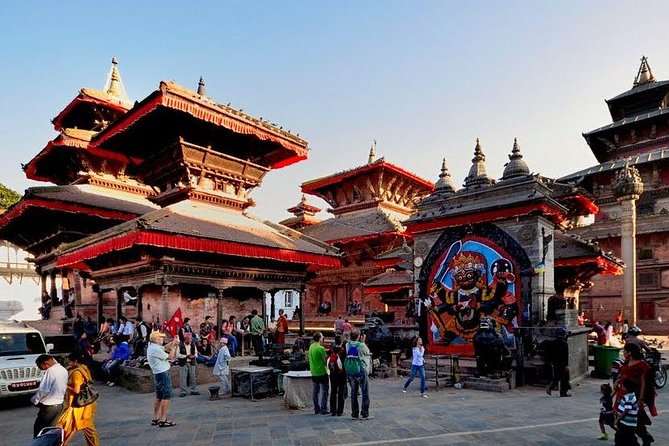
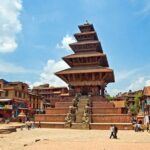
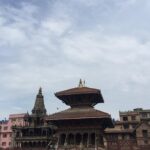
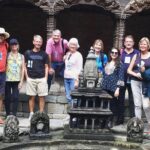
Next up is Kathmandu Durbar Square, a UNESCO World Heritage Site and one of the city’s key historical and religious hubs. This is not a single monument. It’s an area packed with temples, palaces, and shrines, which is exactly why a guided walk helps.
If you go without context, you can end up doing the “photo-and-move” routine and missing the human meaning. With a guide, you get pointers on what you’re looking at—why the space is important, how the religious structures relate to the surrounding buildings, and why this area still feels like part of Kathmandu’s living culture.
A nice efficiency perk: you get skip-the-ticket-line for included monument entry. That helps a lot when you’re on a tight 4-hour schedule.
The main drawback for Durbar Square is also the main reason it’s worth it: it is busy and full of details. You’ll want to slow down. Look up at carvings and rooflines. Notice where shrines sit in relation to courtyards and movement paths. This is the kind of place where the guide’s pacing keeps you from feeling lost.
Freak Street: why this famous junction is part of the story
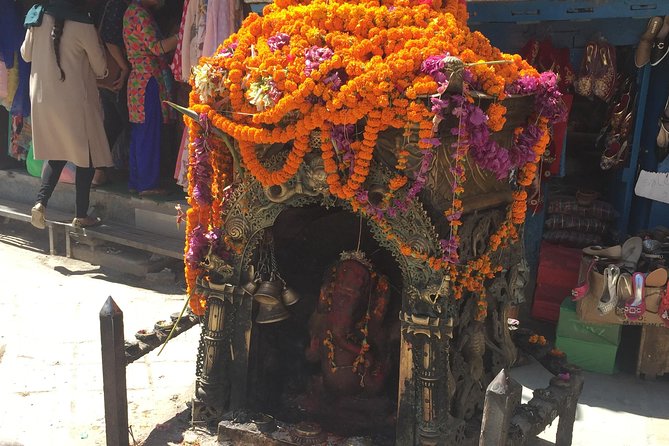
Then comes a stop near Freak Street, described as the most popular junction during the Hippy era. This is more than a name on a map. It’s a cultural waypoint that helps explain how Kathmandu became a magnet for travelers in past decades—and why certain streets developed a reputation that stuck.
On this tour, it’s not presented as a full history lecture. You’re basically taking a trip through the area and getting the context, so you understand what you’re seeing now and how it got there.
For me, the best way to enjoy this section is to treat it like contrast:
- markets and temples show the long-running local patterns
- Freak Street shows the “Kathmandu caught the world’s attention” chapter
If you’re a first-timer, it also helps connect Kathmandu today to the stories you’ve likely heard in travel circles.
Swayambhunath Monkey Temple: the panoramic payoff
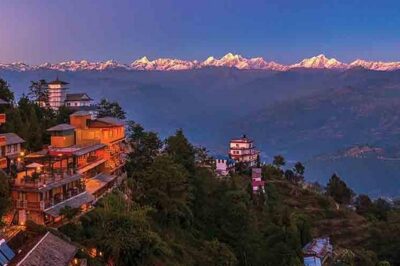
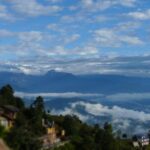
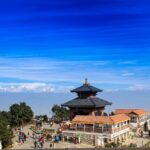
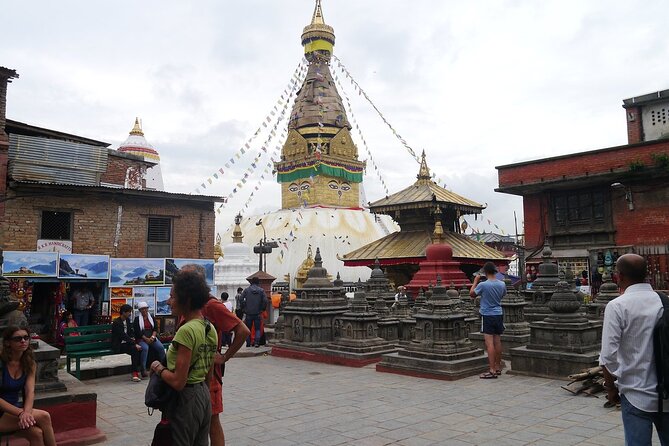
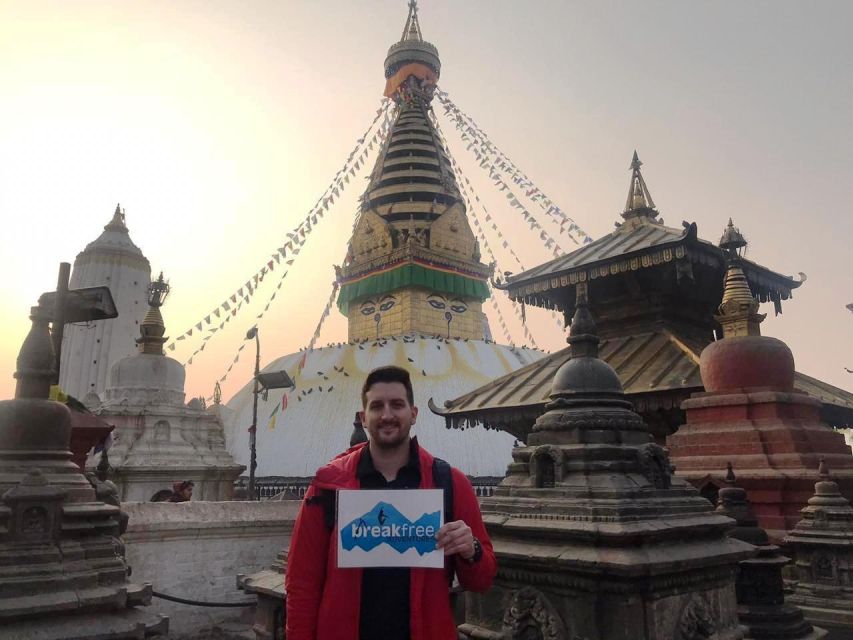
After the city-center stops, the walk heads to Swayambhunath, the other UNESCO World Heritage Site on the route. It’s known for its Monkey Temple area and for the view—Swayambhunath sits on a hilltop, so you get a wide panoramic look over the Kathmandu Valley.
This is the part I’d call the emotional payoff of the tour. Kathmandu is compact on the ground, but the valley view gives you scale. You can finally connect the dots between what you walked past and how the whole region sits around the city.
Because it’s on a hill, you should assume some uphill effort. The good news is that it’s still within a 4-hour structure, so the guide keeps things moving without turning it into an all-day hike.
Also, remember the name: it’s the Monkey Temple. Even if you do not focus on animals, you’ll notice that the area is designed around the temple complex and visitor flow that comes with it.



Getting back to Thamel at the end
Once you finish Swayambhunath, you have two options:
- walk back to Thamel
- or take a taxi from Swayambhunath to Thamel (taxi cost is not included)
If you still feel good, walking is a nice way to unwind after the hilltop view. If your legs are done, the taxi option is the sensible out—just budget for it since transfers are not included.
Some people also mention that their guides have made the timing easy enough to get back smoothly to their hotel area, so you can ask what makes the most sense for you that day.
How the 4 hours actually feel on your feet
A 4-hour walking tour can either feel like a neat sampler or like a leg-burner. Here’s how to read this one.
You’ll start with the Ason market area, then transition into the UNESCO-heavy portions: Kathmandu Durbar Square and Swayambhunath. That means you’ll spend a good chunk of time:
- walking through streets and squares
- stopping at major sites for guided explanation
- climbing up toward Swayambhunath
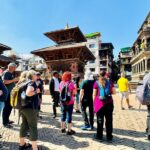
The pace is small-group based. With a maximum of 10 participants, it is easier for the guide to manage questions and keep the group together. That matters because Kathmandu streets can be tight, and leaving the group behind is the kind of stress you don’t need on a vacation.
My practical tip: wear comfortable shoes, and assume you’ll be on uneven ground more than once. This is especially relevant near older temple complexes and market lanes.
Price and value: is $30 worth it?
The price is $30 per person for a 4-hour guided walk, including mineral water and an experienced guide. That’s the baseline.
Here’s where the value comes from beyond the sticker price:
- You get an English live guide who helps you interpret temples and shrines you would otherwise see as “interesting buildings.”
- You get two UNESCO sites in one route.
- You get skip-the-ticket-line, which can save real time.
- Your tour structure is built to minimize extra logistics: pickup is included from the Thamel area, so you aren’t scrambling for transportation at the start.
What you should account for:
- monument entrance fees are not included
- there are no transfers/taxi included, so your return from Swayambhunath might involve a taxi if you choose that route
So the best way to think about the $30 is as payment for the guide, time saved, and the walk plan. Entrance fees are separate, but the tour still earns its keep if you’re using the guide to understand what you’re seeing.
What to bring (and what to plan for) in Kathmandu
For this tour, keep it simple. You’re walking, you’ll pass through market areas, and you’ll visit monument zones.
Bring:
- Passport or ID card
- comfortable shoes
- cash
Why cash matters: the tour data doesn’t promise cashless payments, and monument entry is not included. Having cash ready helps you avoid last-minute issues if you need to pay at the sites.
Also bring the mindset that you’re in the city. You’ll see active streets and religious spaces. Keep your pace calm, and let your guide set the rhythm.
Who should book this tour
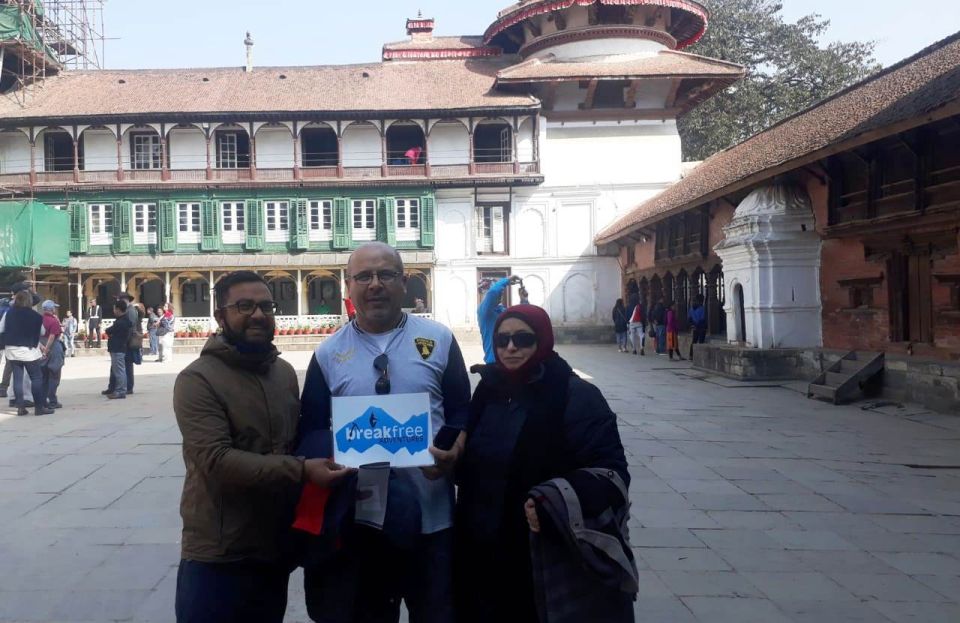
This one fits best if you:
- want a first-time Kathmandu orientation that focuses on the center
- like walking through markets and heritage sites
- prefer small group guiding rather than a large bus crowd
- want an English guide who can explain what you’re seeing, and you are willing to ask questions
It is not suitable for wheelchair users or pregnant women, because the route includes walking on uneven ground and a hill climb toward Swayambhunath.
If you’re traveling solo, this style of tour can be especially nice because you get to ask questions without competing with a huge group.
Should you book the Kathmandu Walking Tour?
If you want Kathmandu in one afternoon, I’d say yes—this tour is built for exactly that. You get a smooth arc from Ason market life to major heritage stops at Kathmandu Durbar Square and Swayambhunath, with views that make the effort feel worth it.
Book it if:
- you can handle a real walking day
- you want guided context for UNESCO sites and temples
- you appreciate small-group pacing and don’t mind separate monument fees
Skip it (or look for a gentler alternative) if:
- hills and uneven steps are a problem for you
- you’re hoping for a low-effort sightseeing plan
FAQ
How long is the Kathmandu Walking Tour?
The tour lasts 4 hours.
Where does the tour start, and is hotel pickup included?
Pickup is included from your hotel in the Thamel area. The tour begins by walking from your hotel to the nearby busy Ason market.
Is the tour in English, and how big is the group?
The tour has a live English-speaking guide and is a small group, limited to 10 participants.
What is included in the tour price?
The price includes an experienced tour guide and mineral water, plus skip-the-ticket-line for the sites on the route.
Are monument entrance fees included?
No. Monuments entrance fees are not included.
Does the itinerary include UNESCO World Heritage Sites?
Yes. You visit Kathmandu Durbar Square and Swayambhunath, both UNESCO World Heritage Sites.
Can I cancel for free, and do I have to pay right away?
Yes. You have free cancellation up to 24 hours in advance for a full refund, and you can use reserve now & pay later.
If you tell me your hotel area (or your exact Thamel hotel), I can help you think through whether this 4-hour route matches your walking comfort level.