REVIEW · KATHMANDU
Everest Base Camp trek- 11 days
Book on Viator →Operated by Mount Face Nepal · Bookable on Viator
One flight turns Everest into your daily view. This 11-day trek from Kathmandu to Everest Base Camp is built around big mountain moments and real-life Khumbu culture, from Namche Bazaar to Tengboche monasteries.
What I like most: the early-morning Lukla flight with sunrise views of snowcapped peaks, and the way the route mixes high-altitude hiking with Sherpa towns, monasteries, and icefall scenery. The one consideration is altitude: this route tops out around Kalapathar, and you’ll want at least moderate fitness and patience with slower days.
The logistics are also handled in a way that lets you focus on walking. You get pickup and drop for your Lukla flights, plus full-board meals (breakfast, lunch, dinner) during the trekking days. In the field, guides like Dipu are repeatedly praised for keeping the trek organized and keeping you supported—so you’re not guessing what comes next.
One more plus: it’s a private trek for your group, with a government-licensed guide, a porter to carry your baggage, and gear covered at the guide/porter level. You’ll also get key paperwork like TIMS and the trek permits, plus a first aid kit. If that sounds like your kind of balance—adventure with fewer headaches—this trek is worth strong consideration.
In This Review
- Quick hits before you go
- Kathmandu base camp: why Thamel and pickup matter
- Price and logistics: what $1,699 buys on this EBC trek
- Day by day: walking from Phadking to Namche to Tengboche
- Day 1: Kathmandu to Lukla, then Phadking
- Day 2: Phakding to Namche Bazaar
- Day 3: Acclimatization in Namche Bazaar
- Day 4: Namche Bazaar to Tengboche
- Day 5: Tengboche to Dingboche
- Higher camps and Everest moments: Dingboche to Lobuche to EBC
- Day 6: Dingboche to Lobuche (4,910m)
- Day 7: Lobuche to Gorakshep, then Everest Base Camp
- Kalapathar: the last big viewpoint before you turn back
- Day 8: Gorakshep to Kalapathar (5,545m) and Pheriche
- Day 9: Pheriche to Namche
- The way home: Namche to Phadking to Lukla to Kathmandu
- Day 10: Namche to Phadking and Lukla (2,835m)
- Day 11: Lukla to Kathmandu
- Accommodations and meals: full-board on the trail
- Your guide and porter setup: how it affects your comfort
- Altitude reality check: what moderate fitness means here
- Should you book Everest Base Camp with Mount Face Nepal?
- FAQ
- Where does the trek start?
- How long is the Everest Base Camp trek?
- Is pickup and drop-off included?
- Are flights included in the price?
- What meals are included during the trek?
- What is not included in the cost?
- Do I need a guide and porter?
- What permits and cards are included?
- Is travel insurance included?
- Can I cancel for free?
- What fitness level do I need?
Quick hits before you go
- Lukla sunrise flight kicks off the trek with instant Himalayan drama
- Namche acclimatization day helps you climb smarter, not just higher
- Tengboche monasteries and Sherpa life add culture to the altitude grind
- Porter support means you carry less as the climb steepens
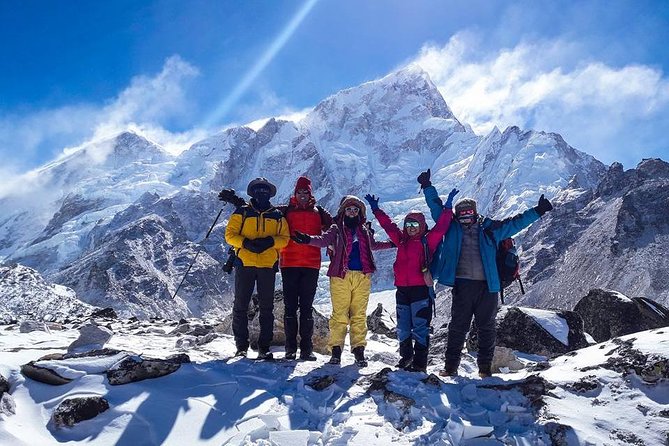
- Everest Base Camp and Kalapathar deliver the classic payoff views
- Full-board meals on trek days simplify daily planning and budgeting
Kathmandu base camp: why Thamel and pickup matter
Starting in Thamel (in Kathmandu) is a practical choice. Thamel is set up for travelers, with easy access to the meeting point and lots of small services you might need before you go. Your day starts early too—your start time is 7:15am—so plan for a quick, efficient morning.
You’ll also be picked up and dropped for the local airport timing tied to the Lukla flights. That matters because the trek is short and the days are tight. If you’re trying to keep your energy for altitude, you don’t want to spend the morning hunting down transport.
And since this is a private tour for just your group, you’re not squeezed into a rushed schedule with strangers. It’s still a shared trail with other trekkers, but your logistics and pace can be managed for your group.
You can also read our reviews of more hiking tours in Kathmandu
Price and logistics: what $1,699 buys on this EBC trek
At $1,699 per person, this trek isn’t trying to be the cheapest way to reach Everest Base Camp. It’s priced more like a “real service” package—meaning a lot of the costly, time-consuming pieces are included.
Here’s what’s built in:
- Kathmandu–Lukla–Kathmandu flights (air fare)
- Full-board meals (breakfast, lunch, dinner) during the trekking period
- Best available accommodations during the trek
- A government-licensed guide
- Porter support for your baggage (normally 1 porter for 2 clients)
- TIMS card plus trek permits
- First aid kit
- Farewell dinner prior to departure
- Transportation back to Kathmandu after the trekking segment
What’s not included (so you can budget without surprises):
- Lunch and dinner in Kathmandu
- Kathmandu hotel
- Travel insurance
- Nepal entry visa fee
- International airfare and airport departure tax
- Tips for trekking staff
- Drinks and liquors
- Personal shopping, laundry, and personal trekking equipment
So the value question is simple: do you want someone to handle the altitude-day planning, guide coverage, permits/TIMS, and the core transport, while you focus on acclimatization and the views? If yes, this price structure makes more sense. If you’re the type who enjoys DIY logistics and already has trekking infrastructure solved, you might shop around. But for many people, removing the uncertainty is exactly what they’re paying for.
Day by day: walking from Phadking to Namche to Tengboche
Day 1: Kathmandu to Lukla, then Phadking
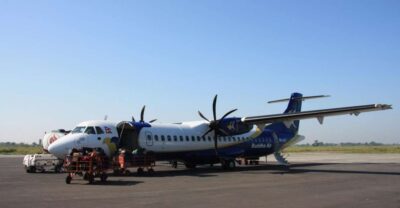
The trek starts with the flight to Lukla (2,850m), then hiking to Phadking (2,660m). Even if you feel jet-lagged or slightly stunned by the mountains, this day is designed as a transition. You don’t go straight into the highest altitudes; you start moving while your body gets used to Nepal’s thinner air.
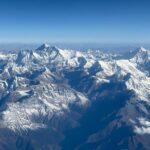
A big moment here is the view from the air—sunrise over snowcapped peaks—followed by the first ground-level sense of place in the Khumbu region. By the time you’re in Phadking, you’re ready to sleep and reset for the climb.
Day 2: Phakding to Namche Bazaar
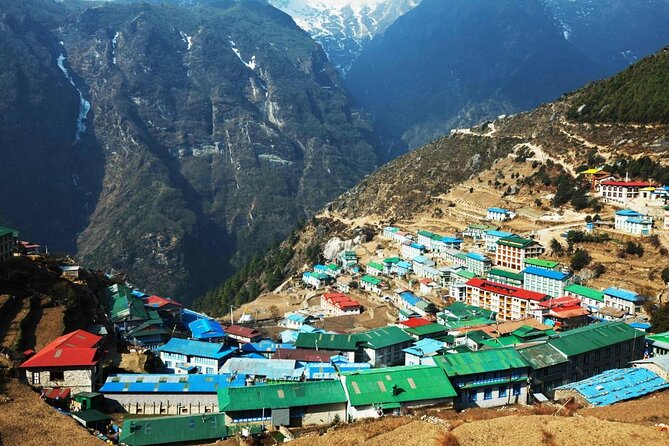
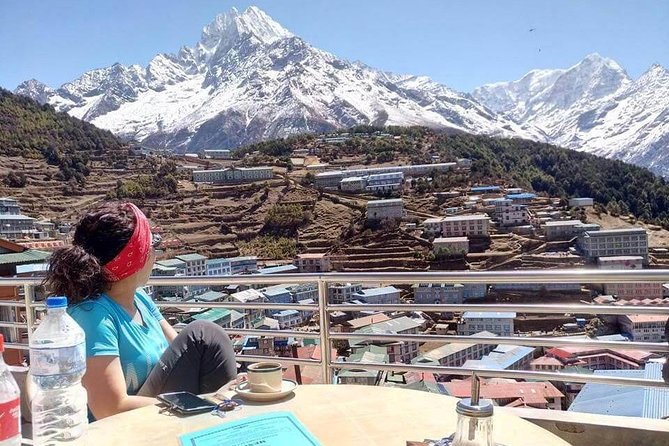
Next is Phakding to Namche Bazaar (3,435m). Namche is the gateway town people talk about for a reason: you feel the “Everest economy” here, and it’s also where the culture becomes more visible in daily life—shops, tea rooms, lodges, and lots of local motion.
For your body, the value of this day is the gradual build. You gain altitude, but you’re not jumping straight from near-flat to high camps.
Day 3: Acclimatization in Namche Bazaar
Day 3 stays at Namche Bazaar (3,435m). This is not a free day for sightseeing only. It’s a key safety piece: your body needs time to adapt before you climb further.
It also helps you enjoy the area without rushing. You’re surrounded by mountain views, and the region’s Sherpa influence is clear. If you want to maximize what you see while still keeping your pace realistic, don’t treat acclimatization as optional.
Day 4: Namche Bazaar to Tengboche
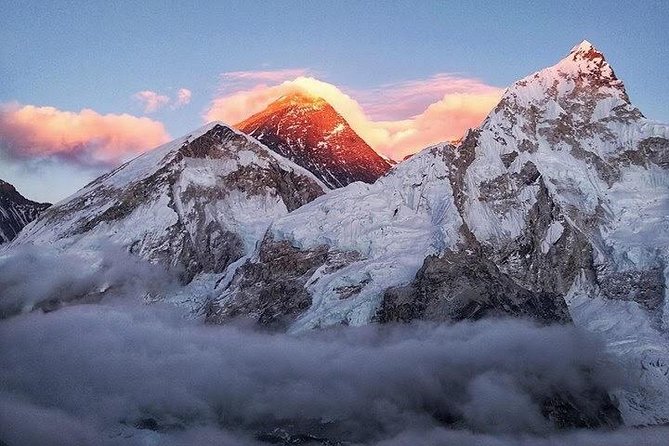
Now you head to Tengboche (3,890m). This is where the trek starts to feel more spiritual and scenic at the same time—monasteries, village life, and some of the most famous Everest-area vistas (including the wider panorama of peaks like Everest, Lhotse, Nuptse, and Ama Dablam that show up as the air gets clearer).
Tengboche is also a place where you might slow down without being told. Even the walking feels like it has room for breath.
Day 5: Tengboche to Dingboche
You continue upward to Dingboche (4,400m). With each day, the thin air makes itself known. This stage is where having a guide who manages pacing matters. If you go too hard too fast, you pay for it later. The better strategy is controlled effort—enough to keep moving, not enough to fry your lungs.
Dingboche is also a staging area for the deeper altitude days ahead, and it sets you up for the next major climb.
Higher camps and Everest moments: Dingboche to Lobuche to EBC
Day 6: Dingboche to Lobuche (4,910m)
Day 6 takes you to Lobuche (4,910m). This is a noticeable jump and it tends to be where trekkers start paying closer attention to how they’re feeling.
You’re also moving toward more dramatic glacier-and-ice scenery. The Khumbu Icefall shows up as a highlight of this region, and as you climb, the sense of scale increases. Even if you’ve seen photos, the real thing tends to land differently.
Day 7: Lobuche to Gorakshep, then Everest Base Camp
This is one of the big days:
- Lobuche to Gorakshep
- and then on to Everest Base Camp (with Gorakshep around 5,180m)
Gorakshep is the kind of place where you feel the air and the altitude immediately. You’ll likely approach the final stretch with a mix of focus and emotion, because Base Camp is the headline. This is where you get that classic sense of being right at the foot of the world’s highest peak.
The trail here is also a wildlife corridor in the natural park area, so keep an eye out if conditions allow. Your guide’s timing and pacing will help you reach Base Camp without racing yourself into trouble.
Practical note: you’ll be tired here. That’s normal. Take the views in, but don’t ignore your body’s signals.
Kalapathar: the last big viewpoint before you turn back
Day 8: Gorakshep to Kalapathar (5,545m) and Pheriche
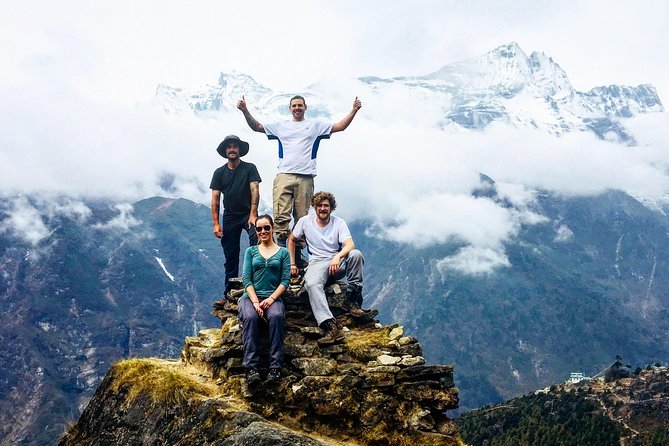
Day 8 adds the Kalapathar viewpoint (5,545m) and then brings you down to Pheriche (4,320m). Kalapathar is the final “big look” point people chase because you get a commanding angle on the highest peak.
You’re going up, then coming down the same day—so it’s physically demanding, but also smart. You get your iconic payoff and then you regain altitude margin by reaching Pheriche.
Day 9: Pheriche to Namche
Then it’s Pheriche to Namche (3,435m). This is the payoff phase for your body. Descents can still be tough on knees, but you’re moving into thicker air again, which often helps you feel more human.
This is also where the cultural side of the trek becomes easier to enjoy again. Once you’ve crossed the hardest altitude pieces, you can appreciate the Sherpa towns with less “survival” energy.
The way home: Namche to Phadking to Lukla to Kathmandu
Day 10: Namche to Phadking and Lukla (2,835m)
Day 10 moves you from Namche back to Phadking, then to Lukla. This is a long day on paper, but it often feels different than the earlier uphill days. You’re retracing steps, which can be comforting. You also get to see familiar terrain with fresh eyes—like you’re noticing the trail map you used to only survive.
Day 11: Lukla to Kathmandu
Finally, you fly from Lukla to Kathmandu. It’s a clean ending: you swap altitude walking for city air and a proper reset.
You’ll also have had that sense of being supported along the way, from airport pickup/drop to guide-led trek structure. If you’re the kind of person who hates sorting out logistics mid-adventure, that part matters more than you might think.
Accommodations and meals: full-board on the trail
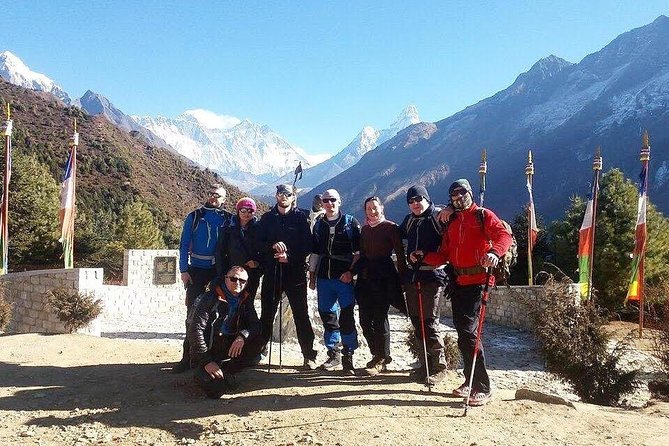
This package includes full-board meals during trekking—breakfast, lunch, and dinner. That’s a big deal on a trek where your appetite can fluctuate and you’re burning energy at altitude. When meals are handled, you spend less time hunting for food and more time keeping your energy steady.
You’ll also have accommodations during the trek described as “best available.” In practice, this type of trek usually means simple, warm places to rest, often lodges. One of the praised details from past participants is that lodges were taken care of, and the flights were booked ahead—both help reduce stress when you’re already focused on acclimatization.
What to remember: drinks (hot/soft/cold) and liquors are not included. So if you like your tea with extras, bring a budget mindset.
Your guide and porter setup: how it affects your comfort
This trek is led by a government license holder guide, and you’ll have a porter to carry your baggage. The general rhythm is simple: you focus on hiking; your porter handles the heavy stuff.
The porter ratio is normally 1 porter for 2 clients. That’s a practical balance. It usually means you don’t go full “pack mule,” but you also need to pack smart enough that the trek stays comfortable.
In the reviews provided, Dipu shows up as a standout support figure—especially for staying in touch and helping with the hike. That matters because Everest Base Camp isn’t only about legs. It’s also about decisions: when to push, when to slow, and how to handle the mental fatigue that builds when the air thins.
Altitude reality check: what moderate fitness means here
The trek is suitable for people with moderate physical fitness level, but “moderate” doesn’t mean “easy.” You’ll be gaining altitude daily, with high points like:
- Tengboche at 3,890m
- Dingboche at 4,400m
- Lobuche at 4,910m
- Kalapathar at 5,545m
- Everest Base Camp around 5,380m (with Gorakshep nearby)
And remember: your biggest risk is not falling off a mountain. It’s going too fast for your body. That’s why acclimatization is built into Namche, and why the days higher up are spaced out with rest and descent.
If you’re the kind of person who tries to power-walk through discomfort, you may struggle. If you prefer steady effort and listening to your breath, you’ll likely do well.
Should you book Everest Base Camp with Mount Face Nepal?
I think this is a strong pick if you want Everest Base Camp to feel like a real guided trek, not a logistics project. The combination that sells me is practical: Lukla flights handled, permits and TIMS included, a licensed guide, and a porter system that reduces load. Add full-board meals during the trekking days, and you’ve removed a lot of daily decision fatigue.
Book it if:
- you want to focus on walking and views, not paperwork and transport
- you value a paced climb with acclimatization built in
- you like cultural stops like Namche Bazaar and Tengboche monasteries, not only altitude milestones
You might skip it if:
- you want total DIY freedom
- you’re trying to keep costs ultra-low, since drinks, Kathmandu hotel, and travel insurance are not included
- you’re not comfortable with altitude challenges and slower days
If you want the classic Everest experience with fewer headaches, this setup makes sense.
FAQ
Where does the trek start?
The trek starts in Thamel, Kathmandu 44600, Nepal, with a start time of 7:15am.
How long is the Everest Base Camp trek?
The duration is 11 days (approx.).
Is pickup and drop-off included?
Yes. Pickup and drop are included for the local airport for your Lukla flights, plus ground transportation while returning back to Kathmandu.
Are flights included in the price?
Yes. Air fare for Kathmandu–Lukla–Kathmandu is included.
What meals are included during the trek?
Full board meals are included during the trekking period: breakfast, lunch, and dinner.
What is not included in the cost?
Lunch and dinner in Kathmandu, a hotel in Kathmandu, travel insurance, the Nepal entry visa fee, international airfare and airport departure tax, tips for trekking staff, drinks, and personal shopping/laundry/equipment are not included.
Do I need a guide and porter?
Yes. A government license holder guide is included, and you also get a porter to carry your baggage.
What permits and cards are included?
You’ll receive TIMS card (Trekker’s information Management System) and trekking permits needed for restricted area trekking, along with all government taxes and service charges.
Is travel insurance included?
No. Travel insurance is not included.
Can I cancel for free?
Yes, you can cancel up to 24 hours in advance for a full refund.
What fitness level do I need?
You should have a moderate physical fitness level.