REVIEW · KATHMANDU
From Kathmandu: 12-Day Everest Base Camp Guided Trekking
Book on GetYourGuide →Operated by Welcome Nepal Treks P.Ltd · Bookable on GetYourGuide
That altitude starts early in Nepal. I love how this trek balances classic Everest icons with real acclimatization, and I love that you’re led by an experienced English guide in a small group. The Everest Base Camp day is the big payoff. One consideration: the cold can be real—especially if you’re trekking in December—so you’ll want to prep for tough nights.
From Kathmandu, you fly to Lukla and begin hiking right away, staying in simple tea house lodges each night. You also get the paperwork and permits handled, plus the guide is supported (salary, food, insurance, and transport), so you’re not stuck trying to figure out the human side of the trip mid-trek.
For me, the value here comes from the structure: clear pacing, guided navigation, and support where it counts (safety, routes, and timing). If you have serious heart issues or you’re pregnant, this is not the right fit. And since you can’t bring big luggage, you’ll need to travel light.
In This Review
- Key reasons this Everest Base Camp trek works for most people
- How the guided setup changes your trek (and your stress level)
- Kathmandu to Lukla: the fast start you feel in your legs
- Namche acclimatization: why this stop is more important than it looks
- From rhododendron forests to Dingboche: the day-by-day rhythm of the Khumbu
- Lobuche to Gorakshep: the lead-in to Everest Base Camp
- Kala Patthar day: the viewpoint that forces you to earn it
- The descent back: Tyangboche to Namche to Lukla
- Price and value: what you’re really paying for
- What your days will feel like: pacing, comfort, and the reality of tea houses
- Who should book this trek, and who should think twice
- Should you book this guided Everest Base Camp trek?
- FAQ
- How long is the Everest Base Camp guided trekking?
- Where does the trek start from?
- What kind of lodging is included during the trek?
- Are meals included in the price?
- Is there a porter option to help carry bags?
- Does the tour include the domestic flights?
- Do I need a passport for this trek?
Key reasons this Everest Base Camp trek works for most people
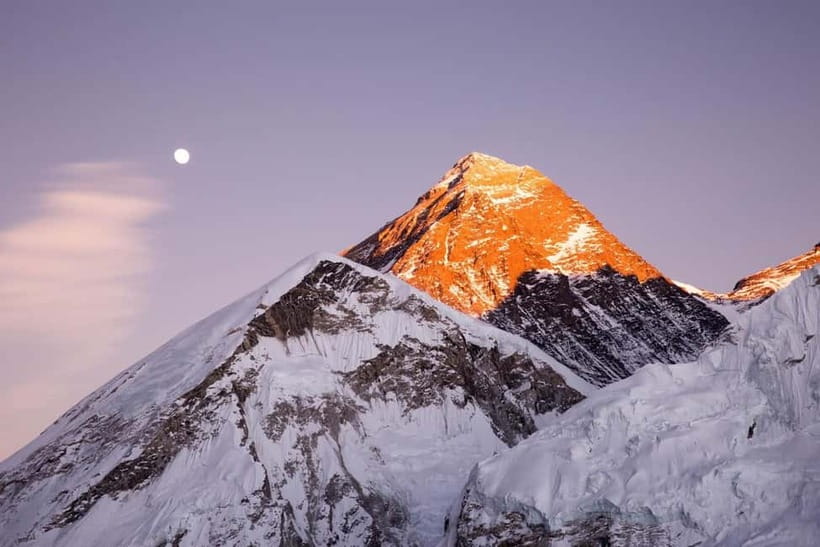
- Small group limit (up to 15) helps the pace feel human instead of rushed
- Experienced English guide plus strong local know-how, with guides such as Padam, Nishan, Rohan, and Adhish named in past trips
- Acclimatization stops in Namche Bazar and Dingboche to help your body adjust
- Everest Base Camp via Gorakshep plus the classic viewpoint push to Kala Patthar
- Tea house lodging every night keeps the trek practical without tent logistics
How the guided setup changes your trek (and your stress level)
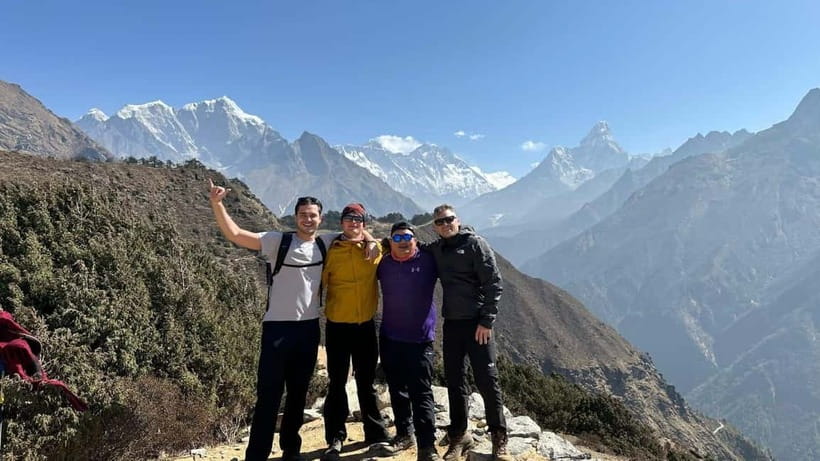
This is a guided Everest Base Camp itinerary, capped at 15 participants, which matters more than people think. On popular routes, crowding can turn a “once-in-a-lifetime” day into a stop-and-go mess. A smaller group also means it’s easier for the guide to read you—breathing, energy, and how you’re handling altitude.
You’ll also go with an English live guide, which is a big deal on the Khumbu route. Even when signs exist, the real value is in route choices and timing. The experience is more than “walk and hope”—it’s walk with someone who knows where the day’s energy goes, when to pause, and how to keep the trek moving steadily.
Practical bonus: airport pickup/drop-off in Kathmandu, domestic airport transfers, and the paperwork/permits are included. That cuts down on the pre-trek chaos, which is half the battle when your trip’s only a couple of weeks long.
You can also read our reviews of more guided tours in Kathmandu
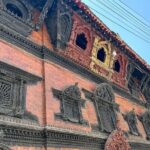
Kathmandu to Lukla: the fast start you feel in your legs
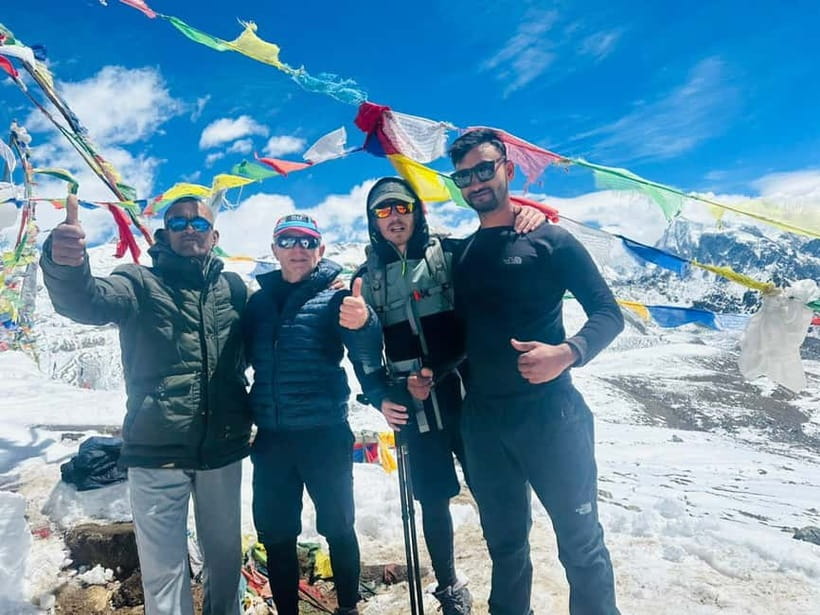
Day 1 kicks off with pickup from your Kathmandu-area hotel and an early flight to Lukla. From there, you transfer to the trek start and hike to Phakding, then sleep in a tea house lodge.
Why that matters: Lukla is where the Khumbu adventure becomes real. You go from city schedules to mountain rhythm in one transition—flight, then trails. The first day is also about settling your pack and getting a feel for walking on uneven ground without the altitude pressure yet.
Phakding to Namche (Day 2) is when your body starts paying attention. You hike up to Namche Bazar at 3,440 meters and spend the night there. This is a common “wow” stretch for people—steep enough to remind you that you’re in the mountains, but not so extreme that Day 2 feels impossible.
If you want an easy win: keep your pace slow on the climb. The trek’s success is built on consistency, not sprinting to the next tea house.
Namche acclimatization: why this stop is more important than it looks
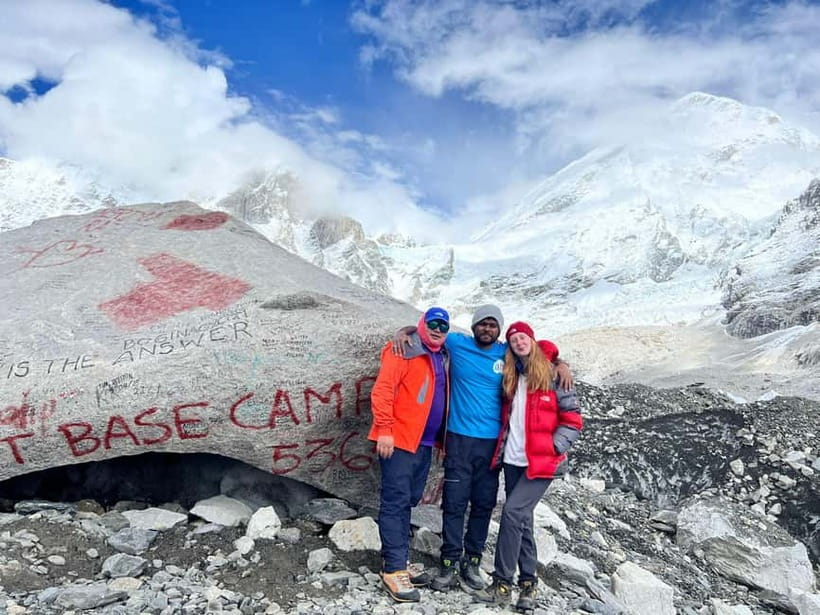
Days 3 includes a rest day in Namche Bazar (another overnight). Even if you’re eager to move, this is the smart play. Altitude doesn’t care about motivation, and Namche is positioned to help your body adapt before higher sections.
Then Day 4 hikes to Tyangboche at 3,867 meters, still in tea house territory. Tyangboche is the kind of place where you’ll likely feel the mountain scale more clearly. You’re gaining altitude, yes, but you’re also moving into a part of the route where the scenery becomes a constant background to your breathing.
What I like about this setup: you don’t just “climb until you’re tired.” You gain height in steps, with built-in time for your body to adjust. That makes the later days less scary.
From rhododendron forests to Dingboche: the day-by-day rhythm of the Khumbu
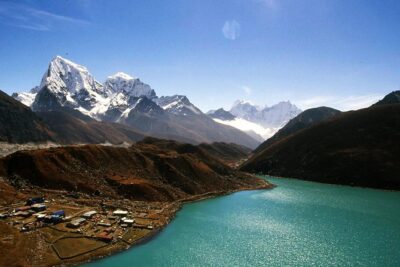
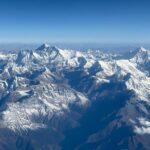
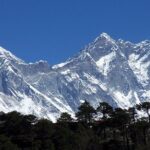
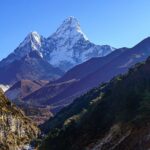
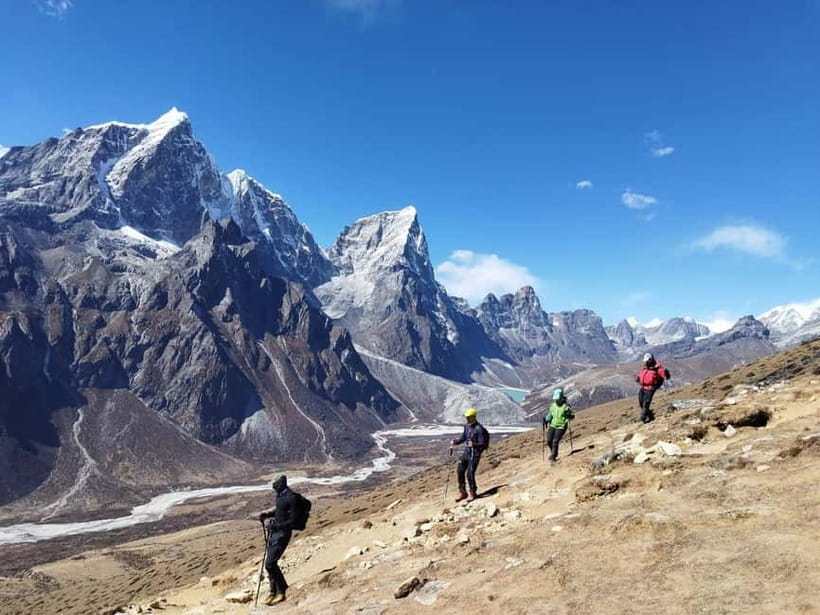
Day 5 is a beautiful transition day. You’ll leave Tyangboche and trek through a rhododendron forest, then cross a suspension bridge and move into the Imjatse Valley beneath big peaks like Ama Dablam, Nuptse, and Lhotse. You end in Dingboche (4,260 meters) for the night.
This is one of the reasons Everest Base Camp is so memorable. The route doesn’t just show you mountains—it layers them: forest trail, river crossing, then sudden big-wall views when you’re walking above the valley.
On Day 6, you get another acclimatization day in Dingboche (with an overnight tea house lodge). This matters again because it’s the bridge between “getting there” and “going higher for the payoff.”
If you’re thinking about gear: this is also where your sleeping setup becomes important. Warm layers aren’t optional. If your guide has provided you with a jacket, sleeping bag, and duffle bag (if requested/needed), make sure you’re actually using them correctly—not just carrying them.
Lobuche to Gorakshep: the lead-in to Everest Base Camp
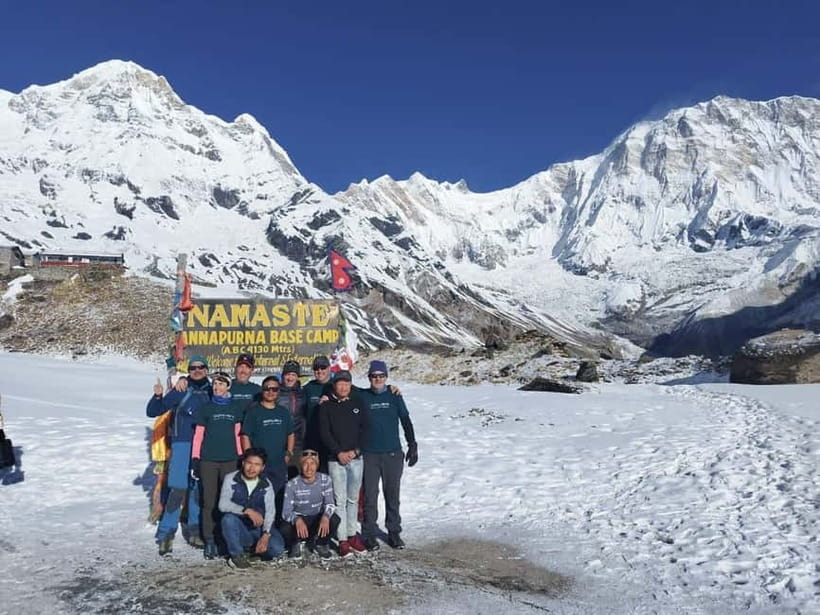
Day 7 hikes from Dingboche to Lobuche (around 5.5 hours), with lunch in Dugla, and you arrive at 4,930 meters. Tea house lodging continues.
Lobuche is one of those places that feels more exposed. The air is thinner, and the terrain starts to look more like a pre-glacier world—less lush valley trekking, more rock and wind.
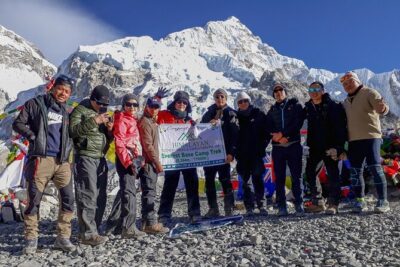
Day 8 is the big one: you trek from Lobuche to Everest Base Camp via Gorakshep. This section is often the most satisfying stretch because the effort feels concentrated: rocky trail, changing views, and the sense that you’re walking toward something real.
You’ll reach Everest Base Camp (5,364 meters) and then head back to Gorakshep for the night. Nights at high altitude can be rough in cold months. One past trek highlight was simply that the daytime sights make the tough evenings worth it—so don’t plan on comfort after dark; plan on views while the sky is still working.
You can also read our reviews of more hiking tours in Kathmandu
Kala Patthar day: the viewpoint that forces you to earn it
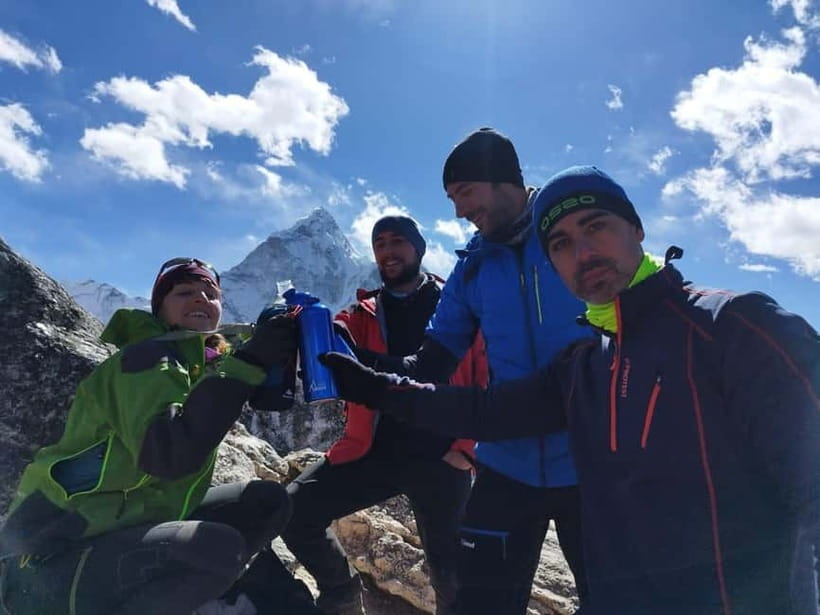
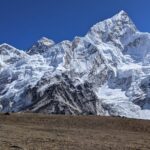
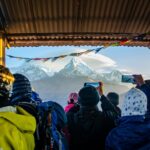
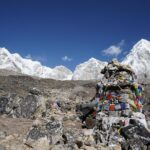
Day 9 hikes from Gorakshep up to Kala Patthar (5,545 meters), then continues down to Pheriche (4,243 meters) for an overnight tea house stay.
Kala Patthar is famous for a reason, but the practical reason to care is this: it gives you the “I can see forever” feeling without needing technical climbing. You earn it with a hard push, then you get rewarded with a mountain-scale panorama.
From Pheriche, the trek shifts into recovery mode. You’ve done the hardest altitude moments, and now the route lets your body start dropping height without losing the sense of accomplishment.
The descent back: Tyangboche to Namche to Lukla
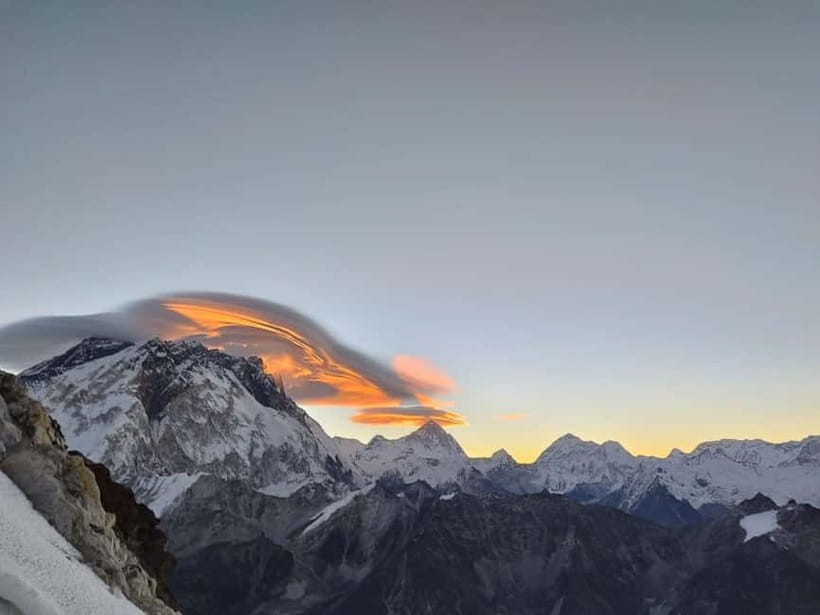
Day 10 is your descent day back toward Tyangboche (3,867 meters), then continuing toward Namche Bazaar (Altitude 3,440m) for the night. Tea house lodging continues.
Day 11 takes you from Namche Bazar back to Lukla, where you sleep for the last night. This is when the trek starts feeling like a memory, but your legs still need respect. Going downhill isn’t “easy” on knees. It’s just different work: slow, careful steps and good pacing.
Day 12 brings the payoff from the logistics side: an early flight from Lukla back to Kathmandu, plus a hotel transfer by the tour representative and an overnight stay in Kathmandu.
One extra note from real-world operations: weather can disrupt flights in the region, and there’s at least one example of fast switching to helicopter transport handled professionally. That kind of contingency mindset matters when your schedule is tight.
Price and value: what you’re really paying for
At $1,002 per person for 12 days, you’re not just paying for “hiking in Nepal.” You’re paying for a setup that removes the most stressful unknowns:
- Domestic flights between Kathmandu and Lukla
- Guided trekking with an English-speaking leader
- Tea house lodging each night during the trek
- Park permits and the TIMS card fees
- Paperwork help and airport transfers
- Guide support costs (food, insurance, transport, and accommodation)
What’s not included is equally important to understand. Meals (breakfast, lunch, and dinner) during the trek are not part of the price, and hot showers and internet aren’t included. You’ll also cover optional choices like a porter (for an extra cost) if you want help carrying bags.
My practical take: this price makes sense if you value organization and safety over DIY planning. If you’re already comfortable planning permits, route timing, and daily logistics, you could find cheaper independent options elsewhere. But if you want a smoother process and a guide reading the mountain’s needs, this kind of package often ends up feeling like good value.
What your days will feel like: pacing, comfort, and the reality of tea houses
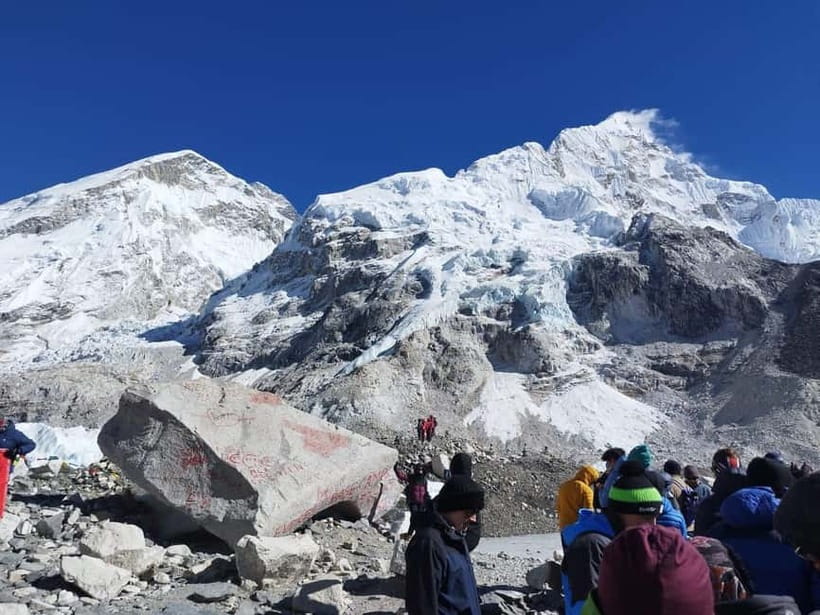
Tea house trekking is simple, not luxury. Expect basic rooms, shared realities of cold nights, and the rhythm of eating and sleeping on a schedule that matches your hike.
Included gear can help a lot. Some groups are offered a jacket, sleeping bag, and duffle bag if required/requested. If you’re renting or bringing your own, aim for warmth you can actually sleep in.
Also, keep in mind the trek’s practical limits:
- No luggage or large bags allowed
- Not suitable for pregnant women, people with heart problems, or wheelchair users
If you’re traveling with a friend and splitting costs, you still need to plan gear carefully. The route works best when your pack weight is reasonable and your layers are accessible.
Who should book this trek, and who should think twice
This trek is a strong match if you want:
- A classic Everest Base Camp experience with structured acclimatization
- An English-speaking guide leading the way
- Tea house convenience instead of camping logistics
- A small-group vibe (up to 15)
It’s not a good match if:
- You have heart conditions (altitude risk is a dealbreaker here)
- You’re pregnant
- You need wheelchair accessibility
And one more note that’s easy to ignore: you’ll be dealing with long days and cold nights. If your ideal vacation is smooth and cozy, this will feel more like earned endurance than comfortable sightseeing.
Should you book this guided Everest Base Camp trek?
I’d book it if you want the Everest Base Camp route handled in a straightforward, organized way—especially if you like the idea of a small group with an experienced guide and built-in acclimatization days. The included flights, permits, and guided support remove a lot of the uncertainty that can drain energy before the mountains even start.
I’d think twice if cold nights, altitude strain, or carrying your own gear doesn’t fit your comfort level. In that case, consider adding a porter if offered/needed, and be serious about winter layering.
If you want Everest without turning your trip into a logistics project, this one is a solid, practical choice.
FAQ
How long is the Everest Base Camp guided trekking?
It’s a 12-day trek.
Where does the trek start from?
You start in Kathmandu, then fly to Lukla and begin the trek from there.
What kind of lodging is included during the trek?
All accommodations during the trek are included in lodges/tea houses.
Are meals included in the price?
No. Standard meals (breakfast, lunch, and dinner) during the trek are not included.
Is there a porter option to help carry bags?
Porter carrying is not included, but a porter is available at an additional cost. One porter can assist up to 25 kg for 2 guests.
Does the tour include the domestic flights?
Yes. Return domestic flight between Kathmandu and Lukla is included, along with airport pickup and drop-off.
Do I need a passport for this trek?
Yes. A passport is required.