REVIEW · KATHMANDU
Everest Base Camp Trek 15 days | Local Guide | Flexible Itinerary
Book on Viator →Operated by Life Himalaya Trekking · Bookable on Viator
A 5,545-meter sunrise is the whole point here. This Everest Base Camp trek is interesting because it follows the classic Sherpa trail, hits the big altitude moments (base camp and Kala Patthar), and builds in acclimatization stops so you’re not just hoping for the best. I like the way the trip’s built around safety, comfort, and a natural rhythm with a local guide.
I also like the practical value: you get the core trekking setup (including flights to and from Lukla plus trekking gear), so you’re not scrambling last minute. One consideration: it’s still a cold, basic tea-house style trek, and hot showers and battery charging aren’t included, so plan around that.
In This Review
- Key Highlights I’d Prioritize
- Everest Base Camp, With Real Altitude Planning (Not Just Hope)
- Price and Logistics: What $1,890 Really Buys You
- Day-by-Day: Kathmandu to Lukla to Namche to Base Camp
- Day 1: Arrive in Kathmandu, then settle in
- Day 2: Kathmandu to Lukla (flight day at 2,810 m)
- Day 3: Lukla to Namche Bazaar via Hillary Bridge
- Day 4: Acclimatize at about 3,440 m (Hotel Everest View)
- Day 5: Namche to Tengboche and the monastery stop
- Day 6: Toward Dingboche via Orsho/Pheriche area
- Day 7: Dingboche acclimatization day
- Day 8: Gentle walk toward Thugla
- Day 9: The long-awaited Everest Base Camp day (5,364 m)
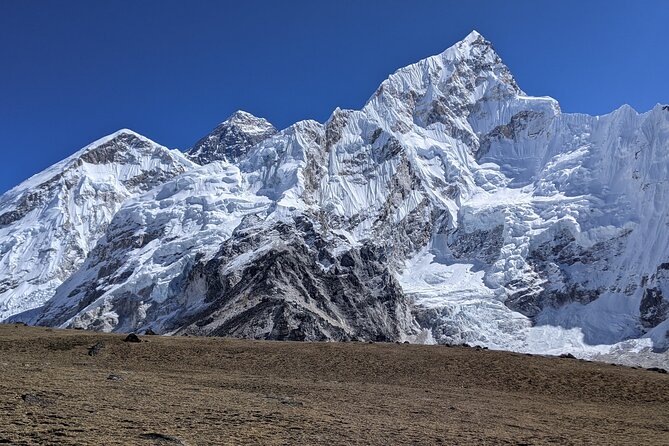
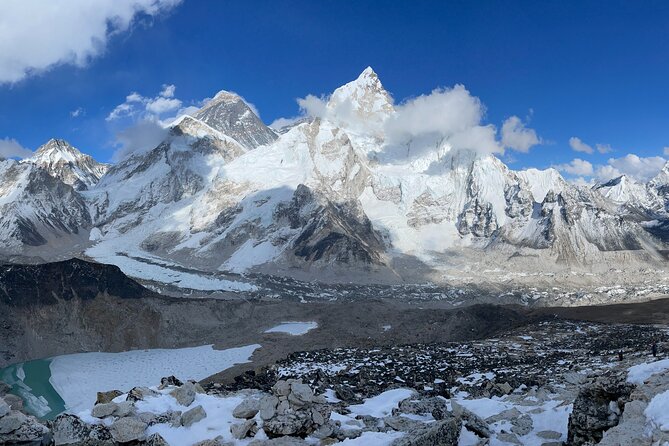
- Day 10: Kala Patthar at 5,545 m for the view
- Day 11: Down to Pangboche and a less crowded route to Phorste
- Day 12: Connecting toward the Gokyo trail area (Phorste Thanga 3,680 m, Mong Danda)
- Day 13: Backtrack to Lukla via Toktok/Phakding
- Day 14: Fly back to Kathmandu, then rest
- Day 15: Transfer to the airport
- Tea Houses, Lodges, and Food Choices That Keep You Trekking
- The Guide and Porter Team: Why People Keep Highlighting Them
- Altitude Sickness Prevention: How the Itinerary Helps
- Who This Trek Fits Best (And Who Might Want Another Option)
- Practical Tips Before You Go (Using What’s Included)
- Should You Book This Everest Base Camp Trek?
- FAQ
- What is the highest point on this Everest Base Camp trek?
- Are domestic flights to Lukla included?
- What trekking gear is included?
- Is the trek guided?
- What permits are included?
- Is travel insurance included?
Key Highlights I’d Prioritize
- Flights included to Lukla and back (Kathmandu/Ramechap to Lukla, and Lukla to Kathmandu/Ramechap)
- Gear kit included: hiking poles, sleeping bag, and a down jacket (returned after the trek)
- Kala Patthar at 5,545 m for the early-morning Everest view
- Built-in acclimatization days at higher villages like Namche and Dingboche
- Licensed English-speaking guide + assistant for larger groups with porter support (1 porter per 2 people)
- Lodge trekking with hygienic food chosen from lodge menus
Everest Base Camp, With Real Altitude Planning (Not Just Hope)
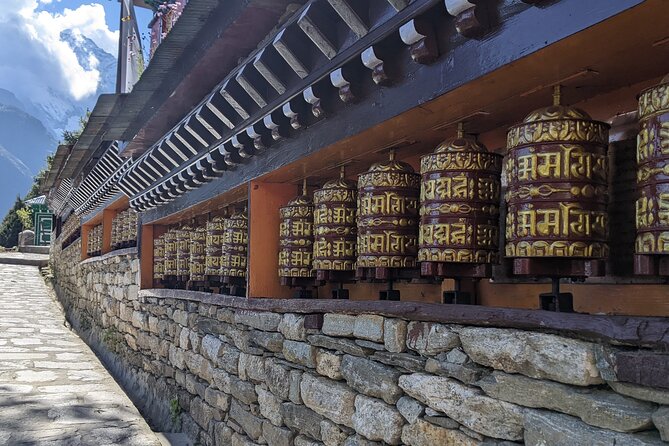
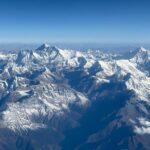
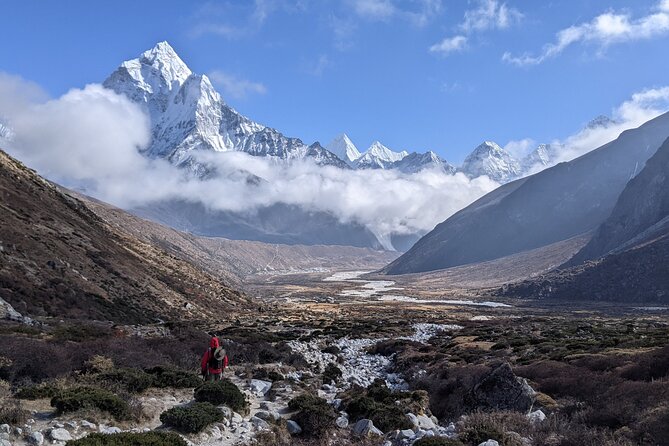
This is the kind of Everest trek that makes sense if you care about finishing. You’re going high—Everest Base Camp sits at 5,364 m, and Kala Patthar reaches 5,545 m—but the itinerary is set up to help your body adjust along the way. That matters because altitude doesn’t care how excited you are.
The routing also keeps you on the classic path: Sherpa culture villages, monastery stops (Tengboche), and tea-house trekking where you eat, sleep, and recharge at altitude the way most people actually do it. You’ll feel the change in the air, the rhythms of high villages, and the steady shift from “holiday mode” to “you and the mountains” mode.
You can also read our reviews of more guided tours in Kathmandu
Price and Logistics: What $1,890 Really Buys You
At $1,890 per person, this trek isn’t trying to be the cheapest Everest option on earth. The value is in what’s included and what that prevents you from having to arrange yourself.
Here’s the stuff that reduces stress and costs you later:
- Domestic flights included between Kathmandu/Ramechap and Lukla (for all members and staff).
- Permits included: Sagarmatha National Park permit, TIMS permit, and a local rural area permit.
- Trekking essentials included: hiking poles, sleeping bags, and a down jacket (returned after the trek).
- Porters included: one porter per two people, carrying 20 kg total (10 kg per guest).
- An experienced licensed guide (and an assistant guide if your group is 5+).
And you’ll still want to bring your own personal items, obviously. But the big-ticket logistics—Lukla flights, permits, guide/porter structure—are handled. That’s what keeps Everest from turning into a coordination headache.
What’s not included is also clear, which I appreciate:
- International airfare and visa fees
- Travel insurance covering up to 6,000 m (not included; the listing mentions $200 per person)
- Tips
- Kathmandu meals
- Hot showers and battery charging during the trek
Day-by-Day: Kathmandu to Lukla to Namche to Base Camp
This trek has a clean storyline: fly into the Everest region, build altitude slowly, then spend your hardest energy on the two big view days—Everest Base Camp and Kala Patthar.
Day 1: Arrive in Kathmandu, then settle in
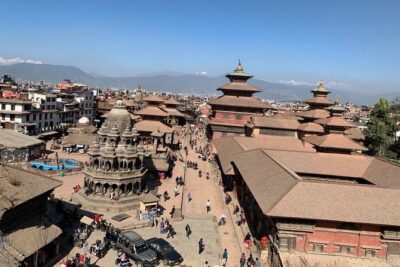
You land at Tribhuvan International Airport, meet a Life Himalaya representative, and transfer to your hotel. This day is about getting oriented. After a long travel day, that airport pickup and transfer saves you from figuring out transport on day one.
Day 2: Kathmandu to Lukla (flight day at 2,810 m)
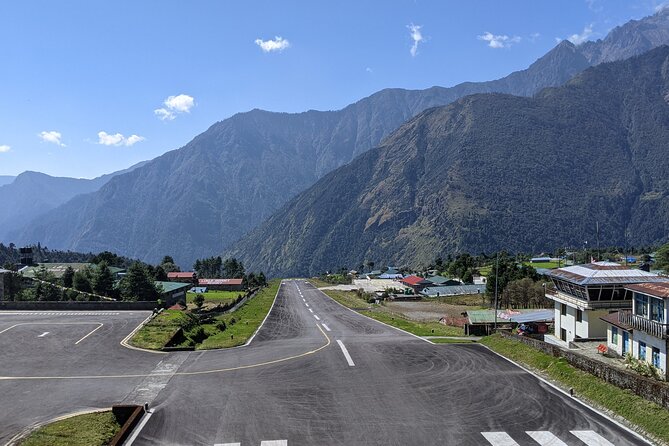
You take an early flight to the Tenzing-Hillary airstrip at Lukla (2,810 m). Lukla is the gateway village for Everest trekking, and it’s also where nerves usually spike—partly because flights can be weather-sensitive, and partly because you suddenly feel how high everything already is.
You can also read our reviews of more hiking tours in Kathmandu
Day 3: Lukla to Namche Bazaar via Hillary Bridge
After breakfast at a tea house, you walk roughly five hours to Namche Bazaar, the Sherpa hub. The Hillary Bridge is part of the route, and Namche is where the trek starts to feel like a real community experience rather than just “walking to a point on a map.” You’ll find plenty of lodges, views, and that classic Everest-region energy.
Day 4: Acclimatize at about 3,440 m (Hotel Everest View)
This day is key because it’s intentionally not a grind. You’re at 3,440 m and can do side excursions to help your body adjust. That approach—rest day plus light movement—is the difference between trekking that feels steady and trekking that turns into a battle with your own breathing.
Day 5: Namche to Tengboche and the monastery stop
Today you walk up toward Tengboche, around five hours from Namche. The highlight here is reaching Tengboche Gompa (the monastery). It’s one of those stops where you get a break from trekking intensity, but still feel immersed in the Sherpa religious life that shaped this region’s culture for generations.
Day 6: Toward Dingboche via Orsho/Pheriche area
You continue toward Dingboche, walking about 4–5 hours, with crossing bridges and moving along the Imja Khola route. This is a transition day: your elevation keeps climbing, but you’re still building towards the higher acclimatization village rhythm.
Day 7: Dingboche acclimatization day
Another built-in adjustment day. You stop in Dingboche and stay active with side excursions. Dingboche is one of the most important parts of the whole plan because it gives your body time to respond before the big push to base camp.
Day 8: Gentle walk toward Thugla
You take a “gentle walk-in” toward Thugla, which is described as a good spot for sunrise views. This day sounds calmer on paper, but it’s still at altitude—so “gentle” just means fewer ups and downs, not easy breathing.
Day 9: The long-awaited Everest Base Camp day (5,364 m)
This is the one most people plan for: trekking toward Everest Base Camp (5,364 m) after days of steadily climbing. It’s described as the most fascinating and adventurous day, and it’s also where your mindset matters. The walking is just one part; the moment you arrive, you’ll understand why this trek has a loyal following.
Day 10: Kala Patthar at 5,545 m for the view
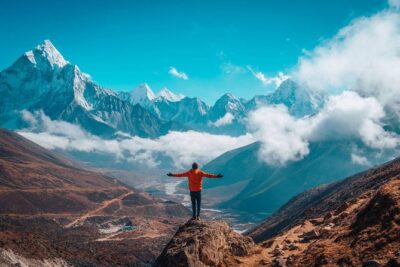
You start very early and hike up to Kala Patthar (5,545 m) for the best views of Everest and surrounding peaks. Expect cold. Expect a lot of stops for breath and pacing. But if you time it well, this is the day that makes the effort feel worth it.
Day 11: Down to Pangboche and a less crowded route to Phorste
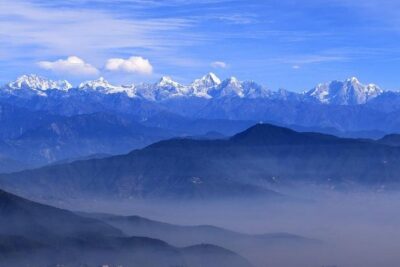
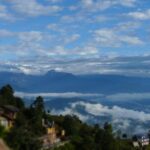
You trek down toward Pangboche and then take a different, less crowded route toward Phorste village. Along the way, you pass sights like Ama Dablam, Thamserku, and views tied to the monastery area around Tengboche. This is also where your legs realize you’re no longer just “going up.”
Day 12: Connecting toward the Gokyo trail area (Phorste Thanga 3,680 m, Mong Danda)
Today you trek down to a river coming from Gokyo lake and connect the trail to Gokyo at Phorste Thanga (3,680 m), after going up to Mong Danda. If you’re the kind of person who likes seeing more than one iconic Everest-region viewpoint, this routing may feel like a bonus.
Day 13: Backtrack to Lukla via Toktok/Phakding
You take the same route up before, passing Toktok, Phakding, ghat, and Cheeplung (2,650 m), then the last stretch to Lukla. This is a finishing-day walk—still at altitude, still not casual, but no longer the long buildup toward base camp.
Day 14: Fly back to Kathmandu, then rest
You take an early flight back to Kathmandu. Once you check in, the rest of the day is at leisure. This is your decompress day: shower if you can, eat something normal, and let your body catch up.
Day 15: Transfer to the airport
A final transfer back to Tribhuvan International Airport based on your departure schedule.
Tea Houses, Lodges, and Food Choices That Keep You Trekking
This trek runs on lodge accommodation and tea-house style meals. You’ll be choosing from lodge menus, and the listing stresses hygienic food selected from those options. That’s not a minor detail. At high altitude, you want food that’s available, filling, and not risky for your stomach.
Also note what’s not provided:
- Hot showers aren’t included
- Battery charging isn’t included
So you’ll want to treat power like it’s precious. A power-saving approach (and keeping essential devices charged earlier in the trip) can make your life easier.
The Guide and Porter Team: Why People Keep Highlighting Them
The most common praise in the feedback is about the team dynamic: safety focus, responsiveness, and making the trek feel supported from start to finish.
Names that come up in the provided reviews include:
- Raj as a guide, with porters Suren and Sonam
- Shiba as the planning point of contact who felt efficient and helpful
- Ram as a guide, and Phurpa as a porter (praised together)
- Rabin as a guide with Prakash as a porter
- Sagar and Jal highlighted for going above and beyond
One thing I like about this model is the structure: you’re not just handed a route and wished luck. You get an English-speaking, experienced licensed guide, and if your group is bigger, an assistant guide joins. Add porter support (1 per 2 people), and the trek becomes more about walking and recovery than carrying heavy weight.
Altitude Sickness Prevention: How the Itinerary Helps
Even with careful planning, altitude can still hit you. But this trek is designed to reduce the most common problems by building in rest and acclimatization time.
You get explicit acclimatization stops at:
- Namche Bazaar area (with time to adjust)
- Hotel Everest View at 3,440 m
- Dingboche (another acclimatization day)
That’s the approach that usually matters most: you go up, you stabilize, and you keep moving with your body instead of against it. The trek also emphasizes safety and comfort with a local guide focused on guest security and a plan to avoid altitude sickness.
Still, be honest with yourself. The trek notes that you should have a strong physical fitness level. If you’re starting from low fitness, do not assume you can “tough it out.” Everest punishes guesswork.
Who This Trek Fits Best (And Who Might Want Another Option)
This fits best if:
- you want the classic Everest Base Camp + Kala Patthar experience
- you prefer a private group setup rather than crowd chaos
- you value a guided plan with porters and predictable logistics (flights, permits, meals structure)
It might be less ideal if:
- you hate cold mornings and basic lodging realities at altitude
- you want hot showers and easy power access every day
- you’re not comfortable with the altitude challenge and need a more medical-style itinerary (this one includes safety focus and acclimatization, but it’s still a real high-altitude trek)
Practical Tips Before You Go (Using What’s Included)
Because the trek includes key gear—hiking poles, a sleeping bag, and a down jacket—you can pack lighter than many Everest options. You’ll still want your own personal items and sensible layering for cold nights and early starts, especially the Kala Patthar morning.
Also pay attention to flight weight rules: the listing allows 10 kg big bag + 5 kg handcarry (15 kg total) for domestic flights. Your porter system covers a lot, but your airline bag limits still matter.
Finally, think about insurance. The listing notes insurance covering up to 6,000 m is not included, and it gives a reference figure. Don’t treat this as optional thinking—high-altitude trekking needs real coverage.
Should You Book This Everest Base Camp Trek?
If you want a structured Everest Base Camp trek that reduces logistics friction and emphasizes safety, acclimatization, and supported trekking, I’d say it’s a strong choice. The included Lukla flights, permits, and porter system are exactly what makes this easier to manage than DIY planning.
I’d only hesitate if you’re strongly dependent on hot showers and constant phone charging, or if you’re not ready for the cold and the altitude. Everest isn’t a soft vacation. It’s a real mountain outing, and this itinerary is honest about that.
If you like classic tea-house trekking, Sherpa villages, and the big view moments at 5,364 m and 5,545 m, this is the kind of plan that helps you focus on the right thing: the mountains.
FAQ
What is the highest point on this Everest Base Camp trek?
The itinerary includes a hike to Kala Patthar (5,545 m), and Everest Base Camp is listed at 5,364 m.
Are domestic flights to Lukla included?
Yes. The trek includes flights between Kathmandu/Ramechap and Lukla, and Lukla back to Kathmandu/Ramechap for all members and staff.
What trekking gear is included?
You’re provided hiking poles, a sleeping bag, and a down jacket, and the down jacket/sleeping bag are returned after the trek.
Is the trek guided?
Yes. The trip includes an English-speaking, experienced and license-holder guide, and if there are 5 or more guests, there is an assistant guide.
What permits are included?
You get the Sagarmatha National Park Permit, plus TIMS and a local rural area permit.
Is travel insurance included?
No. The listing states travel insurance covering up to 6,000 m is not included, and it gives an indicated amount for it.