REVIEW · KATHMANDU
Kathmandu: Pashupatinath Evening Aarati Tour Private/Group
Book on GetYourGuide →Operated by Himalayan 360 · Bookable on GetYourGuide
Evening prayers change the air fast. This Kathmandu experience centers on the Pashupatinath evening aarati on the Bagmati River, where chanting, bells, incense, and oil lamps create a moving ritual you can watch up close. I also like how the tour pairs that moment with a guided walkthrough of the temple complex, so you’re not just looking at lights—you understand what you’re seeing.
If your home base is Thamel, the hotel pickup and drop-off makes this simple. One practical plus: you’re spared the hassle of figuring out timing and transport when the ceremony is due to start around 6 pm.
One thing to plan for: your view spot on the riverbank matters. If you’re hoping to focus purely on the ceremony, you may want to ask the guide where you’ll stand, since some areas can bring other activities into the frame.
In This Review
- Key highlights you’ll remember
- Why the Pashupatinath evening aarati is worth your time
- Getting there from Thamel: pickup, drive, and view planning
- Temple walk with a licensed guide: history you can actually connect to
- How to use your free time after the guided portion
- The 6 pm Bagmati River ritual: what it looks and sounds like
- Photography, cameras, and where to stand for the ceremony
- Price and value: what $22 gets you (and what it doesn’t)
- Who should book this, and who should skip it
- Practical tips before you go
- Should you book this Kathmandu Pashupatinath evening aarati tour?
- FAQ
- FAQ
- Where do they pick you up in Kathmandu?
- What time is the evening aarati?
- How long does the tour take?
- What’s included in the price?
- Are entry fees included?
- What should I bring?
Key highlights you’ll remember
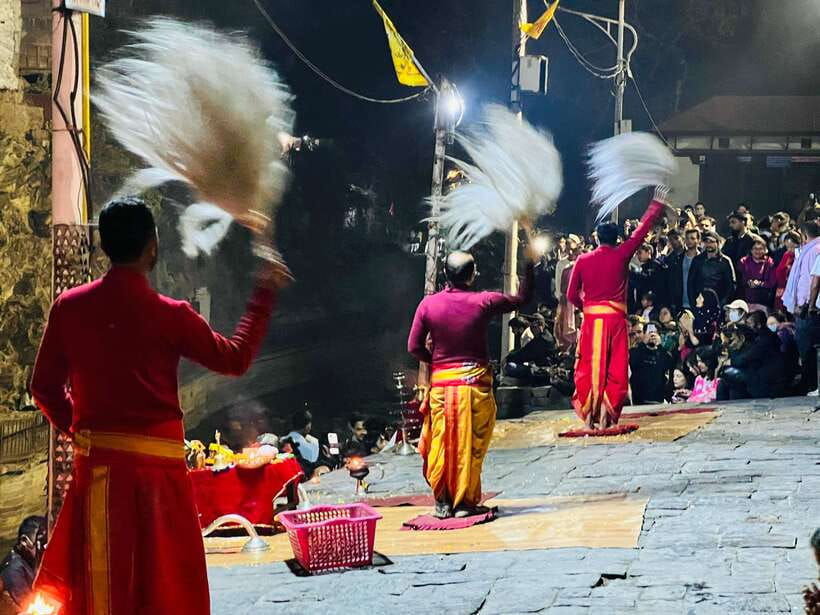
- Bagmati River evening aarati at Pashupatinath with oil lamps, incense, chanting, bells, and live music
- Guide-led temple orientation with history, religious significance, and architectural points you’ll actually use
- Late-afternoon drive from Thamel timed to arrive before the ceremony begins
- Temple time on your own after the guided portion, so you can linger without feeling rushed
- Flexible group options including private group availability and English, Hindi, or Chinese-speaking guides
Why the Pashupatinath evening aarati is worth your time
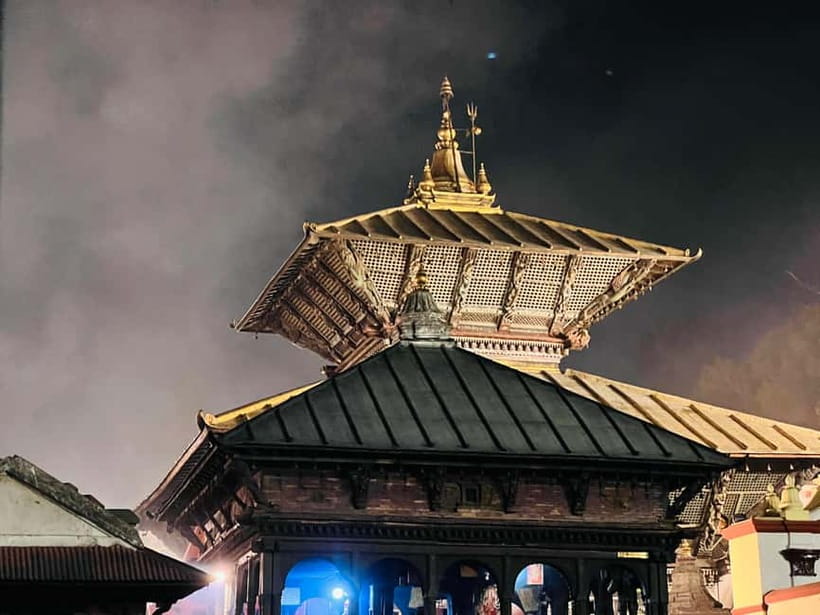
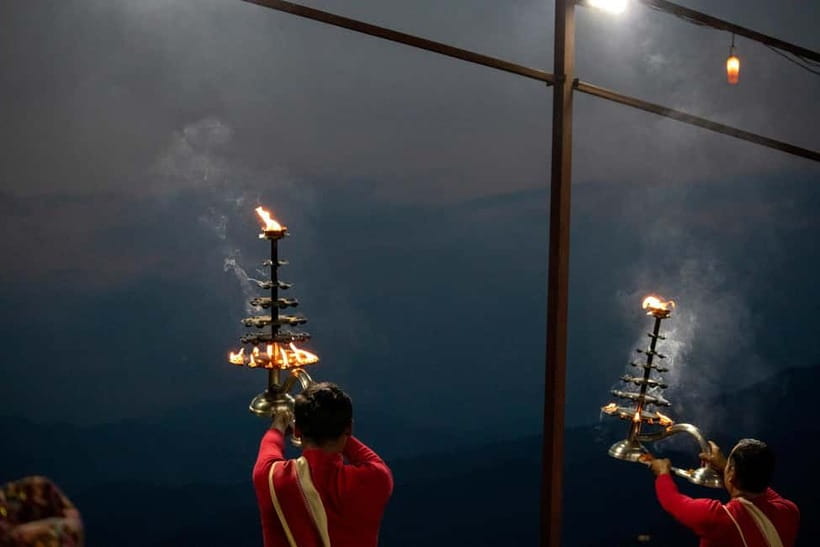
Pashupatinath isn’t just a famous name on a map. The draw here is the way the evening ritual turns the whole setting into a sensory event. Expect Vedic mantras, rhythmic ringing of bells, incense, and priests waving oil lamps in structured patterns while live music rolls in with classical instruments and devotional hymns.
What I like about this format is that it’s not only about witnessing. The tour helps you slow down and connect details to the bigger meaning. A good portion of the experience happens before the ceremony begins, when your guide gives you context about the temple complex. That makes the aarati feel less like a show and more like a living tradition.
And because this is timed for evening, you also get the visual side: the lights on the riverbank and the flicker of oil lamps create a mood that’s hard to replicate earlier in the day.
You can also read our reviews of more private tours in Kathmandu


Getting there from Thamel: pickup, drive, and view planning
You start late afternoon with pickup from Thamel or nearby—specifically two common pickup areas are Thamel and Thamel Marg. From there, you’re driven to the temple. The drive is part of the day’s pacing; you’re moving toward the ceremony at the right hour instead of stressing over traffic and arrival time.
Timing is the real value here. The aarati ceremony starts at about 6 pm, so the tour sets you up to arrive, get oriented, and still have time to find your bearings before the ritual begins. If you arrive too late on your own, you can lose the calm moment of understanding the site and end up pushed into wherever you can squeeze in.
Now, the view issue. One review experience highlighted a key point: if the guide chooses your riverbank spot without checking what you want to focus on, you can end up with less control over what you see. My advice is simple: when you’re on the riverbank, tell your guide what matters most—ceremony views versus minimizing other visual distractions—then ask whether you can adjust your position.
It doesn’t need to be dramatic. Just make it clear early so you’re not trying to negotiate mid-ritual.
Temple walk with a licensed guide: history you can actually connect to
Before the aarati, you get a temple visit with an English-speaking licensed guide. This portion is where the tour earns its keep. You’re not left alone with a guidebook trying to decode what’s happening.
The guide’s brief covers:
- History and religious significance
- Architectural features you can notice while you walk
- What to expect as the evening ritual approaches
You also get a guided walk and then free time to explore yourself. The guided time helps you avoid the common mistake of treating a religious site like a sightseeing backdrop. Instead, you have a framework—what parts matter, why the space is arranged the way it is, and what you’ll see later when the priests begin the ritual.
If you’re the type who asks questions (or you just want to feel confident), this is one of the stronger parts of the experience. In one account, a guide named Amrit was praised for being very informative and for answering lots of questions, which is exactly what you want in a setting like this.
How to use your free time after the guided portion
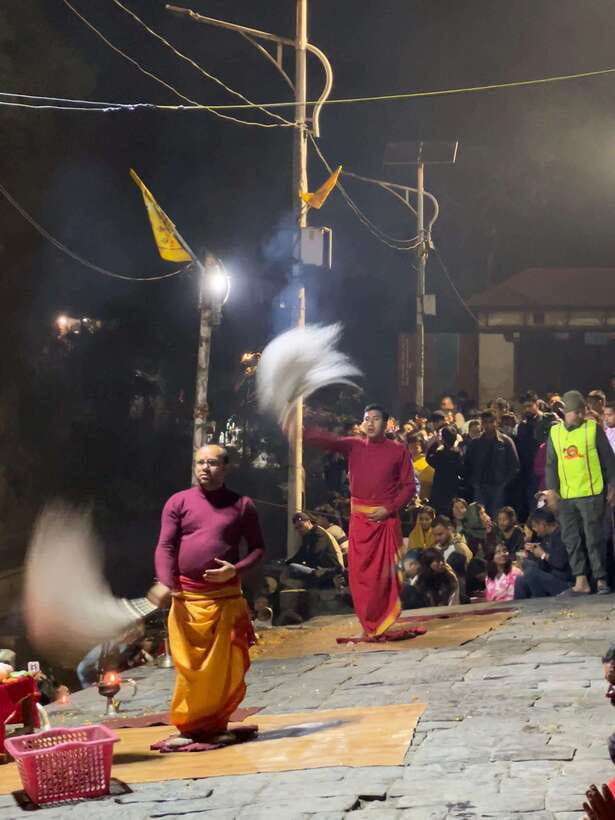
You’ll get a stretch of free time after the guided walk. This is your chance to move slowly, take photos, and settle into the site without feeling you must constantly follow the guide’s pace.
Here’s how I’d use it:
- Re-check where the riverbank viewing area is and how the crowd tends to flow.
- Scan for a spot that lets you see the ceremony clearly once it begins.
- Take a breath. You’re heading into a ritual that mixes music, chanting, and incense; being slightly calm helps you absorb it.
Also, remember that the tour includes a walk portion of about 1.5 hours under guidance. That means your free time is not meant to replace the ceremony window—it’s meant to help you arrive ready, not overwhelmed.
If you’re a photographer, use the free time to test your camera settings and decide whether you’ll shoot handheld or use a steady grip. Evening light can be tricky, and you don’t want to burn your best minutes fiddling with settings.
The 6 pm Bagmati River ritual: what it looks and sounds like
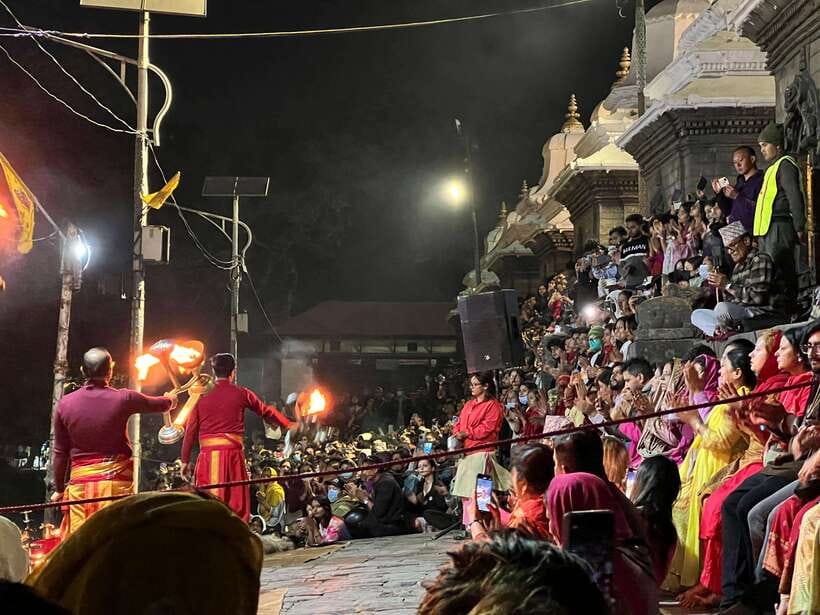
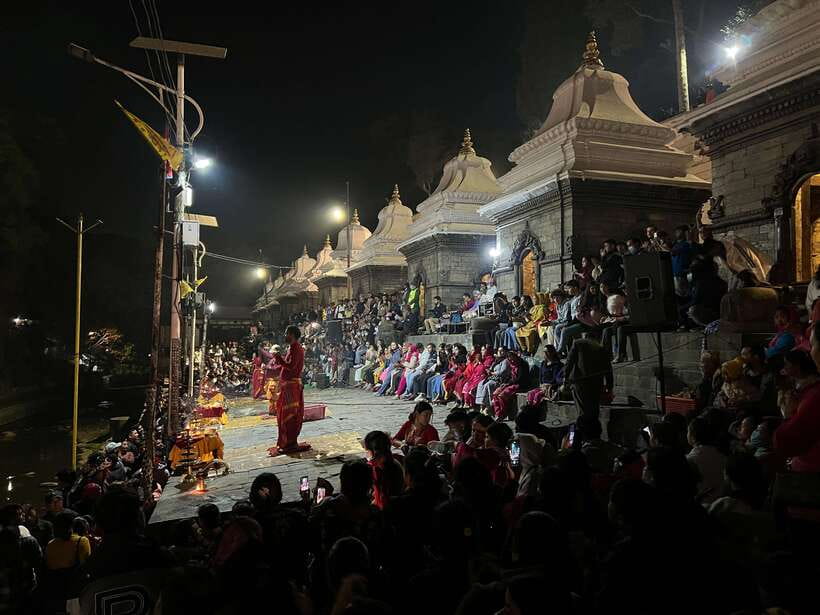
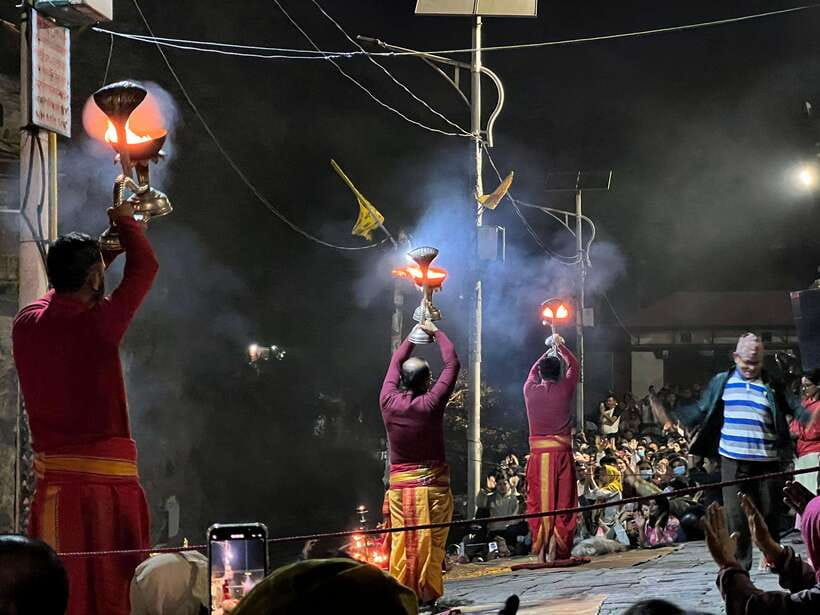
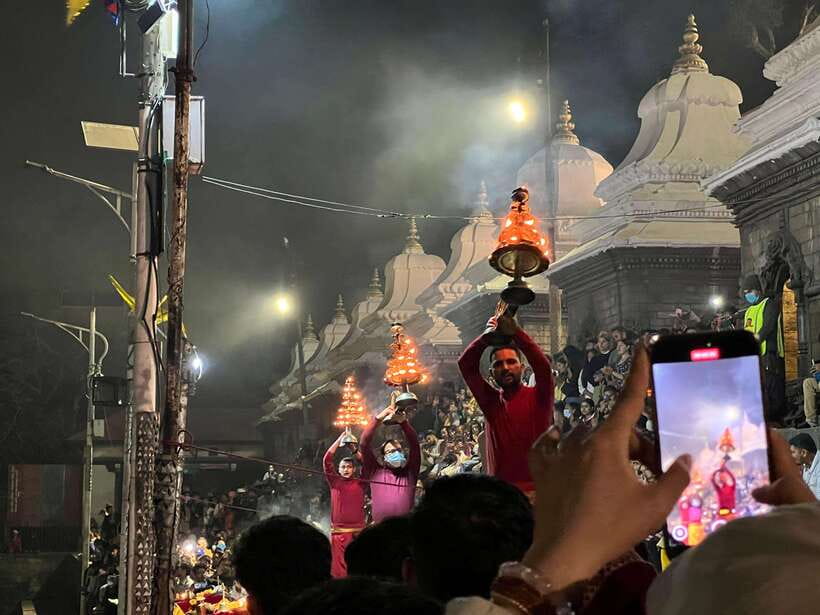
Around 6 pm, the evening aarati begins on the eastern bank of the Bagmati River. This is where everything clicks: chanting, bells, incense, and live music come together while priests perform the oil-lamp ritual.
What you should expect in practical terms:
- Sound first: the chanting and bell rhythms build a steady pattern
- Light everywhere: flickering oil lamps create shifting highlights, especially against the river
- Live devotional music: classical instruments and hymns are part of the atmosphere, not background noise
- A guided framework: because you’re not going in blind, you can follow what’s happening rather than just watching lights
This is also the moment when the ritual becomes emotional for many people. The crowd’s attention tightens, and the space feels less like a tourist site and more like a community practice.
If you’re sensitive to religious intensity or crowd energy, plan for it. The experience can feel powerful because it’s meant to be powerful. Give yourself permission to step back a bit if you need a breather, then rejoin when you’re ready.
You can also read our reviews of more evening experiences in Kathmandu




Photography, cameras, and where to stand for the ceremony
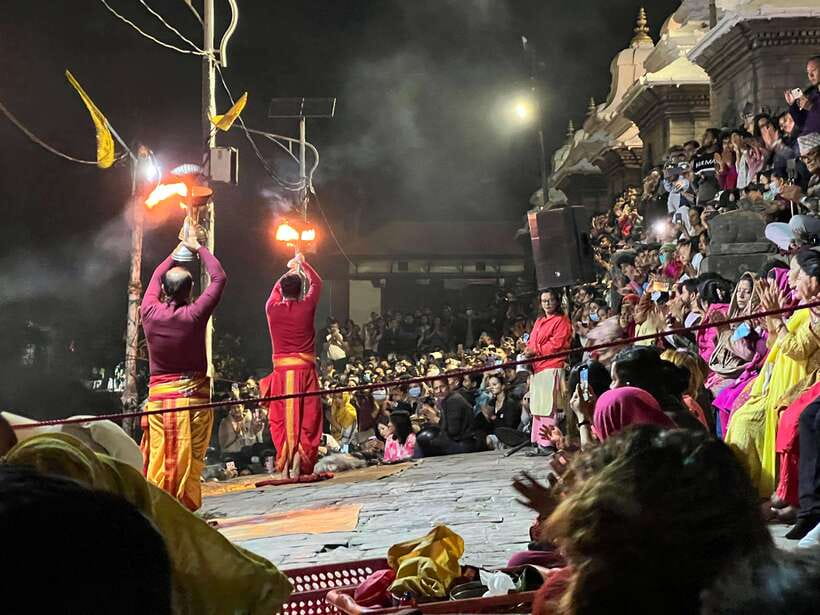
You’ll want your camera, and you should bring it because the ritual lighting is the star. But don’t treat photography like a mission. You’re at a working religious ceremony, so be thoughtful about where you place your lens and how much you block other people.
From a viewing standpoint, this is also where the earlier caution matters. One experience called out that a poor spot reduced the feeling of seeing the ceremony, and the person had trouble getting comfortable enough to refocus. That suggests a simple strategy:
- Ask the guide where you’ll stand before the ritual is fully underway.
- If you’re aiming for ceremony-focused views, explain that.
- If you can adjust, do it early enough that you’re not constantly interrupting the flow.
Also, keep an eye on the guide’s attention during the ceremony window. Another account noted an awkward distraction when conversation pulled attention away from the ritual moment. You can’t control what others ask, but you can help by being clear with your own needs: request where you want to stand, then let the guide do their job of guiding, not socializing, during the key moments.
Price and value: what $22 gets you (and what it doesn’t)
This tour costs $22 per person and runs 2–3 hours. The value comes from the bundle, not from any single piece.
Included:
- Hotel pickup and drop-off (from Thamel or nearby)
- Transport to and from Pashupatinath Temple
- A licensed English-speaking guide
- All taxes and service charges
Not included:
- Entry fees
- Food and drinks
So the real question isn’t whether it’s cheap or expensive. It’s whether you want to pay for peace of mind. If you’d otherwise pay for your own ride, deal with timing, and hire a guide for context, then $22 looks reasonable for a short, targeted evening outing.
And because it’s scheduled specifically around the aarati timing, you’re not gambling with sunset and ceremony arrival windows on your own.
Who should book this, and who should skip it
This tour is best for people who want:
- A clear evening plan in Kathmandu
- A guided explanation of a major Hindu shrine
- A chance to witness the oil-lamp aarati on the Bagmati River without figuring everything out solo
It’s also a good fit if you like asking questions. Guides can vary, but strong communication is one of the key differentiators here, and at least one guide (Amrit) was highlighted for being helpful and responsive.
Who should consider skipping:
- Families with very young children: it’s not suitable for children under 2, and also not suitable for children under 5 (and babies under 1).
- Anyone who needs wheelchair access, since it’s not listed as suitable for wheelchair users.
If you fall into any of those categories, don’t assume you can adapt. Choose a different format that matches your needs better.
Practical tips before you go
These are small choices that make the experience smoother:
- Wear comfortable shoes. You’ll be walking in a temple setting.
- Bring your camera if you want to capture the oil lamps and evening mood.
- Carry cash, since it’s recommended, and you may run into costs that aren’t included.
- Dress for a religious site setting—comfortable and respectful matters here.
- If you’re picky about views, speak up early about where you want to stand along the riverbank.
One more tip: keep your afternoon energy steady. Because this is a late-afternoon pickup into an evening ceremony, being tired or rushing can reduce your ability to enjoy the ritual fully.
Should you book this Kathmandu Pashupatinath evening aarati tour?
Book it if you want an evening plan that’s tightly timed, guided, and logistically easy—especially if you’re staying in Thamel and you’d rather not negotiate transport and timing on your own.
I’d also book it if you care about context. The temple orientation before the ceremony is what turns the aarati from just a visual spectacle into something you can understand while you watch.
Maybe pass or choose another option if view comfort is a top priority for you. The riverbank spot can influence what you see, and a guided group might not always pick your perfect angle without input. If that’s your worry, ask questions early and be direct about what you want to focus on.
FAQ
FAQ
Where do they pick you up in Kathmandu?
Pickup is available from Thamel or nearby areas, with two listed pickup options: Thamel and Thamel Marg.
What time is the evening aarati?
The evening aarati ceremony starts at about 6 pm.
How long does the tour take?
The tour typically lasts 2 to 3 hours.
What’s included in the price?
Hotel pickup and drop-off (from Thamel or nearby), transportation to and from Pashupatinath Temple, a licensed English-speaking guide, and all taxes and service charges are included.
Are entry fees included?
No. Entry fees are not included.
What should I bring?
Bring comfortable shoes, a camera, and cash.