REVIEW · KATHMANDU
Makalu Base Camp Trek
Book on Viator →Operated by Bodhi Tree Tours Travel and Treks · Bookable on Viator
Silence in the Himalayas is rare. This Makalu Base Camp trek trades the usual Everest crowds for a quieter route through Makalu-Barun National Park, with your guide and team keeping things steady.
I love how the trek’s remote feel shows up in the day-to-day walking, from forest paths to high passes. I also love the payoff of real mountain drama: views of Mt. Makalu plus famous neighbors seen from less-frequent angles.
One thing to consider is effort level. You’ll cross very high passes, including Shipton La (4,170m) and Keke La (4,150m), and that hard day comes with real weather uncertainty.
In This Review
- Quick hits
- Makalu Base Camp: a quieter Himalaya than the big-name treks
- Price and Logistics: what your $1,750 really buys
- Day 1–3: flights, off-road driving, and dropping into forest life
- Day 4–5: uphill rhythm and acclimatization ridges
- Day 6–8: Shipton La, Keke La, and the rhododendron valleys
- Day 9–10: climbing to Makalu Base Camp and optional Barun Glacier steps
- Day 11–15: retracing steps, long descents, and getting back to Kathmandu
- Teahouses, meals, and water reality on the trail
- Wildlife, plants, and real community contact
- Guides, gear, and pacing: why the trip feels organized in the middle of nowhere
- Weather and altitude: what you can control
- Should you book Makalu Base Camp with Bodhi Tree Tours?
- FAQ
- What’s the duration of the Makalu Base Camp trek?
- Where does the trek start and how do you get there?
- Are meals included, or do I pay for food each day?
- Do I need to bring my own trekking gear?
- Is bottled water included?
- What’s not included in the trek price?
Quick hits
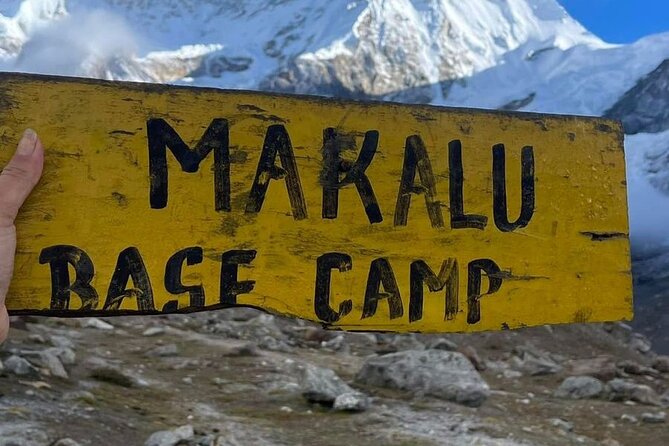
- Makalu-Barun National Park access for a more off-the-radar trek than the Everest/Annapurna corridors
- Shipton La + Keke La crossing for the classic high-pass moment (and crampons may matter)
- All meals handled on most trek days with one menu item per meal—simple, workable, and included
- English-speaking support plus porters and first-aid kits for peace of mind in remote areas
- Guide-led organization noted by your team, including Pujan and David, who helped keep the trip smooth
- Gear available on request (sleeping bag, trekking poles, and crampons), so you don’t have to overpack
Makalu Base Camp: a quieter Himalaya than the big-name treks
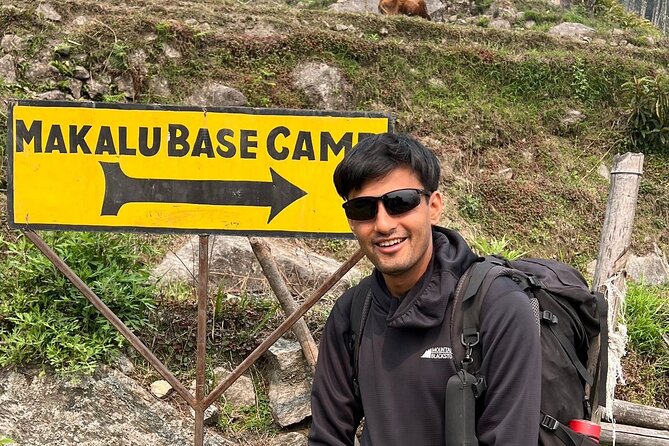
Makalu Base Camp is for people who want Nepal’s mountains without the constant buzz. Instead of bouncing through the loud, busy trail system, you move deeper into the Makalu-Barun area where the air feels cleaner and the pace feels more human.
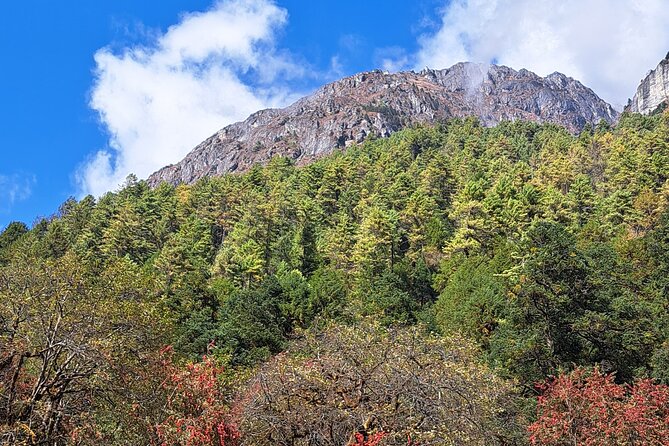
You’ll likely notice this right away in how the route changes. Lower sections weave through farms, forests, and rhododendron country; higher sections thin out into sharper, colder terrain with glacier country and big views. And because it’s a remote national-park trek, you’re also in the right place for wildlife and botany: red pandas, Himalayan thars, colorful birds, rhododendrons, and medicinal plants are part of the story of this region.
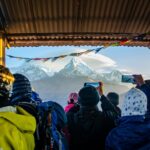
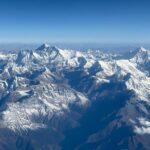
If you care about seeing Mt. Makalu (the world’s fifth highest), this route matters. You don’t just get one “big mountain view.” You get multiple chances to look at Makalu alongside Everest, Lhotse, and Baruntse from angles that many trekkers never see on the standard circuits.
You can also read our reviews of more hiking tours in Kathmandu
Price and Logistics: what your $1,750 really buys
At $1,750 per person, this trek doesn’t feel cheap, but it also isn’t priced like a “bare minimum” experience. What you’re paying for is the full support package around a remote itinerary: flights to and from Tumlingtar, guiding, porter coverage, and core trekking logistics.
Here’s what stands out as real value:
- Two-way flights Kathmandu ↔ Tumlingtar are included (public transportation).
- Meals are included on trek days (breakfast 14 times, lunch 14 times, dinner 15 times), each as one item from the menu. This reduces day-to-day decision fatigue.
- Guide and porter insurance, daily allowances, and first-aid kits are included.
- Maps are included, so you’re not trying to piece together the route yourself.
- You can request sleeping bags, trekking poles, and crampons (handy for pass conditions).
- It’s a private tour, so you’re not stuck with random pacing from strangers.
What’s not included is also important for budgeting. Bottled water is not included, and coffee/tea/alcohol aren’t included. You can refill water at teahouses, and you’ll want a refillable bottle so you’re not constantly buying small plastics. Visa fees and personal travel insurance are also your responsibility.
Also, note the start: meeting is Tribhuvan Airport with a 12:15 am start time. That early start affects your sleep planning the night before, and it’s one reason I recommend treating this trek like a whole trip, not just “a few days of hiking.”
Day 1–3: flights, off-road driving, and dropping into forest life
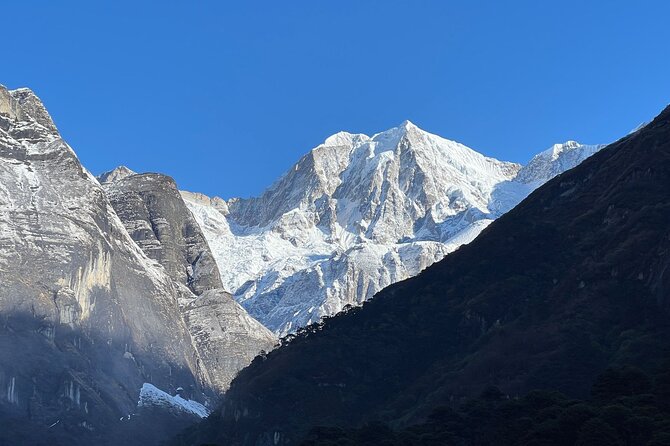
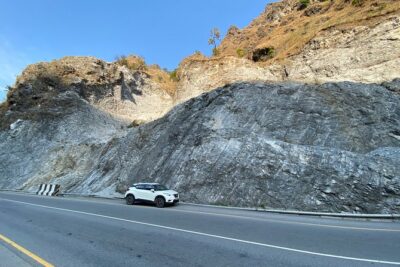
Your trek begins with a short flight (about 45 minutes) and then a longer 4–5 hour off-road drive before settling into your first overnight at a teahouse. In practical terms, this is a “gear and body prep” day. You’re not just arriving—you’re getting your legs used to motion before the proper trekking starts.
Day 1 (Makalu-Barun National Park) is also your first taste of the national-park setting. You’re moving into a protected area where the trail feels purposeful—like you’re entering the real trekking system rather than just passing through.
On Day 2, the day’s shape is steep. You descend to the Arun River and then climb up toward Seduwa. A steep day early on can be hard mentally, so the value here is that you’re already in motion with your guide and team managing pacing.
Day 3 shifts from sharp effort to steadier walking through farms and forests. Trekking time is still in the 4–5 hour range, but this is the kind of day where you can start to notice what you came for: rhododendron country, bird calls, and the quieter “everyday” feel of people living near the trail.
Day 4–5: uphill rhythm and acclimatization ridges
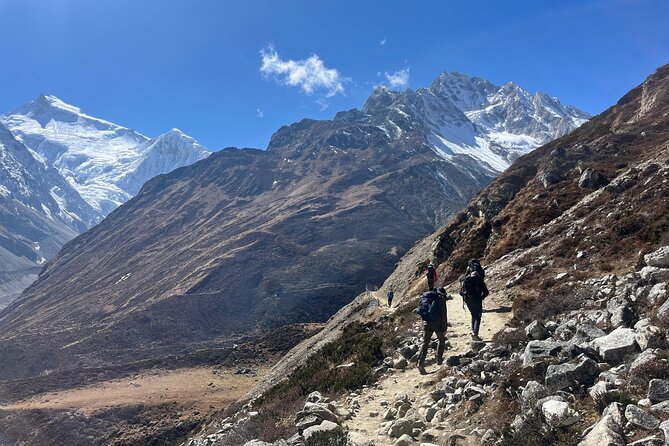
Day 4 is a long uphill through forest and meadows (about 6–7 hours). For me, this is where the trek stops feeling like an introduction and starts feeling like the real plan. If you want good days later, this is the day to keep your effort controlled—save gas for the pass days ahead.
Then comes a smart break in the form of acclimatization on Day 5. You’ll do short hikes to nearby ridges, staying active without trying to turn the day into a summit push. The practical reason this matters: it helps your body adjust to altitude while you still sleep in a teahouse environment and keep your energy for what follows.
Day 6–8: Shipton La, Keke La, and the rhododendron valleys
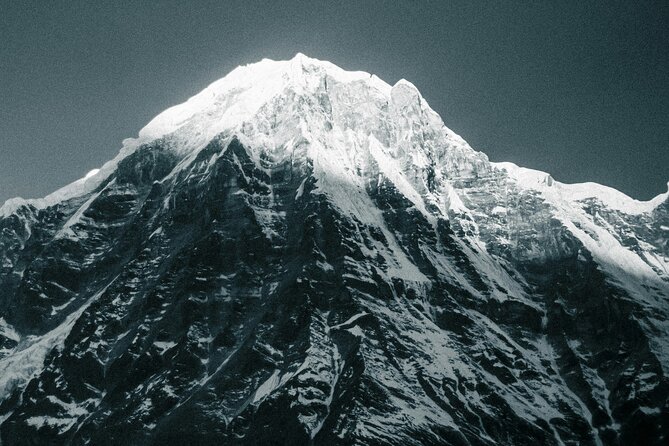
This is the “pay attention” section.
Day 6 crosses Shipton La (4,170m) and Keke La (4,150m). The trek time is 6–7 hours and it’s described as hard but beautiful. Translation: you’ll feel the altitude, and you’ll want your footing to be solid. If your package includes crampons on request, this is exactly the kind of day where you’ll appreciate having the right traction options.
Day 7 returns to a softer theme: rhododendron forests and river valleys with 5–6 hours of trekking. It’s the kind of day that lets your breathing reset after pass effort. You’ll probably also start noticing more colors in the scenery—especially when rhododendron season aligns with your dates.
Day 8 continues the upward rhythm with a gradual ascent and strong valley views (5–6 hours). The important bit is that you’re still gaining elevation, but the trail is structured so you’re not constantly “maxing out.” That balance helps you arrive at base camp day with less strain than you’d expect from a 15-day trek that includes major passes.
Day 9–10: climbing to Makalu Base Camp and optional Barun Glacier steps
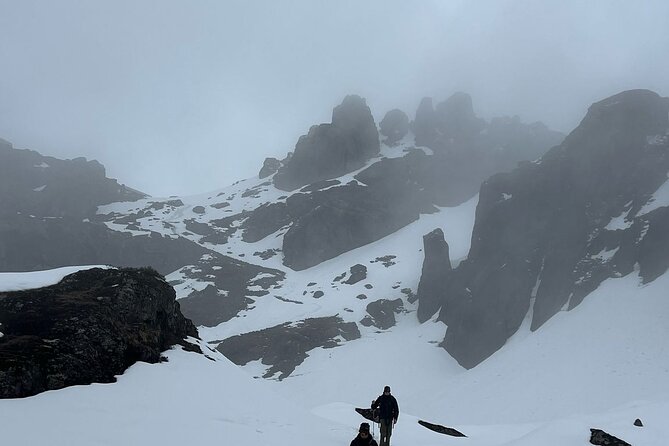
Day 9 is your big push: the trek to base camp with 6–7 hours of walking and incredible Himalayan views. This is the day when all your earlier climbs and acclimatization start paying rent. Even if clouds roll in, the act of reaching the base camp area changes your perspective—you’re in the right altitude zone, surrounded by glacier-influenced terrain, and looking at the peaks on their own terms.
Day 10 gives you flexibility with an optional side hike toward Barun Glacier. You’ll stay in teahouses or move to a tented camp depending on how your plan is set up that day. Optional hikes are worth it if you’re feeling good and the weather is stable, because they add variety to a base-camp-centered day without forcing you into a long extra trek.
From a practical standpoint, this day is also your “save energy” marker. If you’re exhausted, you can skip the side hike and focus on recovery. If you’re feeling strong, the glacier angle is one of the reasons this trek stays memorable after the photos end.
Day 11–15: retracing steps, long descents, and getting back to Kathmandu
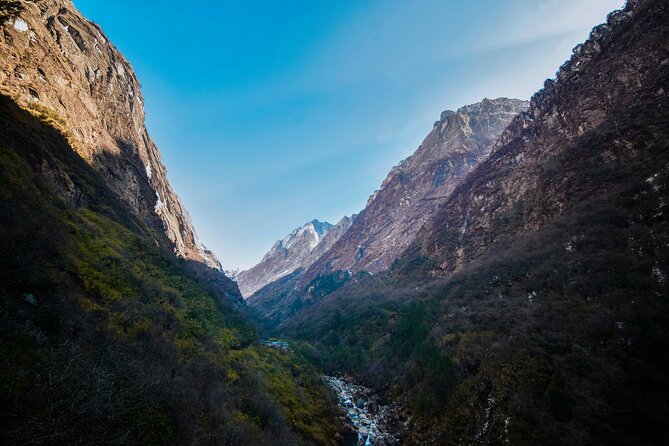
The return starts on Day 11 with retracing your steps down (about 7 hours). This is one of those stretches where “down” can still be tough on knees and ankles. The upside is that you get to recognize the trail features you climbed earlier, and it can feel like re-watching your own journey from a calmer viewpoint.
Day 12 continues with 6–7 hours of trekking through more familiar terrain. Day 13 is 5–6 hours. These middle return days are where your trekking becomes less about “earning views” and more about steady movement and staying comfortable—using the rhythm you built earlier.
Day 14 is a long descent (6–7 hours). Descent days usually feel faster than ascent days, but they also demand good technique: steady steps, smart pacing, and attention on footing. This is also the day I think about blisters and shoes—because if anything is going to go wrong, it’s often during long downhill sections.
Then Day 15 finishes the story: about 4 hours of trekking, followed by the 4–5 hour drive back to the flight route. If timing works out, you may be able to fly Tumlingtar to Kathmandu the same day or the next morning.
Teahouses, meals, and water reality on the trail
Meals are included, but they’re included in a simple way: one menu item per breakfast/lunch/dinner. That’s not a bad thing. It keeps food logistics predictable in remote areas where options can be limited.
You’ll likely eat in teahouses throughout. The big “real life” detail is hydration: bottled water is not included, but you can purchase it along the trail or refill at teahouses. If you want to travel more responsibly—and keep costs down—bring a refillable bottle.
Coffee and tea aren’t included either. You can buy them at tea houses, but don’t plan your budget like those hot drinks are covered. Alcohol isn’t included either, so if you enjoy a celebratory drink, it’s an add-on decision.
One more comfort note from actual experience: one person specifically mentioned relaxing in the provider’s Bodhi hotel rooms before and after the trek. After days of hiking and cold air, having a proper place to reset can feel like a quiet luxury.
Wildlife, plants, and real community contact
Makalu-Barun isn’t just scenic; it’s biologically active. The route is described as home to red pandas, Himalayan thars, colorful birds, and forests with rhododendrons and medicinal plants. Even if you don’t see a specific animal, you can still feel the difference in how the environment changes—from farms to forest to high alpine terrain.
Community life is part of the trek’s texture too. You pass through areas associated with Rai, Sherpa, and Bhotiya communities, and the experience is framed around their simple, humble lifestyle and warm hospitality. For you, the practical takeaway is to keep your expectations grounded. This is not a high-comfort resort environment. It’s a walking journey through places people live.
Guides, gear, and pacing: why the trip feels organized in the middle of nowhere
This trek runs in remote terrain, so organization matters. The included elements that reduce stress are clear: an English-speaking guide, porters with daily allowances, guide and porter insurance, first-aid kits, and maps.
The human side also shows up in the feedback. People called out guide Pujan and David as especially helpful, and they also mentioned Mr. Raj and the broader team for making the stay in Nepal feel well handled. That matters because when you’re tired, weather changes, or the trail feels longer than expected, support makes a big difference.
Gear can be another stress point. You can request sleeping bags, trekking poles, and crampons as part of the package. If you’re not bringing your own, make sure you ask early so you’re not scrambling on the day you need it.
And because this is a private tour/activity, pacing can be more consistent for your group. That’s a real advantage when you’re crossing altitude and trying to keep everyone moving safely.
Weather and altitude: what you can control
Weather is a major variable here. The trek is noted as requiring good weather, and if it’s canceled due to poor conditions, you’d be offered a different date or a full refund. That tells you something important: you’re planning for a mountain environment, not a guaranteed “perfect sky” itinerary.
Altitude is part of the design. Even before the passes, you’re gaining elevation across many days. Your acclimatization setup (short ridge hikes) and the pacing built into the route help, but you still need to take care of basics: hydration, controlled effort, and not treating every day like a race.
Should you book Makalu Base Camp with Bodhi Tree Tours?
I’d book this trek if you want:
- a less crowded feeling in the Himalayas,
- a route with major high-pass terrain and multiple chances to see Mt. Makalu,
- support that includes guiding, porters, maps, first-aid kits, and most meals.
I’d pause if you hate steep days and high-altitude effort. The combination of long uphill sections plus the Shipton La and Keke La crossing means you need moderate fitness and good trekking habits. Also, remember the extras you’ll pay for on the way: bottled water, coffee/tea, and alcohol.
If those points fit your style, this is the kind of trek where you end up feeling connected to the mountains in a quieter, more personal way than the big-name trails.
FAQ
What’s the duration of the Makalu Base Camp trek?
The trek runs about 15 days.
Where does the trek start and how do you get there?
You meet at Tribhuvan Airport in Kathmandu. The trek includes a two-way flight between Kathmandu and Tumlingtar, plus a 4–5 hour off-road drive during the early and final parts of the trip.
Are meals included, or do I pay for food each day?
Meals are included: breakfast is included 14 times, lunch 14 times, and dinner 15 times, with one menu item per meal.
Do I need to bring my own trekking gear?
You can request sleeping bags, trekking poles, and crampons as part of the package. Maps are also included.
Is bottled water included?
No. Bottled water is not included. You can purchase water along the trail or refill at tea houses, and a refillable bottle is recommended.
What’s not included in the trek price?
Not included are visa fees, personal insurance, bottled water, coffee and/or tea, alcoholic beverages, and private transportation (local transport is used as per the itinerary). Extra porter service is available for excess baggage.