REVIEW · KATHMANDU
Traditional Momo Making Class
Book on GetYourGuide →Operated by Namaste Cooking School · Bookable on GetYourGuide
Fresh dumplings, right in Kathmandu.
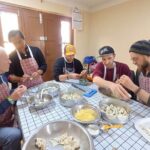
This women-led class is a hands-on way to learn traditional momo making with local chefs in Thamel, in a kitchen setup that feels bright and easy to work in. I love that you’re not just watching. You’re doing the key steps yourself, from dough to folding, then eating what you made.
The other big win is the teaching style. Instruction is in English, and you get clear guidance in a very clean, comfortable space. One heads-up: the session can run a bit longer than the schedule you might expect, so build in a little breathing room.
In This Review
- Key Things to Know Before You Go
- A Rooftop-Style Kitchen Moment in Thamel
- The 90-Minute Plan: From Kneading to Finished Momo
- Dough: Get the feel right
- Filling: Prep flavors, not just ingredients
- Folding: The signature skill
- Tasting: Eat your batch while it’s still right
- Ingredients and Nepali Spices: What Makes It Taste Like Nepal
- Cultural Significance: More Than a Street Snack
- Price and Value: Is $15 a Good Deal?
- Who This Class Is Best For
- Practical Tips So Your Momos Don’t Stress You Out
- Wear the right thing
- Arrive early-ish
- Expect English instruction
- Give yourself extra time after
- If you’re sensitive to spice
- What You’ll Leave With (Besides a Full Stomach)
- Should You Book This Momo Making Class?
- FAQ
- Where is the class located?
- How long is the traditional momo making class?
- What is included in the price?
- Is hotel pickup or drop-off included?
- What language is the instruction in?
- Do I need to bring ingredients or cooking tools?
- What should I wear?
- When should I arrive?
- Is there free cancellation?
- Does booking include the chance to pay later?
Key Things to Know Before You Go
- Women-led Namaste Cooking School: You learn the dumpling process directly from local women chefs.
- English instruction: Helpful if you don’t speak Nepali; you can follow along and ask questions.
- Hands-on workflow: Kneading, filling, and folding are part of the class, not just a demo.
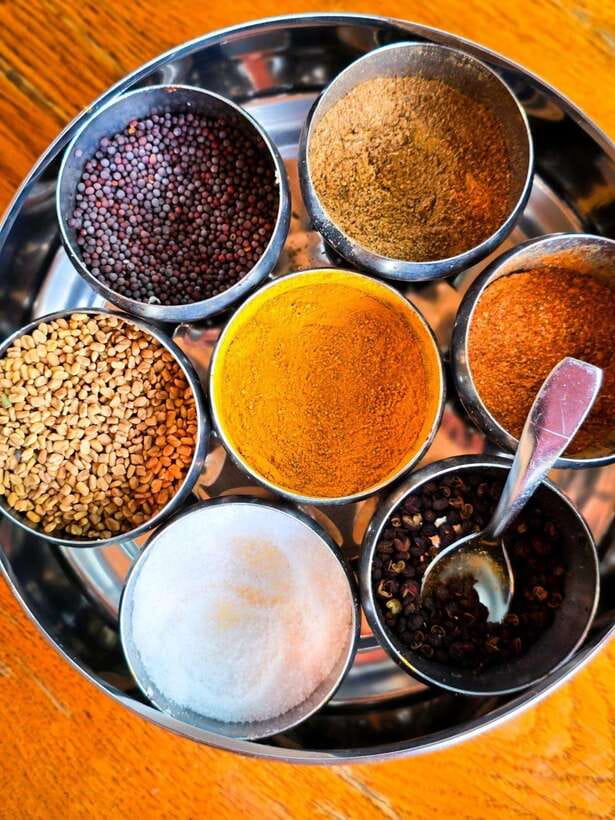
- Fresh ingredients and Nepali spices: Your flavors come from real prep, not shortcuts.
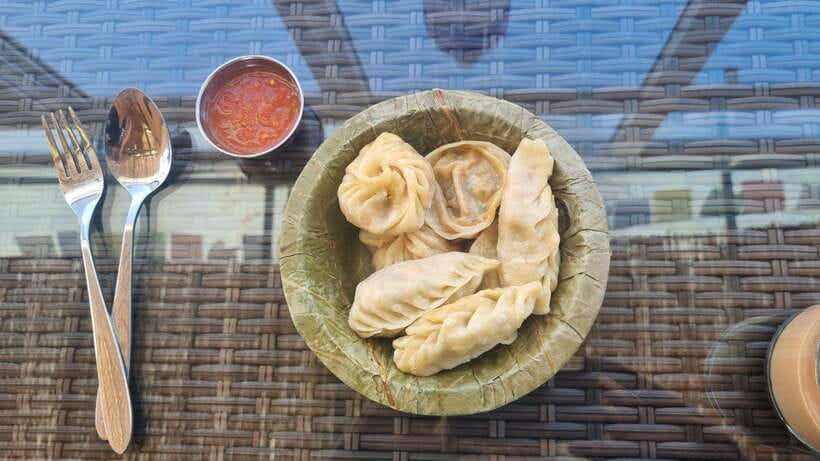
- Tasting your own momos: You finish by eating what you shaped.
- Comfortable rooftop-style feel: The space is described as clean, bright, and calm, with occasional fun moments.
A Rooftop-Style Kitchen Moment in Thamel
Thamel is Kathmandu’s classic base area: lots of foot traffic, shops, and side streets that pull you toward new smells and snacks. This momo class takes you to a quieter pocket inside Women Led Namaste Cooking School, where the working space is described as very clean and bright, with a laid-back atmosphere that makes it easier to focus on your hands instead of your surroundings.
The class setting matters more than you’d think. Dumpling-making is fiddly. If the room feels dark, cramped, or chaotic, you’ll spend your energy fighting the process. Here, the environment is set up for learning—good light, space to work, and an overall calm vibe that helps beginners keep going.
Also, the social energy is part of the point. Expect friendly energy from the chefs and a few laughs along the way. In one reported moment, the group even had some dancing to traditional Nepali music—nothing required, but it tells you the mood is warm, not stiff.
You can also read our reviews of more tours and experiences in Kathmandu

The 90-Minute Plan: From Kneading to Finished Momo
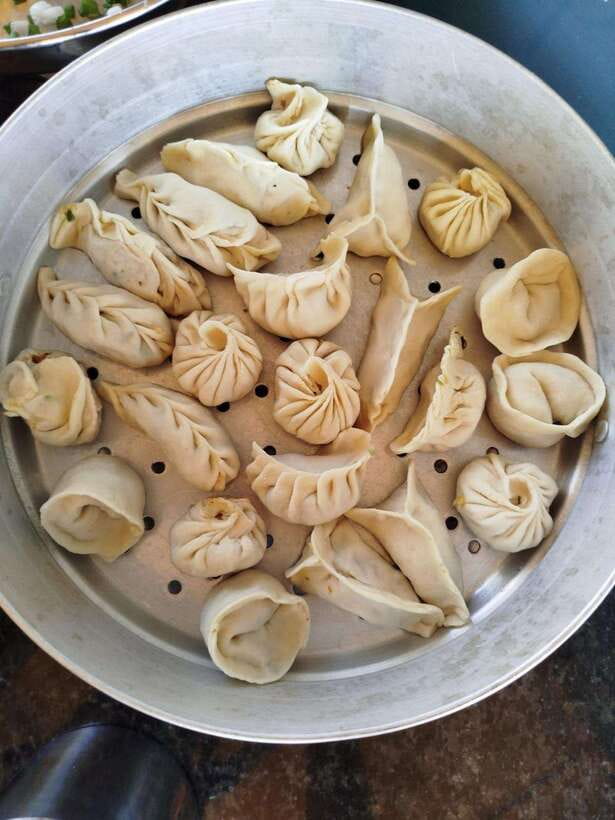
The heart of the experience is a straightforward, practical workflow. You’re guided through making momos from scratch, step by step, in a single 1.5-hour session.
Here’s how it typically plays out:
Dough: Get the feel right
You’ll start with kneading the dough. This is the stage where most people get nervous, because dough can feel like a living thing. The class approach is hands-on, so you learn what the right texture feels like rather than just being told a theory.
Filling: Prep flavors, not just ingredients
Next comes the filling. You’ll prepare it using fresh, locally sourced ingredients and authentic Nepali spices. The point isn’t to memorize a spice list; it’s to understand how the filling tastes when it’s balanced and ready to go inside the wrapper.
Folding: The signature skill
Then you fold. Folding is where you turn “food-making” into “dumpling-making,” and the class takes you through the shapes you’ll recognize as traditional momos. This is also the easiest place to measure your progress: once you can fold one confidently, the rest stops feeling mysterious.
If you’re worried you won’t be good at it, you’re not alone. One parent shared that they assumed momos would be hard, but the process felt manageable once they had the steps and got their hands moving. That’s the vibe here: you’re learning skills, not being graded.





Tasting: Eat your batch while it’s still right
At the end, you taste what you made. This matters because momos are at their best right after cooking and while the texture is still springy. The tasting gives you immediate feedback on your dough and filling choices—useful if you want to replicate it at home.
Ingredients and Nepali Spices: What Makes It Taste Like Nepal
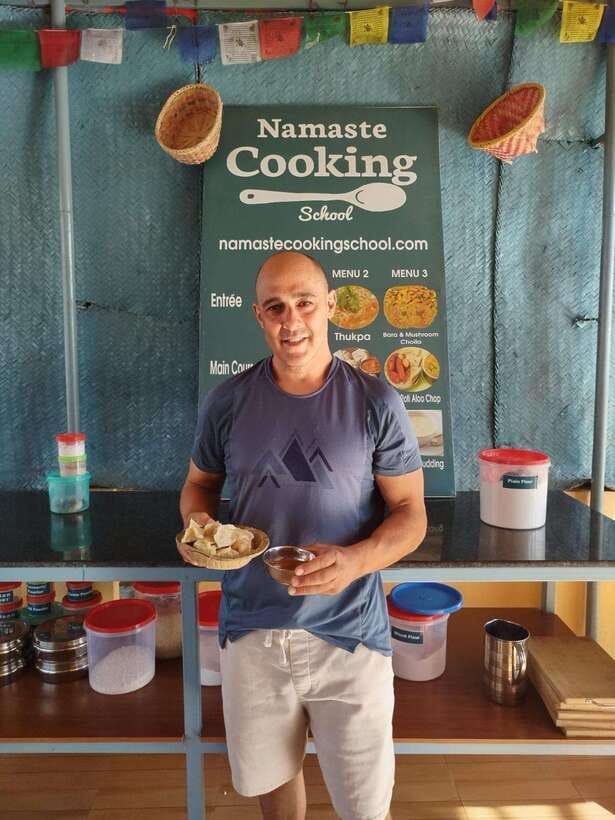
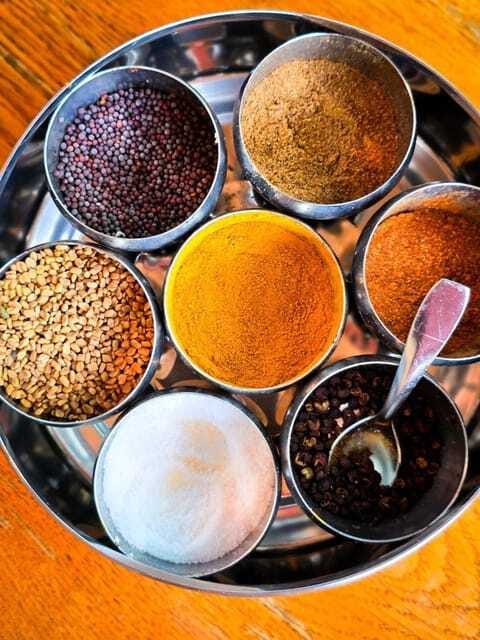
Momo flavor isn’t one single thing. It’s the combination of dough texture, filling balance, and spice style. This class builds those pieces using authentic Nepali spices and fresh ingredients.
That means you’re not just learning a technique; you’re learning how Nepali cooks think about flavor. The fillings rely on spices that taste at home in Nepalese food—warm, savory, and layered rather than one-note heat. And because you’re actively preparing components, you get a better sense of how much seasoning changes the outcome.
If you’re the type who likes to re-create meals after a trip, you’ll likely appreciate how learnable the recipe feels. One highlight from the experiences shared is that momos seem harder than they are. Once you understand the basic rhythm—dough, filling, fold, cook—the dish starts to feel doable again.
Cultural Significance: More Than a Street Snack
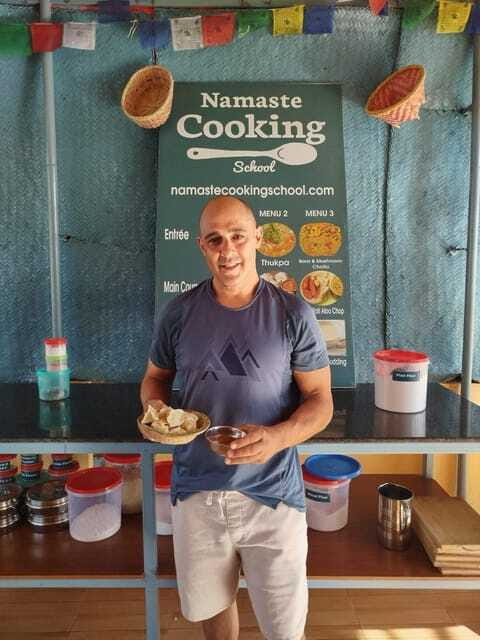
Momos are famous in Nepal, and they show up for celebrations and everyday life. In this class, chefs also share the cultural significance of momos—why they matter, and how they’ve become a shared comfort food.
That context turns the food from a tourist activity into something with meaning. When you understand that momos aren’t just a dumpling “trend,” you’ll enjoy the tasting more. You’ll see the connection between the technique you’re practicing and the dish’s role in real Nepalese gatherings.
It’s also a nice change from a purely food-for-food’s-sake lesson. You’re leaving with skills and a little story to attach to those skills, which is what makes the memory last.
Price and Value: Is $15 a Good Deal?
At $15 per person for a 1.5-hour class, the value is strong if your goal is to learn by doing. You’re getting:
- the ingredients needed for your momo prep
- guidance from experienced local chefs
- tasting of your handmade momos
- welcome masala chai
What you’re not getting is hotel pickup and drop-off. That’s normal for Kathmandu classes, but it does affect your planning. If you’re relying on someone else to handle transportation, you’ll need to arrange that on your own.
The other value angle is skill transfer. You’re not just paying for lunch. You’re paying for technique—how to knead, how to build fillings, and how to fold. That’s the part you can use again at home, even if you can’t find the exact same ingredients.
One more practical note: the class may take a little longer than the written duration for some groups. If you have a tight schedule after, give yourself a cushion.
Who This Class Is Best For
This momo class is a good fit if you want something hands-on, social, and easy to fit into a Kathmandu day.
- Beginners: It’s designed to teach the process from scratch, and the steps are learnable even if you’ve never worked with dumpling dough before.
- Food lovers: You’ll get insight into Nepali spice style and how the dish fits Nepalese life.
- Families (with older kids): One shared experience involved an 11-year-old who helped with chopping and folding, showing the class can work well when kids can handle kitchen tasks safely and patiently. If you’re bringing a child, choose a time when they can focus, and follow the chefs’ safety lead.
- Solo travelers who like interaction: The group vibe tends to be friendly and playful, with clear instruction and good English support.
If you hate messy hands, this won’t be your kind of activity. But if you enjoy learning by doing—this is your lane.
Practical Tips So Your Momos Don’t Stress You Out
You don’t need special culinary talent. You do need the right setup.
Wear the right thing
Wear comfortable clothing and shoes you don’t mind getting a little dough dust on. Kneading and folding can be slightly messy.
Arrive early-ish
Arrive about 10 minutes before the class starts. You’ll settle in and get your station without feeling rushed.
Expect English instruction
The instructor language is English, which makes it easier to follow steps and ask questions. If you want to remember the process later, ask about any step you find confusing while you’re still in motion.
Give yourself extra time after
Because some sessions can run a bit longer, don’t chain it to another strict deadline. Plan something casual afterward—stroll, snack, or just unwind in Thamel.
If you’re sensitive to spice
The class uses Nepali spices, which are flavorful and often warm. The class doesn’t mention customizing heat levels, so if you’re spice-sensitive, consider asking the chefs about the spice blend before you commit to a full bowl of filling.
What You’ll Leave With (Besides a Full Stomach)
You’ll take home more than photos.
You’ll come away with:
- a repeatable workflow for momo dough + filling + folding
- a better sense of how Nepali spices function in real food
- the confidence to try again at home, rather than giving up after one stuck dumpling
And because you finish by tasting your own batch, you’ll know what success feels like. That feedback loop is the difference between watching a cooking video and actually learning a skill.
Should You Book This Momo Making Class?
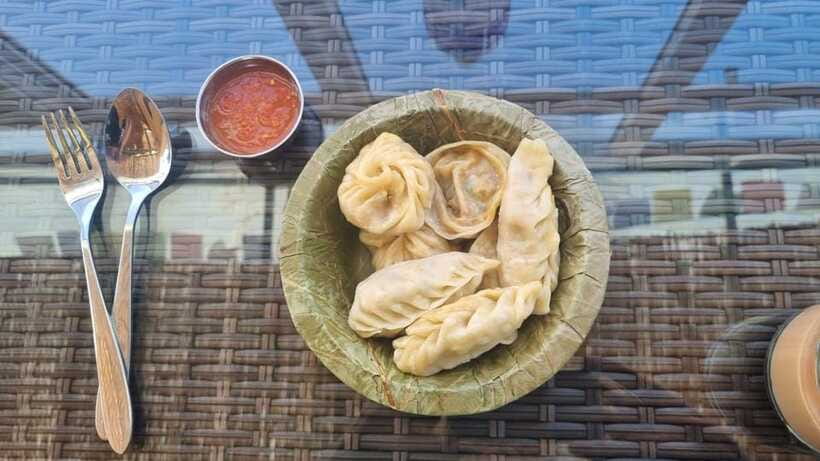
I’d book this if you want a hands-on Kathmandu food experience that feels welcoming and teachable. The combo of English instruction, women-led chefs, clean workspace, fresh ingredients, and a real taste of what you made makes the $15 price feel fair.
Skip it (or at least think twice) if your schedule is razor tight, because the session can run longer than expected. Also, if you dislike working with food textures and a little mess, this won’t be your favorite way to spend 90 minutes.
FAQ
Where is the class located?
It takes place at Women Led Namaste Cooking School in Thamel, Kathmandu, in Nepal’s Bagmati Zone.
How long is the traditional momo making class?
The class runs for 1.5 hours.
What is included in the price?
Included are the momo making class, ingredients, guidance from local chefs, tasting of your handmade momos, and welcome masala chai.
Is hotel pickup or drop-off included?
No, hotel pickup and drop-off are not included.
What language is the instruction in?
The class instruction is in English.
Do I need to bring ingredients or cooking tools?
No. Ingredients are provided as part of the class, and you’re guided through the process.
What should I wear?
Wear comfortable clothing and shoes suitable for cooking.
When should I arrive?
Arrive about 10 minutes before the class starts.
Is there free cancellation?
Yes. You can cancel up to 24 hours in advance for a full refund.
Does booking include the chance to pay later?
Yes. You can reserve now and pay later to keep your travel plans flexible.