REVIEW · KATHMANDU
Dancing in the Manaslu Circuit Trek
Book on Viator →Operated by Master Himalaya Treks and Expedition · Bookable on Viator
Hiking into the Manaslu region feels special for a reason. This trek circles Mount Manaslu while staying away from the busiest paths, and it threads in Tibetan-shaped culture through monasteries, prayer flags, and even local music and dance moments. I love the quiet access to the restricted areas plus the way the route mixes river gorges, hot-spring stops, and high passes into one logical journey. I also like that the trip is run with strong support: an English-speaking guide, twin sharing private rooms, and full board meals during the trek. One consideration: you still need solid stamina for a high pass day like Larkya La (5,100m) and long driving-trek days.
You’ll start with big changes in scenery almost immediately, then settle into a steady rhythm of walking, eating, and resting in simple tea-house style places. The cultural side is real, not staged: you’ll pass Mani walls, see monasteries, and spend time in villages shaped by Tibetan traditions. The one drawback to plan around is that a porter is required for the trek, and tips and personal expenses are not included, so your total cost can rise depending on how you handle that.
In This Review
- Key highlights worth your attention
- Why the Manaslu Circuit feels quieter and more personal
- Price and value: what $1,390 per person covers
- Getting started in Kathmandu: transfers that set your pace
- Day 1–3: From Maccha Khola to Jagat, with hot springs and stone houses
- Day 4–5: Namrung and Shyala, with Mani walls and forest time
- Day 6–7: Samagaun and the acclimatization day that makes Larkya La safer
- Day 8–9: Down to the Budhi Gandaki, then up toward Larke Bazaar and Dharmasala
- Day 10: The Larkya La pass day, with Cho Danda, Larkya Peak, and four frozen lakes
- Day 11–12: Dharmapani forest descent, then jeep to Besi Sahar and back to Kathmandu
- The cultural side: monasteries, prayer flags, and local music and dance moments
- Comfort and support: meals, rooms, guide quality, and porter reality
- Who should book this trek and who should reconsider
- Should you book Dancing in the Manaslu Circuit?
- FAQ
- What is the duration of the Manaslu Circuit trek?
- Where does the trek start and end?
- Is pickup offered?
- What is included in the price?
- Are meals provided during the trek?
- Is a porter included?
- What about travel insurance?
- What kind of fitness level do I need?
- What happens if the trek is canceled due to weather?
- Can I get a refund if I cancel?
Key highlights worth your attention
- Restricted-access Manaslu region that helps keep numbers lower and the vibe calmer
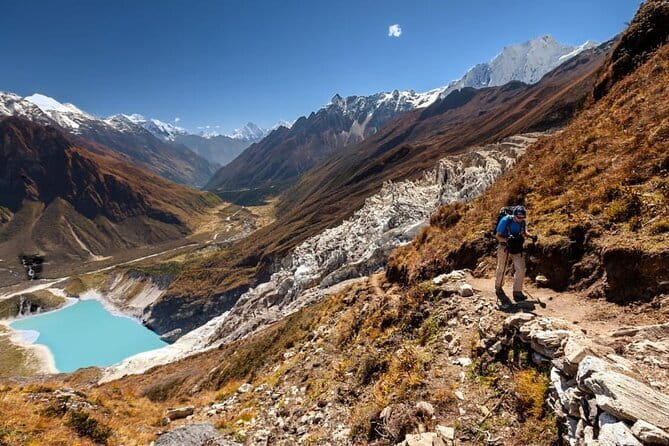
- Larkya La (5,100m) pass day with views toward Cho Danda, Larkya Peak, and the four frozen lakes
- Acclimatization day in the Manaslu area, with optional hikes to Manaslu Base Camp and Birendra Lake
- Full-board trekking meals plus a farewell dinner to mark the finish
- Strong trip support: deluxe bus transfers, shared jeeps where listed, an English-speaking guide, and a first aid kit
- Culture in motion, including Tibetan-influenced monasteries, prayer flags, and local music and dance moments
Why the Manaslu Circuit feels quieter and more personal
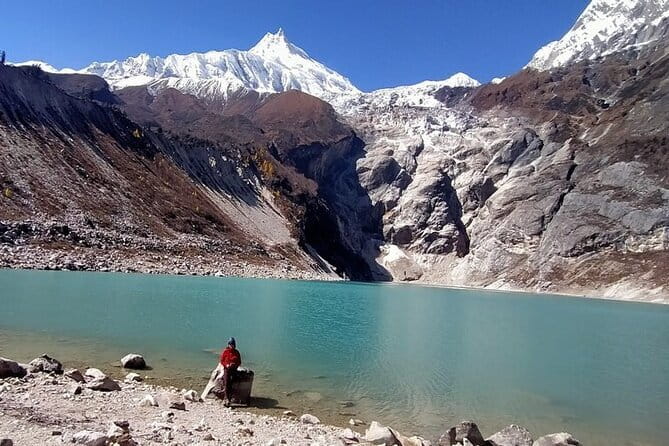
Manaslu has a different energy than the most famous trekking circuits in Nepal. This route travels through a restricted region, which matters because it naturally reduces crowds and keeps the experience more human-scale. You’re still walking in a big-name Himalayan area, but the day-to-day feels less like a conveyor belt.
What I like about this “Dancing” version of the Manaslu Circuit is that culture isn’t treated like a photo stop. You move through places influenced by Tibetan traditions: prayer flags show up, monasteries are part of the rhythm, and there are opportunities for local music and dance along the way. It turns the trek into more than just distance and altitude.
There’s also a clear pattern to the trek. You start lower, follow the Budhi Gandaki River corridor, then gradually climb into colder terrain. That progression makes the big pass days feel earned rather than sudden.
You can also read our reviews of more hiking tours in Kathmandu
Price and value: what $1,390 per person covers
At $1,390 per person, the best way to judge value is by what’s already taken care of. This package includes required permits and government taxes, three full board meals during the trek (breakfast, lunch, dinner), and twin sharing private rooms each night on the trek. It also includes a deluxe bus transfer from Kathmandu to Sotikhola and from Besisahar back to Kathmandu, plus shared jeep transportation from Dharapani to Besisahar.
You’re also paying for human support. The tour provides a government-certified guide who speaks English fluently, along with a first aid kit and a farewell dinner at the end. Those details matter on a trek where weather can shift fast and where organization reduces stress.
What’s not included is where your planning can get real. You’re responsible for travel insurance, personal expenses like phone charges and hot water, and porter costs (you can hire a porter either in Kathmandu or at Sotikhola). Tips for the guide and other services are also extra.
My practical take: if you want a Manaslu Circuit trek with fewer decisions to make, this price looks reasonable because logistics, meals, and core fees are handled. If you’re the type who already has a full setup and prefers DIY, you may feel boxed in by how much is bundled. But most people find the “hands-on” support worth it once they’re on the trail.
Getting started in Kathmandu: transfers that set your pace
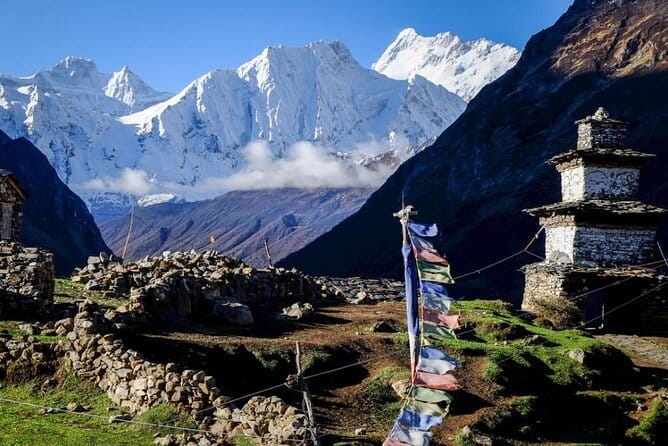
The trip begins back at the Kathmandu meeting point (P897+443, Kathmandu 44600, Nepal). The listing notes pickup is offered, and the meeting area is near public transportation, which is convenient if you need to arrive independently.
Day 1 is mostly travel with a goal: you reach the trekking start area and start acclimating to the long day feeling. You drive from Kathmandu toward Maccha Khola, passing rural villages and green hillsides, with a possible vehicle change around Soti Khola and onward to Maccha Khola. It’s not a gentle start, but it positions you for an efficient Day 2 along the river.
If you’re thinking about comfort, don’t assume you’ll feel fresh after the first day. Plan to treat Day 1 like the first layer of the trek: light walking only, early rest, and good hydration.
Day 1–3: From Maccha Khola to Jagat, with hot springs and stone houses
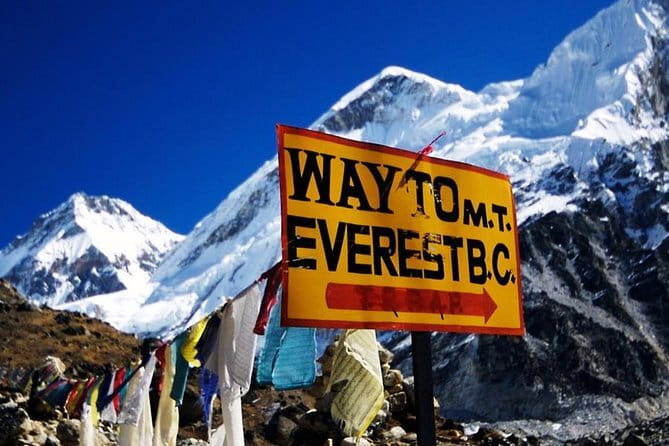
Day 2 anchors the trek along the Budhi Gandaki River. After breakfast in Maccha Khola, you walk through river terrain and pass Tatopani, known for natural hot springs. Even if you don’t soak, it’s a good reminder that you’re moving through a lived-in valley system, not a frozen wilderness.
Then you push into the restricted region and reach Jagat, where you can explore stone houses in a rural setting. Jagat’s value is that it slows you down socially. You’re not just hiking past buildings; you’re moving through a settlement style that feels older and more grounded than the guest-house-only areas on busier routes.
Day 3 continues your progression to the next village area. The schedule lists Salleri as a stop while trekking from Jagat toward Deng. Either way, this is a classic “keep moving, earn the next view” day. The main drawback here is time: the trek days are listed as 12 hours, so you’ll want a steady hiking rhythm and a realistic plan for when you stop for breaks.
Day 4–5: Namrung and Shyala, with Mani walls and forest time
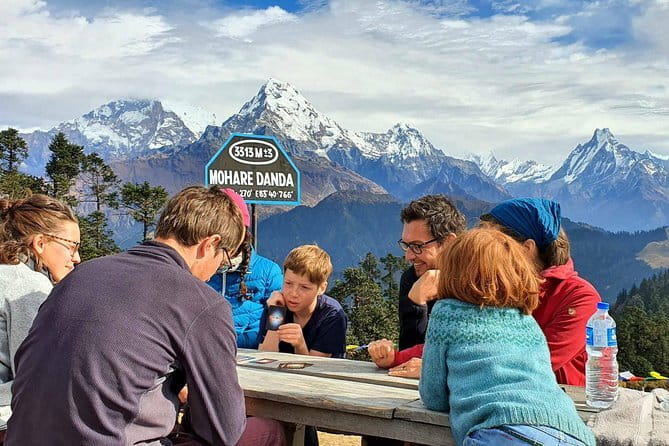
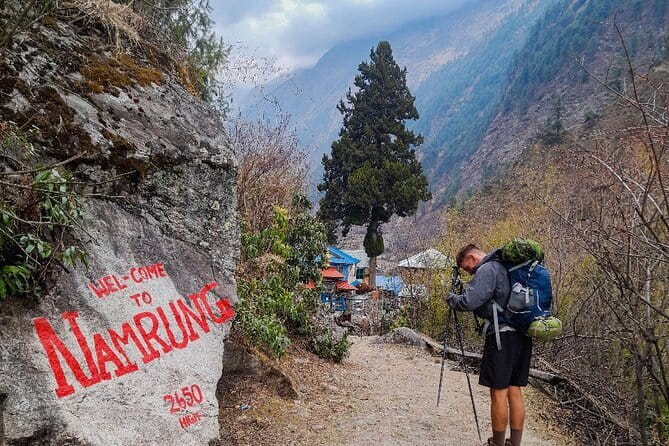
On Day 4, you reach Namrung after trekking from the previous village. This is one of the cultural-rich sections. The itinerary specifically includes the Prok village, Mani walls, and forest time. That combo matters because Mani walls and village paths aren’t just pretty objects; they’re part of how the region communicates its faith and history.
Day 5 continues to Shyala. This is a transition day into higher, colder country. You’ll feel the shift in the air as the trek moves away from the lower valley warmth. If you like a trek that gradually teaches you the mountain’s rules, these middle days are the lesson plan.
In this section, I’d pay attention to how your body reacts. Even before the pass, it’s smart to keep breathing easy. If you’re going too hard early, the pass day will punish that later.
Day 6–7: Samagaun and the acclimatization day that makes Larkya La safer
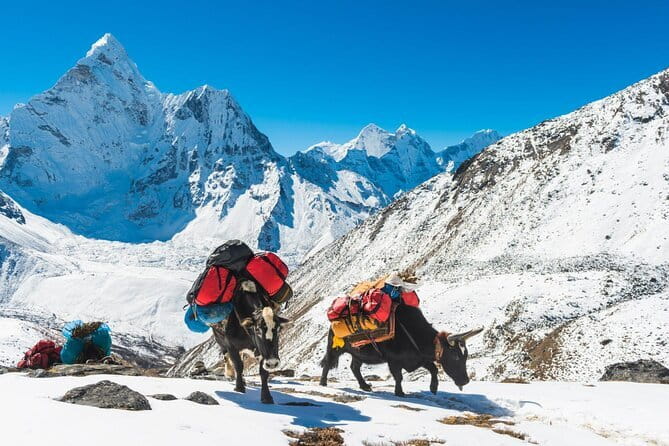
Day 6 brings you to Samagaun, with a hike to Pungeyn Gumpa included. This is where the trek starts feeling more spiritual and less purely practical. Gumpa visits tend to be quieter moments in the day, and they help break up the grind with something meaningful.
Day 7 is your acclimatization day in the Manaslu area. The schedule lists an optional hike to Manaslu Base Camp and Birendra Lake. This is a big deal for two reasons. First, it gives your body time to adjust before the Larkya La push. Second, it gives you an extra choice: you can go for the hike if you feel good, or you can use the day to rest and recover if you don’t.
The best way to use an acclimatization day is not to race. Go steady. If you’re feeling strong, enjoy the hike. If you’re not, take the win anyway and rest. This is where your future comfort is decided.
Day 8–9: Down to the Budhi Gandaki, then up toward Larke Bazaar and Dharmasala
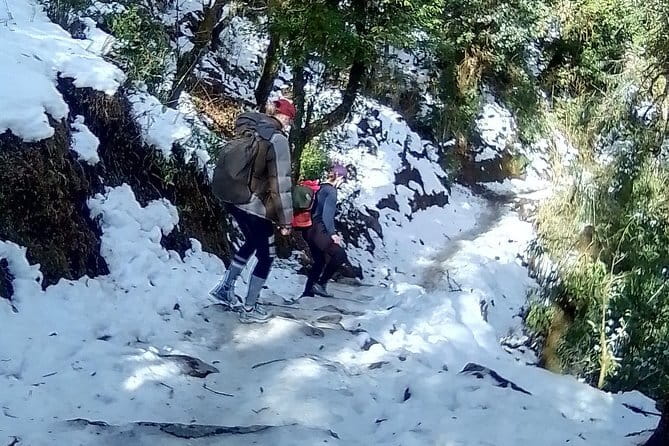
Day 8 is a descent to the Budhi Gandaki River, a cross of a wooden bridge, and then the chance to witness the Larkya glacier. Bridges and glaciers are both visual anchors. They remind you that the trek is tied to real geography, not just trail lines.
Day 9 is longer and more serious. You trek through icy streams, pass Larke Bazaar, ascend toward Dharmasala, and again pass monasteries and Mani walls. This is where you’ll likely feel the pace shift. Icy streams are a sign that you’re in the higher, harsher zone where every extra hour matters.
The itinerary also promises views of the Larkya glacier. That kind of payoff is exactly why these days feel worth it. But for planning, understand that “views” usually come with cold hands. Build in time for slower stops and layers that are easy to adjust.
Day 10: The Larkya La pass day, with Cho Danda, Larkya Peak, and four frozen lakes
Day 10 is the big high point. You trek through challenging terrain to Larkya La Pass, with views of Cho Danda, Larkya Peak, and the four frozen lakes. This is the day that tests your patience as much as your legs.
Because the itinerary highlights icy streams earlier and the pass includes frozen lakes as a listed feature, you should plan for cold, wind, and a slower walk than you might expect. I like pass days where you can focus on step-by-step progress rather than the clock. Your guide and group rhythm will matter here.
If you’re sensitive to altitude, take the advice seriously on pacing. Your body may feel fine early and then tighten up later. That’s normal. The trick is not forcing it.
Day 11–12: Dharmapani forest descent, then jeep to Besi Sahar and back to Kathmandu
After the pass, Day 11 transitions into descent. You go from Dharmasala to Dharapani, descending through lush green forests, crossing Dudh Khola, and passing through Karche Village. This is an underrated part of the trek. Descents can be tough on knees, but they often feel like mental relief after a pass day.
Day 12 wraps with a jeep drive from Dharapani to Besisahar, then a drive of about 5 hours from Besisahar to Kathmandu. It’s a long travel day in a different way. Instead of breathing hard uphill, you’re dealing with road time.
If you want to end strong, avoid over-planning your next-day schedule in Kathmandu. You’ll likely be tired in a settled way, not an emergency way.
The cultural side: monasteries, prayer flags, and local music and dance moments
The “dancing” in this experience is less about a single performance and more about how the journey lets culture show up naturally. The trek passes Tibetan-influenced villages, and you’ll see prayer flags and Mani walls repeatedly. Those aren’t just decorations; they’re part of the landscape of beliefs that guides daily life.
Monasteries are also built into the trek’s flow: you’ll visit Pungeyn Gumpa, and you’ll pass monasteries and Mani walls on the way toward higher regions. These moments work well because you arrive by walking, not by vehicle. You’re in the rhythm of the place.
The reviews support that the guides also add social value. People mention guides like Bijaya, Krishna, Lakpa, and Tenji providing lots of information and caring attention. One traveler even highlighted language moments like learning some Nepali along the way. That’s the kind of extra that can turn a good trek into a memorable one, because you’re not just observing; you’re understanding.
There’s also a quiet human payoff in tea-house style stops. The feedback includes experiences where lodging families and hosts created genuinely warm connections during the trek. You can’t force that every time, but this route’s village pattern makes it more likely.
Comfort and support: meals, rooms, guide quality, and porter reality
You’ll get three full board meals on trek days: breakfast, lunch, and dinner. That matters on a high pass trek because it removes one of the biggest uncertainties. You’re not hunting food or improvising meals while your body demands calories.
Your accommodations are twin sharing private rooms. That’s a practical comfort upgrade compared to dorm-style sleeping. It also helps when you’re cold and want a proper place to dry out gear and rest.
A key note: a porter is required for the trek. The porter can be hired from Kathmandu or at Sotikhola, but porter costs are not included, and tips are extra. This changes how you should pack. The easier your load, the more you can focus on walking, altitude, and enjoyment.
On support, the guide service is a big part of why people rate this trek so highly. The feedback highlights a team that feels attentive and kind, with guides described as knowledgeable and careful. It’s also mentioned that communication can be easy in advance, including WhatsApp contact for questions.
One practical drawback: because porter costs and tips are not included, you’ll want to budget for them early so you don’t feel surprised later. Decide your comfort level with tipping beforehand.
Who should book this trek and who should reconsider
This trek fits best if you want a Manaslu Circuit experience with fewer crowds and more cultural texture. It’s especially good for hikers who like steady progression and don’t mind long trekking days. The listing calls for moderate physical fitness, which is a good sign, but the pass at around 5,100m means you should still train for endurance and take pacing seriously.
You’ll likely love it if you:
- want Tibetan-influenced culture that shows up repeatedly, not just once
- value a supported trek with permits, meals, rooms, and transfers handled
- enjoy meeting guides who can explain what you’re seeing, from Mani walls to monastery stops
- want a quieter route compared with the most crowded trekking corridors
You might reconsider if you:
- don’t want high-altitude pressure at all
- prefer to travel totally independently and hate the idea of a required porter
- can’t commit to long walking days listed as 12 hours
Should you book Dancing in the Manaslu Circuit?
If your dream trek includes a real shot at calmness, culture, and a serious pass day, I think this is a strong option to consider. The structure is practical: permits and taxes are included, you get full board meals, and you’ll have English-speaking guide support plus a first aid kit. That lowers stress and lets you focus on the trail and the places you pass through.
My main “wait, think” point is the cost beyond the base price. Porter fees, tips, and personal expenses can add up, and you’ll want to plan for cold-weather stamina on Larkya La day. If you’re comfortable with that and you want a quieter Manaslu experience with real cultural moments, booking makes sense.
FAQ
What is the duration of the Manaslu Circuit trek?
The trek is listed as 12 days (approx.).
Where does the trek start and end?
It starts back at the meeting point in Kathmandu (P897+443, Kathmandu 44600, Nepal) and ends back at the same meeting point.
Is pickup offered?
The experience notes pickup offered.
What is included in the price?
Included items cover three full board meals during the trek, required permits and government taxes, transfers (deluxe bus and shared jeep as listed), a government-certified English-speaking guide, twin sharing private rooms, a first aid kit, and a farewell dinner.
Are meals provided during the trek?
Yes. The trip includes breakfast, lunch, and dinner during the trekking period.
Is a porter included?
No. A porter is required for the trek, and you can hire one from Kathmandu or at Sotikhola. Porter costs are not listed as included.
What about travel insurance?
Travel insurance is not included. You are responsible for arranging it.
What kind of fitness level do I need?
The trek notes moderate physical fitness is required.
What happens if the trek is canceled due to weather?
The experience requires good weather. If it’s canceled due to poor weather, you’ll be offered a different date or a full refund.
Can I get a refund if I cancel?
You can cancel up to 24 hours in advance for a full refund. If you cancel less than 24 hours before the experience starts, you won’t receive a refund.