REVIEW · KATHMANDU
Kathmandu: Pashupatinath Aarati & Cremation Evening Tour
Book on GetYourGuide →Operated by Hari Dhakal · Bookable on GetYourGuide
A few steps from the Bagmati River, night turns sacred. This Kathmandu Pashupatinath Temple experience pairs the evening aarti ceremony with an unforgettable view of open-air cremation, set inside a UNESCO World Heritage setting. It’s intense in the best way: candle-like lamps, steady chanting, and a place where Hindu tradition is not a performance—it’s daily life.
I like two things a lot. First, the private round-trip transport keeps you from wrestling with traffic or timing after dark. Second, the visit is guided with English support and real context—when I worked with Santosh, he gave clear, respectful guidance so I could observe without being in the way.
One consideration: this tour is not for the faint of heart. You’ll witness human cremation in an open-air setting, and the atmosphere can be emotionally heavy, especially if you’re sensitive to death-related rituals.
In This Review
- Key highlights at a glance
- What makes Pashupatinath’s night ritual so powerful on the Bagmati River
- Private transport plus an English-speaking guide: why it changes the whole experience
- The evening plan at the temple: aarti lights, chants, and close-up viewing
- Open-air cremation: how to watch with respect and emotional honesty
- UNESCO temple sights: architecture, legends, and daily practice
- Price and logistics: is $43 good value for a private night tour?
- What to bring and what to avoid at Pashupatinath after dark
- Door-to-door flow: how the meeting point works in real life
- Who this tour fits best (and who should skip it)
- Should you book the Kathmandu Pashupatinath night aarti and cremation tour?
- FAQ
- What is included in the Kathmandu Pashupatinath night tour?
- Do I need to dress a certain way for Pashupatinath?
- Is flash photography allowed during the tour?
- Where will I meet the guide at the start of the tour?
- Is smoking allowed?
- Is the tour wheelchair accessible?
- Can I get a refund if I cancel?
Key highlights at a glance
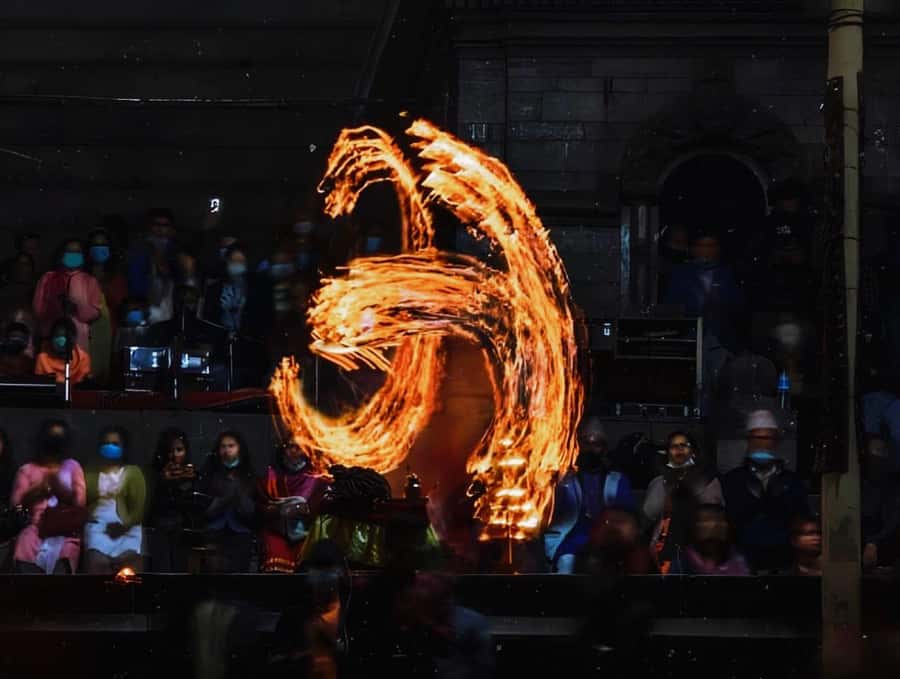
- Evening Pashupatinath aarti with priests, chanting, and flickering oil lamps
- Open-air cremation views during the evening ritual time
- Local English guidance that helps you understand what you’re seeing
- UNESCO site access at Kathmandu’s most revered Hindu temple area
- Private hotel-to-temple transport for an easier night schedule
- Practical guidance for respectful viewing (dress code, where to stand, how to act)
What makes Pashupatinath’s night ritual so powerful on the Bagmati River
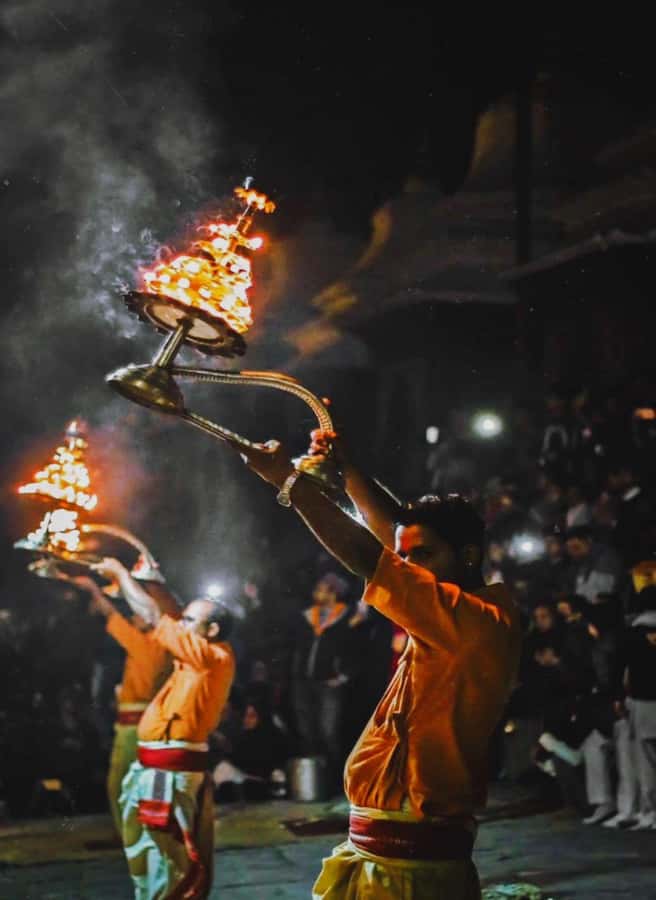
Pashupatinath Temple is famous for a reason, but the night version is its own category. As dusk settles, the temple area shifts from daylight sightseeing to something closer to a living ceremony: glowing diyas (oil lamps), incense in the air, and a rhythm you can feel in your chest.
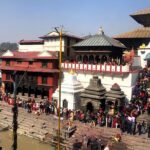
The setting matters. The temple sits on the Bagmati River, so the whole experience is tied to water, fire, and ritual space. You’re not just watching from behind glass. You’re in the same broad environment where Hindu worship and funeral rites unfold.
If you’re into spiritual travel that feels real—not staged—this is the kind of evening you remember for years. And if you’re a culture fan, you’ll likely appreciate how the tour focuses on meaning: the temple’s religious importance, its legends, and the daily practice that keeps the site active.
You can also read our reviews of more evening experiences in Kathmandu


Private transport plus an English-speaking guide: why it changes the whole experience
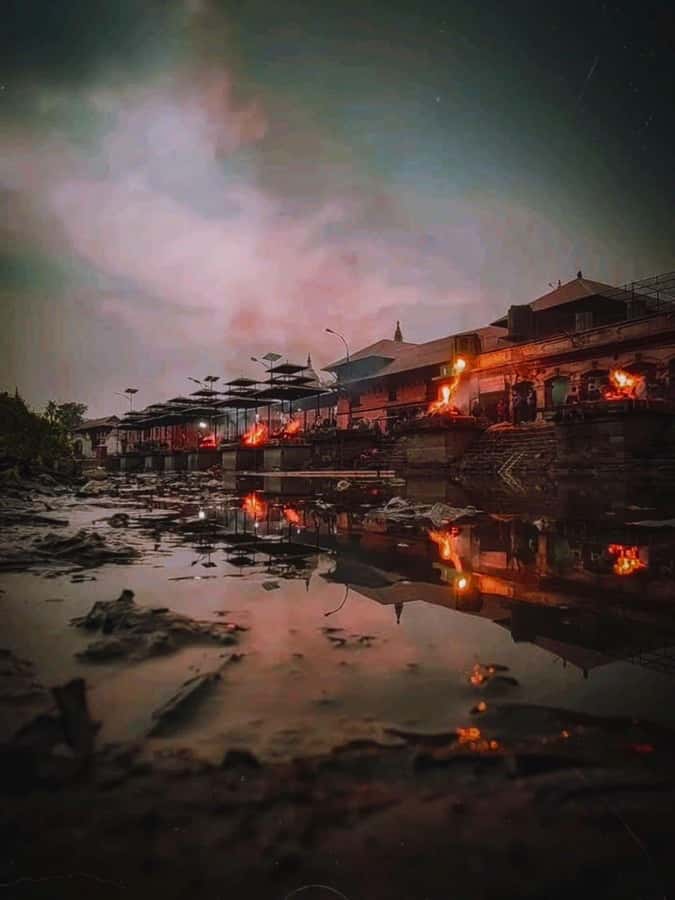
Kathmandu traffic and timing can be stressful at the best of times, and at night it can get even more annoying. That’s why I’m grateful for the private round-trip transport. You’re not piecing together routes or negotiating with strangers while you’re already excited (and slightly nervous) about what you’ll see.
Your guide is English-speaking and helps you make sense of the site as you move. They also handle the practical part of coordination: rather than you wandering around hoping you picked the right gate, the guide contacts you after arrival via Nepali phone number or WhatsApp. If you need a minute, you can wait near the main gate until you connect.
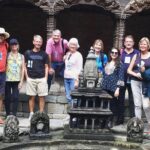
In one review, the guide was praised for the kind of support that makes respect easier. If Santosh-style guidance is what you get, you’ll probably find yourself knowing what to do—how to position yourself, how to behave, and what details to pay attention to—without feeling clueless.
The evening plan at the temple: aarti lights, chants, and close-up viewing
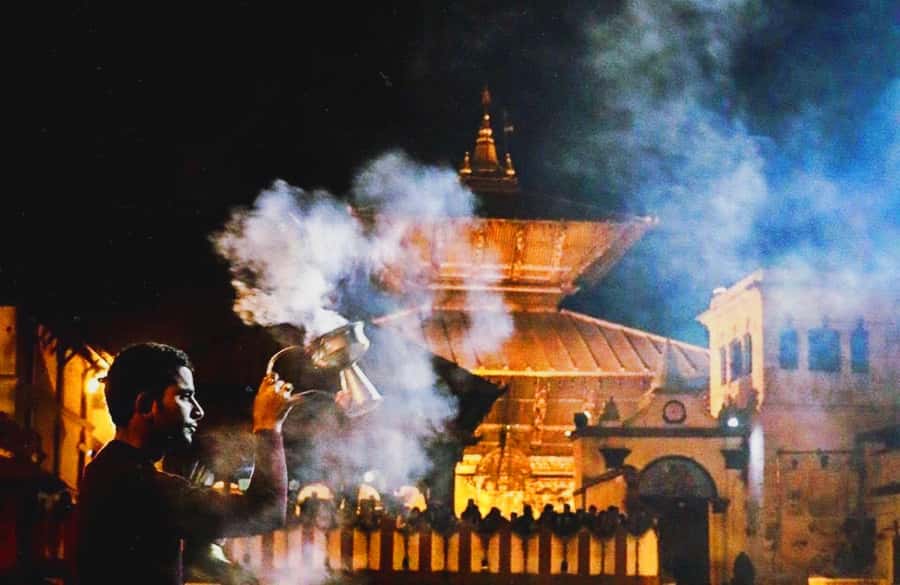
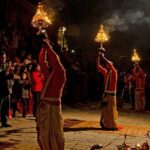
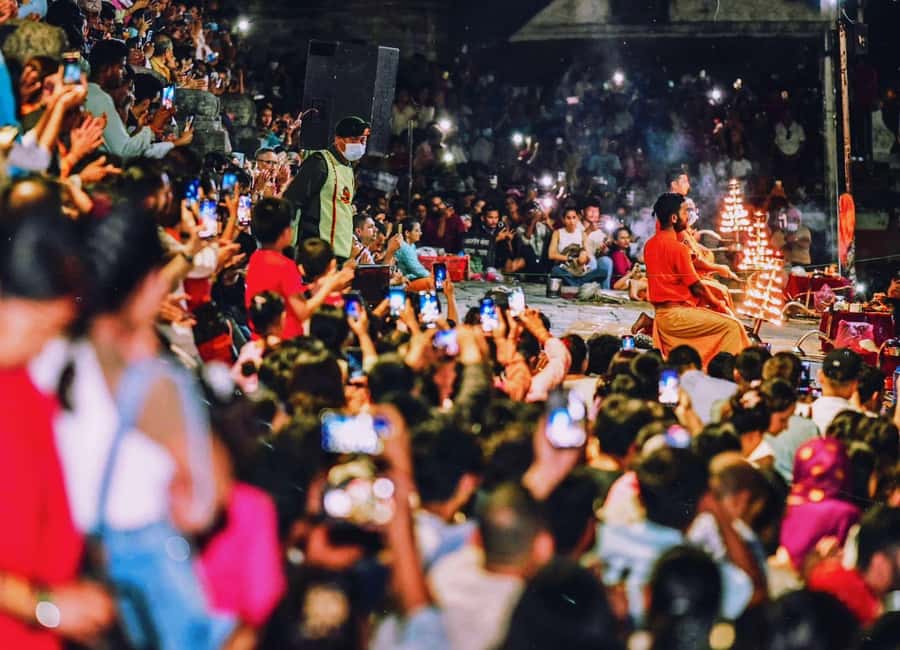
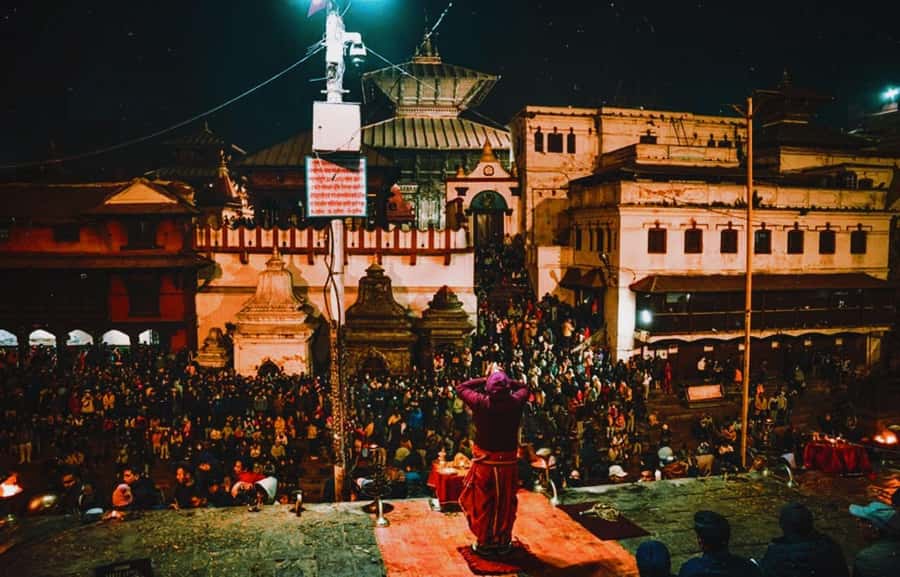
The centerpiece is the Pashupatinath Temple Aarti in the evening/night. This is when the temple comes alive with flickering lamps, chanting priests, and the kind of atmosphere that makes ordinary photos hard to take—because your eyes keep drifting back to the ritual.
What you can expect during the aarti portion:
- priests performing the ritual as chants carry through the space
- diyas (oil lamps) and incense that create a warm, smoky glow
- a sense of order and tradition in how people gather and watch
This is also where timing matters. The experience is built for evening hours, so you’ll want to be ready to move when the lights and chanting are happening. If you arrive late, you’ll miss some of the best moments.
You’ll also spend time exploring the temple area with your guide. Expect to get explanations about the golden roof, intricate carvings, and silver doors, plus stories about why this shrine is such a major pilgrimage site. That context turns what could be a quick photo stop into a meaningful visit.
Open-air cremation: how to watch with respect and emotional honesty
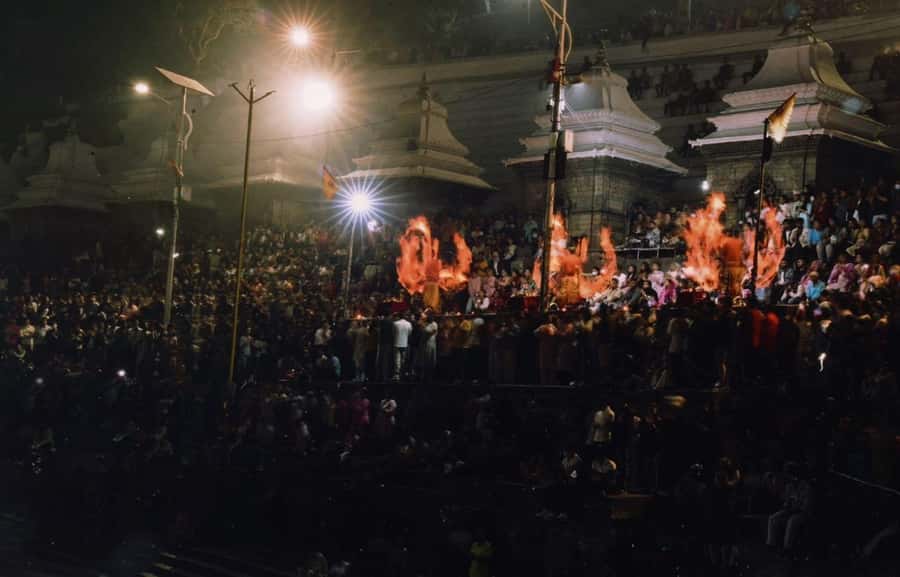
The tour includes a view of open-air human cremation in the evening. This is the part that makes the experience unforgettable, and also the part you should think about carefully before booking.
Here’s how to approach it so you can observe with respect:
- Keep your posture and movement calm. Don’t block people who need to get closer to the ritual space.
- Be prepared for a strong emotional atmosphere. Even if you’re curious, the reality can hit harder than expected.
- Understand that this is not entertainment. It’s a religious rite, happening with serious purpose.
The good news: the tour includes a guide, and the guide’s job is partly to help you do the right thing at the right time. In a review, Santosh was specifically praised for guidance that helped the group respect other cultures. That kind of support is valuable here, because it keeps your curiosity from turning into clueless interference.
If you know you struggle with death rituals, consider skipping this and choosing a more standard temple visit. But if you can handle it and you want to understand Hindu practice in a direct way, this is one of Kathmandu’s most powerful encounters.
UNESCO temple sights: architecture, legends, and daily practice
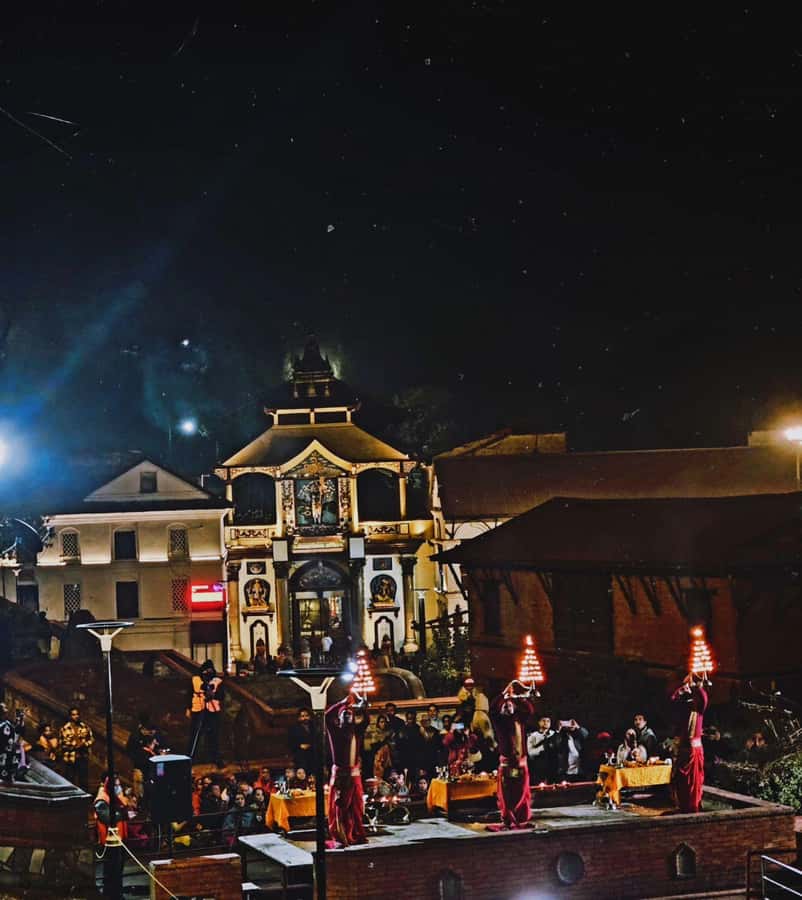
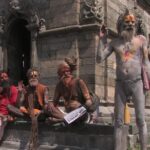
Beyond the rituals, you’ll explore the temple area as a UNESCO-recognized sacred site. In plain terms: this place is significant not just because it’s old, but because it stays important to people today.
Your guide helps connect what you see to why it matters. That means you’re more likely to notice details like carvings and doors instead of just aiming your camera and moving on. You’ll also hear about religious importance and the temple’s place in the broader tradition.
One of the best parts of a guided visit is the order of information. Without that, Pashupatinath can feel like a lot of people, incense, and stone structures. With a guide, it becomes a coherent story: architecture tied to worship, worship tied to community, and community tied to daily practice by the river.



Price and logistics: is $43 good value for a private night tour?
At $43 per person, the price looks like a bargain for a nighttime private experience—especially because it includes the things that normally cost extra in cities.
What’s included:
- private round-trip transportation from your hotel
- professional English-speaking guide
- entrance fees to Pashupatinath Temple
- bottled water
What’s not included:
- personal expenses like souvenirs or extra snacks
- meals (dinner can be arranged upon request)
Here’s how I think about value. A private night guide plus entrance access plus hotel transfer is typically where costs add up fast. Since this includes all of that, $43 feels fair—particularly if you’re traveling as a couple or small group and you’d otherwise pay for separate taxis plus a guide.
If you’re solo, it can still be worth it because private transport reduces the hassle factor. And since the main action happens in evening/night, getting there smoothly matters more than it does for daytime sights.
What to bring and what to avoid at Pashupatinath after dark
Evening at Pashupatinath can be chilly, and you’ll likely stand and walk more than you expect. Your best bet is comfort plus respect.
Bring:
- comfortable shoes (you’ll want stable footing)
- warm clothing (a light jacket is smart)
- a camera (but see the flash rules below)
Dress code:
- modest clothing that covers shoulders and knees
Avoid:
- smoking
- flash photography
Wheelchair access is limited due to the ancient structure of the temple, and the experience is not suitable for wheelchair users or people with mobility impairments. If that’s you, you’ll want to choose a different format in Kathmandu that doesn’t require navigating older areas with limited access.
Door-to-door flow: how the meeting point works in real life
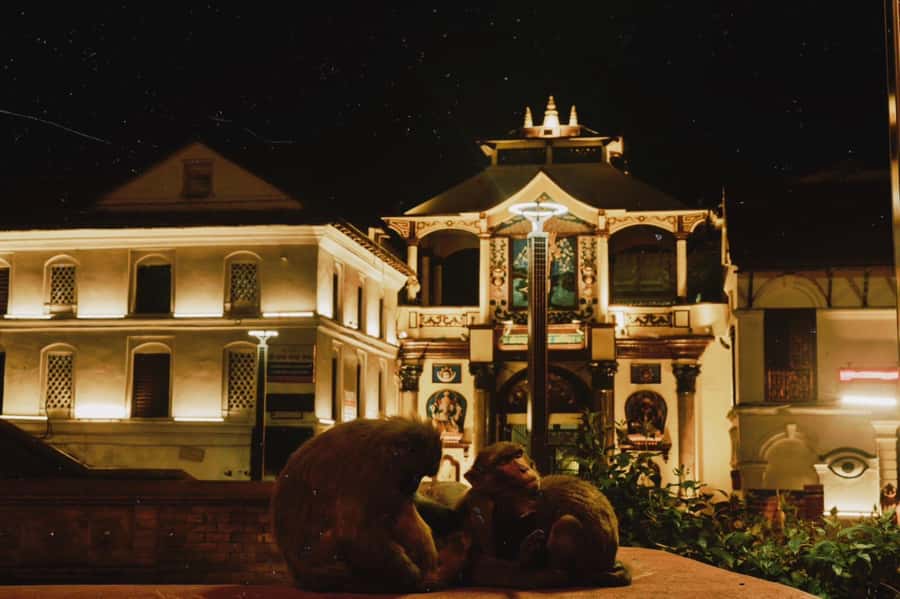
The tour is designed to be low-stress about meeting you in a big public area.
Start: once you arrive at Pashupatinath Temple, your guide contacts you using your Nepali phone number or WhatsApp. If you’re unsure where to wait, you can stand near the main gate until you connect. The guide may also provide directions in advance.
End: the activity finishes back at the meeting point.
That round-trip approach is exactly what I want for night tours. You don’t end up trying to figure out how to get back while the adrenaline is still high from the ceremony.
Who this tour fits best (and who should skip it)
This experience is best for:
- people who want Kathmandu culture through living religious practice
- spiritual or cultural travelers who value a guide’s context
- visitors who can handle serious, solemn rituals with respect
It’s not a great match for:
- anyone who can’t emotionally handle open-air cremation views
- people with mobility limitations or wheelchair users, because access is limited
If you’re the type who likes temples but also wants to understand the day-to-day meaning behind them, this hits the sweet spot. If your goal is mostly sightseeing photos and a light evening out, you’ll probably find it too intense.
Should you book the Kathmandu Pashupatinath night aarti and cremation tour?
I’d book this if you want an evening in Kathmandu that feels specific, local, and real—not just another checkmark. The combination of private transport, an English-speaking guide, and the focus on both aarti and cremation makes it a strong value for $43. Plus, the guidance quality matters here, and the praise for Santosh is a good sign that the tour helps you show respect while you watch.
I’d hesitate if you’re sensitive to death rituals, or if you’re looking for an easy, comfortable night with minimal emotional intensity. This is powerful. That power can feel amazing—or heavy—depending on your personal limits.
If you do go, follow the dress code, skip flash, and keep your focus on respectful observation. That’s how you get the full meaning of the night.
FAQ
What is included in the Kathmandu Pashupatinath night tour?
The tour includes private round-trip transportation, a professional English-speaking guide, entrance fees to Pashupatinath Temple, and bottled water.
Do I need to dress a certain way for Pashupatinath?
Yes. You’ll need modest clothing that covers your shoulders and knees out of respect for the sacred space.
Is flash photography allowed during the tour?
No. Flash photography is not allowed.
Where will I meet the guide at the start of the tour?
After you arrive at Pashupatinath Temple, the guide will contact you via your Nepali phone number or WhatsApp. You can wait near the main gate if needed.
Is smoking allowed?
No. Smoking is not allowed.
Is the tour wheelchair accessible?
Wheelchair access is limited due to the ancient structure of the temple, and the tour is not suitable for wheelchair users.
Can I get a refund if I cancel?
Yes. You can cancel up to 24 hours in advance for a full refund.