REVIEW · KATHMANDU
Bhaktapur & Nagarkot Day Tour with Lunch – Private/Group
Book on GetYourGuide →Operated by Luxury Holidays Nepal · Bookable on GetYourGuide
Temple alleys and Himalayan air, all in six hours. I like how this tour pairs Bhaktapur Durbar Square with Nagarkot’s big mountain viewpoints, so you get culture and scenery without a whole day of travel. I also like the practical comfort: an air-conditioned electric vehicle with hotel pickup and an easy lunch to keep the day moving.
One consideration: your Nagarkot view depends on weather, and the Bhaktapur monument entrance fee is extra.
In This Review
- Key things I’d zero in on
- Why this Bhaktapur–Nagarkot pairing is a smart half-day plan
- Getting to Bhaktapur: the first taste of old Nepal
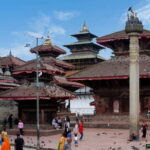
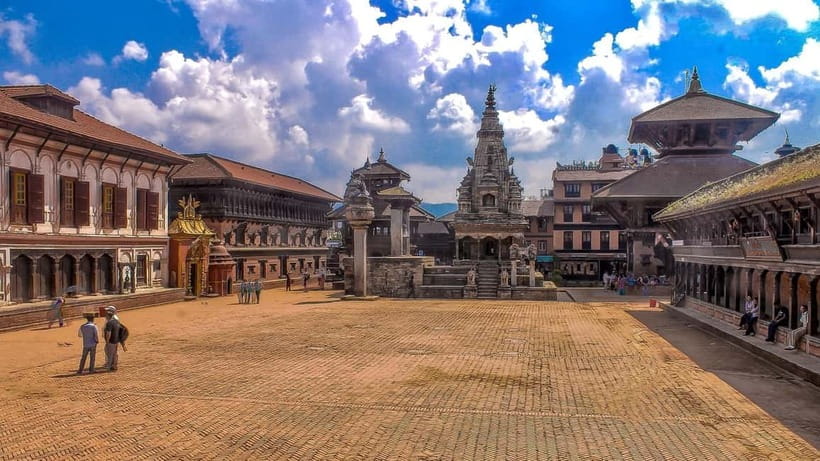
- Bhaktapur Durbar Square: temples, royal courtyards, and the 55-Window Palace
- Pottery Square and hands-on Newari craft you can watch in motion
- The drive to Nagarkot: trading stone steps for mountain air
- Nagarkot View Tower: how to plan for Everest, Langtang, and cloud cover
- Electric ride comfort: why it matters more than you think
- Lunch box and the small details that keep you satisfied
- Price and value: $5 plus the Bhaktapur entrance fee
- Who this day tour suits best (and who should think twice)
- Should you book this tour?
- FAQ
- Where does the tour pick you up in Kathmandu?
- How long is the tour?
- What’s included in the lunch?
- Do I need to pay any entrance fees?
- What kind of transport do you use?
- What should I bring for the day?
Key things I’d zero in on
- UNESCO Bhaktapur Durbar Square: a dense run of temples, courtyards, and royal-era architecture
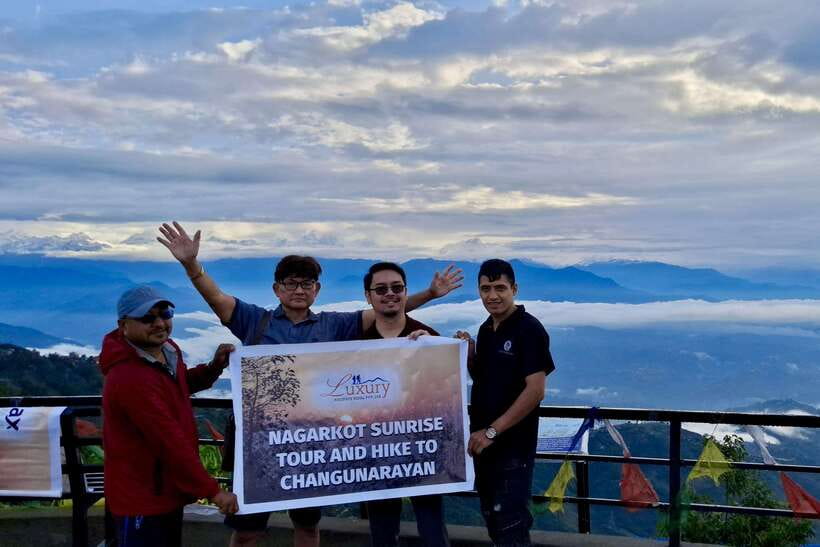
- Nagarkot View Tower: the classic spot for wide Himalayan views, when the sky cooperates
- Electric transport with A/C: smoother, more comfortable driving than you’d expect on this route
- Light lunch box: bottled water plus snacks, so you’re not hunting for food mid-day
- Guide flexibility: your guide can usually work around your pace, interests, and small detours
Why this Bhaktapur–Nagarkot pairing is a smart half-day plan
This is one of those Kathmandu-area day trips that actually feels efficient. Bhaktapur gives you hands-on culture right away, while Nagarkot shifts the mood from alleys and temples to open-air mountain views. You’re not just ticking boxes; you’re switching gears from carved stone and ritual spaces to the wide horizon.
I like that the timing is built around a calm day rhythm. The total time is about 5 to 6 hours including travel, and the tour is designed so you still have energy for photos and a relaxed walk at Nagarkot (sunset or sunrise depending on the schedule). If you only have limited time in Kathmandu, this is a very realistic way to get two of Nepal’s most memorable experiences in one go.
The other practical win is transport. You ride in an air-conditioned electric car or shared vehicle, and that matters on winding roads and traffic days. Add pickup inside the Kathmandu Valley, and you spend less of your day coordinating taxis.
You can also read our reviews of more private tours in Kathmandu
Getting to Bhaktapur: the first taste of old Nepal
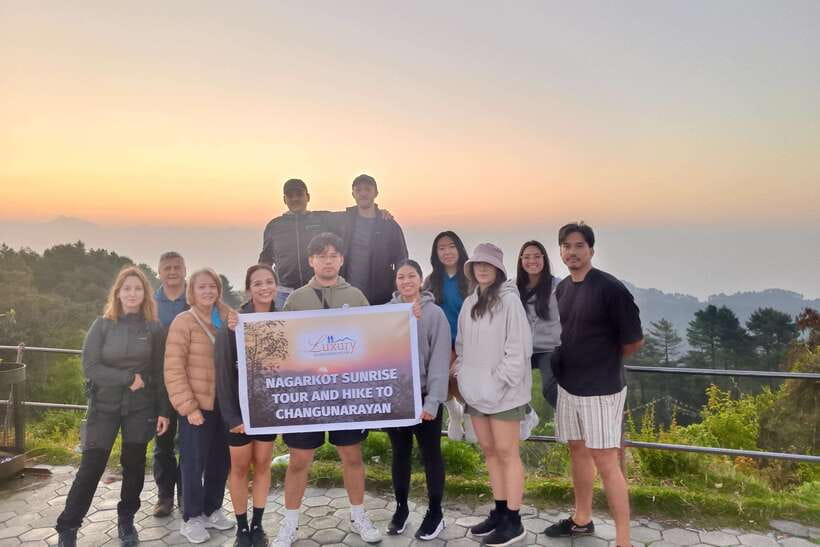
Your day starts with hotel pickup in Kathmandu (common pickup is around Thamel, and other Kathmandu Valley locations are included). From there, you head toward Bhaktapur Durbar Square, one of the best-preserved medieval city centers in the region.
What makes the transfer worthwhile is what it sets up. As you leave the city, the drive helps you shift from modern Kathmandu pace to the slower rhythms Bhaktapur is known for. When you arrive, the change feels immediate: narrow lanes, stone steps, and courtyard activity that looks like it belongs to another century.
If you like taking photos, you’ll appreciate how Bhaktapur’s street layout invites quick stops. You don’t need to sprint from one monument to the next, and your guide can help you aim for viewpoints that show the structure clearly.
Bhaktapur Durbar Square: temples, royal courtyards, and the 55-Window Palace
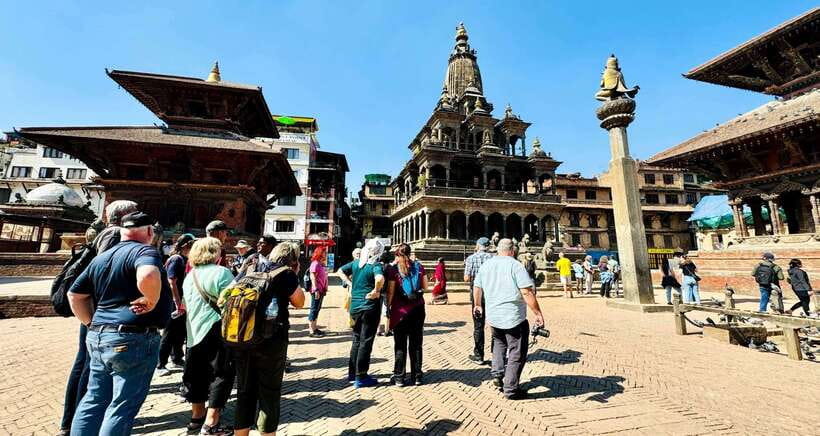
This stop is the heart of the cultural side of the day. You’ll spend about 1.5 hours exploring Bhaktapur Durbar Square with a guide who helps you see beyond the postcard view.
The big names you’ll likely cover include:
- 55-Window Palace
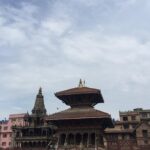
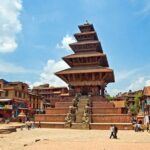
- Nyatapola Temple
- Golden Gate
- Dattatreya Square
- Pottery Square
Here’s what makes each part special in real life. Bhaktapur Durbar Square isn’t one single monument—it’s a compact city-stage. Temples rise above courtyards. Gates frame views into inner spaces. The palace area gives you a sense of power and design, with the famous window pattern standing out as soon as you spot it.
Nyatapola Temple is also the kind of place where a guide makes a difference. Without context, it’s just a tall temple you photographed. With context, it becomes easier to understand the style and the religious importance of the site, which helps you appreciate why locals treat these buildings as living landmarks rather than museum pieces.
Plan for moderate walking. The stone surfaces and uneven areas can be a little slow going, especially if you’re not used to stepping carefully on old city paths.
Pottery Square and hands-on Newari craft you can watch in motion
Pottery Square is one of those stops that changes your understanding of Bhaktapur. This isn’t only about architecture; it’s about craft. You’ll see artisans working clay by hand, and it gives the day a human texture.
What I like about this kind of craft stop is that it gives you something to focus on even if it’s busy. You don’t need the perfect lighting to enjoy it. You can watch the process, spot tools and techniques, and get a better feel for how the city’s traditions continue day to day.
Also, if you’re a shopper, this is often where purchases make sense. One of the most useful things a guide can do in Bhaktapur is help you negotiate calmly and reasonably, especially if you’re trying to buy directly from local stalls.
If your guide is strong, you’ll leave Bhaktapur with more than photos. You’ll have a sense of why the details matter: the layout of courtyards, the purpose of gates and squares, and the ongoing role of traditional work in daily life.
The drive to Nagarkot: trading stone steps for mountain air
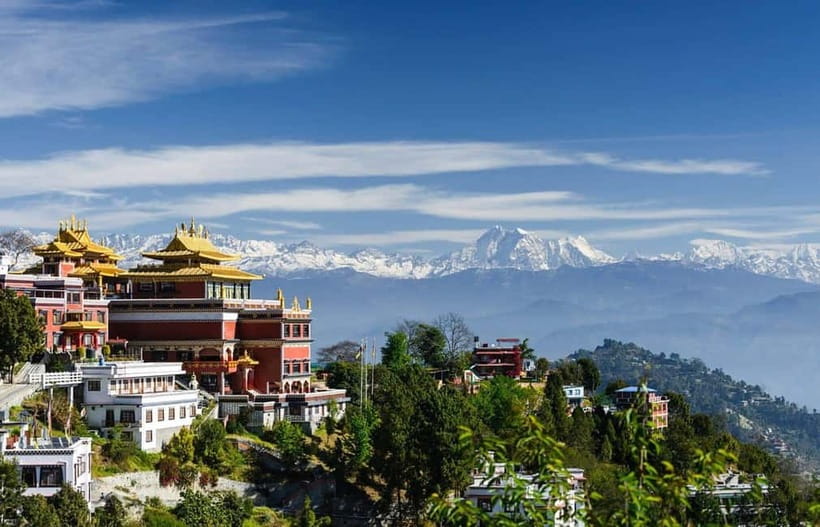
After Bhaktapur, you switch back to road time. The transfer to Nagarkot is scenic, and the vibe changes fast—less tight alley, more open hills.
You’ll head up to around 2,175 meters above sea level, where the air feels lighter and the views start to appear. Nagarkot works best when you treat it like a viewpoint day, not a sightseeing sprint.
One tip: bring your patience for road curves. Some routes have winding sections, and a safe, experienced driver really matters. You’ll notice the difference when the car stays smooth and controlled instead of jerky and tense.
You can also read our reviews of more tours and experiences in Kathmandu


Nagarkot View Tower: how to plan for Everest, Langtang, and cloud cover
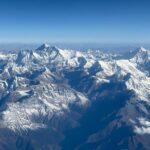
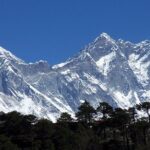
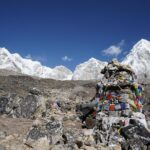
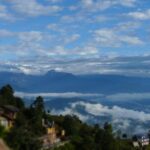
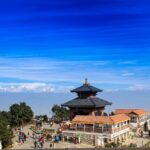
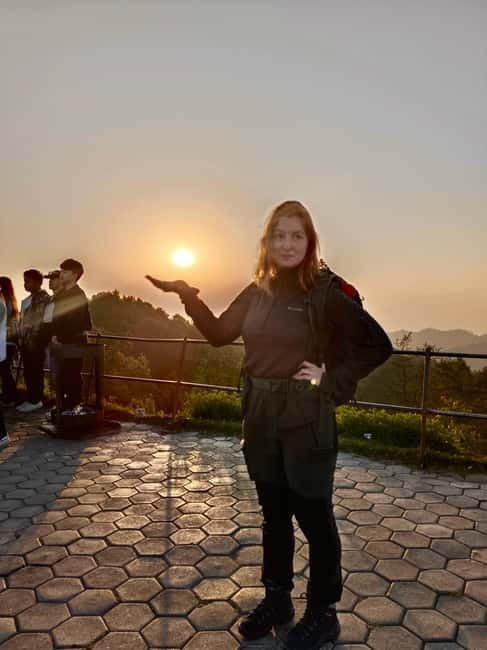
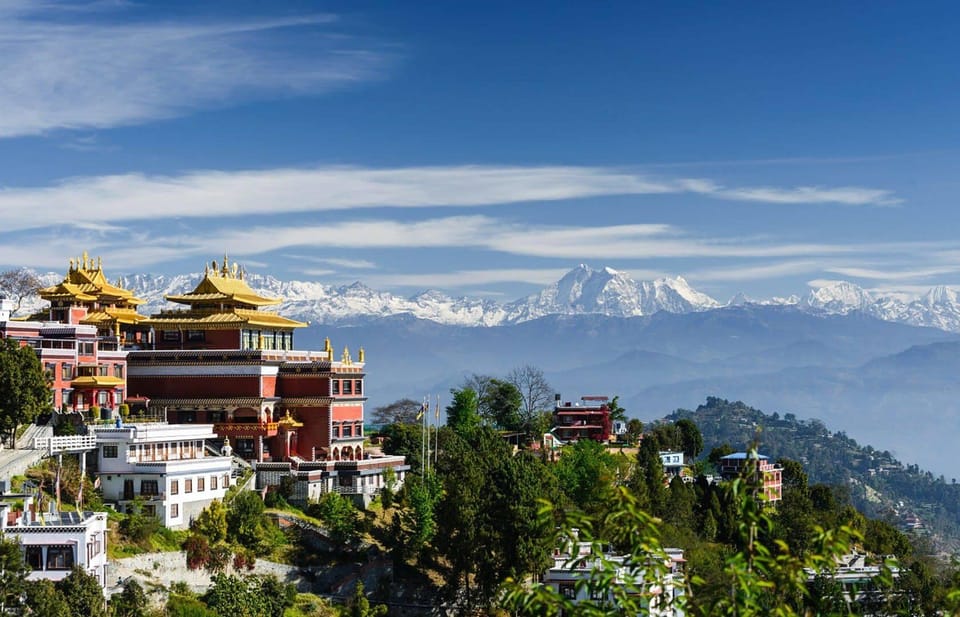
Nagarkot’s main payoff is simple: panoramic views of the Himalayas, including the possibility of seeing Mount Everest, plus ranges like Langtang and Ganesh Himal on clear days. The tour includes a visit to the Nagarkot View Tower, where you’ll have time to walk and take in the horizon.
The reality check is weather. Clouds are common, and even when they roll in, Nagarkot can still feel calm and photogenic. On cloudy days, you might not see Everest, but you can still enjoy the viewpoint atmosphere and the mountain-town stillness.
This is where your guide’s role becomes practical. When visibility is low, I’d expect the guide to reframe the day: point out what you can see, help you spot the range lines you can make out, and keep your photo stops productive. Guides on this route have also helped people cope with winding-road discomfort along the way, with quick actions like opening windows and stopping if needed.
If you’re booking for sunrise or sunset moments, you’ll want to pack for temperature swings. A jacket is smart, and an umbrella doesn’t hurt if weather looks moody.
Electric ride comfort: why it matters more than you think
A lot of day tours claim comfort. This one actually gives you the basics: air-conditioned electric transport, plus hotel pickup and drop-off in the Kathmandu Valley.
Electric vehicles aren’t just a feel-good detail. On a route with hills and traffic, A/C and smooth driving reduce fatigue. That means you arrive at Bhaktapur with enough energy to walk the courtyards and still enjoy Nagarkot without feeling spent.
The tour can run as:
- a private electric vehicle, or
- a shared tourist coach depending on the option you choose.
If you’re the type who hates tight group timing, private is usually the better call. If you want to meet people and keep costs down, the shared option can work well.
Either way, start times can differ between private and group schedules, so match the option to your plan. If you’re trying to align the day with a view window, don’t pick the wrong time slot and then hope the mountains will cooperate.
Lunch box and the small details that keep you satisfied
Lunch here is a light lunch box, not a long restaurant stop. It includes 500ml bottled water, a muffin, donut, banana, seasonal fruit, and juice. That’s a classic “keep moving” setup.
I like this approach for two reasons. First, it prevents the common day-trip problem where you lose an hour to a sit-down meal in an unfamiliar place. Second, it’s enough to steady your energy so you don’t get snack-cranky while walking Bhaktapur and then looking for the right angle at Nagarkot.
If you know you eat big, you might still want extra snacks of your own. But if you’re fine with light fuel and you’ll eat a proper meal later in Kathmandu, this lunch is a good match for the pacing.
Price and value: $5 plus the Bhaktapur entrance fee
The base price listed is very low at $5 per person, and on paper, you’re getting a lot for that money: hotel pickup/drop-off, an English-speaking guide, electric transport, and that light lunch box. The practical value comes from bundling the logistics that normally eat up time and energy in Kathmandu.
But there’s one cost you must plan for: monument entrance fees are not included for Bhaktapur Durbar Square. You’ll pay on-site in local currency—listed as NPR 2000 per person. If you’re budgeting tightly, factor that in so you’re not surprised when you arrive.
Also note what isn’t included: personal expenses and anything outside the basic tour plan. The upside is that most of the day is covered, especially the parts that can be hard to organize solo: timing, route order, and guiding you through what you’re seeing.
In short: this price can be a steal if you’re set on Bhaktapur + Nagarkot and you like a guide-led day. If you only care about one of the two, you might prefer a simpler single-destination plan to avoid time trade-offs.
Who this day tour suits best (and who should think twice)
This tour is a strong fit if you want:
- a half-day escape from Kathmandu with real cultural content
- a serious viewpoint stop at Nagarkot
- easy transport in an electric A/C vehicle
- a guide to help you read Bhaktapur’s temples and courtyards
It’s also a good match for first-time visitors who don’t want to spend half the day figuring out where to go and what to look for.
Who should think twice? If you’re chasing a guaranteed Everest sighting, no plan can promise clear skies. Nagarkot can disappoint on foggy or cloudy days. Also, if you dislike walking on uneven stone, the Bhaktapur portion may feel slow.
Should you book this tour?
If your goal is to see Bhaktapur’s Durbar Square and then enjoy Nagarkot’s Himalayan views without turning the day into a logistics project, I’d book it. The combination of guided city exploration, electric transport, and an included light lunch makes it a very efficient use of time.
I’d book especially confidently if you’re flexible about weather. Even when the Everest view doesn’t happen, the day still gives you something: mountain air, calm viewpoints, and a well-structured cultural stop.
Skip it only if you want a long sit-down meal day, you hate moderate walking, or you’re fixed on only one perfect viewpoint moment. If you can handle the mountain weather lottery, this is a strong value way to experience two standout places close to Kathmandu.
FAQ
Where does the tour pick you up in Kathmandu?
Pickup is included within Kathmandu Valley, with one common pickup option listed as Thamel.
How long is the tour?
The duration is about 6 hours, including travel time.
What’s included in the lunch?
You get a light lunch box with 500ml bottled water, a muffin, donut, banana, seasonal fruit, and juice.
Do I need to pay any entrance fees?
Yes. Monument entrance fees for Bhaktapur Durbar Square are not included. The fee is listed as NPR 2000 per person, paid on-site in local currency.
What kind of transport do you use?
You travel in an air-conditioned electric private vehicle or a shared tourist coach, depending on the option you choose.
What should I bring for the day?
Bring a camera. It’s also smart to have a jacket or umbrella since the tour runs in all weather conditions.