REVIEW · KATHMANDU
Sound Bath (Sound Healing Session Every Evening) in Nepal
Book on Viator →Operated by Golden Temple Singing Bowls Sound Healing Center · Bookable on Viator
One hour of silence, made sonic. In Kathmandu, this evening Sound Bath turns singing bowls into a focused, 4:00–5:00 pm ritual that’s easy to slot into a sightseeing day. It’s held at the Golden Temple Singing Bowls and Healing Center in Kawalakhu.
What I like most is the way the session is led: you’ll learn about the bowls, including their frequencies and what they’re said to be good for. I also like the pacing—about one hour—so you get a real wind-down without feeling like you’ve committed your whole evening.
One thing to keep in mind: you may run into street hawkers right at the doorway area, and that can feel intimidating if you’re sensitive to hassle.
In This Review
- Key things to know before you go
- A One-Hour Sound Reset in Kawalakhu (Kathmandu Valley Timing)
- The Golden Temple Singing Bowls Center: Where You Meet and What the Arrival Feels Like
- What Happens During the Sound Bath: Bowls, Frequencies, and a Guided Calm
- Your Therapist and the Human Touch: Buddha and Swami Chaitanya Krishna
- Duration and Pace: Why One Hour Often Wins in Kathmandu
- Price and Value: Is $35.90 for a Sound Bath Worth It?
- Street Noise vs. Inner Quiet: The Main Drawback to Watch
- How to Fit It Into Your Kathmandu Day Without Wasting Time
- Who This Sound Bath Is For (and Who Should Skip It)
- Should You Book This Kathmandu Sound Bath?
- FAQ
- How long is the Sound Bath session?
- What time does the Sound Bath run each evening in Kathmandu?
- Where do I meet for the session?
- Is this activity private?
- Do I receive a mobile ticket?
- Is there free cancellation?
Key things to know before you go
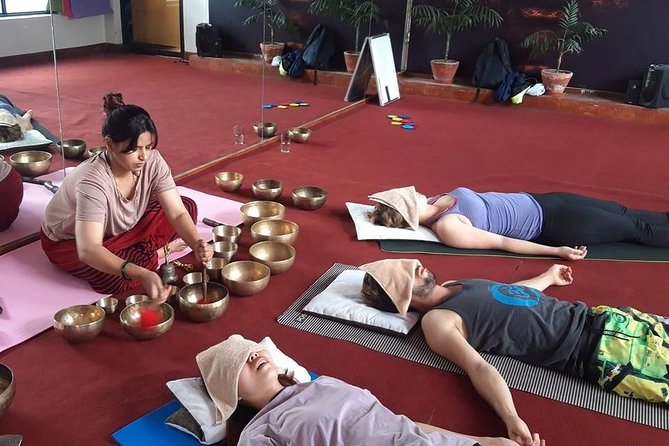
- Evenings only (4:00–5:00 pm), so it’s built for a post-sightseeing reset
- You’ll get an explanation, not just a sit-and-hope experience
- Private by default, meaning only your group participates
- Start time on-site is listed around 4:15 pm, so plan to arrive a bit early
- Most travelers can participate, with no stated special requirements
A One-Hour Sound Reset in Kawalakhu (Kathmandu Valley Timing)
If your Kathmandu plan includes temples, traffic, and too many pushy “yes, driver” conversations, this is the kind of activity you’ll genuinely appreciate. The sound bath runs every evening from 4:00 pm to 5:00 pm, and it’s designed as a slow landing after a busy day.
The center is easy to find because it’s right at the Golden Temple Singing Bowls and Healing Center in Kawalakhu. The session is also listed with a practical start time of 4:15 pm, which suggests a short buffer for settling in before the full hour begins. That matters in Kathmandu, where “start on time” can be… optimistic. Give yourself a little margin and you’ll feel less rushed.
This is also a good choice if you’re not looking for a performance. A sound bath is quiet work. You’re not there to be entertained; you’re there to let the bowls do the talking. The value is in that one-hour break—simple, repeatable, and built into the day instead of fighting it.
You can also read our reviews of more evening experiences in Kathmandu

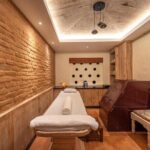

The Golden Temple Singing Bowls Center: Where You Meet and What the Arrival Feels Like
Your meeting point is the Golden Temple Singing Bowls and Healing Center in Lalitpur area (listed as Lalitpur 44600, Nepal). The good news: it’s described as being easy to locate at the center itself, and it’s also noted as near public transportation.
Now for the reality check. One of the clearest negatives in the experience details is that the doorway and the immediate entrance area can attract intense street-hawker attention. If you’re the type who gets rattled by persistent chatting or pressured sales pitches, this is the part to take seriously. Go in with a calm mindset, keep your timing tight, and don’t let the first few minutes set the mood for the whole session.
If you’re traveling with someone who enjoys people-watching, you may find the scene manageable. But if you’re hoping for a peaceful arrival from the moment you turn the corner, you might want to mentally prepare for that street friction.
What Happens During the Sound Bath: Bowls, Frequencies, and a Guided Calm
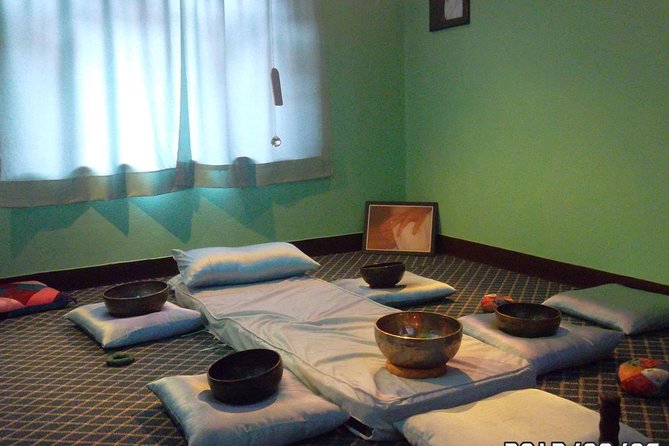
This is a one-hour sound healing session called a Sound Bath, focused on singing bowls made by local artisans. The session doesn’t just play sounds and call it a day. You’re guided through what you’re hearing, including singing bowl frequencies and their individual properties.
That matters more than it sounds. If you know even a little about what a sound bath claims to do, you’re more likely to stay relaxed instead of mentally fighting the experience. You’ll get context that turns the session from vague noise into a structured ritual. Whether you interpret the effects spiritually or physically, the explanation gives you something to hold onto.
Many sessions like this are taught as “healing with vibration.” In Kathmandu’s version, the center frames it as stress reduction and soothing physical pain through the frequencies produced by the specially crafted bowls. You’ll also get a sensory experience that’s meant to recharge your mental and physical state—exactly the kind of “body and mind reset” that works when your day has been all head-down movement.
Depending on the therapist’s approach, you might also see more active work with the bowls. In the feedback, there’s a strong note that one guide (listed as Buddha) used bowl techniques in a more hands-on way, including what was described like physical therapy along with sound therapy. Just remember: that level of hands-on care isn’t guaranteed based on the provided details—it’s best treated as a bonus if it happens.
Your Therapist and the Human Touch: Buddha and Swami Chaitanya Krishna
A big theme in the session details is that the people running it are friendly and careful. The experience information highlights a welcoming approach, plus an ability to explain things clearly.
The guide name Buddha comes up in the feedback as someone who was both perfect and skillful, combining physical-therapy-style bowl work with sound healing. Another name that appears is Swami Chaitanya Krishna, who is associated with participants describing the session as mind-opening, balancing, and helping with pain or perceived blockages.
Why mention names? Because this kind of healing session is personal, and comfort matters. You’re more likely to relax when the guide feels present and respectful, not distant or rushed. The session is also described as generous with time in one of the comments, with staff helping arrange a taxi afterward—small service touches that add up when you’re tired from sightseeing.
If you’re hoping for a calm, human-led experience (not a scripted tour), this center clearly aims for that.
Duration and Pace: Why One Hour Often Wins in Kathmandu
In Kathmandu, planning is everything. You can easily end up with long gaps, late starts, or activities that eat the evening and leave you drained.
That’s why I like the one-hour structure. It’s short enough to feel doable on an arrival day or a heavy temple day, but long enough that the sound bath has time to settle you. It’s also held every evening, so you’re not guessing which day it’s running.
The pace is also meant to be “blissful,” based on how the session is described. While you shouldn’t expect a medical result in the strict sense, the underlying goal is clear: lower stress, soothe discomfort, and leave you with a steadier feeling as you head back to your hotel.



Price and Value: Is $35.90 for a Sound Bath Worth It?
The price is listed as $35.90 per person. That’s not a bargain-basement price for Kathmandu. But for a private, structured one-hour healing session with an explanation component, it can be good value—especially if you’ve been feeling mentally overloaded.
Here’s how to judge it fairly:
- You’re paying for a guided experience, not just entry into a room.
- The session runs on a predictable evening schedule, which reduces “wasted time” risk.
- It’s private by default—only your group participates—so you’re not stuck waiting while strangers arrive late.
If you’re someone who likes calm, sensory experiences, and you can afford one paid “reset” during your trip, this price can make sense. If you’re purely chasing the lowest cost activities, you may prefer cheaper options. But if you want a structured wind-down that feels intentional, $35.90 is easier to justify.
Street Noise vs. Inner Quiet: The Main Drawback to Watch
Let’s talk about the biggest friction point in the experience details: hawkers near the doorway.
This matters because a sound bath depends on relaxation. If you arrive to intense attention from sellers or persistent voices, your body can stay on alert. That doesn’t ruin the session automatically, but it can delay the moment when you finally settle.
My practical advice: arrive a little earlier than the strict start time you see online. You want a quiet buffer before you begin. And if you sense you’re getting pulled into conversation, keep your response short and move forward. You’re not being rude—you’re protecting the calm you came for.
This drawback is the main reason I’d steer the experience toward travelers who can handle minor street hassle without spiraling.
How to Fit It Into Your Kathmandu Day Without Wasting Time
A sound bath is best when it follows something that’s tiring, not when you’re already mentally wired from a late meal or nightlife.
Because the session runs 4:00–5:00 pm, you can use it as your “endcap” activity. For example, after temple time and walking time, come back, slow down, and let the bowls reset you before dinner.
Also, the center ends back at the meeting point, so you’re not dealing with a long transfer afterward. In at least one feedback note, the team even helped sort a return taxi, which is exactly what you want when your energy is low and you don’t want to negotiate transport right after.
If you plan to go back out immediately after the session, pick somewhere close. The whole point is that you leave calmer, not rushing to solve more problems.
Who This Sound Bath Is For (and Who Should Skip It)
You’ll probably love this experience if you want:
- a short, evening-friendly calming activity in Kathmandu
- a session that includes an explanation of frequencies and bowl properties
- a guided, private setting with a welcoming team
- something you can schedule consistently (it runs every evening)
You should consider skipping it if:
- you’re strongly bothered by street-hawker attention near entrances
- you want a guaranteed hands-on physical therapy component (the more active work seems to depend on the guide’s approach)
- you need a “must-see” attraction for variety rather than a reset activity
This is ideal for couples, solo travelers who want quiet, and anyone who feels overloaded by sightseeing pace.
Should You Book This Kathmandu Sound Bath?
Yes, if you’re looking for a one-hour evening reset with real structure. The guided explanation of bowl frequencies, the consistent daily timing, and the private-by-your-group setup make it easier to justify than vague wellness add-ons. The strongest praise points also line up with what you’re hoping for: friendly leadership, a relaxing atmosphere, and participants leaving feeling refreshed or rebalanced.
But book with eyes open: plan your arrival to minimize doorway stress. If street hassle tends to throw off your mood, give yourself extra time and keep your focus on entering smoothly.
If you want a calm, authentic-feeling moment in Kathmandu that doesn’t require planning a whole day around it, this is a solid bet.
FAQ
How long is the Sound Bath session?
The session is about one hour.
What time does the Sound Bath run each evening in Kathmandu?
It runs every evening from 4:00 pm to 5:00 pm.
Where do I meet for the session?
Meet at the Golden Temple Singing Bowls and Healing Center in Kawalakhu (listed with Lalitpur 44600, Nepal). The activity ends back at the meeting point.
Is this activity private?
Yes. It’s listed as a private tour or activity, so only your group participates.
Do I receive a mobile ticket?
Yes. The experience includes a mobile ticket.
Is there free cancellation?
Yes. Free cancellation is offered, and you can cancel up to 24 hours in advance for a full refund.