REVIEW · KATHMANDU
Bhaktapur Durbar Square and Boudhanath Stupa
Book on GetYourGuide →Operated by Enticing Himalayas Travels Private Limited · Bookable on GetYourGuide
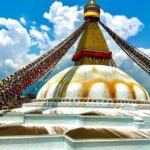
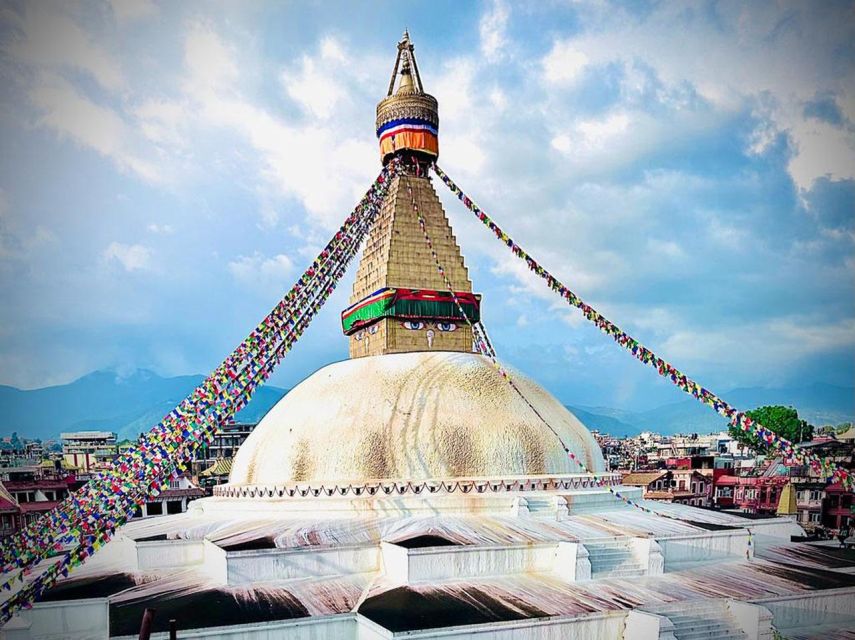
That first view of Boudhanath still hits hard. This tour pairs Bhaktapur Durbar Square’s perfectly preserved architecture with the quiet rhythm of a Boudhanath kora. You get a car ride, a licensed English guide, and just enough free time to wander on your own feet.
I especially liked the way your guide steers you through Bhaktapur’s lanes without turning it into a checklist, and how Boudha feels like a real working spiritual space, not a photo set. One thing to consider: tickets for heritage sites are not included, so your final spend may be a bit higher than the tour price.
In This Review
- Key things that make this tour worth your time
- Bhaktapur Durbar Square: more than a pretty UNESCO postcard
- Boudhanath Stupa: the quiet force of a living spiritual place
- Private guide magic: when “licensed” actually matters
- Itinerary reality check: fitting two big sites into 5 hours
- Price and value: what $60 covers (and what doesn’t)
- How to plan your day: timing, comfort, and smart packing
- Shopping and culture: how to buy without turning it into a race
- Who this tour fits best (and who might want a different plan)
- Should you book this Bhaktapur and Boudhanath tour?
- FAQ
- How long is the Bhaktapur Durbar Square and Boudhanath Stupa tour?
- Where does the tour start, and how do pickups work?
- Is this tour private?
- Is a guide provided, and what language do they speak?
- Are heritage site tickets included?
- Is there an option to skip ticket lines?
- What is the cancellation policy?
- Is the tour wheelchair accessible?
Key things that make this tour worth your time
- Private, English-language guidance that helps you read what you’re seeing fast
- Bhaktapur Durbar Square streetside craft culture, with shopping time built in
- Boudhanath Stupa kora moments where prayer wheels and chanting are part of daily life
- Photo-stop planning plus help with group photos in good spots
- Flexible drop-off in Kathmandu so you can keep your day moving
Bhaktapur Durbar Square: more than a pretty UNESCO postcard
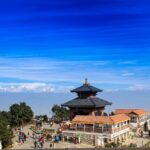
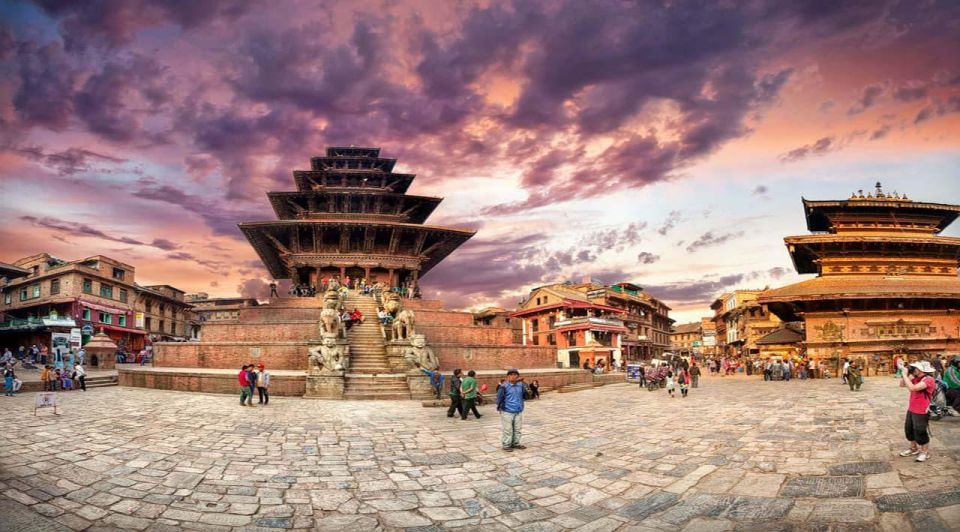
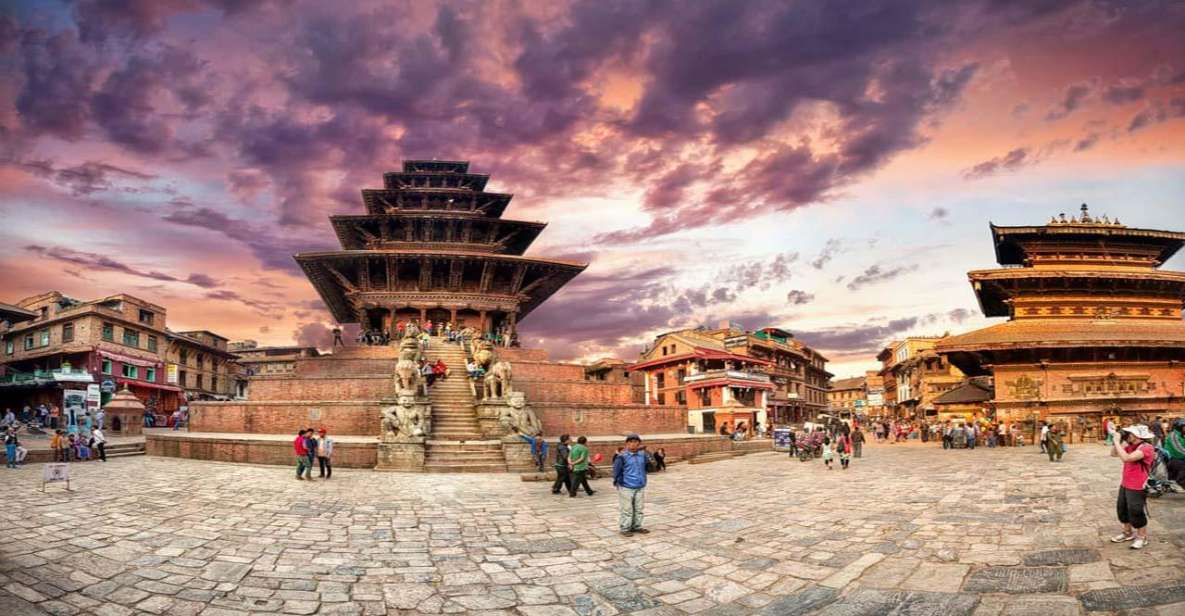
Bhaktapur Durbar Square is the kind of place where you start walking and then suddenly notice you’re surrounded by craftsmanship. The square and its surrounding lanes are packed with architectural details that reward slow attention: carved wood, layered temples, and stonework that looks as if it has been waiting for your camera.
This is also where the Newari side of Nepal shows up in daily life. You’re not just viewing monuments behind ropes. You’re moving through streets where you can spot traditional workshops and everyday rhythm. Depending on what your guide has arranged, you might even stop near craft activity such as pottery, woodworking, or paper making. If that’s on the plan, it’s a nice way to connect the buildings you’re seeing with the skills that still exist nearby.
Bhaktapur can feel a bit maze-like at first. That’s where a private guide becomes real value. A good guide points out the right way to look, then gives you room to follow your curiosity. If your priority is photos, I love that the tour has photo stops and some guidance on the best corners, so you’re not wandering in circles trying to guess where the best angles are.
Practical note: Bhaktapur does involve stairs and uneven ground. The tour is listed as wheelchair accessible, but you should still expect some spots to be tight or rough, especially if you want to get close for photos.
You can also read our reviews of more tours and experiences in Kathmandu.
Boudhanath Stupa: the quiet force of a living spiritual place
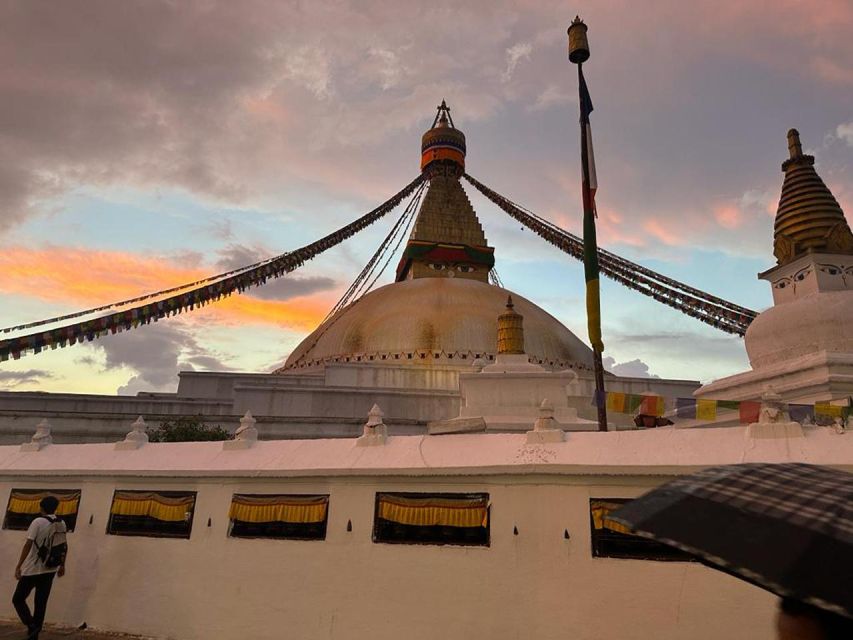
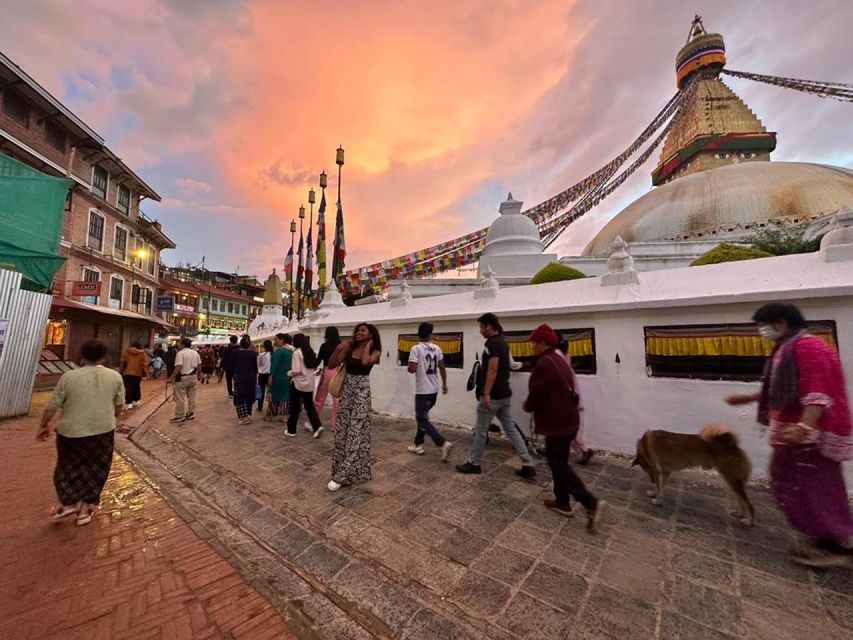
Then you shift from Bhaktapur’s detailed street scene to Boudhanath’s open, solemn atmosphere. As you approach the stupa, the feel changes quickly. Even with cars around and tourists in the area, the stupa’s scale and the flow of worship creates a calmer pace.
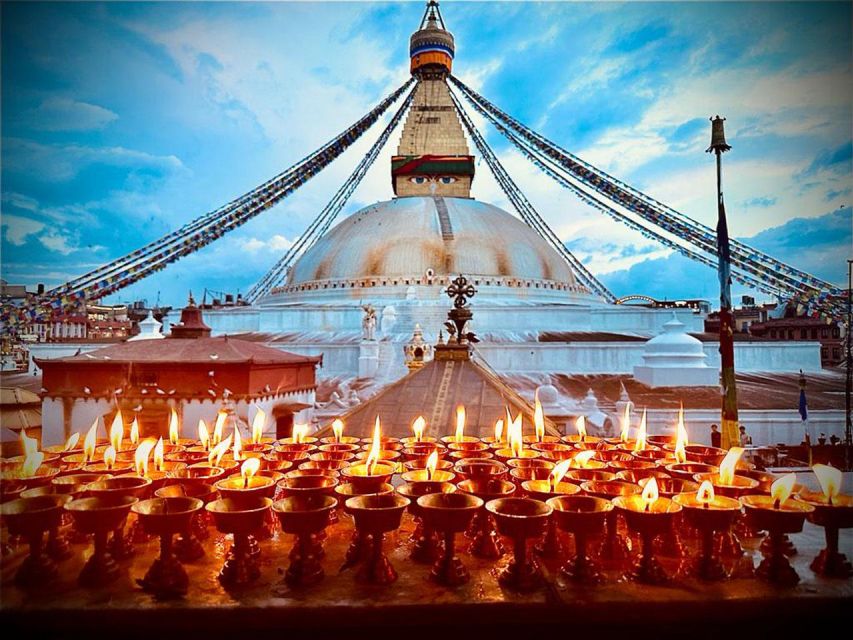
The centerpiece is the kora, the circumambulation around the stupa. You’ll have time for sightseeing and a guided moment where you can observe how pilgrims move, pause, and repeat their rituals. You may see prayer wheels in motion and hear chanting. It’s not a staged performance; it’s the same devotional behavior people practice daily.
What makes this stop special is that it’s also Tibetan community life. Prayer flags catch the air, and monasteries and small shops shape the streets around the stupa. That means you can take in the spiritual meaning and then follow it outward into people’s everyday routines.
There’s also a shopping component, but it can be more meaningful than typical souvenir browsing. You might find Tibetan artifacts, incense, and thangka-style artwork. If you’re buying, you’ll enjoy the moment more if you take it slow and ask basic questions first, like what an item is used for or what materials it’s made from. A guide can help you avoid the usual tourist confusion.
One caution here: Boudhanath is a sacred space. Keep your voice down, dress appropriately, and be aware that filming or photography may not be welcome everywhere. When in doubt, watch what others are doing and follow their lead.
Private guide magic: when “licensed” actually matters
This tour is built around a professional licensed private guide, and that matters in two big ways.
First, it saves time. With places like Bhaktapur and Boudhanath, you can spend a lot of effort just figuring out what you’re looking at. A good guide translates the visuals into context, so you understand why a temple design is shaped the way it is or why certain rituals happen in a particular rhythm.
Second, it adds confidence. You’re moving between a UNESCO-listed historic square and an active spiritual site. That’s not the moment to rely on guesswork. A guide like Prakriti, Parkriti (same person name appears in bookings), Bijay, or Karma-adjacent local connections mentioned in past experiences can help you find the right balance between sightseeing and respectful behavior.
I also like the practical side of what guides often do during this type of private tour: helping with photo placement and group photos. If you’re traveling with friends or family, having someone who knows where the light hits and where the background works can be the difference between blurry souvenirs and real memories.
Itinerary reality check: fitting two big sites into 5 hours
The total time is listed at 5 hours, and the plan keeps things efficient without feeling rushed. The day starts with pickup in Kathmandu, then you go to Boudhanath first.
At Boudhanath, the guided visit and photo stop typically takes about 80 minutes. That timing is smart. It gives you enough time to see the stupa, observe the kora process, and still have room to walk around at your own pace.
After that, you head to Bhaktapur Durbar Square. The guided portion plus free time is about 1.5 hours. That’s enough for the core highlights, and also enough for browsing and buying if you want to pick up something small.
One thing to watch: the tour includes a car, but traffic and distance can affect your day. If you’re landing in Kathmandu and want to do this quickly, you’ll still like the “private” format because it’s easier to adjust than group buses.
Price and value: what $60 covers (and what doesn’t)
At $60 per person for a 5-hour private experience, the value is in three parts.
1) Hotel pickup and drop-off in Kathmandu
2) A licensed private guide in English
3) A car with a driver for the transfers
On top of that, you get a skip-the-ticket-line note, plus the tour is private (so you’re not squeezing yourself into someone else’s pace). That can be a big deal in Nepal, where lines and waiting can eat up time.
What’s not included is important: heritage site tickets and your food and personal expenses. So think of the $60 as the “guided transport and experience” cost, and plan extra cash for entry fees and snacks.
If you’re traveling solo, private tours can feel pricey compared with public transport. But the math changes when you price in: guide time, car time, and the fact that two major sites are spread across the day. If you’re the kind of traveler who wants context, this price often feels fair.
How to plan your day: timing, comfort, and smart packing
This is an afternoon-style outing that works well if you have a morning buffer or you’re already settled near central Kathmandu. Since you’re going to two heritage sites, comfort matters.
Bring:
- Comfortable walking shoes (you’ll be on your feet)
- Sun protection (you’re outdoors quite a bit)
- A light layer (temples and stupa areas can feel cooler in shade)
- Basic cash for small purchases, snacks, and any tickets
During the stops, don’t try to “win” the itinerary by moving fast. Instead, pick one thing to focus on per site. In Bhaktapur, I’d pick the carved details and temple shapes. At Boudhanath, I’d pick the kora rhythm and the prayer-wheel action you can observe around the stupa.
One more practical tip: since you may have shopping time in Bhaktapur and a market stop near Boudha, keep your purchases in mind as you walk. Temples and sacred zones aren’t always ideal for carrying fragile items. A tote bag you can hold close to your body is useful.
Shopping and culture: how to buy without turning it into a race
Both Bhaktapur and Boudhanath have strong craft and market scenes. The good news is that shopping here can feel connected to place, not just a stop for spending.
In Bhaktapur, you’ll have time for shopping and exploring around the square area. The key is to treat it like browsing a workshop-adjacent street, not like a mall. If you see artisans at work, slow down. You’ll usually spot the difference between mass-made souvenirs and items with real effort behind them.
At Boudhanath, shopping tends to focus more on Tibetan goods: incense and religious or decorative objects like thangka-style artwork. If you’re buying something for a gift, ask what it’s used for or how it should be cared for. Even a simple question makes the exchange feel respectful and more personal.
Also, remember that sacred places have rules. If you’re buying religious items, you’ll want to be especially careful about how you handle them and where you place them while walking.
Who this tour fits best (and who might want a different plan)
This works best for you if:
- You want a private day with an English guide
- You care about understanding monuments and rituals, not just seeing them from a distance
- You’d rather have a planned route with photo stops than figure everything out alone
- You like a mix of historic architecture and spiritual atmosphere
It may not be the best fit if:
- You prefer a fully self-guided day with no guide at all
- You’re only interested in one site and want lots of extra time there
- You don’t want to add any additional costs for heritage tickets once you arrive
Because the plan is only 5 hours, it’s designed to hit the highlights. If you want deeper museum-style time, you might pair this with other activities after the drop-off.
Should you book this Bhaktapur and Boudhanath tour?
If you’re in Kathmandu for a short window and you want two iconic experiences in one day, I think this tour is a strong choice. The private guide role makes both sites easier to appreciate: Bhaktapur’s details become legible, and Boudhanath’s kora isn’t just scenery.
Book it if you value context, practical pacing, and a guide who can steer you to good photo spots without turning either site into a sprint. Skip it only if you’d rather spend extra time on just one location or you don’t want to pay for entry tickets on top of the tour price.
If your schedule allows, this is the kind of afternoon that leaves you with two different feelings in the same day: the craft-and-stone focus of Bhaktapur, then the calm, repetitive spiritual motion around Boudhanath.
FAQ
How long is the Bhaktapur Durbar Square and Boudhanath Stupa tour?
The tour is 5 hours total.
Where does the tour start, and how do pickups work?
Pickup is in Kathmandu. The driver or guide calls to confirm and picks you up at your designated location.
Is this tour private?
Yes, it is a private group.
Is a guide provided, and what language do they speak?
You get a live tour guide in English.
Are heritage site tickets included?
No. Tickets to heritage sites are not included.
Is there an option to skip ticket lines?
Yes, it includes skip-the-ticket-line.
What is the cancellation policy?
Free cancellation is available up to 24 hours in advance for a full refund.
Is the tour wheelchair accessible?
The tour is listed as wheelchair accessible.