REVIEW · KATHMANDU
Kathmandu Guided Day Tour: Explore Top 4 UNESCO Heritage Sites
Book on Viator →Operated by Best Treks and Adventure · Bookable on Viator
Four UNESCO stops, one smooth Kathmandu day. I like how this tour strings together Hindu and Buddhist landmarks without wasting time, so you get big contrasts in a single afternoon—monkeys and prayer wheels at Swayambhunath, craftwork at Patan, sacred cremation rituals at Pashupatinath, then the meditative Kora walk at Boudhanath. The pacing is tight, but it stays friendly, and you’re not stuck figuring out what to see first.
One of my favorite parts is the guide. Our local host in the feedback, Prakash (who holds a Masters Degree), is the kind of person who connects what you’re looking at with why it matters, using clear explanations that help you read the sites instead of just passing by them. That extra context is a big reason this day tour feels more like a story than a checklist.
The only real drawback to plan around: UNESCO entrance fees and lunch cost extra. The tour price is great, but you’ll likely add USD 20 or NPR 2600 per person for UNESCO site admissions, plus you should budget for tips (expected) and skip lunch from the package.
In This Review
- Key Highlights You’ll Actually Feel During the Day
- Why This Kathmandu Valley Tour Works for Most Schedules
- Getting From Site to Site: Pickup, AC Car, and Real Time Management
- Swayambhunath Monkey Temple: Views You Can’t Fake
- Patan Durbar Square: Craftsmanship You Can Notice in Real Time
- Pashupatinath Temple on the Bagmati: Sacred Rituals, Real Gravity
- Boudhanath Stupa and the Kora Walk: A Change of Pace
- The Included Culture Stops: Thanka Painting School and Healing Bowl Demo
- What the $55 Price Really Covers (and What You’ll Still Need)
- Who This Tour Suits Best (And Who Might Want a Different Pace)
- Tips for Making the Day Feel Easy
- Should You Book This Kathmandu UNESCO Day Tour?
- FAQ
- How long is the Kathmandu UNESCO Heritage Day Tour?
- Which UNESCO sites are included?
- Is pickup included?
- Is the tour private?
- Are UNESCO entrance fees included in the price?
- What is included in the tour price besides the guide?
- Is lunch included?
- Do I need to tip?
- Can I cancel for a full refund?
Key Highlights You’ll Actually Feel During the Day
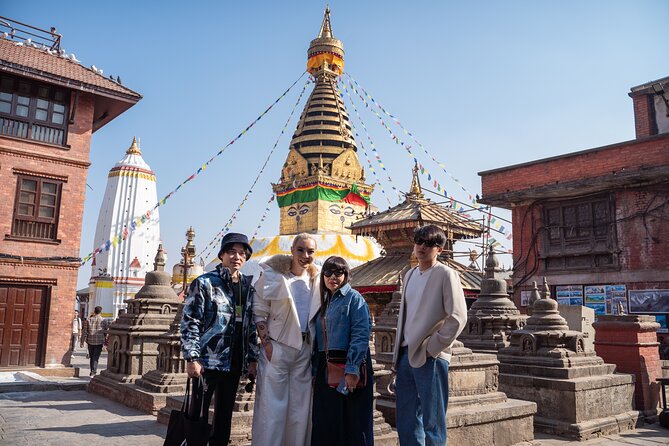
- Four UNESCO heritage sites in one itinerary: Swayambhunath, Patan Durbar Square, Pashupatinath, and Boudhanath
- Panoramic views from Swayambhunath with monkeys, prayer wheels, and temple-top vantage points
- Patan’s craft focus—centuries-old metalwork and intricate wood carvings around Patan Durbar Square
- Pashupatinath on the Bagmati River for a profound look at Hindu cremation rituals and sacred space
- Boudhanath’s giant stupa and Kora walk, a simple ritual you can join for a calmer pace
- Two included culture stops: a Thanka painting school visit and a healing bowl demonstration center
Why This Kathmandu Valley Tour Works for Most Schedules
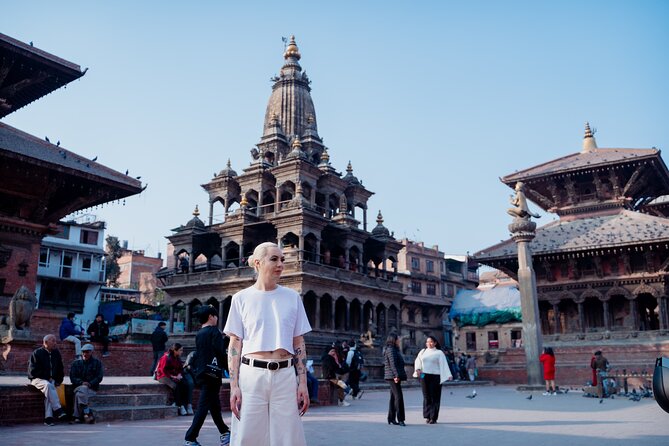
Kathmandu can feel like a lot on day one—traffic, crowds, and too many “must-sees.” This guided day tour helps you tame that chaos by focusing on four UNESCO heritage sites that sit relatively close together in the Kathmandu Valley. You get enough time at each place to notice details, but the schedule is tight enough that you’re not spending your whole day in transit.
What makes the selection smart is the contrast. You’re not just touring temples that all look similar. You’ll move from Buddhist pilgrimage energy at Swayambhunath and Boudhanath to Hindu religious life at Patan and Pashupatinath. That mix gives you a fuller sense of Kathmandu’s religious blend, legends, and daily rhythms.
Also, the included transport matters. You’re picked up and carried around in an air-conditioned vehicle, which is a genuine quality-of-life upgrade when heat and exhaust are the reality. And because the tour is private to your group, the day usually feels less like a cattle-car sprint.
You can also read our reviews of more guided tours in Kathmandu
Getting From Site to Site: Pickup, AC Car, and Real Time Management
This is the kind of tour that works best when logistics are handled well. You get pickup offered, then you ride in an AC vehicle between stops. That cuts down the mental load—no arguing with maps, no guessing where to park, no bargaining over rides for each segment.
The day is structured with short-but-meaningful visits:
- Swayambhunath is about 1 hour
- Patan Durbar Square about 2 hours
- Pashupatinath about 1 hour
- Boudhanath about 1 hour
That adds up to roughly 5 to 7 hours, which fits a “landed in Kathmandu today” day or a “need a highlight circuit” day. If you’re the type who hates being rushed at every stop, you might still feel the pace, but the guide’s context helps you slow down mentally while your feet keep moving.
Two small extras are practical here: you get bottled water (1000ml per person), and you’ll have a mobile ticket. Those details don’t sound glamorous, but they remove friction when you’re hopping between sacred sites.
Swayambhunath Monkey Temple: Views You Can’t Fake
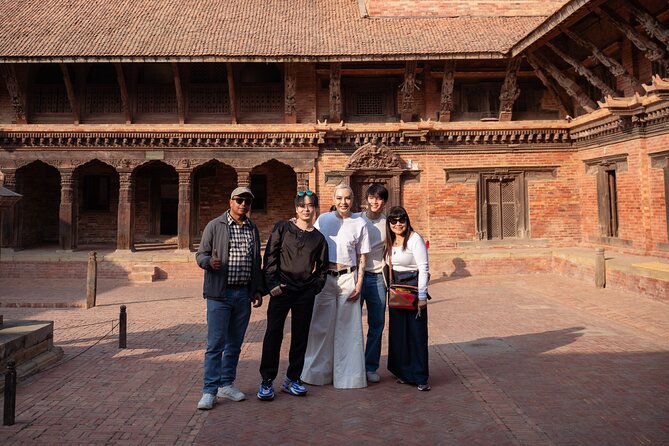
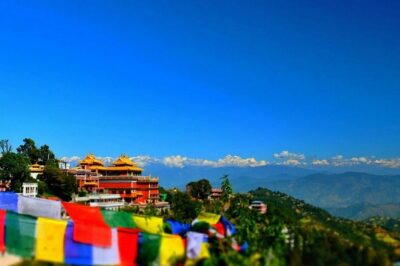
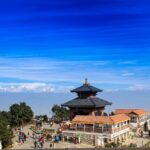
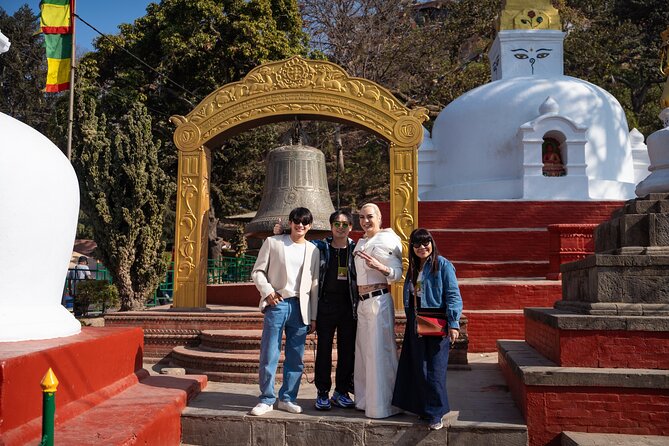
Swayambhunath—often called the Monkey Temple—is the opening act for a reason. The site rises above the city, giving you a view that makes Kathmandu Valley feel suddenly understandable. From up there, you see how the city spreads out, and you get a 360° sense of where you are.
What I’d plan for here:
- Monkeys (they’re playful, and they also attract attention, so keep a close eye on bags and phones)
- Ancient prayer wheels, which help set the tone for a devotional place
- The temple-stupa complex on a hilltop, meaning you’ll likely do some walking and climbing
This stop is about 1 hour, plus admission is included. That’s usually enough time to get your bearings, enjoy the view, and watch people perform their rituals without feeling like you’re stuck for hours in one spot.
A quick “be smart” note: because this is a busy, living religious site and an animal-attracting viewpoint, it helps to move carefully, stay aware, and follow your guide’s cues. The payoff is real—you leave with images that look like postcards, but also with a better sense of how Kathmandu sits in the valley.
Patan Durbar Square: Craftsmanship You Can Notice in Real Time
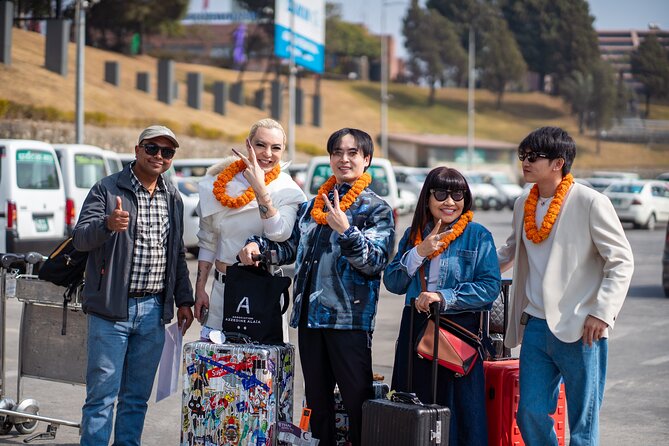
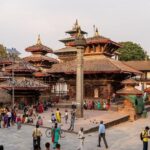
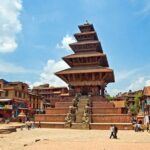
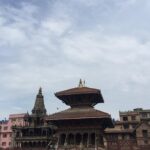
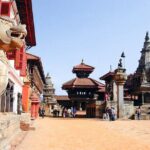
After Swayambhunath’s hilltop energy, Patan feels more like the city’s artisan heart. Patan is the city name, and Durbar refers to the royal palace area in Nepali—so you’re not just visiting an open space. You’re stepping into a historic center where temples and monuments cluster around the palace zone.
This stop runs about 2 hours, which is perfect because Patan rewards attention. You can stand and look longer than you expected, especially at:
- metalwork traditions that reflect centuries of skill
- intricate wood carvings
- the Krishna Temple area inside the square
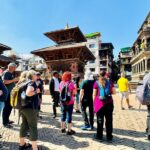
If you like religious art, local craftsmanship, or just the feeling that someone actually built these places with care, Patan is where you’ll feel it most. The guide’s explanations help you connect architectural details with religious meaning, so the carvings aren’t just decoration.
Admission is included here too, so you can focus on walking the square at a comfortable pace. The only consideration: Patan is active. You might encounter local visitors, temple-goers, and people working nearby, so keep your shoulders relaxed and give space where it’s needed.
Pashupatinath Temple on the Bagmati: Sacred Rituals, Real Gravity
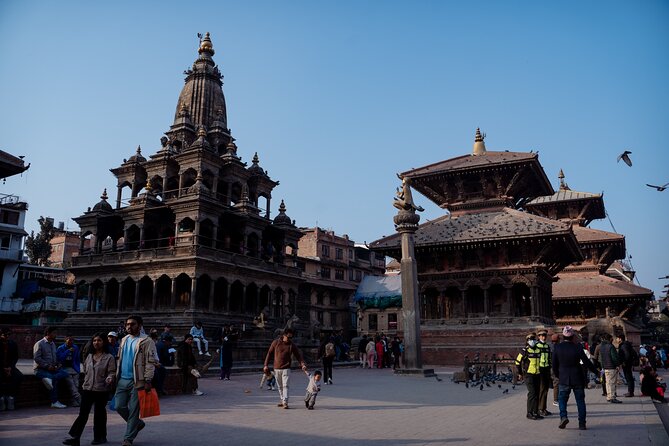
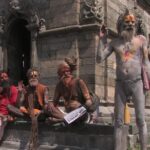
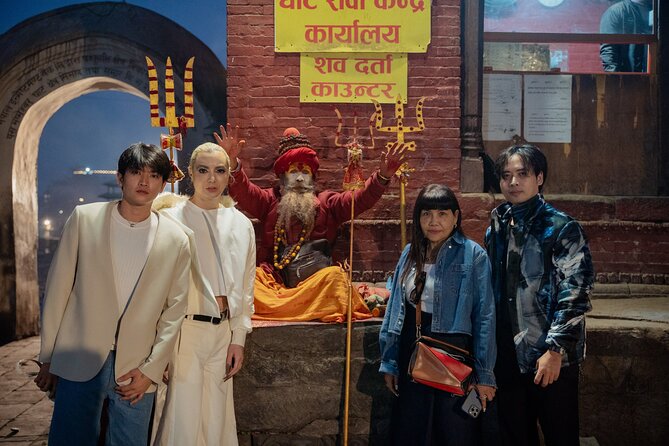
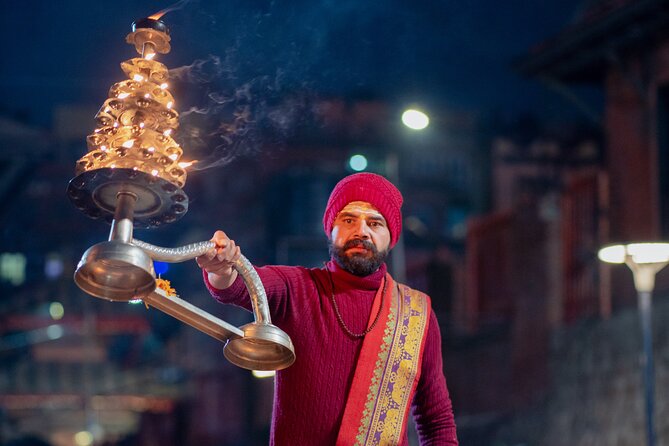
Pashupatinath is one of Nepal’s most important Hindu temples, and it doesn’t try to be casual about it. The atmosphere is serious in the best way—full of devotion and daily practice. This stop is about 1 hour, with admission included.
The key thing here is context around the Bagmati River. The site is known for sacred Hindu cremation ceremonies along the river. That’s not a “show” you schedule. It’s part of the place’s spiritual reality, and it can be moving to see how ritual, tradition, and landscape connect.
What to do with this information:
- Go in prepared for emotion. Even if you’re not Hindu, the seriousness is visible.
- Follow your guide’s lead on where to stand and how to behave.
- Be respectful with photos and keep your focus on observing quietly.
This is also a stop where having Prakash-level explanations helps. When someone can explain the significance of what you’re seeing, you’re not just watching activity—you’re understanding the role it plays in belief and community life.
You can also read our reviews of more historical tours in Kathmandu

Boudhanath Stupa and the Kora Walk: A Change of Pace
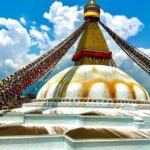
Boudhanath is famous for a reason: it’s a major Buddhist pilgrimage site, with the giant stupa at the center. This is described as the biggest Buddhist temple in Nepal and the second biggest Buddhist stupa in the world—so even before you start walking, the scale lands.
This stop is about 1 hour, and admission is included. What you’ll likely want to do is look closely at:
- the stupa’s massive dome
- the flow of devotees
- the mood shift from earlier stops
Then there’s the Kora—a ritual walk around the stupa. The whole idea is meditative and communal. Even if you’re only doing part of the walk, you’ll feel how it changes your pace. People move with rhythm, and the space encourages quieter thoughts.
Practical tip: wear comfortable shoes. You’ll be on your feet, and you’ll want to keep your balance while watching where crowds move. Your guide can help you plan a route that avoids bottlenecks and gets you good viewing angles.
The Included Culture Stops: Thanka Painting School and Healing Bowl Demo
Not every UNESCO tour includes stops like this, and that’s part of the value. Beyond the four heritage sites, you also visit:
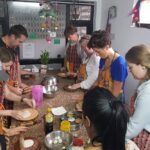
- a Thanka (Traditional Art) painting school
- a healing bowl demonstration center
These are included, so you’re not paying extra on top of the day’s UNESCO fees. The goal is to add a layer of hands-on understanding—how traditions continue beyond monuments. Even if you’re just watching and learning basic background, it helps you see Kathmandu as a living place, not just a museum.
You’ll likely appreciate these stops if:
- you enjoy craft and religious art
- you want a break from temple architecture while still learning something cultural
- you like a structured “context stop” built into the day
They also help break up the energy. The heritage sites can feel intense; these two stops add a calmer, educational rhythm.
What the $55 Price Really Covers (and What You’ll Still Need)
At $55 per person, this tour sits in the “good value” zone for a guided UNESCO circuit that includes transport and a licensed guide. What’s covered:
- air-conditioned vehicle
- a government license holder tour guide
- Thanka painting school visit
- healing bowl demonstration center visit
- bottled water (1000ml per person)
- mobile ticket
- pickup offered
- private tour format (only your group participates)
What’s not included:
- UNESCO World Heritage site entrance fees (budget USD 20 or NPR 2600 per person)
- lunch
- tips to guide and driver (expected)
So the real cost equation is: base price + UNESCO admissions + lunch + tips. If you compare it to doing four sites on your own with guide support and transport, the math often improves in your favor—especially if you want the guide to explain what you’re seeing and you don’t want to coordinate rides between multiple neighborhoods.
Also note the tour duration is short enough that you can fit it around other plans. That’s usually where value shows up: fewer wasted hours, fewer logistical headaches.
Who This Tour Suits Best (And Who Might Want a Different Pace)
This tour is a strong match if you want Kathmandu highlights in one day and you prefer a guide who can connect details with meaning. It’s also a great fit for first-timers who want to understand the Kathmandu Valley as a cluster of sacred places, not a set of random stops.
I’d say it’s especially good for:
- people who like religion-as-practice (not just architecture)
- visitors who want Hindu and Buddhist sites in the same day
- anyone who wants a structured route with a licensed local guide
What about the people who should think twice? If you’re the type who needs long, slow time at every site, this may feel like a lot of moving. You can still enjoy it—you’d just need to mentally accept the pace and focus on quality moments rather than trying to absorb everything at once.
Tips for Making the Day Feel Easy
A few common-sense moves will make the day smoother:
- Bring a camera bag you can keep closed around monkeys at Swayambhunath.
- Plan to buy or carry a light lunch option nearby, since lunch isn’t included.
- Expect you’ll be on your feet—temple areas often mean steps and uneven surfaces.
- Dress respectfully for temple sites, and follow your guide’s guidance on where to stand.
With a guide like Prakash and a well-run schedule, the day usually runs smoothly. You’re there for a big learning day, so keep your mind open and your questions ready.
Should You Book This Kathmandu UNESCO Day Tour?
If your goal is four UNESCO sites in one efficient day, I’d book it—especially at the $55 price point with AC transport, a licensed guide, water, and two extra culture visits. The guide support is the real differentiator, and it shows in the way explanations turn monuments into something you can actually understand.
I’d book it with eyes open if you know you’re okay paying the separate UNESCO entrance fees and you don’t need lunch included. If that sounds fine, this is one of the simplest ways to get a meaningful Kathmandu Valley overview without getting lost in planning.
FAQ
How long is the Kathmandu UNESCO Heritage Day Tour?
The tour lasts about 5 to 7 hours.
Which UNESCO sites are included?
You’ll visit Swayambhunath, Patan Durbar Square, Pashupatinath Temple, and Boudhanath Stupa.
Is pickup included?
Pickup is offered.
Is the tour private?
Yes. Only your group will participate.
Are UNESCO entrance fees included in the price?
No. UNESCO World Heritage site entrance fees are not included (listed as USD 20 or NPR 2600 per person).
What is included in the tour price besides the guide?
An air-conditioned vehicle, a government license holder tour guide, a Thanka painting school visit, a healing bowl demonstration center visit, bottled water (1000ml per person), and a mobile ticket.
Is lunch included?
No. Lunch is not included.
Do I need to tip?
Tips to the guide and driver are expected.
Can I cancel for a full refund?
Yes, free cancellation is available up to 24 hours before the experience starts for a full refund.