REVIEW · KATHMANDU
Kathmandu: 14-Day Everest Base Camp with Kala Patthar Trek
Book on GetYourGuide →Operated by Welcome Nepal Treks P.Ltd · Bookable on GetYourGuide
Lukla to Everest feels unreal, then real. This 14-day trek threads you through Sherpa country toward the Everest region, finishing with the dramatic views from Kala Patthar. You get a front-row seat to the Khumbu’s rhythm—tea houses, mountain mornings, and that steady human energy that keeps you walking.
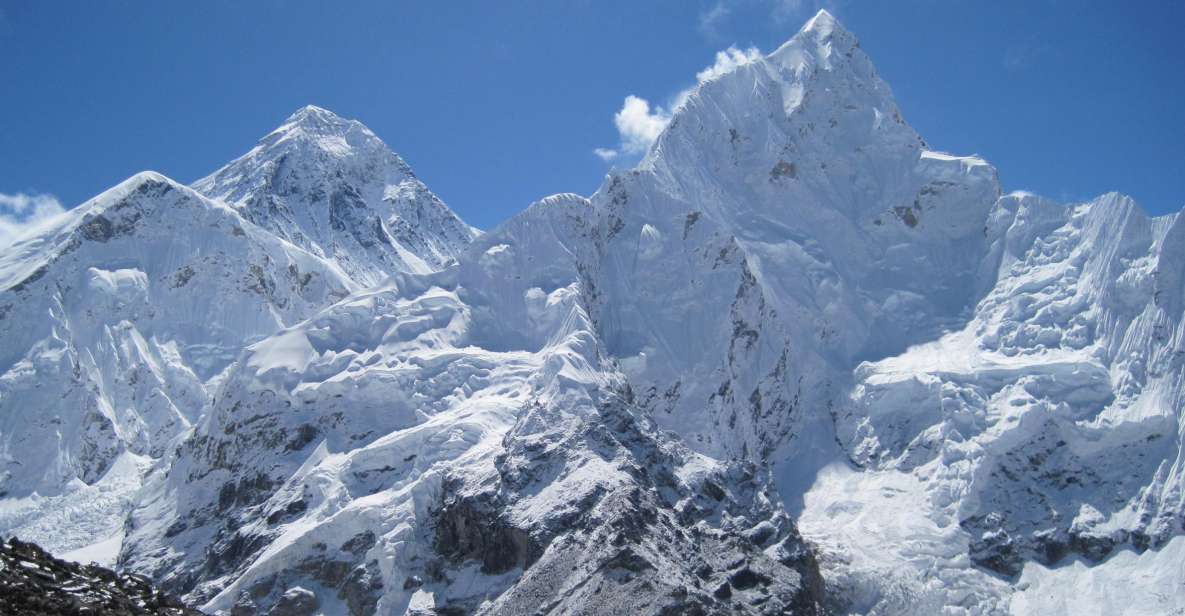
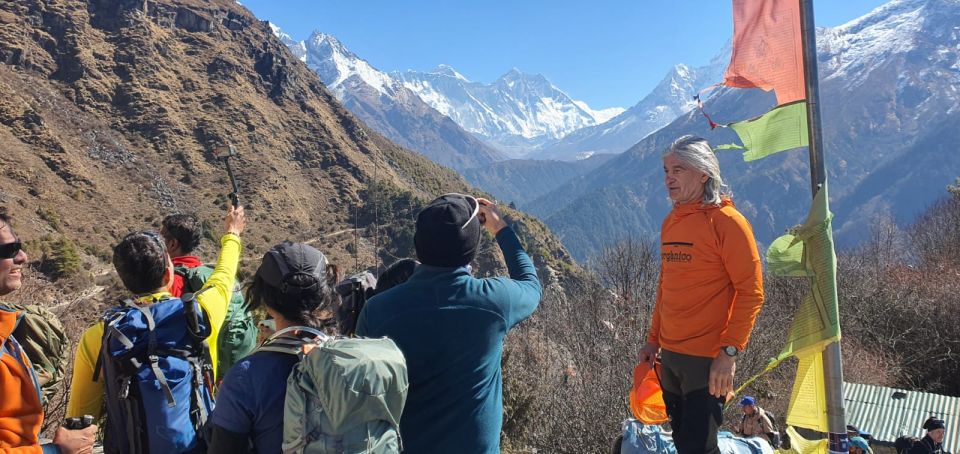
I especially love two things: the way the route builds in time to adjust with higher-altitude breaks at Namche Bazaar and Dingboche, and the sheer quality of the big-mountain panoramas you rack up along the way. You’ll spend meaningful hours in the Namche Bazaar area and later see Everest’s neighbors—Lhotse, Nuptse, and Ama Dablam—show up in layers as you gain elevation.
One possible drawback: Lukla flights can be weather-sensitive, so you should plan for the chance of delays or changes if aircraft can’t fly. And this trek sits at serious altitude, so it’s not a fit if you have heart issues, mobility limitations, or you’re pregnant.
In This Review
- Key things to know before you go
- Kathmandu to Lukla: where the trek actually starts
- The first walking days: Phakding to Namche Bazaar
- Namche Bazaar rest day: why that pause is worth it
- From Tengboche to Dingboche: monasteries, forests, and altitude work
- Lobuche to Gorak Shep: reaching the high Everest zone
- Kala Patthar and the long descent to Kathmandu
- Guides and support: what’s paid for, and why it matters
- Lodges, food, and “comfortable enough” at altitude
- Price and value: is $1,296 a fair deal?
- What to pack for Everest Base Camp and Kala Patthar
- Who should choose this trek (and who should skip)
- Should you book this Everest Base Camp with Kala Patthar trek?
- FAQ
- Will I need a guide on this trek?
- Are park permits included?
- What flights are included?
- What accommodations are included?
- Are meals included during the trek?
- Are hot showers included?
- Do I have to pay for porters?
- What is this trek’s cancellation policy?
Key things to know before you go
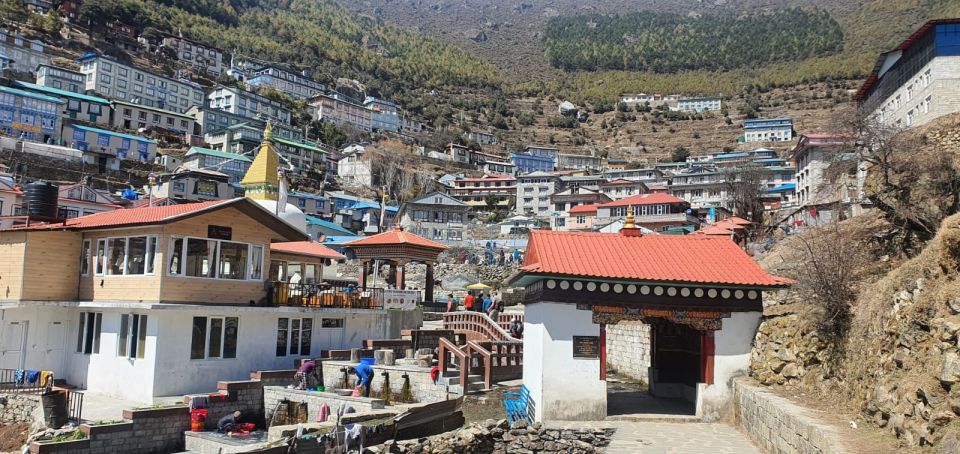
- Sherpa heartland first: Namche Bazaar is built into your schedule, not treated like a quick stop.
- Acclimatization is part of the plan: Rest days and shorter excursions help you breathe easier before the higher days.
- The highest drama is earned: Kala Patthar is scheduled after you’ve already reached Everest Base Camp territory.
- Your mornings get colder fast: Expect cold nights and big temperature swings as you climb.
- Your guide matters here: English guidance and local know-how are repeatedly called out as a core strength.
- Porters aren’t included: You get support capacity planned (1 porter for 2 people), but you still want to think about carrying comfort.
Kathmandu to Lukla: where the trek actually starts
Kathmandu is more than a departure city on this route. You’ll be picked up on arrival and transferred to a hotel for two nights with breakfast, which is a smart buffer before flying up to the Khumbu.
On your next day, you fly from Kathmandu to Lukla at about 2,850 meters. This is the “world’s most-extreme airport” moment: short runway, mountain weather, and the feeling that the Himalayas are driving the schedule as much as you are. You’ll land, then begin the walking life for real.
You can also read our reviews of more hiking tours in Kathmandu
The first walking days: Phakding to Namche Bazaar
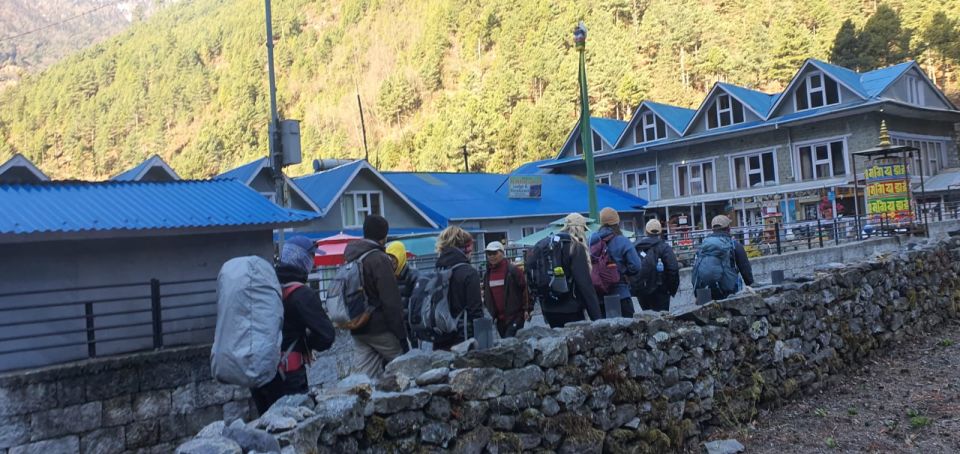
Your first trek day runs from Lukla down to Phakding (around 2,640 meters) in about 4–5 hours. It’s a great on-ramp: you’re moving, seeing how quickly the air changes, but you’re not jumping straight into the steepest sections.
Next comes Phakding to Namche Bazaar (about 3,440 meters), which typically takes 6–7 hours. This is where the Khumbu starts to feel like a place with its own rules and culture—paths packed with trekkers, local traffic, and teahouse life that’s designed for people who keep coming back.
And Namche is also where acclimatization becomes more than a buzzword. Your schedule includes a rest day at Namche, plus a 2–3 hour excursion. That gives you time to manage altitude thoughtfully before you move higher, and it helps you enjoy the place instead of just passing through it.
Namche Bazaar rest day: why that pause is worth it
That day off at Namche isn’t “lost time.” It’s the difference between suffering with altitude and learning how to work with it.
You’ll likely explore nearby viewpoints and local rhythms while staying active but not overdoing it. This is also a strong cultural stop: Namche Bazaar is one of the main hubs where you’ll see the Sherpa heartland up close—tea house conversations, mountain gear everywhere, and the everyday logic of living in the shadow of Everest.
If you’re the type who worries about pacing, this is one of the best parts of the plan. You’re given a structured chance to catch your breath, hydrate, and keep your body from turning rest days into “I’m stuck in bed” days.
From Tengboche to Dingboche: monasteries, forests, and altitude work
After Namche, you’ll trek to Tengboche (around 3,870 meters) over about 5–6 hours. This is often a turning point psychologically: the route starts to feel more “Everest-facing,” and the air gets noticeably thinner.
Day 5 and day 6 push you higher with purpose. Tengboche to Dingboche (around 4,410 meters) takes 5–6 hours, and Dingboche then becomes your next acclimatization checkpoint. You’ll have time to adjust there before moving on, which matters because the days ahead climb toward very thin air.
This stretch also teaches you an important trekking skill: you don’t just “go higher,” you manage effort. Slow steps, frequent breaks, and consistency beat sprinting every time—especially once you’re above 4,000 meters.
Lobuche to Gorak Shep: reaching the high Everest zone
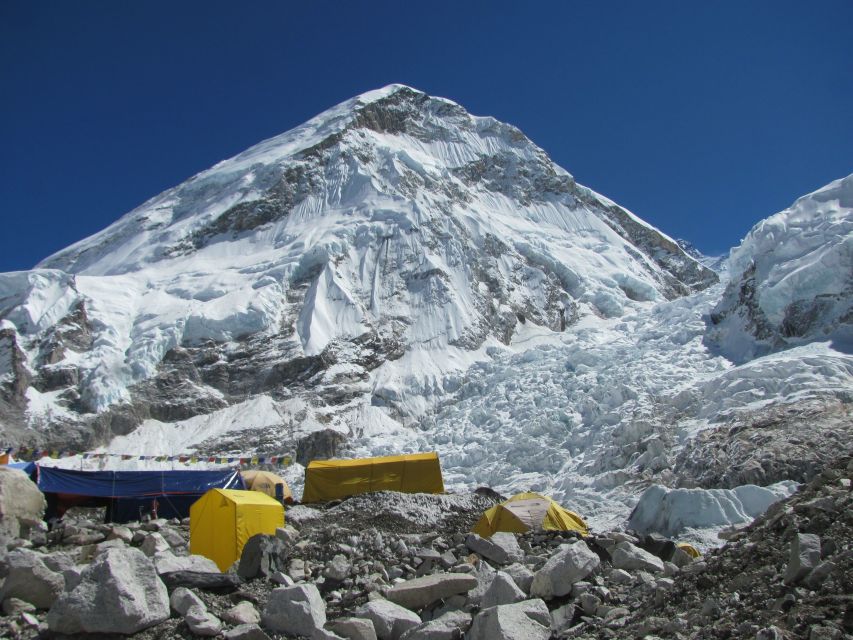
From Dingboche to Lobuche (about 4,940 meters) is another 5–6 hour push. By this point, you’re deep in the Everest Base Camp zone logistics—more remote paths, more altitude exposure, and less room for mistakes like poor hydration or pushing too hard.
On day 9 you’ll head to Gorak Shep (around 5,170 meters). Then you’ll hike up to Everest Base Camp (around 5,364 meters) and return back to Gorak Shep. That rhythm—out, experience it, come back—is how most people stay functional at these elevations.
Even with big excitement, I’d treat this as a high-altitude workday, not a sightseeing day. Keep your effort controlled, take in what you can, and don’t let the thin air turn momentum into exhaustion.
Kala Patthar and the long descent to Kathmandu
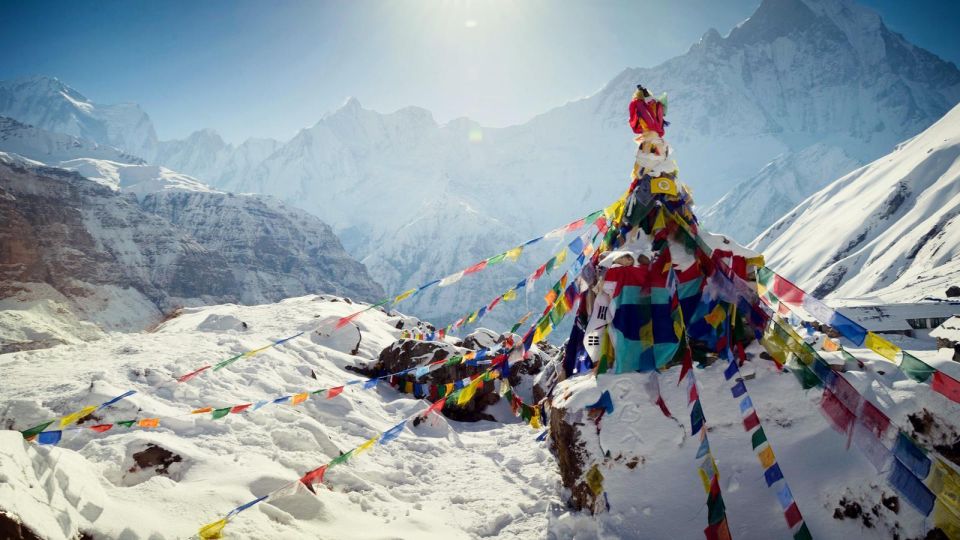
Kala Patthar is the payoff. On day 10 you’ll hike from Gorak Shep up to around 5,545 meters for the famous views, then continue down to Pheriche (about 4,371 meters). The climb is tough, but it’s scheduled after your base-camp experience, so you arrive with context—and usually with better mental stamina.
Days 11 to 13 are descent-focused. You’ll keep dropping in altitude toward Kathmandu, which is exactly what your body wants after spending days near or above the heights that tax sleep and appetite.
That last arrival into Kathmandu gives you breathing room and a final evening before departure. It’s a clean reset after cold nights and thin air.
Guides and support: what’s paid for, and why it matters
This trek is led by an experienced, English-speaking guide. Names show up in feedback—Hari as an organizer, and guides like Anjan and Padam in past experiences—so you can expect real local competence, not just someone reciting facts.
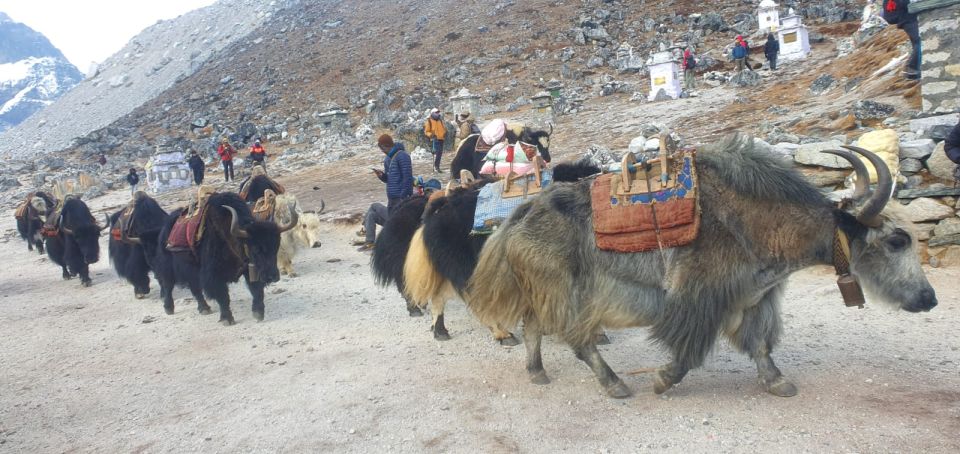
You’ll also have planned porter support: porters are not included in the price, but the model is 1 porter for 2 people. That matters because carrying less can change how you feel on the highest sections, especially around Gorak Shep and Kala Patthar. If you want maximum comfort, plan for what you’ll pack and how heavy you’ll want your own load to be.
Lodges, food, and “comfortable enough” at altitude
You stay in lodges or tea houses throughout the trek. This is standard for the region, and the advantage is you’re not improvising accommodation daily.
Meals are not included on the trek, so you’ll budget for breakfast, lunch, and dinner while you walk. The tea house menus are designed for altitude—often with simple comfort foods that keep you fueled. Expect variable quality by village and season, but the overall system is built to keep trekkers moving.
Hot showers during the trek are not included. In cold places, that matters. You might find some form of shower service at certain stops, but you shouldn’t count on it—plan to be strategic with washing when you can.
Price and value: is $1,296 a fair deal?
At $1,296 per person for 14 days, the value mostly comes from what’s bundled: flights Kathmandu–Lukla–Kathmandu, park entry permits for Sagarmatha National Park, private airport transfers in Kathmandu, and lodge-based trekking accommodation. You’re also getting guide support with pay, food, drinks, accommodation, and transportation covered for the team.
The biggest “value trade” is what’s not included: trek meals in general, alcohol and non-alcoholic drinks, and the fact that porters (beyond the shared porter setup) and medical evacuation coverage are on you. If you already know how you’ll handle food costs and you have the right insurance, the price feels fairly balanced for the region.
For me, the real value check is this: are you choosing this trek for the long, scenic, acclimatized approach? If yes, the structure makes sense for the price.
What to pack for Everest Base Camp and Kala Patthar
You’ll want gear that handles wind, cold nights, and sun glare at altitude. The essentials provided as optional items include a jacket, a sleeping bag, and a duffle bag if required, which can reduce what you carry into Nepal.
From the recommended list, prioritize:
- Sunglasses and sunscreen (the sun up high is no joke)
- A hat
- Layers: long pants and a mix of shorts and T-shirts
- Hiking shoes plus socks
- Insect repellent (useful lower down)
- Toilet paper (bring your own)
Also, think about comfort items: a warm hat for early starts, gloves you can actually use, and anything that helps you dry out at night.
Who should choose this trek (and who should skip)
This is a great fit if you want the full Khumbu arc: Namche Bazaar culture, Tengboche scenery, Dingboche acclimatization, Everest Base Camp time, and the Kala Patthar view that people talk about for a reason.
It is not suitable for pregnant women, people with heart problems, or anyone with mobility impairments. If you’re unsure about your health for high-altitude trekking, it’s worth talking to a medical professional before you commit.
If your fitness is solid but you’re nervous about acclimatization, this route’s built-in rest days make it feel more realistic than fast, aggressive schedules.
Should you book this Everest Base Camp with Kala Patthar trek?
If you want a well-structured Everest experience with Sherpa heartland time and real acclimatization built in, I think this is a sensible choice. The combination of flights, permits, guide support, and lodge stays reduces a lot of the logistical stress that can ruin a trek.
I’d book with extra flexibility in your mind because Lukla weather can disrupt plans. If you can handle that possibility, you’ll be rewarded with days that progress from cultural warmth to big-Everest altitude moments—without rushing past the hard parts.
FAQ
Will I need a guide on this trek?
Yes. The trek includes an experienced, helpful guide who provides English support throughout.
Are park permits included?
Yes. Sagarmatha National Park entry permits and fees are included.
What flights are included?
Your package includes the flight ticket for Kathmandu–Lukla–Kathmandu.
What accommodations are included?
You get 2 nights standard accommodation in Kathmandu with breakfast, plus lodge/tea house accommodations during the trek.
Are meals included during the trek?
No. Breakfast, lunch, and dinner during the trek are not included.
Are hot showers included?
Hot showers during the trek are not included.
Do I have to pay for porters?
Porters are not included in the price, and the plan is 1 porter for 2 people if you arrange for porter support.
What is this trek’s cancellation policy?
Free cancellation is available if you cancel up to 24 hours in advance for a full refund.