REVIEW · KATHMANDU
Kathmandu: Guided Walking Tour with Monkey Temple
Book on GetYourGuide →Operated by Himkala Adventure Pvt.Ltd. · Bookable on GetYourGuide
Kathmandu’s Monkey Temple climb beats any shortcut. This guided walk threads together Garden of Dreams, busy center streets, and the UNESCO Monkey Temple hill, with a local guide explaining what you’re seeing as you go. I especially liked the way the route mixes calm courtyards with real neighborhood life, not just monuments.
I loved two things most: first, the guide-led storytelling that connects temples, rituals, and daily routines into one clear picture. Second, the mix of big sights and small, human moments, from market energy to quiet stupas and temple activity you’ll miss on your own. One drawback: this is a lot of walking, including stairs, and it isn’t a good fit if mobility is limited.
Quick Takeaways
- Garden of Dreams for a soft landing before you hit the city rush
- Kathmandu Durbar Square with context, not just photos
- Newari residential area views into everyday religious space, including a cremation place
- Monkey Temple on a 77m hill plus the big 365-step descent
- Shiva’s calm, patient guiding style with lots of time for questions
In This Review
- Starting at Garden of Dreams: Your Calm Kickoff
- Local Stupas, Temples, and Everyday Ritual Spots
- Kathmandu Market and Durbar Square: Where the City Shows Its Work
- Newari Neighborhoods: Temple Life and a Cremation Place
- The Monkey Temple Hill: 45 Minutes Up, Then 365 Steps Down
- Why the Guide Matters (and Why Shiva Gets Mentioned)
- Price and Value: Why $15 Can Feel Like a Bargain
- What’s Actually Included vs. What You Need to Plan
- What to Bring and How to Handle the Weather
- Respect Local Customs Without Overthinking It
- Who This Walking Tour Fits Best
- Should You Book This Kathmandu Monkey Temple Walking Tour?
- FAQ
- Where do I meet the guide for the Kathmandu walking tour?
- Is hotel pickup and drop-off included?
- How much walking is involved?
- What stops will the tour include?
- What is included in the price?
- Are meals and drinks included?
- What should I bring?
- Is smoking allowed during the tour?
- Is it suitable for children and people with mobility impairments?
- Can I cancel for a refund?
- What language is the tour in?
Starting at Garden of Dreams: Your Calm Kickoff
I like a tour that begins with breathing room, and Garden of Dreams does exactly that. You meet right at the front gate, and the first moments feel like stepping from traffic and noise into a tucked-away oasis. It’s the kind of place where the city’s scale shrinks, so you can reset before the walk turns into Kathmandu at full volume.
This stop also sets expectations for the whole experience. The day isn’t only about hitting famous landmarks. It’s about noticing how religion, family life, and public space blend together in Kathmandu. Even if you’re not a big temple person, you’ll get the rhythm fast: look, pause, ask, and keep going.
Practical tip: start this one with comfortable shoes already tied well. You’re going to be on foot for hours, and you’ll feel it more if you start sloppy.
Local Stupas, Temples, and Everyday Ritual Spots
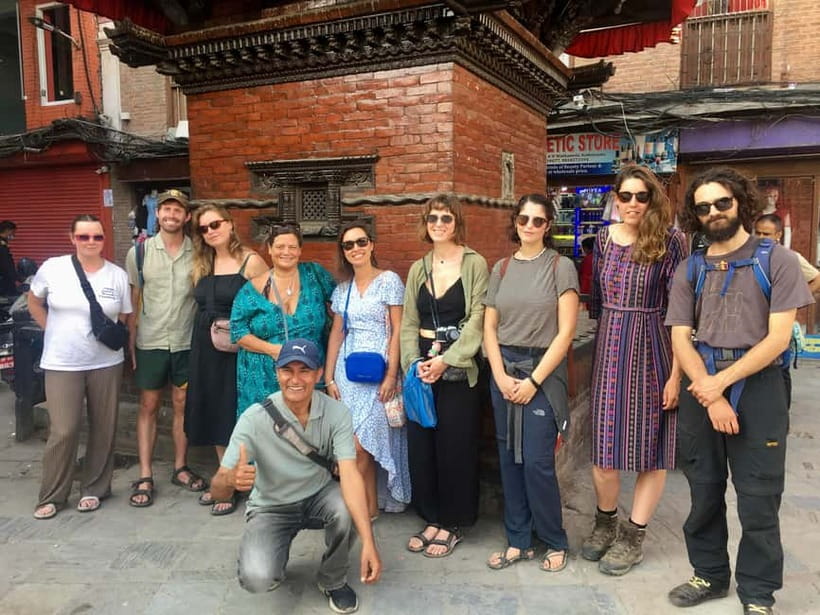
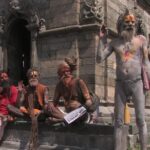
After Garden of Dreams, the tour heads toward local areas where you can see older stupas, temples, and people doing ritual activities. This is where the guide earns their keep. Without local context, many of these spaces can look like scenery. With a guide, you start reading the cues—what people are doing, why certain areas matter, and how sacred and everyday life share the same streets.
I like that this section teaches you how to look. You don’t just pass by things; you get to watch, ask questions, and understand the logic behind the layout of religious sites in the city.
One reason this segment is valuable: Kathmandu is layered. If you only spend time on the “main” attractions, you might leave with images but not meaning. Here, meaning starts building in small steps.
You can also read our reviews of more walking tours in Kathmandu


Kathmandu Market and Durbar Square: Where the City Shows Its Work
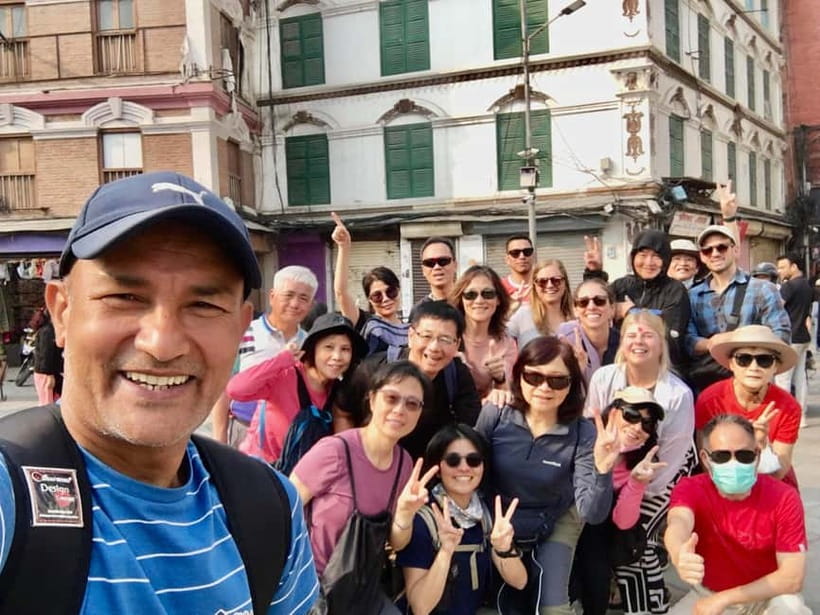
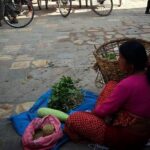
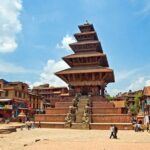
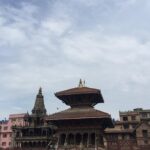
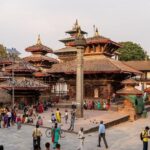
Next up is the bustling market followed by Kathmandu Durbar Square. This is the “all systems on” part of the route, and it makes sense after the quieter start. You’re moving from calm gardens and local religious corners into the kind of streets where everyday commerce, conversation, and movement are nonstop.
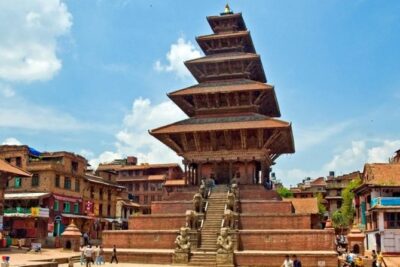
Durbar Square is where you’ll appreciate the payoff of having a guide. Landmarks like these can blur together if you don’t know what to focus on. With a local explanation, the square becomes a story about the city’s people, faith, and how heritage is kept in active use rather than frozen behind ropes.
Two things I think you’ll notice here:
- The density of religious and historic references in the same space.
- How visitors who plan to “just take pictures” often miss the human activity happening alongside the architecture.
Small drawback to consider: market areas can feel crowded and a bit intense. If you’re sensitive to noise, take a few breathers. The tour is designed for walking, but you can still pause, drink water, and reset your brain.
Newari Neighborhoods: Temple Life and a Cremation Place
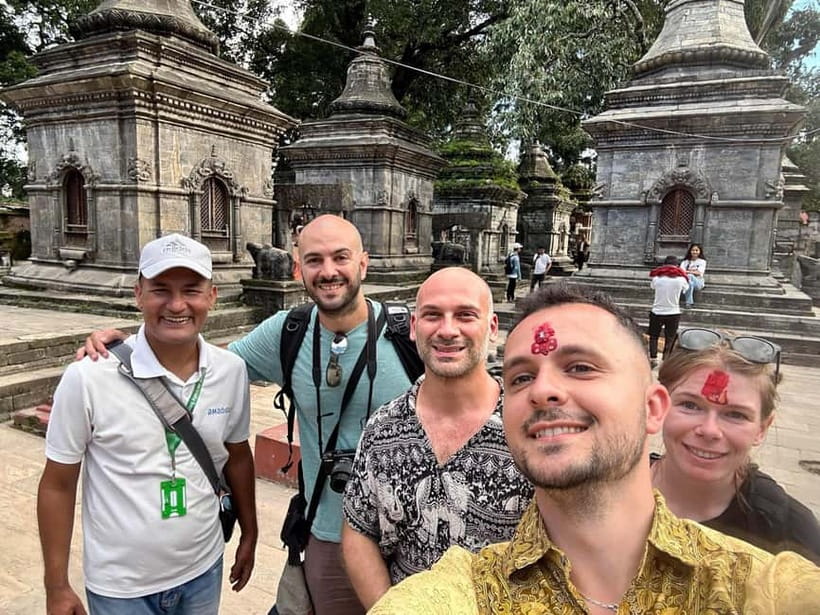
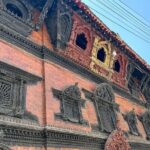
After the Durbar Square stop, you follow the Newari residential area. This is one of the most compelling parts of the walk, because it shows how heritage isn’t only on display—it lives in homes, courtyards, and local sacred spaces.
You’ll observe a local temple and a cremation place as part of the route. That can feel surprising at first, especially if you’re used to tourist sites that avoid anything heavy. Here’s the key: the guide’s role matters. They help you understand what you’re seeing with respect, without turning it into spectacle.
This section is also where I’d encourage you to slow down. The value isn’t in speed. It’s in noticing the details: how people move through the space, what’s considered respectful behavior, and how religion and community routines share the same ground.
Cultural note that matters for your experience: keep your body language and clothing modest when you’re around religious places. You’ll feel the difference immediately. People are used to rituals happening in public; you’ll be a better visitor if you don’t treat it like a photo set.
The Monkey Temple Hill: 45 Minutes Up, Then 365 Steps Down
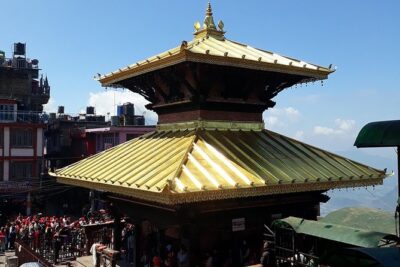
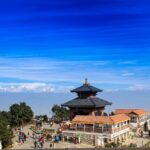
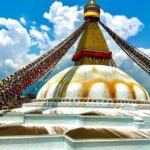
The highlight many people come for is the Monkey Temple, a UNESCO World Heritage Site on a conical-shaped hill, about 77m high from Kathmandu’s ground level. The walk to reach it is roughly 45 minutes. That’s your first big “workout” portion, and it matters because it changes your perspective: you’re not just seeing the place—you’re arriving from the city, up onto its spiritual high point.
Once you’re there, you’re surrounded by temple energy. And yes, because this is Kathmandu, you’ll likely notice plenty of people doing ritual activities in and around the temple area. This is a spot where a guided moment turns into a “now I get it” feeling, because the hill’s position and sacred role connect geography to belief.
Then comes the part many folks remember: the descent. You return by descending 365 steps from the hill toward Thamel. Even if you’re fit, stairs can get hard on the knees. Go at a steady pace, take small breaks, and keep your focus on footing.
If weather shifts, it can change how the steps feel. Wear shoes with good grip and treat the descent like the main event, not an afterthought.
Why the Guide Matters (and Why Shiva Gets Mentioned)
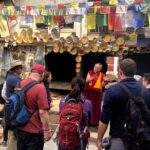
Across the experience, the guide is the secret ingredient. This is not a “sticker-collecting” tour where you’re dropped at sights and sent off. You’re led through the city with explanations that connect what you see—temples, stupas, market life, and ritual behavior—into one coherent picture.
Multiple people highlight the same thing: Shiva, the guide, takes time to answer questions and stays calm and friendly. That’s not just a personality bonus. It affects the quality of your day. When you can ask why people are doing something a certain way, the city stops being a blur.
In practical terms, good guiding also helps you move through busy spaces without getting lost or missing key points. You’ll spend less time guessing and more time noticing.
You can also read our reviews of more guided tours in Kathmandu
Price and Value: Why $15 Can Feel Like a Bargain
At $15 per person with a professional guide included, the value is strong—especially in a city where many experiences charge far more for less context. What you’re really paying for isn’t transportation or a meal plan. It’s guided interpretation and a route that strings together major sights plus local neighborhood detail.
This tour’s cost works well if you care about:
- learning how Kathmandu’s sacred spaces function in daily life
- seeing more than the obvious sites
- getting someone local to explain history and culture in plain language while you walk
The one thing that isn’t included is time you spend mentally assembling the city. You’ll do that yourself as you go, but the guide helps you do it faster and with fewer wrong turns.
Where value can be lower for you: if you’re expecting a leisurely stroll with minimal stairs, or you need hotel pickup and drop-off built in. This one is designed for independent walking comfort.
What’s Actually Included vs. What You Need to Plan
Included:
- Professional guide
Not included:
- Hotel pickup and drop-off
- Meals and drinks
- Personal expenses
Translation: plan to be self-sufficient. You should bring water and expect to snack if you need to. If you want a pre- or post-walk meal, pick your timing around the stairs and how long you feel your legs can handle.
Also, you’re meeting at the front gate of Garden of Dreams with a placard that says Himkala Adventure. That matters because there’s no pickup to save you if you show up late or confused.
What to Bring and How to Handle the Weather
If you want this walk to feel good instead of gritty, bring the basics listed for the tour:
- comfortable shoes
- hat
- camera
- sunscreen
- water
This route is outdoors, and Kathmandu weather can change. You don’t want to be caught without sun protection, and you don’t want to run out of water mid-route. A hat and sunscreen aren’t optional extras here—they’re the difference between “great day” and “why did I do this.”
One more practical idea: pack like you’ll be doing a mini hike. Keep essentials accessible, and don’t bring anything bulky. You’ll appreciate the freedom when you’re near stairs.
Respect Local Customs Without Overthinking It
The tour visits religious sites, so modest dress matters. It’s also important to respect local customs—meaning quiet behavior in sensitive areas and a willingness to treat worship and ritual practice as real, not staged.
Also note: smoking isn’t allowed on the tour. If you smoke, plan to step aside elsewhere rather than assume it’s fine during walking time.
You don’t need to be perfect. Just be considerate, wear something comfortable and modest, and follow your guide’s cues. You’ll blend in better, and you’ll get more from the experience.
Who This Walking Tour Fits Best
I think this tour is a great fit if you:
- like walking and don’t mind stairs
- want a guide to explain culture and religion in context
- enjoy mixing major sights with local neighborhood atmosphere
- want a UNESCO site without paying for a private car day
It’s not suitable if you:
- need wheelchair access or have mobility impairments
- have small children under 5
- expect hotel pickup and minimal walking
If you’re traveling solo, this is also a strong choice. The guide-led structure keeps it easy, and the walking route helps you see Kathmandu as more than a set of stops.
Should You Book This Kathmandu Monkey Temple Walking Tour?
If you can handle a stair-heavy day, I’d book it. The value at $15, the UNESCO Monkey Temple hill experience, and the mix of Garden of Dreams, market streets, Durbar Square, and Newari neighborhood life make it a smart way to see Kathmandu with meaning.
Skip it only if walking (especially descending 365 steps) would be a problem for you, or if you need pickup and drop-off. If you’re comfortable on your feet, this is one of those rare tours that feels like a real city lesson, not a checklist.
FAQ
Where do I meet the guide for the Kathmandu walking tour?
You meet at the front gate of the Garden of Dreams. The guide will be there holding a placard written Himkala Adventure.
Is hotel pickup and drop-off included?
No. Hotel pickup and drop-off are not included.
How much walking is involved?
The route includes a significant amount of walking and stairs, including about a 45-minute walk to the Monkey Temple and a descent of 365 steps.
What stops will the tour include?
You’ll visit the Garden of Dreams, local areas with temples and stupas, the market, Kathmandu Durbar Square, a Newari residential area, and the Monkey Temple.
What is included in the price?
The tour includes a professional guide.
Are meals and drinks included?
No. Meals and drinks are not included.
What should I bring?
Bring comfortable shoes, a hat, a camera, sunscreen, and water.
Is smoking allowed during the tour?
No. Smoking is not allowed.
Is it suitable for children and people with mobility impairments?
It is not suitable for children under 5. It is also not suitable for people with mobility impairments or wheelchair users.
Can I cancel for a refund?
Yes. You can cancel up to 24 hours in advance for a full refund.
What language is the tour in?
The tour is in English.